


close
Choose Your Site
Global
Social Media
Views: 243 Author: Gill Transmission Parts Publish Time: 2026-10-25 Origin: Site


Content Menu
● 1. Choose the Right Yamaha Outboard Parts Business Model
>> Does Yamaha Offer a Parts-Only Dealership?
● 2. Contact the Correct Yamaha Marine Organization
● 3. Prepare a Credible Dealer Application Package
>> Company and Financial Information
>> Market and Customer Evidence
>> Facilities and Operating Capabilities
● 4. Understand Yamaha Outboard Dealer Requirements Without Borrowing Unrelated Figures
>> Request Written Answers to Commercial Questions
● 5. Build Technical Capability Around Correct Parts Identification
>> Create a Fitment-First Order Process
>> Give Gears and Shafts Additional Review
● 6. Plan Training and Warranty Responsibilities
>> Separate Maintenance From Warranty Repairs
● 7. Build Inventory Around Demand, Not Catalog Size
>> Track Operational Indicators
● 8. Evaluate Suppliers With a Transmission-Parts Quality Checklist
>> Technical and Quality Questions
>> Use a Controlled Trial Before Scaling
● 9. Keep Genuine and Aftermarket Parts Clearly Distinguished
● 10. Use a Practical 90-Day Preparation Plan
>> Days 1–30: Confirm the Business Route
>> Days 31–60: Prepare Evidence and Systems
>> Days 61–90: Complete Commercial Review
● Build Your Marine Parts Business on Verified Fitment
>> Can I become a Yamaha outboard parts dealer without selling engines?
>> How much does a Yamaha outboard parts dealership cost?
>> Can I sell Yamaha-compatible aftermarket parts?
>> Does buying genuine Yamaha parts make my business an authorized dealer?
>> Do I need Yamaha technician training to sell parts?
>> Can an independent shop perform Yamaha warranty repairs?
Learning how to become a Yamaha outboard parts dealer starts with one distinction: selling parts for Yamaha engines is not the same as holding authorized Yamaha dealer status. To pursue official authorization, contact Yamaha's marine organization or its appointed distributor in your market and confirm the available business arrangements before investing.
At Ningbo Gill Transmission Parts Co., LTD., our perspective comes from 29 years in the research, development, manufacturing, and sales of outboard gears, crankshafts, drive shafts, and propeller shafts. We see a successful parts business as more than a stocked warehouse. It needs accurate fitment information, dependable supply, technical accountability, and clear product descriptions.
This guide primarily uses Yamaha's U.S. marine resources. Application procedures, commercial terms, and warranty conditions must be confirmed locally.
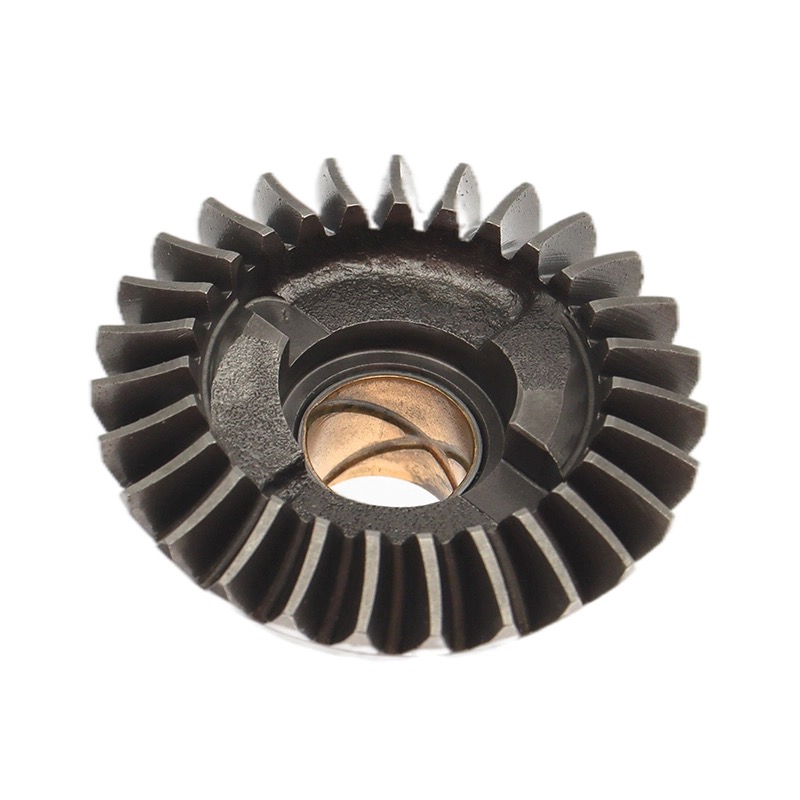
Before preparing a dealership application, decide which business you actually want to operate.
| Business model | Primary activity | Important distinction |
|---|---|---|
| Authorized Yamaha marine dealer | Conducts activities covered by its Yamaha agreement | Authorization and permissions require confirmation |
| Independent genuine-parts reseller | Resells genuine Yamaha parts obtained through available channels | Purchasing genuine parts does not establish dealer status |
| Aftermarket marine parts distributor | Supplies independently manufactured replacement components | Compatible parts are not Genuine Yamaha parts |
These models have different sourcing arrangements, customer expectations, and branding boundaries.
Do not assume a universal Yamaha outboard parts-only dealer program exists.
Yamaha's U.S. dealer classifications distinguish businesses selling individual outboards from those selling Yamaha-powered boat packages. Its public classifications also describe service qualifications, but they do not establish a universally available parts-only appointment.
Ask the regional marine organization whether it considers parts-focused businesses, requires service operations, or offers another suitable commercial arrangement.
Your first practical step is finding the organization responsible for marine dealer development in your territory.
Start through Yamaha's official marine channels. In the United States, Yamaha's published Marine Customer Relations number is 866-894-1626. Ask how to reach the team handling prospective dealer inquiries; this is a customer-relations contact, not a published dealer-application hotline.
Outside the United States, contact the appointed Yamaha marine distributor for your country.
Prepare a short introduction covering:
- Your registered company name and location.
- Existing marine sales or repair activities.
- Intended customer base and geographic coverage.
- Whether you want parts sales, service, engine sales, or a combination.
- Available premises, staff, and investment capacity.
Ask whether your proposed territory and business format are being considered before commissioning expensive facilities or purchasing speculative inventory.
There is no substitute for Yamaha's current regional requirements. However, preparing a structured business proposal makes your initial discussion more useful.
The following is a recommended preparation checklist, not a published Yamaha approval standard.
Organize your business registration, ownership information, relevant licenses, insurance details, and financial records.
Include a cash-flow forecast that explains how you would fund opening inventory, staffing, rent, equipment, and replenishment.
Avoid presenting an inventory purchase as your entire investment plan. A parts operation also needs working capital while products sit on shelves and customers await repairs.
Describe the local opportunity using evidence you can verify:
- Models appearing in existing customer inquiries.
- Repair shops and marinas you already serve.
- Frequently requested maintenance components.
- Documented backorders or recurring fitment problems.
- Seasonal purchasing patterns in your own records.
A focused proposal is stronger than an unsupported statement that "Yamaha parts are popular."
Explain how your operation would receive, identify, store, pick, and dispatch parts.
If you propose repair services, describe technician experience, workshop arrangements, tooling, and environmental procedures. Ask Yamaha which capabilities are mandatory for the appointment you are pursuing.
A common research mistake is applying published requirements from one product division to another.
Yamaha's U.S. motorsports dealer page discusses investment and facility requirements for its listed product lines. Those figures should not be presented as confirmed requirements for a Yamaha marine parts dealership.
Do not build your budget around an unverified "Yamaha dealership cost" found online.
Before committing funds, ask:
1. Is a parts-focused appointment available?
2. What opening inventory is required?
3. Are service facilities or trained technicians mandatory?
4. What financial documentation and credit arrangements apply?
5. Which sales channels are permitted, including online sales?
6. How are returns, warranty claims, and obsolete stock handled?
7. Are there territory, branding, or competing-product restrictions?
Also request the current application stages and expected review process. Do not treat an informal conversation as approval.
From a transmission-parts manufacturer's perspective, identification discipline deserves as much attention as purchasing price.
A familiar engine name is not enough to confirm every replacement component.
Yamaha explains that its Primary Identification Number, or PID, contains information identifying the engine. Its resources also explain why model designation matters more than relying solely on a model-year description.
Before confirming a technical component, record:
- Complete model designation.
- PID or serial identification.
- Existing part number, when available.
- Relevant catalog diagram and position.
- Application details needed to resolve uncertainty.
For independent replacement components, request the additional drawings, measurements, or technical information necessary to establish compatibility.
For outboard gears, crankshafts, drive shafts, and propeller shafts, develop an inspection checklist appropriate to the component.
Potential review points include mating interfaces, spline configuration, bearing locations, sealing surfaces, and dimensional requirements. These are engineering review categories, not universal Yamaha specifications.
Never infer interchangeability from appearance alone. Escalate unresolved compatibility questions before shipping.
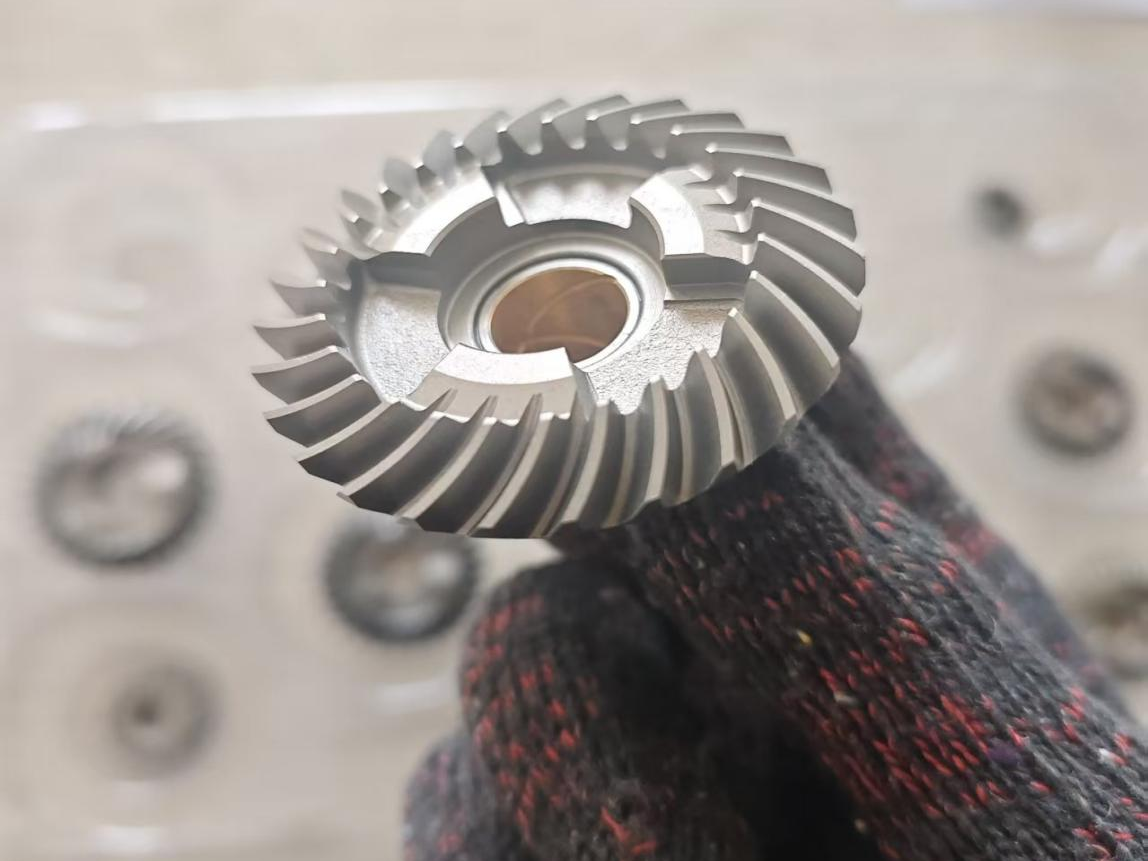
Yamaha Marine University encompasses dealer and technician education. Yamaha describes classroom instruction, online modules, in-dealership training, service-management training, and other learning formats.
Its dealer classifications also distinguish factory-trained technicians, Five Star certifications, and Master Technicians.
Training access and requirements should be confirmed for your proposed business arrangement. Technician education does not independently grant dealership authorization.
Yamaha's U.S. guidance states that owners may authorize others to perform maintenance. It separately states that service covered under Yamaha's limited warranty must be performed by a Yamaha dealer.
This distinction matters when explaining your capabilities.
An independent repair business should not describe ordinary maintenance services as factory-authorized warranty work. Likewise, a parts seller should explain the applicable product warranty without promising coverage it cannot administer.
A new marine parts business does not need to stock every available component.
We recommend organizing inventory according to demonstrated demand, replacement urgency, lead time, and capital exposure.
| Inventory group | Illustrative products | Suggested approach |
|---|---|---|
| Routine maintenance | Filters, anodes, impellers | Prioritize verified local demand |
| Recurring repair | Seals, bearings, selected service components | Stock against repair history |
| Specialized transmission | Gears, crankshafts, drive shafts, propeller shafts | Verify fitment and demand before committing |
This is a planning framework rather than a claim about Yamaha's required opening stock.
Review these measures monthly:
- Order fill rate.
- Inventory turnover.
- Backorder duration.
- Returns attributed to incorrect fitment.
- Gross profit after freight and returns.
- Supplier lead-time consistency.
A low purchase price is not necessarily a low total cost. Include inspection, freight, handling, returns, and unusable stock in purchasing decisions.
For businesses considering aftermarket outboard parts, supplier evaluation should extend beyond a product photograph and quotation.
Our recommended approach is to request evidence appropriate to the part's function and application.
Ask prospective suppliers:
- What material and processing requirements apply?
- Which dimensions and interfaces are inspected?
- Are inspection records available for the proposed product?
- How are batches identified?
- How are specification changes controlled?
- What happens when a nonconforming component is reported?
Do not assume every supplier offers every document. Confirm deliverables before ordering.
Start with a defined product scope and agreed acceptance criteria.
Review samples, technical documentation, packaging, identification, and communication quality. Where application testing is necessary, use qualified personnel and an appropriate evaluation process.
Expand orders only after reviewing the results. This creates a more defensible sourcing decision than selecting a supplier solely on unit price.
Customer trust depends on describing products accurately.
Genuine Yamaha parts, independently manufactured replacement parts, and used components should not be presented as equivalent categories.
For aftermarket products, explain the manufacturer, verified application, product condition, and applicable seller or manufacturer warranty. Do not imply Yamaha approval without documented authorization.
Yamaha's U.S. parts guidance states that Genuine Yamaha parts and accessories must be purchased from an authorized Yamaha dealership for its stated warranty coverage, and a purchase receipt is necessary.
Keep product identity and warranty information visible before checkout—not only in a returns policy.
The following schedule is a suggested internal work plan, not a promise of Yamaha approval.
- Contact the regional marine organization.
- Confirm whether your proposed appointment is available.
- Request current requirements.
- Review existing customer demand.
- Compare authorized and independent business models.
- Complete financial and operating plans.
- Document premises and staffing.
- Establish fitment-verification procedures.
- Review inventory and supplier options.
- Clarify permitted branding and sales channels.
- Submit requested application materials.
- Resolve outstanding technical or financial questions.
- Review written terms with qualified advisers.
- Finalize purchasing only against confirmed permissions.
- Prepare customer-service and returns procedures.
If authorization is unavailable, reassess the independent route transparently. Do not market the business as an authorized Yamaha dealer while an application is pending.
For official Yamaha authorization, contact the marine organization responsible for your territory and obtain its current requirements.
For independent transmission-parts sourcing, contact Ningbo Gill Transmission Parts Co., LTD. with your required component, model identification, reference number, technical drawings or samples, and estimated quantities. Drawing on our stated 29 years of manufacturing experience, we can discuss your requirements for outboard gears, crankshafts, drive shafts, and propeller shafts.
A sourcing inquiry does not confer Yamaha authorization or imply that an independently manufactured component is Genuine Yamaha.
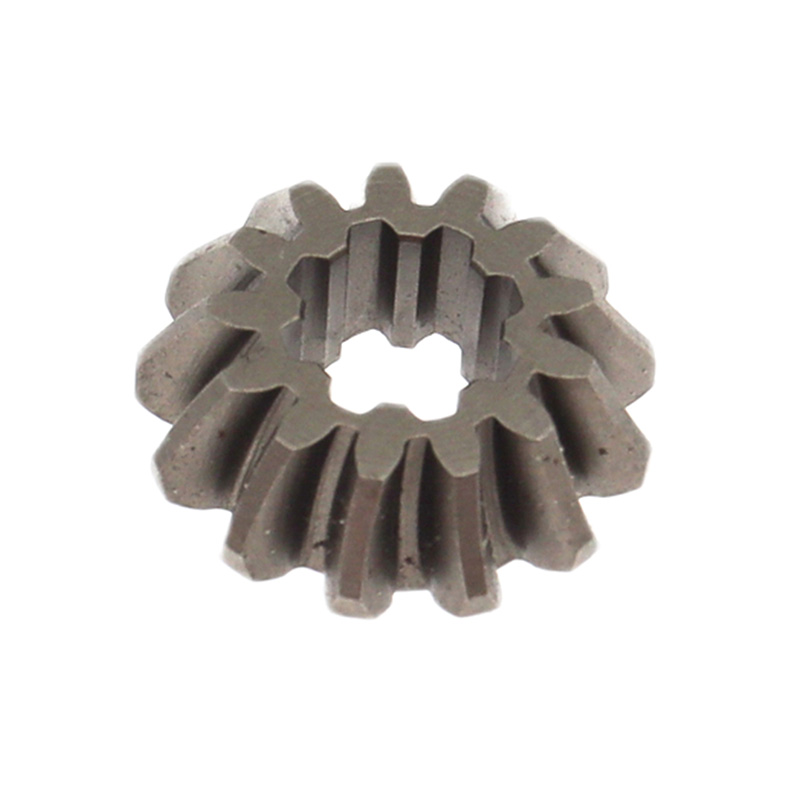
Possibly, depending on the arrangements available in your market. Yamaha's public U.S. dealer classifications do not establish a universal parts-only program. Ask the regional marine organization directly.
There is no verified universal figure in the marine resources reviewed for this guide. Request current regional requirements and calculate inventory, premises, staffing, systems, insurance, and working capital separately.
That is a different business model from authorized dealership. Verify product compatibility, describe the manufacturer accurately, and obtain advice on applicable trademark, consumer-protection, and product-liability obligations.
No. Purchasing stock does not itself establish authorization. Obtain written confirmation of your appointment and permitted activities before claiming official dealer status.
Requirements depend on your proposed appointment and activities. Yamaha documents several training and service-recognition pathways, but you must confirm which apply to your business.
Yamaha's U.S. guidance distinguishes independent maintenance from covered warranty service. It states that service work covered by its limited warranty must be performed by a Yamaha dealer.
1. [Yamaha Outboards — Dealer Types and Certifications]. Basis for dealer categories, service qualifications, and distinctions between individual-outboard and boat-package sellers. [yamahaoutboards]
2. [Yamaha Outboards — Frequently Asked Questions]. Basis for the Marine Customer Relations contact, PID identification, maintenance versus warranty service, and Genuine Yamaha parts warranty conditions. [yamahaoutboards]
3. [Yamaha Marine — Training and Career Development During International Marine Technician Week]. Published April 26, 2023. Basis for the description of Yamaha Marine University and its training formats. [yamahaoutboards]
4. [Yamaha Motorsports USA — Become a Dealer]. Used only to distinguish its published product-line requirements from unverified marine dealership requirements. [yamahamotorsports]


