


close
Choose Your Site
Global
Social Media
Views: 263 Author: Gill Transmission Parts Publish Time: 2026-09-27 Origin: Site


Content Menu
● Who Buys Used Boat Parts Locally?
● How Do I Find Used Boat Parts Buyers Near Me?
● Which Used Boat Parts Are Worth Selling?
● What Information Should I Gather Before Asking for Offers?
cccc● How Should You Compare Offers?
● When Is a Used Drive Shaft Worth More Than Scrap?
● Should I Sell a Used Shaft or Replace It?
● How Do I Handle Parts That Cannot Be Resold?
>> Do boat salvage yards buy individual parts?
>> Can I sell a used boat drive shaft without a part number?
>> Is a consignment shop better than a private buyer?
>> What should I do if a buyer asks whether a shaft is straight?
>> Will a marine repair shop buy my old parts?
>> Can I sell a part removed after an accident?
>> Does Ningbo Gill buy used boat parts near me?
If you are asking, "Who buys used boat parts near me?" start with marine salvage yards, consignment shops, repair businesses, and local boaters. The best buyer depends on what you have. A clean cleat may sell quickly to another owner. A used marine drive shaft needs a buyer who can verify its identity and condition. This guide helps you find the right outlet, prepare your parts, compare offers, and decide when replacement is the safer choice.
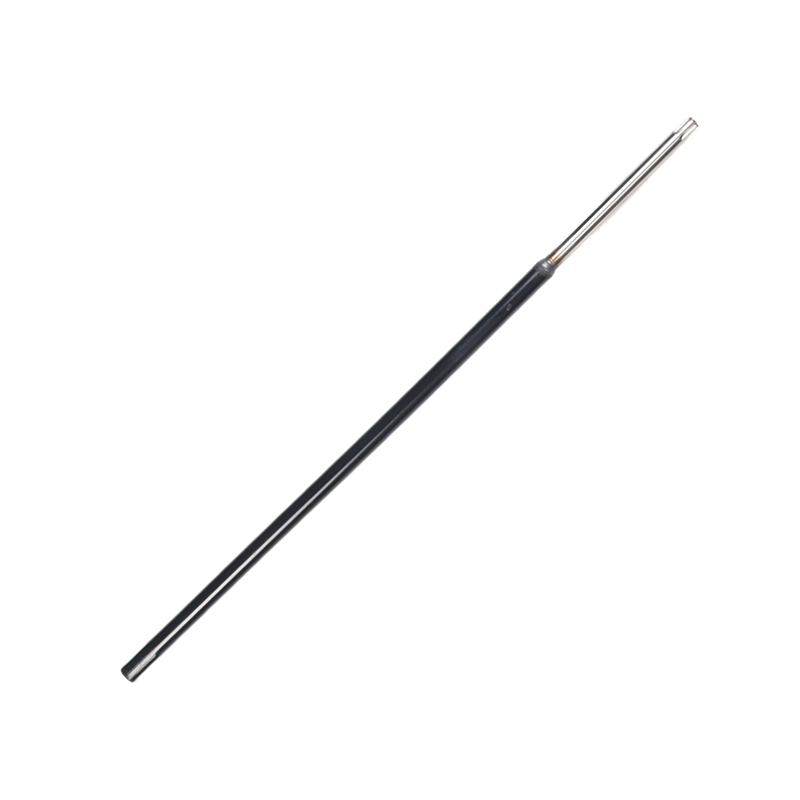
Several types of buyers handle used marine equipment, but they do not all purchase it outright. Call before bringing in a heavy part or an entire boat.
| Potential buyer | Best suited to | What to ask first |
|---|---|---|
| Marine salvage yard | Damaged boats, engines, lower units, and mixed parts | Do you buy individual parts or only complete vessels? |
| Marine consignment shop | Clean, identifiable hardware and working equipment | What is your commission, and when do I get paid? |
| Boat repair shop | Specific parts it can inspect or use for repairs | Are you buying this model and part number? |
| Local private buyer | Common, easy-to-identify items | Can the buyer inspect the item before paying? |
| Scrap-metal recycler | Metal parts with no practical resale value | What materials do you accept, and how are they priced? |
A salvage yard may be the simplest option when you have a damaged boat or several components to clear. It can assess whether the parts are worth dismantling and reselling. Yet its offer must account for removal, storage, inspection, and the possibility that some items will never sell.
A consignment shop works differently. It displays your part and pays you after a sale, less its agreed commission. This can suit a desirable item if you can wait. Before leaving anything, get written terms covering the asking price, commission, payment timing, returns, and what happens if the item remains unsold.
Repair shops can be useful for hard-to-find components, especially when you have an exact part number. Do not assume every mechanic purchases used stock. A shop may only buy parts for a repair already in progress, or it may decline components it cannot test.
Search by part type and location, not just "boat parts." A yard that handles sailboat hardware may have little interest in outboard lower-unit components. Likewise, an engine specialist may not want deck fittings.
Try searches such as:
- "Marine salvage yard" plus your city or region.
- "Sell used outboard parts" plus your motor brand.
- "Marine consignment shop" plus your nearest boating area.
- "Boat repair shop buying used lower units" plus your location.
- "Used propeller shaft buyer" plus your shaft dimensions or part number.
Your marina, boatyard, or marine mechanic may also know which local businesses currently handle your type of part. Ask for a recommendation, then confirm that the business is still operating and buying before you travel. Hours, accepted inventory, and drop-off arrangements can change.
If local interest is limited, consider a buyer who sells nationally and accepts shipped parts. Ask who pays freight and whether the offer can change after inspection. For long or heavy components, shipping and packaging may erase the advantage of a higher quoted price.
The easiest parts to sell are usually those a buyer can identify, inspect, and match to an application. Keep labels and part numbers attached whenever possible.
Common candidates include:
- Propellers and undamaged deck hardware.
- Outboard covers, brackets, and serviceable housings.
- Marine electronics that can be powered on and demonstrated.
- Identifiable gears and lower-unit components.
- Drive shafts and propeller shafts with reliable measurements and inspection records.
Condition matters more than appearance alone. A polished component may still have hidden wear. Conversely, a dirty but clearly identified part may deserve a closer look once cleaned and tested.
Be cautious with parts whose failure could create a serious operating problem. A shaft, steering component, or other heavily loaded part should not be described as "ready to install" merely because it looks straight or came off a running boat. If you cannot establish its condition, disclose that limitation and sell it for inspection, repair, or parts, as appropriate.
"Boat shaft" is not specific enough for a serious listing. In an outboard lower unit, a drive shaft and a propeller shaft do different jobs and fit different locations. An inboard propeller shaft is another distinct application.
Record the component's original position before listing it. If you are unsure, ask a marine technician to identify it. Using the wrong term can attract the wrong buyers, lead to poor offers, and create avoidable fitment disputes.
Buyers make better offers when they do not have to guess. Prepare a short part record before you call a yard or create a listing.
1. Record the motor or vessel make, model, and year, if known.
2. Photograph the complete part and any stamped number or label.
3. Measure overall length, relevant diameters, and connection features.
4. Describe why the part was removed.
5. Note freshwater or saltwater use if you know the history.
6. Disclose damage, repairs, missing pieces, and any tests performed.
For a shaft, photograph the splines, threads, keyway or taper, bearing-contact surfaces, and seal-contact surfaces where applicable. Put a ruler in the frame, but provide written measurements as well. A photo alone may not show the difference between two similar variants.
Keep claims narrow. "Removed because the owner upgraded the motor" is useful history if true. It is not proof that the shaft passes inspection. "No visible cracks" means only that none were visible to you; it does not replace a specialist's examination.
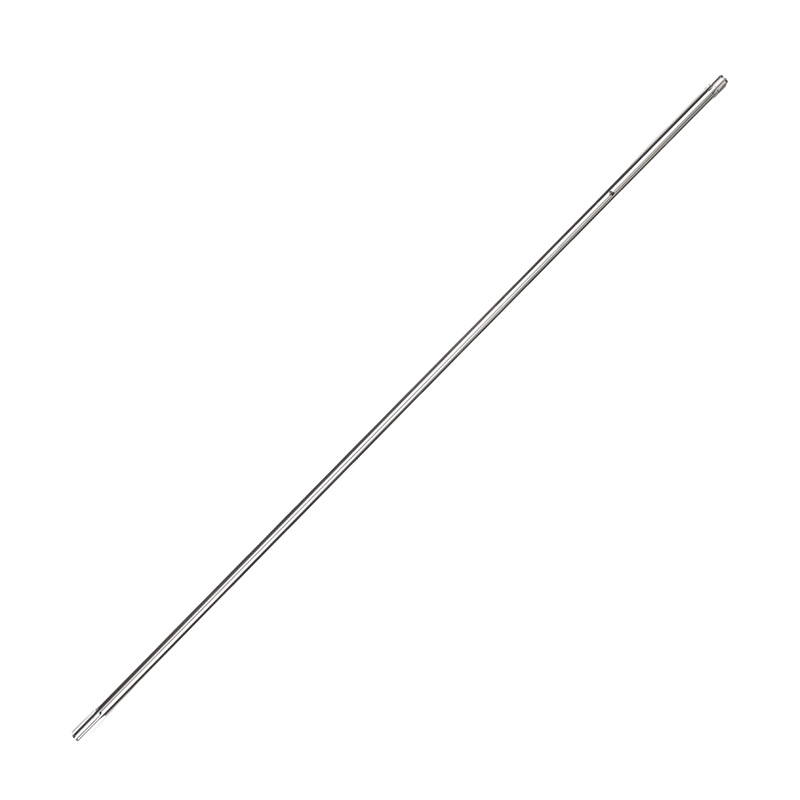
The highest quoted price is not always the best deal. A private buyer may pay more but take weeks to appear. A yard may pay less and remove everything at once. Consignment might produce a better eventual sale price, with no immediate payment.
| Consideration | Why it matters |
|---|---|
| Net amount received | Commission, shipping, packing, and travel reduce the headline price. |
| Payment timing | An outright sale pays differently from consignment. |
| Inspection terms | Some buyers revise offers after examining a part. |
| Return terms | A returned item can delay or reverse a consignment payout. |
| Effort and risk | Photographing, storing, meeting buyers, and shipping take time. |
Compare offers on the same basis. Ask each buyer whether its figure is firm or conditional, who collects the part, and whether you must accept a lower price after inspection. For a bulky shaft, collection may be worth more to you than a modest increase in the offer.
If you are selling several items, request both an itemized offer and a lot price. Selling everything together is convenient, but it can hide the value of one desirable component among parts with little demand.
A used shaft may have resale value when its application, dimensions, material, and condition can be established. A buyer looking for a specific replacement cannot rely on length alone. Splines, connection details, bearing surfaces, and motor variant must also match.
As a seller, do not attempt to straighten, grind, or polish away suspicious damage simply to improve the listing. Such work can obscure the evidence a buyer needs. Instead, disclose the issue and let a qualified shop determine whether the part is serviceable.
As a buyer, pay particular attention to these warning signs:
- Bent or visibly damaged sections: Ask for a professional straightness check where appropriate.
- Pitting or corrosion: Inspect areas that may have been hidden by bearings, seals, or a hub.
- Worn splines or contact surfaces: Confirm that mating parts can engage correctly.
- Cracks or damaged keyways: Do not rely on a visual check alone when failure would be consequential.
- Uncertain identity: Do not purchase solely because a part looks similar.
A seller with documented measurements and test results can answer more meaningful questions than one who offers only "good condition." A buyer without that documentation should budget for inspection and accept that the part may prove unusable.
This is a separate decision from finding a buyer. A used shaft can be a reasonable source of parts only when its fit and condition are verified. If inspection is impractical, the apparent saving may disappear once you account for labor, downtime, and the cost of removing an unsuitable part again.
For example, imagine a mechanic removes a shaft after a propeller strike. The splines look intact, and the shaft still turns. That does not establish that it is straight or free of damage at a critical transition. The honest listing describes the strike and any completed testing. A prospective buyer can then decide whether professional evaluation is worthwhile.
If you need a replacement rather than a buyer, begin with the original part number and motor details. Compare the replacement's dimensions and interfaces against the removed component and the manufacturer's application information. Do not assume that every part advertised for the same brand fits every year or variant.
At Ningbo Gill Transmission Parts Co., Ltd., our product range includes marine drive shafts, propeller shafts, gears, and other outboard lower-unit components. We have worked in marine-parts development and manufacturing since 1997. That manufacturing background is relevant when discussing part identification and replacement—but it does not mean we operate a local used-parts buying service. Confirm any replacement's exact application before ordering.
A part with no reliable reuse value still needs an appropriate destination. Separate clean scrap metal from batteries, fuel, oil, antifreeze, solvents, and other potentially hazardous materials. Ask your marina, local authority, or an approved collection facility how to handle each item in your area.
Do not offer a leaking battery or a fuel-contaminated component as ordinary scrap. Do not place leftover marine chemicals in general waste. Acceptance rules vary by location and facility, so check before transporting materials.
Donation is another possibility for usable gear, but donation is not a sale. Ask an organization what it accepts rather than leaving items at its door. Items that can help another boater may still be unsuitable for a donation program because of storage limits or safety concerns.
If you want to sell, prepare your part record and contact two or three relevant local buyers before accepting an offer. If inspection raises doubts about a drive shaft—or you need a dependable replacement instead—contact Ningbo Gill Transmission Parts Co., Ltd. with your application details. We can discuss a new component; a local used-parts buyer can assess the old one.
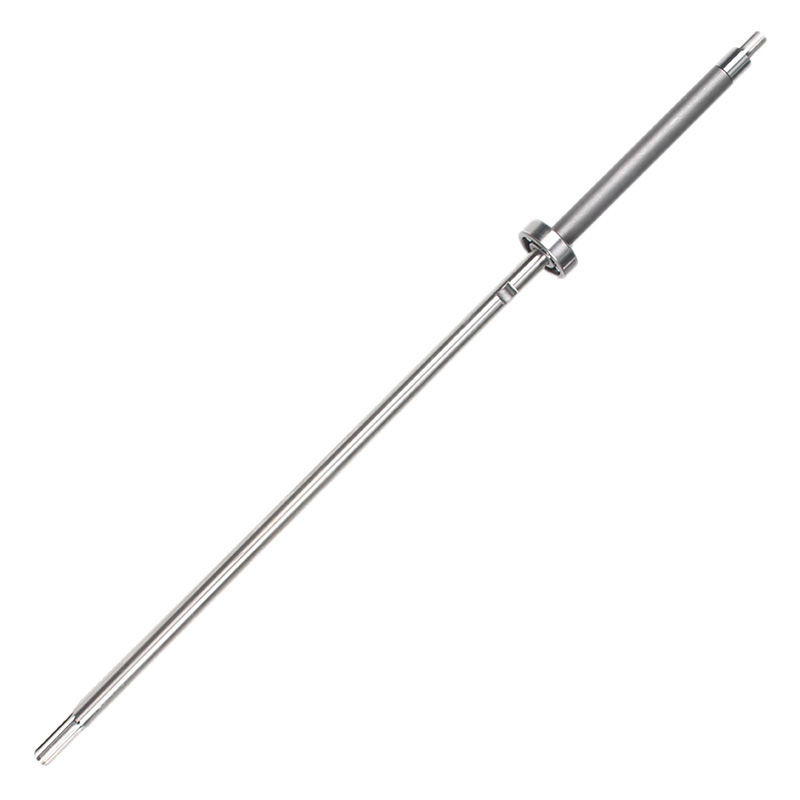
Some do, while others prefer complete boats or particular categories of components. Send photos, part numbers, and a condition description before visiting. Ask whether the yard is making an outright offer or accepting the item for consignment.
Possibly, but identification will be harder. Provide accurate dimensions, detailed connection photos, the motor information, and a clear account of how the shaft was used. Do not claim compatibility with a model you have not verified.
It depends on your priorities. Consignment may reduce the work of finding a buyer, but payment comes after a sale and the shop takes a commission. A private sale gives you more control over the asking price, while leaving you to manage inquiries and the exchange.
State exactly what has been checked. If a qualified shop measured it, provide the report and explain the measurement conditions. If no check was done, say "not tested" rather than guessing from appearance.
Some shops purchase specific used components they need; many do not maintain general resale inventory. Contact shops that work on the relevant motor or drivetrain and send identification details before asking for a price.
You can ask whether a buyer accepts it, but disclose the accident and any known damage. A component removed after an impact should not be presented as serviceable without suitable inspection.
This article does not claim that Ningbo Gill buys used parts locally. If your goal is to sell, contact a local salvage yard, consignment shop, or relevant repair business. If you need to replace a drive shaft or another lower-unit component, send our team your motor model, part number, measurements, and clear photos so we can discuss a suitable new-part option.
- [Ningbo Gill Transmission Parts Co., Ltd., "Advanced Factory for Outboard Lower Unit Parts"]. Company-published information on founding date, manufacturing focus, and product categories. [gilltransmission]
- [Maritime Page, "Boat Salvage Yards Directory"]. Industry directory describing salvage yards, consignment businesses, repair shops, and used-parts inventory. [maritimepage]
- [Marine Consignment of Long Island, official website]. An example of a business that accepts marine gear on consignment and requests part numbers, application details, photos, and dimensions. [marineconsignmentli]
- [Steve Zimmerman, "Troubleshooter: Preventing Shaft Failure," *Passagemaker*]. Technical discussion of shaft fatigue, corrosion, keyways, and inspection concerns. [passagemaker]
- [AB Marine, "Shaft Straightness"]. Guidance on checking propeller-shaft straightness and considering impact damage. [ab-marine]
- [California State Parks, Division of Boating and Waterways, "Hazardous Waste"]. Public guidance on handling and disposing of common boating-related hazardous materials. [dbw.parks.ca]
- [Northwest Maritime, "Marine Thrift"]. Example of a donation-based marine reuse program, including items it does and does not accept. [nwmaritime]


