


close
Choose Your Site
Global
Social Media
Views: 222 Author: Gill Transmission Publish Time: 2026-03-28 Origin: Site


Content Menu
● 1. The Landscape of Marine Propulsion in France (2026)
● 2. Top Propeller Shaft Manufacturers and Suppliers in France
>> 2.1 France Hélices: The Benchmark for Custom Propulsion
● 3. Comparative Technical Overview: French Supplier Capabilities
● 4. Industry Insight: Why Material Selection is Changing in 2026
>> A. The Rise of Uranus 45N (Duplex Stainless Steel)
>> B. Carbon Fiber Shafts for "Green" Ferries
>> C. Advanced Surface Coatings
● 5. Expert Tips for Sourcing Propeller Shafts in France
● 6. The Future of Propulsion: Digital Twins and Smart Shafts
● 7. Conclusion: Choosing the Right Partner
● FAQ: Frequently Asked Questions
The marine industry in France is currently undergoing a massive transformation, driven by both the Blue Economy initiatives and the rigorous FuelEU Maritime regulations. As of 2026, the demand for high-performance propulsion components has never been higher. For shipbuilders, naval architects, and fleet managers, selecting the right partner from the pool of top propeller shaft manufacturers and suppliers in France is not just a procurement decision—it is a critical factor in vessel efficiency, noise reduction, and regulatory compliance.
In this comprehensive guide, we leverage decades of industry expertise to analyze the leading players in the French market, explore the technical shifts in shaft manufacturing, and provide actionable insights for sourcing premium transmission parts.
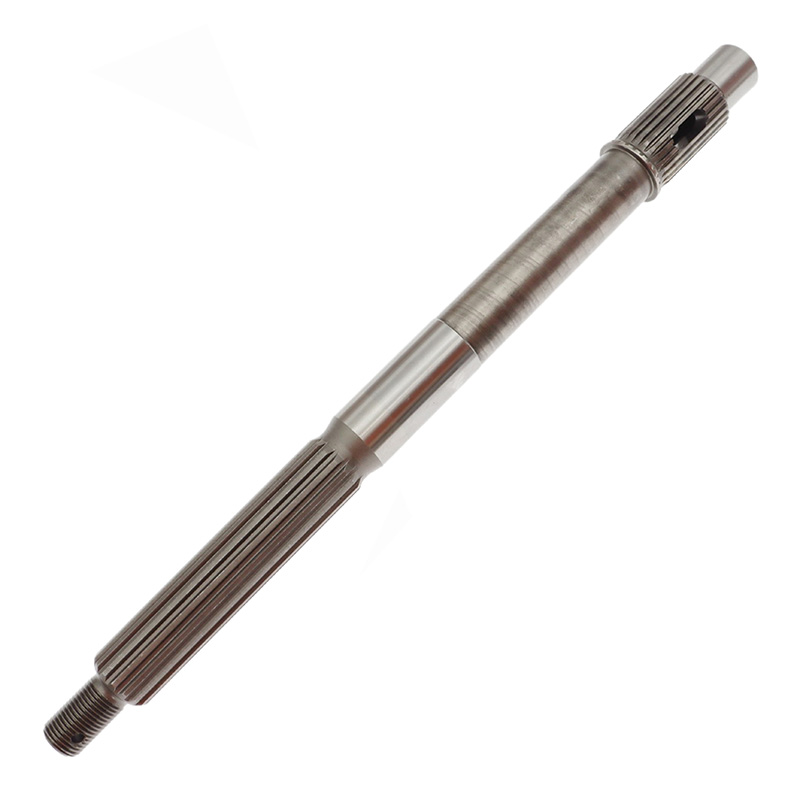
France remains a global powerhouse in maritime engineering, home to some of the world's most advanced shipyards in Saint-Nazaire and Lorient. The "Made in France" label in the propulsion sector signifies a blend of artisanal precision and aerospace-grade technology.
Today's market is characterized by a shift toward hybrid-electric systems and alternative fuels, which require propeller shafts to handle varying torque profiles and higher rotational speeds. For a supplier to be considered a leader, they must now offer more than just a steel rod; they must provide integrated "shaft line solutions" that include brackets, rudders, and advanced sealing systems.
The following companies represent the pinnacle of French marine engineering. These entities are recognized for their adherence to international classification standards such as Bureau Veritas (BV), Lloyd's Register, and ABS.
Founded in Cannes and with a major production facility in Concarneau, France Hélices is arguably the most prominent name in the region.
- Specialization: Complete shaft line packages for yachts, defense vessels, and passenger ships up to 90 meters.
- Key Capabilities: They manufacture shafts with diameters ranging from 22mm to 200mm and lengths up to 12 meters.
- Material Excellence: They maintain a massive inventory of 316L Stainless Steel and Uranus 45N, ensuring short lead times for both standard and biconic shafts.
Based in Lorient, ATS Engineering focuses on the technical integration of propulsion systems. They are a preferred partner for naval projects requiring high-precision machining and complex vibration analysis.
- Expertise: Precision CNC turning and multi-axis milling for flanges and couplings.
- Service: Beyond manufacturing, they provide critical straightening and dynamic balancing services, which are essential for minimizing hull vibration.
Part of the larger Efinor Group, this company excels in heavy-duty marine metalwork. They supply massive propeller shafts and hull components for the commercial shipping and offshore sectors.
- Differentiator: Their ability to handle large-scale forgings and complex alloys required for ice-class vessels or heavy tugs.
A historical player in the French market, Maucour focuses on the leisure and fishing sectors. They are widely respected for their "off-the-shelf" availability of standard shaft lines and their rapid-response repair workshops.
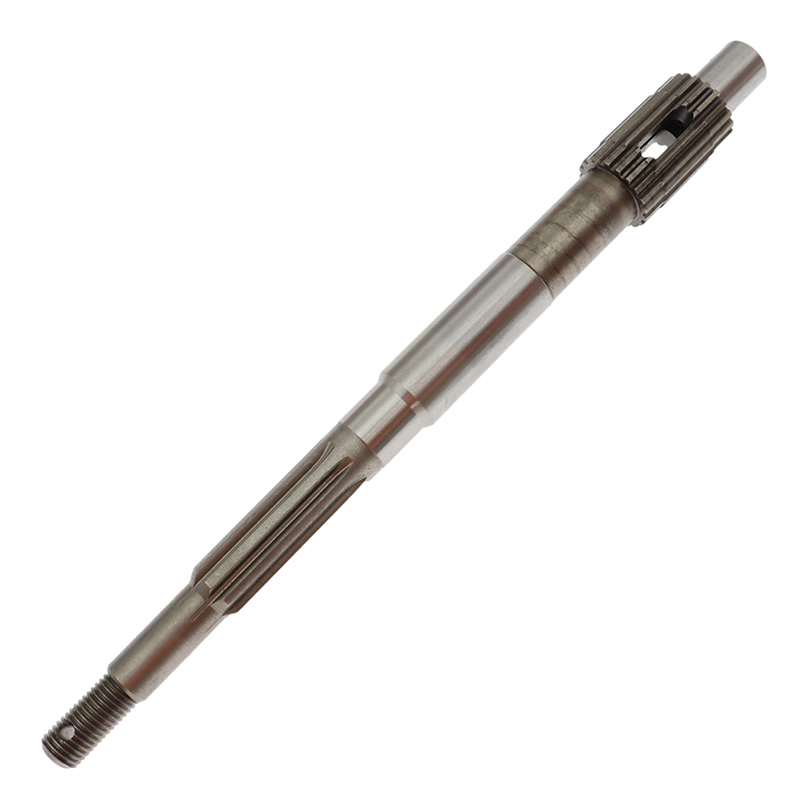
To help you make an informed decision, the following table compares the typical specifications offered by leading French suppliers versus international standards.
| Feature | Standard French Offering (e. g., France Hélices) | High-Performance Range (e. g., ATS/Gill) |
| Max Length | Up to 12 Meters | Custom up to 15+ Meters |
| Standard Materials | 316L, Uranus 45N | Aqualoy 22, Nibral, Carbon Fiber |
| Tolerance Class | ISO 484/2 Class 2 | ISO 484/2 Class S (Superior) |
| Straightness | < 0.1mm per meter | < 0.005mm (Ultra-precision) |
| Typical Lead Time | 4–8 Weeks | 2–6 Weeks (Express options) |
The "standard" stainless steel shaft is no longer the default for many French operators. As an expert in transmission parts, I've observed three major material trends currently dominating the French shipyards:
French manufacturers have championed the use of Uranus 45N. This duplex steel offers significantly higher yield strength and better resistance to pitting corrosion compared to 316L. In the salty, warm waters of the Mediterranean (Cannes/Marseille), this material is becoming the mandatory choice for luxury yachts to prevent "crevice corrosion" under the bearings.
With the surge in electric ferries in Brittany and the French Riviera, weight reduction is paramount. Carbon fiber propeller shafts are being integrated to save up to 70% in weight compared to steel, allowing for larger battery payloads and increased range.
Suppliers are now offering ceramic or tungsten carbide coatings on the bearing journals of the shaft. This reduces friction and extends the life of the water-lubricated bearings, a critical factor for the "maintenance-free" operational goals of modern shipowners.
If you are sourcing from Top Propeller Shaft Manufacturers and Suppliers in France, follow this professional checklist to ensure quality:
- Demand Classification Certification: Ensure the manufacturer can provide Type Approval from Bureau Veritas or RINA. This is non-negotiable for commercial insurance.
- Verify Straightness Reports: A shaft that is "mostly straight" will destroy your bearings in 500 hours. Ask for a dial indicator runout report taken at 5 or more points along the shaft.
- Taper Lapping: Ensure the shaft taper is "lapped" to the propeller hub. A poor fit here is the #1 cause of lost propellers at sea.
- Local vs. Global Support: While French manufacturers offer superb quality, companies like Ningbo Gill Transmission Parts provide a strategic alternative by offering European-standard precision (Aqualoy/Duplex) with significantly more agile global supply chains.
Expert Insight: "In 2026, the 'total cost of ownership' (TCO) has replaced 'initial price' as the primary metric. A cheaper 304-grade shaft will cost three times more in dry-docking fees over five years compared to a premium Duplex 2205 shaft."
By the end of 2026, we expect to see the wider adoption of "Smart Shafts" in the French market. These shafts are embedded with strain gauges and wireless transmitters that monitor torque and vibration in real-time. This data is fed into a Digital Twin of the vessel, allowing operators to predict bearing failure weeks before it happens. Leading French R&D centers are currently testing these systems to meet the IMO's latest efficiency mandates.
Whether you choose a historic French house like France Hélices or a global high-tech manufacturer like Ningbo Gill Transmission Parts, the key is to prioritize precision engineering and material science. France remains at the forefront of this industry, and by selecting a supplier that understands the nuances of the 2026 maritime landscape, you ensure the longevity and safety of your vessel.
Ready to upgrade your vessel's propulsion system?
For high-precision propeller shafts, coupling systems, and expert technical advice tailored to the European market, Contact Ningbo Gill Transmission Parts Co., LTD. today. Our engineers are ready to help you navigate the complexities of modern marine transmission.
Q1: What is the most common material for propeller shafts in France?
A: While 316L stainless steel is common for small boats, Uranus 45N (Duplex) and Aqualoy 22 are the industry standards for yachts and commercial vessels in 2026 due to their superior corrosion resistance.
Q2: How often should a marine propeller shaft be inspected?
A: We recommend a visual inspection every year during haul-out and a full non-destructive testing (NDT)—such as dye penetrant or ultrasonic testing—every 5 years to check for internal fatigue.
Q3: Can a bent propeller shaft be repaired?
A: Yes, if the bend is within certain limits (usually less than 2-3mm), specialized shops in France like France Hélices or ATS can perform precision cold-straightening. However, if the grain structure of the metal is compromised, replacement is safer.
Q4: Do French manufacturers ship shafts internationally?
A: Most top-tier French suppliers have global logistics partners, but shipping a 10-meter shaft can be costly. This is why many owners use French designs but source from high-quality global manufacturers with local distribution.
Q5: What are the new 2026 environmental regulations affecting shafts?
A: The FuelEU Maritime regulation requires ships to reduce GHG intensity. This indirectly affects shafts by pushing for lighter materials (carbon fiber) and smoother finishes to reduce friction losses and fuel consumption.
- France Hélices – Leader in Naval Propulsion Systems (Shaft Lines & Propellers). Visit Website
- Euronaval 2026 – Official Exhibitor List: Maritime Propulsion and Engineering. Visit Website
- Mobility Foresights – France Marine Propulsion Engine Market Trends 2026-2032. Visit Website
- DWF Group – Sustainability and FuelEU Maritime Regulations for 2026. Visit Website
- ISO Standards – ISO 484/2: Marine Propellers - Manufacturing Tolerances. Reference Page


