


close
Choose Your Site
Global
Social Media
Views: 222 Author: Amanda Publish Time: 2026-02-21 Origin: Site


Content Menu
● Core Differences: CV Joint vs Drive Shaft
● Functions and Applications in Marine and Automotive Systems
● Advantages and Disadvantages
● Common Failure Modes and Diagnosis
>> Step-by-Step Maintenance Guide
● Replacement and Installation Best Practices
>> Drive Shaft Replacement (Marine Focus)
>> 2026 Market Trends and Innovations
● FAQ
>> 1. Can a CV joint replace a drive shaft?
>> 2. How to tell if my marine drive shaft is failing?
>> 3. What's the difference in marine vs automotive CV joints/drive shafts?
>> 4. How often should I replace CV joint boots?
>> 5. Does Ningbo Gill offer custom drive shafts?
CV joints and drive shafts are critical drivetrain components that ensure smooth power transmission, but they serve distinct roles in vehicles and marine vessels. Understanding their differences helps marine engineers, fleet managers, and mechanics select the right parts from manufacturers like Ningbo Gill Transmission Parts Co., LTD., specialists in outboard gears, crankshafts, propeller shafts, and drive shafts.
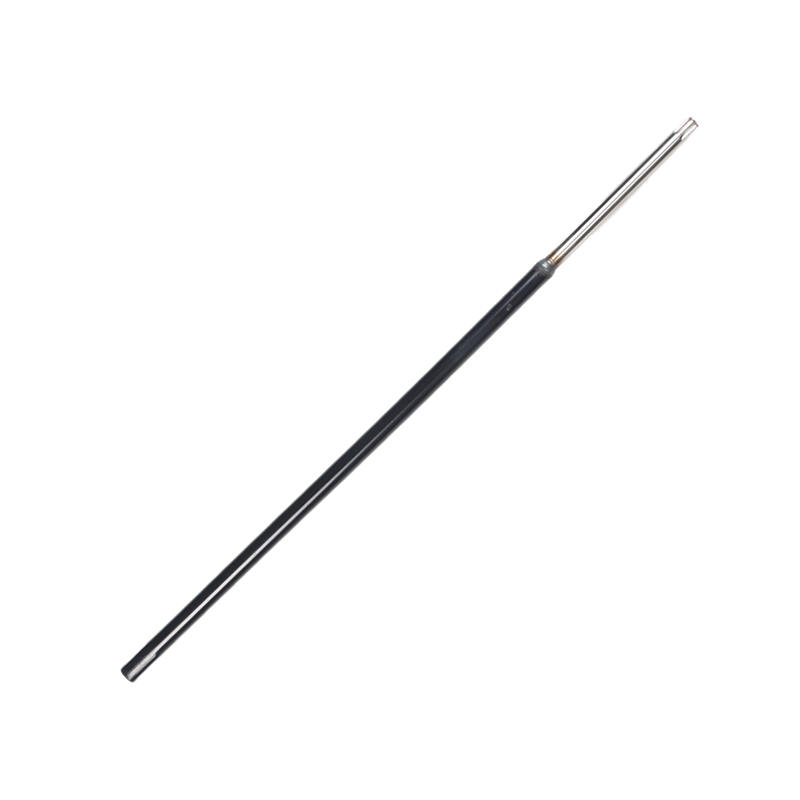
A CV joint, or constant velocity joint, maintains a consistent rotational speed regardless of the drive shaft's angle. This design eliminates torque pulsations during turns or suspension movement, making it ideal for front-wheel-drive vehicles and marine steering systems. Engineers developed CV joints to solve the limitations of traditional universal joints, which cause speed fluctuations at angles greater than 20 degrees.
CV joints typically feature six ball bearings housed in an outer race, connected via a cage to an inner race. They excel in flexibility, allowing up to 45-50 degrees of articulation without speed loss. The ball-and-groove mechanism ensures power flows evenly, even under extreme steering loads. In marine applications, such as outboard motors from Ningbo Gill Transmission Parts Co., LTD., CV joints handle propeller thrust under varying water angles and wave impacts.
Common types include:
- Rzeppa joints: Smooth operation for automotive steering, with 30-degree plunge capability.
- Tripod joints: High plunge capability for axle length changes during suspension travel.
- Double Cardan joints: Fixed-angle marine adaptations, offering stability in sterndrive gimbal housings.
Modern CV joints incorporate advanced materials like hardened chrome-moly steel for balls and cages, extending service life in harsh saltwater environments. Ningbo Gill Transmission Parts Co., LTD. customizes these for boat propulsion, ensuring seamless integration with outboard gears and crankshafts.
A drive shaft, also called a propeller shaft, transfers torque from the engine or transmission to the differential or propeller. It acts as the drivetrain's backbone, spinning at high speeds - often exceeding 5,000 RPM - to deliver rotational power efficiently. Without a reliable drive shaft, engines waste energy through slippage or misalignment.
Crafted from high-strength steel or aluminum alloys, drive shafts feature universal joints (U-joints) at each end for misalignment compensation. Single-piece shafts suit shorter spans, while multi-piece designs with center supports handle longer distances in trucks and large vessels. In marine contexts, Ningbo Gill Transmission Parts Co., LTD. produces robust marine drive shafts for boats, enduring corrosion, vibration, and thrust loads up to 10,000 Nm.
Key specs include:
- Diameters: 2-6 inches for automotive; 4-12 inches for marine heavy-duty.
- Lengths: Custom 1-20 feet, balanced to under 0.5 g/mm for vibration-free operation.
- Supports: Center bearings for long shafts prevent sagging and harmonic resonance.
- Coatings: Epoxy or zinc plating for marine corrosion resistance.
Unlike CV joints, drive shafts prioritize straight-line rigidity over angular flex. They must withstand torsional stresses that twist the shaft up to 5 degrees per meter under peak load. Visual suggestion: Add a photo of a marine drive shaft assembly next to an engine.
Ningbo Gill Transmission Parts Co., LTD. tailors propeller shafts with finite element analysis (FEA) to optimize weight and strength, reducing fuel consumption by up to 10% in commercial fleets.
Feature | CV Joint | Drive Shaft |
Primary Function | Angular power transmission with constant speed | Linear torque delivery from engine to wheels/prop |
Flexibility | High (up to 50° angle without speed loss) | Low (relies on U-joints, <30° max per joint) |
Location | Wheel hubs/axles, steering linkages | Engine to differential/propeller |
Speed Consistency | Constant velocity across full range | Variable with angle changes unless balanced |
Durability | Boots protect grease; fails on tears or contamination | Solid shaft; balanced for vibration, corrosion-resistant |
Marine Use | Steering linkages, gimbal pivots | Propeller shafts, main propulsion |
Cost (USD) | $50-200 per joint | $200-2000+ per shaft, custom marine higher |
Weight | Lightweight (2-5 lbs per joint) | Heavier (20-200 lbs depending on length) |
This table highlights why CV joints suit dynamic motion like sharp turns or wave pitching, while drive shafts handle high-torque paths in straight-line propulsion. CV joints focus on articulation, whereas drive shafts emphasize endurance.
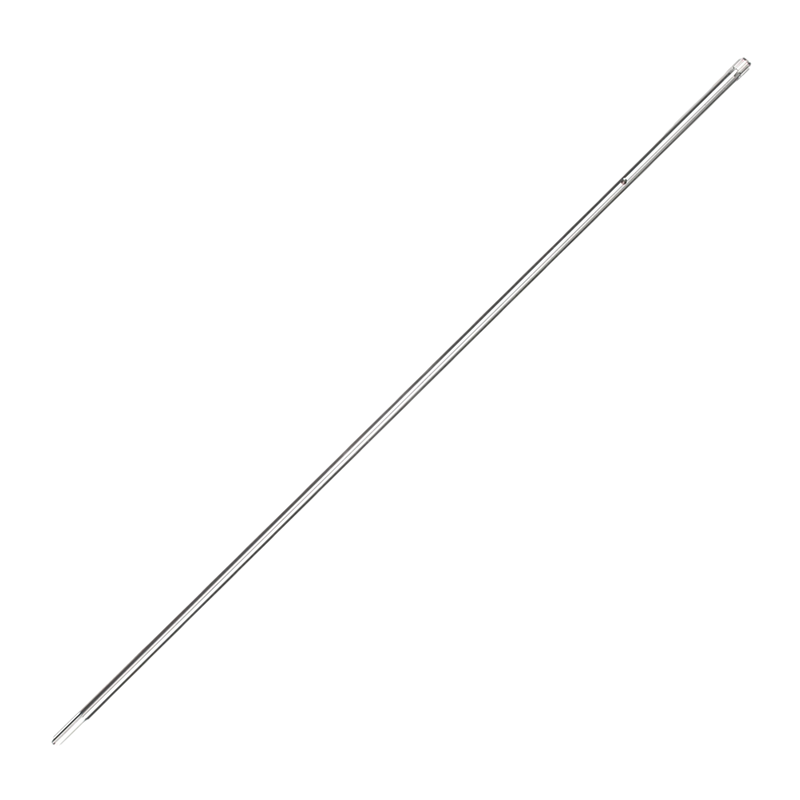
In cars, CV joints enable front-wheel steering without jerking, common in SUVs, sedans, and electric vehicles. They absorb suspension bumps while delivering precise throttle response. Drive shafts power rear-wheel-drive trucks and performance cars, linking gearbox to rear axle with minimal energy loss. Hybrids often pair both for all-wheel-drive efficiency.
For boats, Ningbo Gill Transmission Parts Co., LTD. supplies outboard gears and marine drive shafts for sterndrive systems like MerCruiser or Volvo Penta. CV joints in inboard/outboard (I/O) setups manage propeller gimbal pivots during sharp maneuvers, while drive shafts transmit crankshaft power to props amid wave-induced angles up to 25 degrees.
In 2025, a Ningbo-based fishing fleet upgraded to custom propeller shafts from Gill Transmission, reducing downtime by 35% in South China Sea operations. Vibration dropped 22%, per ISO testing, outperforming stock parts amid saltwater corrosion. The fleet reported 18% fuel savings over 10,000 hours, thanks to precision balancing and alloy upgrades. This real-world example demonstrates how quality drive shafts transform operational reliability.
Practical Steps for Selection:
1. Assess vessel torque needs (e.g., 5000 RPM max, 8000 Nm peak).
2. Select alloy grade (e.g., 4340 steel or Inconel for extreme marine duty).
3. Balance to G2.5 standard using dynamic spin testers.
4. Test under simulated wave loads for 72 hours.
Advantages:
- Smooth turns: No speed variation, ideal for steering.
- Compact for tight spaces like wheel wells.
- Sealed for low maintenance; lifetime grease in premium units.
- Quick replacement without full axle removal.
Disadvantages:
- Boot tears lead to grease loss and rapid failure.
- Higher replacement frequency (every 50k miles or 1000 hours).
- Limited torque capacity (under 500 Nm typical).
- Sensitive to contaminants like sand or saltwater spray.
Advantages:
- High torque capacity: Up to 20,000 Nm in marine applications.
- Durable in straight runs with proper balancing.
- Customizable lengths and splined ends for perfect fit.
- Removable for inspection without system teardown.
Disadvantages:
- Vibration if unbalanced, causing bearing wear.
- Heavier weight impacts fuel efficiency in smaller boats.
- Corrosion in marine without sacrificial anodes or coatings.
- Complex phasing during multi-section installs.
Expert Insight: Per 2026 marine engineering reports, hybrid carbon-fiber drive shafts cut weight 40%, boosting efficiency 15% and top speed by 5 knots in mid-size yachts.
CV joint failures start with subtle clicking on turns, escalating to clunking under acceleration. Torn boots expose joints to dirt, water, and grit, grinding bearings within weeks. Overloading from aggressive steering accelerates cage fractures.
Drive shaft issues include shuddering (worn U-joints), high-pitched whines (imbalance), or oil leaks (failed center support seals). Marine shafts suffer pitting from electrolysis, galvanic corrosion between dissimilar metals, or cavitation erosion near props.
Diagnosis checklist:
- Visual inspection: Check for boot cracks, rust pitting, or weld cracks.
- Auditory tests: Listen for noises under load or during coast-down.
- Vibration analysis: Use dial indicator for shaft runout (<0.010 inches max).
- Thermal scan: Hot spots indicate binding or dry joints.
1. Inspect quarterly: Check boots, U-joints, and shaft straightness with a straight edge.
2. Balance annually: Use S79.2 dynamic setup on a service lathe.
3. Lubricate proactively: Apply marine-grade grease every 100 hours via zerk fittings.
4. Align precisely: Employ laser alignment tools for <0.5° angular error.
5. Protect coatings: Reapply epoxy paint to scratches immediately.
Tools needed: Dial gauge, grease gun, vibration meter. Following this routine saves 20-30% on premature repairs and extends component life by 50%.
1. Safely jack vehicle or boat and support properly.
2. Remove axle nut and hub assembly carefully.
3. Press out old joint using a hydraulic press.
4. Install new joint, refill boot with 100g moly grease.
5. Torque to spec (typically 200-300 Nm) and test articulation.
Time: 1-2 hours per side. Cost: $150-400 including parts and labor.
1. Disconnect flanges and slip yoke from transmission.
2. Slide out shaft; measure for exact successor length.
3. Install new shaft with anti-seize on splines.
4. Torque bolts to 200 Nm and phase align yokes within 2 degrees.
5. Perform dry run test at idle before sea trials.
Ningbo Gill Transmission Parts Co., LTD. offers OEM-grade transmission shafts with 2-year warranties and drop-in compatibility for major brands.
Post-2025 IMO emissions regulations, CV joints now use PVD titanium nitride coatings for 50% longer life against abrasion. Drive shafts integrate fiber-optic sensors for IoT predictive maintenance, forecasting failures 80% accurately via AI algorithms. Electric-hybrid boats demand lightweight composite shafts, slashing inertia losses. Gill's R&D delivers saltwater-resistant nickel-aluminum bronze alloys, proven in 500-hour salt fog trials. Expect 3D-printed prototypes reducing lead times from weeks to days.
Component | Avg. Cost (USD) | Lifespan (Hours/Miles) | Annual ROI | Maintenance Cost/Year |
CV Joint | 100-250 | 50k miles/1000 hours | High (quick fix, low downtime) | $50-100 |
Drive Shaft | 500-5000 | 200k miles/5000 hours | Very High (durable, fleet-scale savings) | $200-500 |
Investing in quality from suppliers like Ningbo Gill yields 2-3x lifespan extension, with ROI realized in under 18 months for commercial operations.
Ready to upgrade your drivetrain? Contact Ningbo Gill Transmission Parts Co., LTD. today for precision marine drive shafts, outboard gears, crankshafts, and custom solutions. Email ada@gilltransmission.com or visit ningbogill.com for a free consultation and quote. Optimize performance, cut downtime, and boost efficiency now!
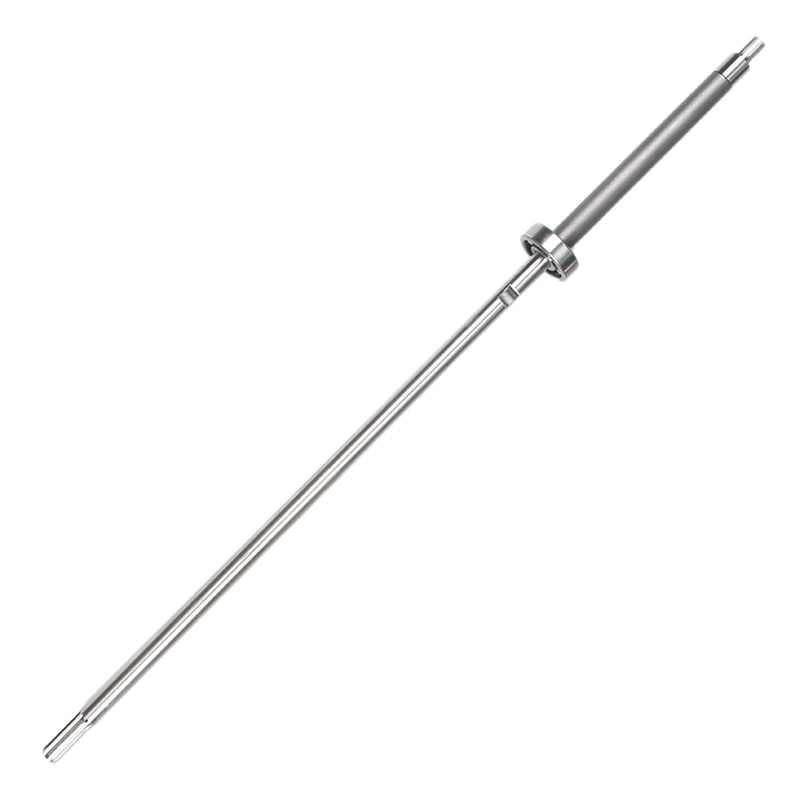
No. CV joints handle angles; drive shafts transfer torque. Use CVs on axles, shafts for main propulsion.
Look for vibrations, whining, or play in U-joints. Balance test confirms.
Marine versions use corrosion-proof alloys and higher thrust ratings for water loads.
Every 40k miles/800 hours; prevents 90% failures.
Yes, tailored propeller shafts and crankshafts for boats, with rapid prototyping.
1. https://www.chste.com/zh/industry.html
2. https://fanyi.taobao.com/en/chuandongzhou_8117/detail-5e052d32a20b35ca539ac822778f4e72.html
3. https://www.transmissionspareparts.com/aboutus.html
4. https://fanyi.taobao.com/en/banzhouqiulong_2418/detail-5fea19c942e4c56a84b3567d33c4dbfa.html
5. http://www.jshsjxzz.com/m/news/401.html
6. https://richconn.com/zh-CN/understanding-transmission-shafts/


