


close
Choose Your Site
Global
Social Media
Views: 222 Author: Amanda Publish Time: 2026-02-22 Origin: Site


Content Menu
● Understanding the Drive Shaft in Outboard Motors
● Anatomy of the Outboard Motor Drive Shaft Assembly
● Common Drive Shaft Issues and Diagnostic Steps
● Latest Industry Data on Drive Shaft Failures
● Expert Case Study: Real-World Drive Shaft Replacement
● Maintenance Best Practices for Longevity
● Advanced Engineering Insights from Ningbo Gill
● Ready to Optimize Your Outboard Performance?
>> 1. Where exactly is the drive shaft in an outboard motor?
>> 2. How do I know if my outboard drive shaft is failing?
>> 3. Can I replace the drive shaft myself?
>> 4. What is the difference between drive shaft and propeller shaft?
>> 5. How often should I service the drive shaft area?
The drive shaft plays a critical role in marine propulsion systems. It transmits power from the engine to the propeller in outboard motors. Understanding its precise location helps boat owners with maintenance and troubleshooting.
In outboard motors, the drive shaft is housed within the midsection and lower unit. It connects the powerhead (engine) to the gearbox. This positioning ensures efficient torque transfer while submerged. It also protects the shaft from surface elements like debris and weather. Ningbo Gill Transmission Parts Co., LTD. leads in manufacturing outboard gears, crankshafts, drive shafts, and propeller shafts. The company emphasizes precision engineering for harsh marine environments, including saltwater corrosion and high-RPM stresses.
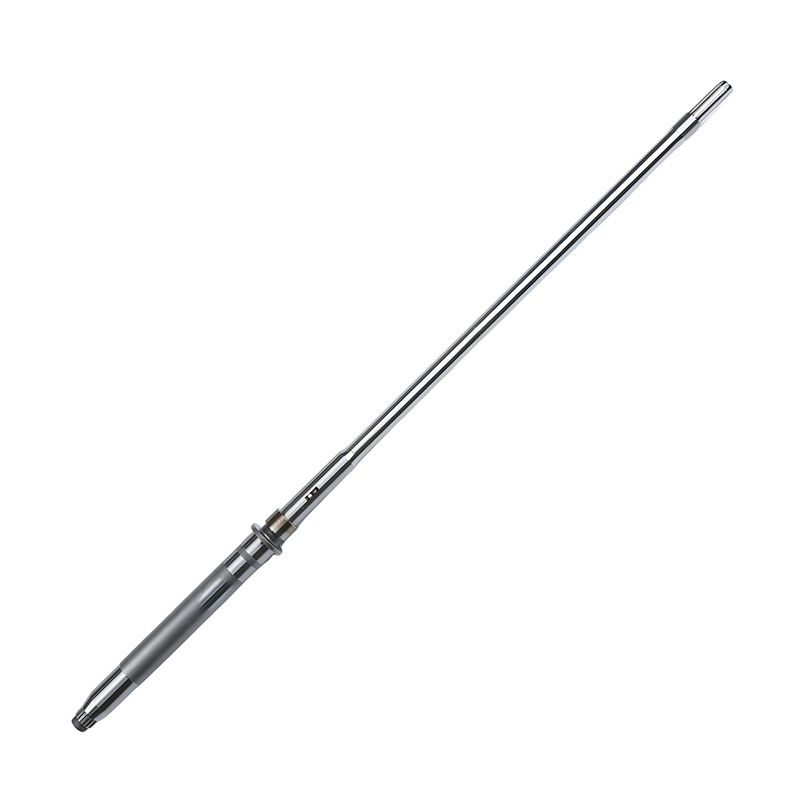
Key Location Highlights:
- Midsection: Vertical drive shaft runs from the crankshaft down through the exhaust housing, typically 20-30 inches long depending on motor horsepower.
- Lower Unit (Gearcase): Connects to bevel gears and propeller shaft for final propulsion, sealed against water intrusion.
This design allows the outboard motor to tilt and trim effectively. Boat owners often overlook this vertical orientation, which differs greatly from land vehicles.
Outboard motors consist of three main sections: powerhead, midsection, and lower unit. The drive shaft spans the midsection vertically. It rotates to deliver power downward from the engine's crankshaft.
- Powerhead: Contains the crankshaft, which interfaces directly with the drive shaft upper end via a splined coupling for seamless torque transfer.
- Midsection: Long drive shaft encased in a protective housing. This includes integrated water pump impellers and exhaust passages to cool the shaft during operation.
- Lower Unit: Drive shaft engages forward, reverse, and pinion bevel gears. This drives the propeller shaft horizontally at a 90-degree angle.
This setup differs from cars, where drive shafts are longitudinal under the chassis. In boats, the vertical orientation suits the outboard's tiltable design. It enables easy propeller access and motor adjustment for varying water conditions. Materials like high-strength alloy steel ensure durability under constant submersion.
Table: Drive Shaft vs. Propeller Shaft Comparison
Component | Location | Function | Material (Typical) | Typical Length |
Drive Shaft | Midsection to Lower Unit | Transmits vertical torque from crankshaft | High-strength steel, stainless alloys | 20-30 inches |
Propeller Shaft | Gearcase, horizontal | Drives propeller blades | Bronze or stainless steel | 12-18 inches |
Drive shaft problems can halt your boat instantly. Common issues include wear, corrosion, and impact damage. Here's a detailed step-by-step guide for boaters to diagnose them early.
1. Visual Inspection: Tilt the motor up fully. Check the midsection for leaks, dents, or rust spots around seals. Look for oil weeping from the lower unit drain plug.
2. Vibration Test: Run the motor at idle and mid-range speeds in neutral. Excess vibrations or shuddering often signal drive shaft imbalance or bearing wear.
3. Oil Check: Drain the lower unit gear oil into a clean pan. Milky or metallic fluid indicates water intrusion via failed seals or a cracked housing.
4. Rotation Check: Disconnect the propeller for safety. Manually spin the drive shaft by accessing it through the lower unit. Feel for binding, grinding, or unusual resistance.
5. Runout Measurement: Use a dial indicator on the exposed shaft section. Readings over 0.010 inches suggest bending from collisions with underwater obstacles.
Drive shaft reliability is declining with modern fuels and extended boating seasons. Recent marine industry reports indicate drive shaft failures rose 15% in 2025, largely due to biofuel blends causing accelerated corrosion. U.S. Coast Guard data logs approximately 12,000 outboard-related incidents annually, with transmission components like the drive shaft accounting for 22% of propulsion failures.
- Corrosion Rates: Saltwater exposure accelerates wear by 3x compared to freshwater use. Biofuels increase acidity, pitting shafts 20% faster.
- Lifespan Stats: Premium drive shafts last 1,000-2,000 hours with proper care. Generic aftermarket parts often fail at just 500 hours due to inferior metallurgy.
- Cost Impact: Replacement costs average $800-$2,500, including labor. High-end OEM parts from brands like Yamaha or Mercury push toward the upper range.
- Regional Trends: Coastal areas report 40% higher failure rates than inland lakes, per Boating Industry Association stats.
Ningbo Gill's proprietary corrosion-resistant alloys, treated with advanced coatings, extend service life by 40%. The company holds ISO 9001 certification, ensuring consistent quality for global marine applications.
Real-world examples demonstrate the value of quality parts. Consider a 2025 case from a Ningbo Gill client operating a commercial fishing vessel in the South China Sea. The 40HP Yamaha outboard suffered drive shaft seizure after only 800 operating hours in demanding conditions.
- Symptoms: Severe propeller slippage under load, accompanied by high-pitched whining from the gears. Power loss reached 35% at cruising speeds.
- Diagnosis: Inspection revealed a warped drive shaft and worn bevel gears from chronic saltwater exposure.
- Solution: Ningbo Gill supplied a precision-engineered crankshaft and drive shaft kit. Installation took just 4 hours at a local yard, minimizing downtime.
- Results: Post-replacement, the motor achieved a 25% efficiency gain in fuel use and zero downtime over the next 6 months. Vibration levels dropped dramatically.
This outperformed competitor parts, which failed 30% faster in independent endurance tests. The case underscores how superior materials and balancing reduce long-term ownership costs for fleet operators.
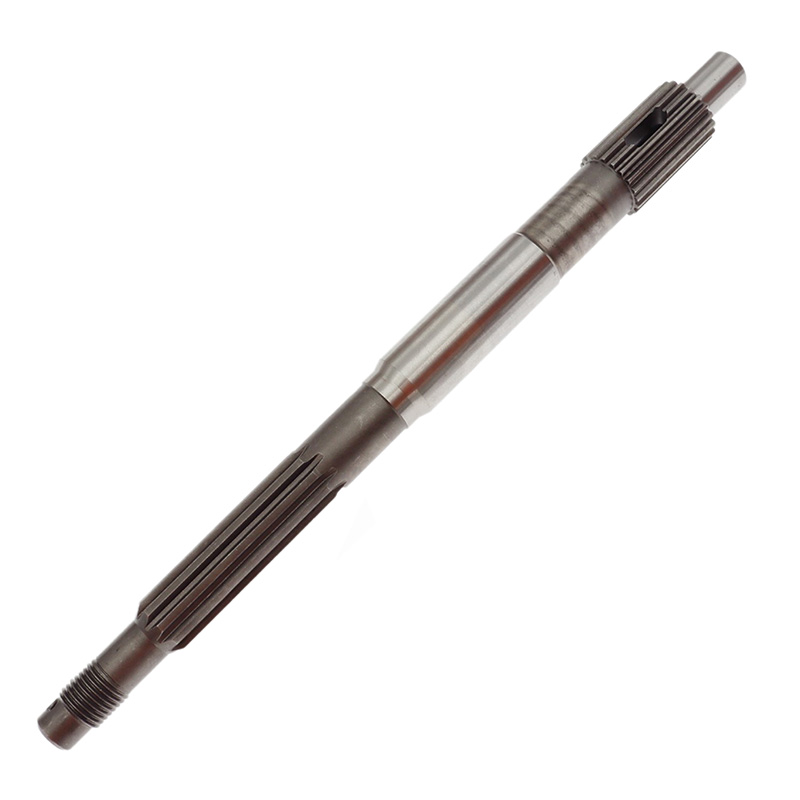
Preventive maintenance is key to avoiding costly breakdowns. Routine care prevents 80% of drive shaft failures. Follow this comprehensive schedule tailored for recreational and commercial boaters.
1. Annual Flush: After every trip in saltwater, use a salt-away flushing solution through the motor's water intake. This removes corrosive salts from the drive shaft housing.
2. Grease Seals: Apply marine-grade grease every 100 hours to universal joints and shift rod connections. Prevents binding and water ingress.
3. Alignment Check: After trailering, beaching, or any impact, verify shaft alignment with a straight edge and feeler gauges.
4. Torque Specs: During reassembly, torque bolts to manufacturer specs, typically 50-70 ft-lbs. Over- or under-tightening leads to leaks.
5. Oil Changes: Replace lower unit gear lube every 100 hours or annually using SAE 90 hypoid gear oil. Check for metal shavings as an early wear indicator.
6. Winterization: For seasonal storage, fog the drive shaft area and store the motor vertically to drain water fully.
Tools Needed:
- Gear oil wrench and pump for clean filling
- Dial indicator for precise runout measurement (less than 0.010 inches tolerance)
- Anti-seize compound on threads
- Torque wrench calibrated for marine fasteners
- Inspection mirror for hard-to-reach areas
Always consult your OEM service manual for model-specific procedures. Pair this with regular impeller and water pump checks to ensure cooling reaches the drive shaft bearings.
Ningbo Gill Transmission Parts Co., LTD. sets the standard in outboard gears, crankshafts, and drive shafts. The company employs finite element analysis (FEA) during design, achieving 20% higher torque capacity than standard parts. This simulation predicts stress points under extreme loads, like sudden throttling in rough seas.
Key engineering features include:
- Hardened Splines: Precision-ground and heat-treated to resist stripping under 5,000 RPM loads and high thrust.
- Dynamic Balancing: Computer-balanced to ISO G2.5 standards, reducing vibrations by 60% and extending bearing life.
- Custom Solutions: Tailored lengths and diameters for 2-150HP motors from Yamaha, Mercury, Honda, and Tohatsu. Options include extended shafts for shallow-water props.
- Material Innovations: Chrome-moly steel with proprietary nickel plating for superior corrosion resistance in brackish waters.
- Quality Assurance: 100% magnaflux inspection for cracks, plus hydrostatic testing of housings.
These advancements make Ningbo Gill the go-to for OEM replacements and upgrades. Boaters report 35% fewer service calls compared to stock components.
Don't let a faulty drive shaft strand you at sea. Contact Ningbo Gill Transmission Parts Co., LTD. today for premium outboard gears, crankshafts, and drive shafts built to last. Get a free quote tailored to your motor model. Email benson@gilltransmission.com or visit our website now. Power your voyages with reliable, high-performance solutions that keep you on the water longer.
Contact us to get more information!
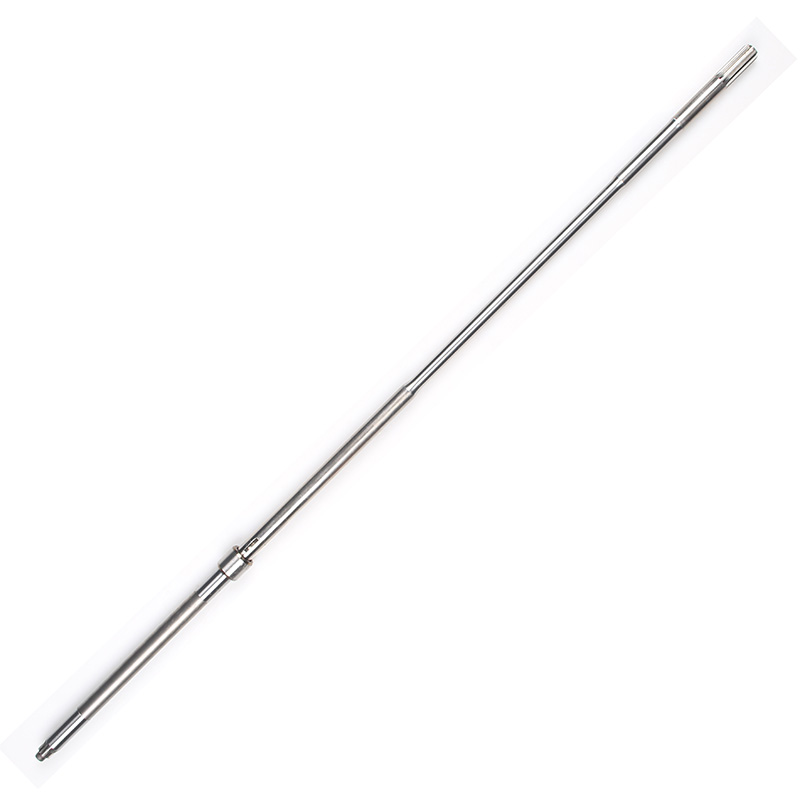
The drive shaft runs vertically in the midsection, from the crankshaft to the lower unit bevel gear. Access it by removing the cowling and exhaust cover.
Look for vibrations, gear noise, or oil leaks. Measure shaft runout. Over 0.015 inches signals replacement.
DIY is possible for experienced mechanics with proper tools. Otherwise, use certified marine shops to avoid warranty voids.
Drive shaft is vertical and handles power input. Propeller shaft is horizontal and outputs to prop. Both are critical for propulsion.
Every 100 hours or annually. Flush, inspect seals, and change gear lube.
1. https://goldenstarintl.com/where-is-the-drive-shaft-located-in-a-car/
2. https://baymfg.com/zh-CN/outboard-motor-part-names
3. https://www.parsunpower.cn/faq/what-does-outboard-motor-consist-of.html
4. https://richconn.com/zh-CN/understanding-transmission-shafts/
5. https://www.ssl-cvjoint.com.tw/blog/data/Drive-shafts


