


close
Choose Your Site
Global
Social Media
Views: 222 Author: Gill Transmission Parts Publish Time: 2026-06-24 Origin: Site


Content Menu
● What Is Gear Wear in Outboard Gears?
>> Typical Causes of Gear Wear in Marine Applications
>> Visual and Dimensional Signs of Gear Wear
● What Is Gear Pitting in Outboard Gears?
>> Root Cause: Surface Fatigue Under Cyclic Load
>> How Gear Pitting Looks on Outboard Gears
● Gear Wear vs Gear Pitting: Key Differences at a Glance
● How to Identify Gear Wear vs Gear Pitting in Outboard Gearboxes
>> Step-by-Step Inspection Procedure
>> Decision Rules Our Experts Use
● Industry Expert View: Why Pitting Is More Dangerous Than Wear
>> How Pitting Leads to Bigger Failures
>> Wear as a Predictable Life Indicator
● Practical Prevention Strategies for Gear Wear and Pitting
>> Material and Heat Treatment Quality
>> Lubrication and Oil Management in Outboard Units
>> Operating Practices That Minimize Damage
● Outboard Gear Wear vs Gear Pitting in Real Marine Use Cases
>> Case 1 – High-Hours Charter Boat With Predominant Wear
>> Case 2 – Recreational Boat With Localized Pitting After Overloading
● How to Communicate Gear Condition With Your Supplier or OEM
>> Information to Prepare Before You Contact Support
● When Should You Replace an Outboard Gear? Expert Guidelines
>> Practical Replacement Thresholds
● Why Choosing a Specialized Outboard Gear Manufacturer Matters
>> Benefits of Working With a Dedicated Marine Gear Specialist
● Action Steps: Protecting Your Outboard Gears From Wear and Pitting
● Call to Action: Get Expert Support for Your Outboard Gears
● FAQs: Gear Wear vs Gear Pitting in Outboard Gears
Gear wear and gear pitting are two of the most common, and most misunderstood, failure modes in outboard gears and marine transmissions. Understanding the difference is not just a theoretical topic; it directly determines whether you can safely keep a gearbox in service, schedule maintenance, or must replace critical parts before a costly breakdown on the water. [3cst]
When you work with outboard lower units every day, as our team has done for nearly three decades, you quickly learn that no two gear failures look exactly the same. Yet, across thousands of inspections, most issues fall into a few recognizable patterns: gradual gear wear, surface pitting, scuffing, or catastrophic breakage. In this article, I will walk you through gear wear vs gear pitting from a hands-on, marine-industry expert perspective, focusing on outboard gears and small marine gearboxes. [chinaxiasha]
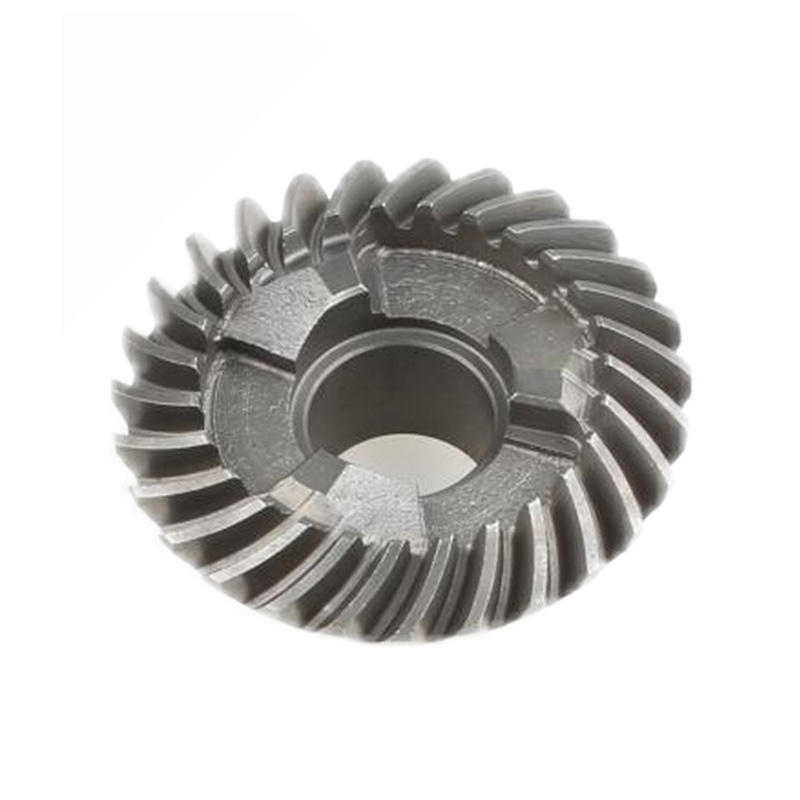
Gear wear is the gradual loss of material from the tooth surface or profile due to long-term operation, lubrication conditions, and load cycles. In outboard gearcases, this typically appears as a smooth polishing or uniform thinning of the tooth flanks rather than isolated craters. [sohu]
In real-world outboard use, we see gear wear driven by several recurring factors: [sohu]
- Long-term service at moderate load with no major lubrication failures
- Slight misalignment between pinion and forward/reverse gears
- Use of lower-quality or contaminated gear oil over many seasons
- Micro-abrasive particles from corrosion or previous damage circulating in the oil
Unlike sudden failures, wear is slow and predictable, which is why it can be managed with inspection intervals and oil analysis. [sohu]
From an inspection standpoint, you can usually recognize gear wear by: [sohu]
- Uniform polishing of the working flanks, often in the direction of sliding
- Slight rounding of the tooth tip or edge, but without discrete pits
- Loss of the original grinding marks across a wide contact band
- Progressive change in backlash or contact pattern under blueing test
In professional overhaul work, we also track wear using profile measurements and backlash checks across multiple service intervals. When values drift beyond the manufacturer's tolerance, we recommend replacement even if the surface still looks "good enough" to the naked eye. [3cst]
Gear pitting is a surface fatigue phenomenon where repeated contact stress causes small pieces of material to break away, forming pits or craters on the tooth surface. Unlike uniform wear, pitting is localized and often progresses quickly once initiated. [3cst]
Outboard gears operate under high cyclic torque, rapid acceleration, and frequent shock loads from waves, hard shifts, and emergency maneuvers. Under repeated contact stress, the material just below the surface experiences micro-cracks. When these cracks propagate to the surface, small fragments detach, leaving a pit. [kuka]
Key drivers we see in marine gear pitting include: [sohu]
- Localized overload (for example, heavy acceleration with oversized propellers)
- Misalignment or poor contact pattern concentrating stress on a small area
- Inadequate or incorrect viscosity gear oil leading to boundary lubrication
- Surface hardness inconsistencies from heat treatment or grinding errors
Once pitting starts, stress concentrates around each pit edge, accelerating further damage. [3cst]
In workshop conditions, pitting has a very distinct appearance: [sohu]
- Small, crater-like depressions on the tooth flank, often shiny around the edges
- Pits concentrated in the main contact zone, not uniformly across the tooth
- In advanced stages, pits merge into larger spalled areas with rough, dull texture
- Sometimes accompanied by metallic debris in drained oil and on magnetic plugs
Technicians often mistake early pitting for "normal wear". However, pitting is a red flag for surface fatigue and usually signals the beginning of accelerated failure. [3cst]
From a maintenance and reliability standpoint, being able to tell these two apart quickly is essential. [sohu]
| Aspect | Gear wear (outboard gears) (sohu) | Gear pitting (outboard gears) (3cst) |
|---|---|---|
| Failure mechanism | Gradual material removal from sliding and micro-abrasion | Surface fatigue under repeated contact stress |
| Visual appearance | Smooth, polished tooth flanks, uniform | Discrete pits or craters, localized damage |
| Progression speed | Slow and predictable over long hours | Often accelerates once pits appear |
| Main risk | Loss of accuracy, noise, reduced efficiency | Rapid surface breakdown, risk of tooth fracture |
| Oil contamination | Fine, low-volume debris over time | Noticeable metallic particles and flakes |
| Manageability | Often acceptable within tolerance | Usually requires corrective action or replacement |
| Typical root causes | Long service time, moderate misalignment, mild contamination | Overload, misalignment, poor lubrication, hardness issues |
This comparison also explains why pitting is usually more serious for gearbox life than normal wear, even if the actual amount of lost material looks smaller. [3cst]
From a user and technician perspective, the core question is: What should I look for, and what does it mean for service decisions? [sohu]
When we inspect outboard gears in our facility, we typically follow a structured process that small workshops can adapt:
1. Drain and inspect the oil
- Look for metallic particles, color change, or water contamination. [sohu]
- Fine, dark particles with no obvious flakes usually indicate normal wear. [sohu]
- Shiny flakes or granular metallic debris can signal pitting or spalling. [3cst]
2. Clean the gears thoroughly
- Use appropriate cleaning fluid and avoid abrasive brushing.
- Dry completely so that small pits or cracks are not hidden by oil film. [3cst]
3. Perform a visual and tactile check
- For wear: feel for smooth, even surfaces and gradual polishing. [sohu]
- For pitting: gently drag a fingernail across the flank and check for micro-craters. [3cst]
4. Check contact pattern and backlash
- Apply marking compound to assess tooth contact. [sohu]
- Uneven, edge-loaded patterns correlate strongly with pitting risk. [3cst]
5. Document and compare over time
- Photograph gears at each service interval.
- Keep simple notes on hours run, engine load, and oil type. [sohu]
Even for small fleets, this disciplined approach turns subjective "looks okay" judgments into data-driven maintenance decisions.
From an expert perspective, we recommend the following rules of thumb for outboard gears: [sohu]
- Predominantly uniform wear, no pits, dimensions within tolerance
- Continue operation, but adjust inspection frequency if wear is trending.
- Isolated early pitting (light, localized)
- Investigate root cause (lubrication, alignment, load).
- Consider continued use with reduced interval and planned replacement. [3cst]
- Widespread or deep pitting, multiple pits merging
- Plan for gear replacement; risk of sudden failure increases sharply. [3cst]
- Associated noise, vibration, or sudden oil contamination
- Stop operation and perform full teardown; do not ignore early field symptoms. [sohu]
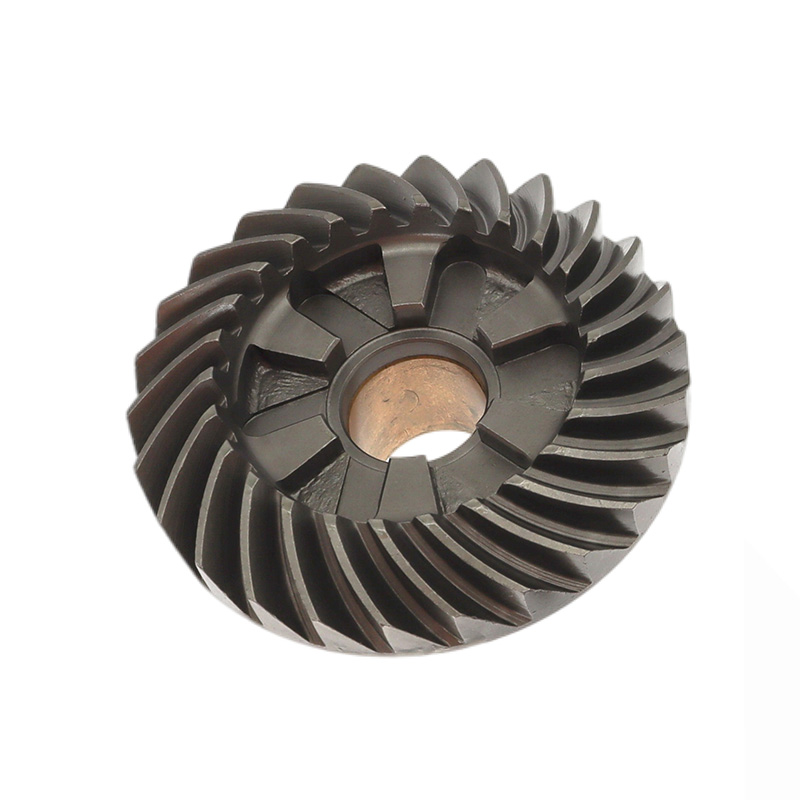
From our experience working with high-load marine gears, pitting is not just another cosmetic defect. It is a front-end signal of fatigue failure. [3cst]
Once surface pits form, the gear no longer shares load across a healthy contact area. Instead, load becomes concentrated on edges and remaining high spots, which raises local stress even further. This often leads to: [3cst]
- Propagation of subsurface cracks toward the root
- Larger chunks breaking away (spalling)
- Increased noise and vibration under load [sohu]
In severe cases, we have seen outboard gears with advanced pitting progress to tooth chipping or full tooth breakage, usually preceded by abnormal noise that users initially ignored. [sohu]
By contrast, gradual wear is often considered part of normal life consumption for gears. As long as tooth geometry and backlash stay within limits, the gearbox can remain in service. Many OEM and industrial standards actually specify allowable wear limits, while treating pitting as a more immediate cause for replacement. [3cst]
For fleet operators, this distinction helps optimize total cost of ownership: replace gears because of advancing pitting, not simply because they have been in service for a fixed number of hours.
The best outboard gears are not just made well; they are operated and maintained correctly. [sohu]
Modern marine gears use alloy steels with controlled carburizing and hardening processes to resist pitting and wear. Critical factors include: [3cst]
- Appropriate surface hardness and case depth to resist fatigue
- Smooth, precision-ground tooth flanks to minimize stress raisers
- Consistent microstructure to avoid weak spots under cyclic load
As a manufacturer, we invest heavily in process control, testing, and inspection to ensure every gear meets these demands before it ever goes into an outboard gearcase. [chinaxiasha]
Even the best gear material will fail early with poor lubrication practices. For outboard gearboxes, we recommend: [3cst]
- Using OEM-specified marine gear oil with correct viscosity and EP additives
- Regularly checking for water ingress through seals (milky oil is a warning sign) [sohu]
- Changing oil at or before recommended intervals, especially in harsh conditions
- Sampling oil for analysis in commercial fleets to detect early pitting or abnormal wear
Proper lubrication significantly reduces both abrasive wear and surface fatigue, extending gear life and preserving performance. [3cst]
From the user side, a few habits make a big difference: [sohu]
- Avoid repeated full-throttle starts with heavy loads or oversized propellers
- Do not shift aggressively between forward and reverse at high RPM
- Reduce prolonged operation at extreme top speed in heavy seas
- Respect break-in procedures for new gears and rebuilt gearcases
These practices lower peak loads and shock events, which in turn reduce pitting risk without sacrificing normal performance.
Adding real-world context helps technicians and buyers understand how theory turns into practical decisions.
A coastal charter operator runs multiple outboards for 1,000–1,500 hours per year, with well-planned maintenance and correct oil. After several seasons, inspection shows smooth, uniform wear but no pitting or spalling. [3cst]
In this situation, we typically:
- Confirm backlash and tooth geometry are within tolerance
- Recommend continued operation with shorter inspection cycles
- Plan a preventive replacement aligned with off-season overhaul
This case illustrates how controlled wear can be acceptable and manageable in high-utilization fleets.
A private user upgrades to a larger propeller and frequently runs at full throttle in rough water. Within a few seasons, the gearbox begins to emit slight whining noise under heavy load. On teardown, inspection reveals localized pitting on the drive side of the pinion gear. [3cst]
Best practice here is to:
- Replace the affected gears and check for bent shaft or misalignment
- Review propeller sizing and loading with the user
- Educate on operating habits to avoid repeating the same damage
This example shows how pitting can appear relatively early in service when operating conditions exceed the original design envelope.
Clear communication with your gear supplier improves both technical support and warranty evaluation.
When you contact a professional gear manufacturer or aftermarket supplier about suspected wear or pitting, prepare: [sohu]
- High-resolution photos of the gears from multiple angles
- A short description of operating conditions (hours, load, environment)
- Details on oil type, change interval, and any contamination findings
- Noise, vibration, or performance symptoms observed before teardown
This structured information allows experts to quickly distinguish between normal wear, pitting, scuffing, or other defects, and provide targeted recommendations.
Ultimately, identifying wear vs pitting leads to one key decision: continue using the gear or replace it.
While exact limits vary by OEM and classification standards, a practical, experience-based framework is: [3cst]
- Normal wear only, within tolerance
- Monitor, continue operation, consider replacement at next major overhaul.
- Early pitting on non-critical area
- Investigate causes, adjust operation, plan near-term replacement.
- Pitting in main contact zone, or any sign of spalling
- Prioritize replacement to avoid secondary damage to shafts and bearings.
- Visible tooth cracking, large pits, or chunk loss
- Immediate replacement and full system inspection required.
For operators who cannot afford unexpected downtime, we recommend a conservative approach when progressive pitting is detected.
The difference between acceptable wear and early, aggressive pitting is strongly influenced by gear design, material, and process control. [3cst]
A manufacturer that focuses on outboard gears and marine power transmission can offer: [chinaxiasha]
- Application-specific materials and heat treatment tailored to marine loads
- Optimized tooth geometry to balance efficiency, noise, and durability
- Rigorous inspection standards for surface finish and hardness
- Engineering support to analyze field failures and operating conditions
For boat builders, service centers, and distributors, partnering with such a specialist helps ensure that every gearbox shipped to end users has maximized resistance to both wear and pitting.
To turn all of this into actionable steps, you can adopt a simple checklist in your workshop or fleet:
1. Standardize oil management
- Use correct marine gear oil and monitor for contamination. [sohu]
2. Introduce routine visual inspections
- Check gears during scheduled overhauls, not just when a failure occurs. [sohu]
3. Document and trend gear condition
- Record wear patterns, any pitting, and operating hours. [3cst]
4. Train technicians on failure modes
- Make sure everyone can visually distinguish wear vs pitting. [sohu]
5. Engage with specialized suppliers
- When in doubt, share photos and data with an experienced manufacturer for professional evaluation. [chinaxiasha]
By following these steps, you significantly extend the life of your outboard gear sets, reduce unplanned downtime, and improve safety for every trip.
If you are seeing unusual patterns on your gear teeth and are not sure whether it is normal wear or harmful pitting, do not wait until a failure happens on the water. Work with a dedicated outboard gear specialist that can help you analyze your photos, operating profile, and oil condition, then recommend the right replacement parts or design optimization for your application. Taking action at the first sign of pitting is often the fastest way to protect your equipment investment and your reputation with end users. [chinaxiasha]
Q1: Is all visible gear wear a sign that I must replace the gear?
Not necessarily. Normal, uniform wear that stays within the manufacturer's dimensional tolerance is often acceptable and can be monitored over time, especially in high-hour fleets. [sohu]
Q2: Can gear pitting be repaired, or must the gear always be replaced?
Minor pitting can sometimes be monitored, but once pitting expands in the main contact zone, replacement is usually the safest option to avoid sudden failure and secondary damage. [3cst]
Q3: How often should I inspect outboard gears for wear and pitting?
Inspection intervals depend on hours, load, and environment, but many commercial operators align gear inspections with annual overhauls or set intervals based on engine-hours. [sohu]
Q4: Does using higher-grade oil eliminate gear pitting?
Quality oil reduces risk but cannot fully compensate for overload, misalignment, or material issues. Lubrication is one element in a system that includes design, material, and operating practice. [3cst]
Q5: What early symptoms in operation might suggest pitting rather than wear?
New or increasing whining noise under load, vibration, and the presence of shiny metallic flakes in drained oil are classic early-field indicators of pitting or spalling. [sohu]
1. 一文熟悉人形机器人运动控制之魂:滚珠丝杠&行星滚柱丝杠. https://3cst.cn/Information/info/06js14HhZKT611ea8d6300163e0473d8
2. “2017年度中国齿轮十大品牌总评榜”荣耀揭晓. https://www.chinaxiasha.com/news/5?lang=zh-cn
3. 【供应链】汽车金属齿轮配套供应商汇总. https://www.sohu.com/a/283132110_180520
4. 动力总成的装配和测试系统 – KUKA. https://www.kuka.com/zh-my/industries/automotive/montage--und-testsysteme


