


close
Choose Your Site
Global
Social Media
Views: 222 Author: Gill Transmission Parts Publish Time: 2026-06-25 Origin: Site


Content Menu
● What Do We Mean by Broken vs Worn Outboard Gears?
● Expert Overview: Why Premature Gear Failure Happens in Outboard Motors
● Visual and Technical Symptoms: Broken vs Worn Gears
>> How Broken Outboard Gears Typically Look and Sound
>> How Worn Outboard Gears Reveal Themselves
● Root Causes of Broken Outboard Gears
>> Shock Loading and Impact Events
>> Misalignment, Assembly Errors, and Component Mismatch
>> Material Defects and Inadequate Heat Treatment
● Root Causes of Worn Outboard Gears
>> Lubrication Breakdown and Contamination
>> Chronic Overload and Improper Propeller Selection
>> Misalignment and Bearing Wear Leading to Progressive Wear
● Broken vs Worn Gears: Practical Comparison for Owners and OEMs
>> Failure Mode Comparison Table
● How a Specialist Manufacturer Diagnoses Premature Failure
>> Structured Failure Analysis Workflow
>> What This Means for End Users
● Practical Maintenance Steps to Prevent Premature Gear Failure
>> Routine Checks Boat Owners Should Not Skip
>> Choosing the Right Replacement Outboard Gears
● Industry Trend Insight: Higher Power Density, Higher Gear Stress
● When to Suspect Broken vs Worn Gears – A Quick Field Checklist
● Call to Action: Reduce Your Outboard Gear Failure Risk
● FAQs: Broken vs Worn Outboard Gears
Outboard gear failures almost never happen "out of nowhere" – they are usually the result of a clear pattern of mechanical stress, lubrication issues, or installation mistakes building up over time. In this article, we compare broken outboard gears vs worn gears from both a user and manufacturer perspective, and explain how a specialist supplier like Ningbo Gill Transmission Parts Co., Ltd. with 29 years of experience approaches root‑cause analysis and prevention. [bilibili]
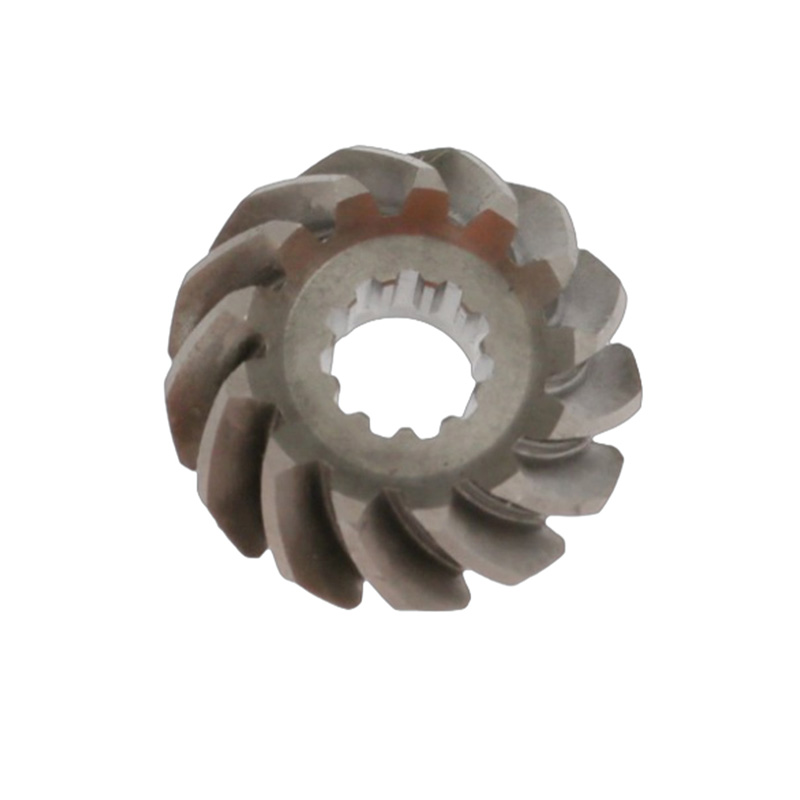
From a service and engineering standpoint, "broken" and "worn" gears describe two very different failure modes. Understanding this distinction is the first step to preventing premature failure in outboard lower units. [yooopaaa]
- Broken outboard gears
- Sudden, catastrophic damage (e.g., chipped, cracked, or completely sheared teeth). [ready-market]
- Often linked to impact loads, shock, or severe misalignment. [ready-market]
- Typical result: Immediate loss of drive, noisy grinding, or total lock‑up.
- Worn outboard gears
- Gradual loss of tooth material: pitting, polishing, micro‑spalling, or scuffing. [ready-market]
- Mainly linked to lubrication, contamination, and long‑term overload. [yooopaaa]
- Typical result: Increasing noise, vibration, backlash, and efficiency loss before final failure.
Boat owners usually only see the final symptom ("my outboard stopped pushing the boat"), but gear manufacturers and OEMs focus on the underlying load history, lubrication regime, and design margins to differentiate these modes. [bilibili]
In theory, well‑designed and correctly operated outboard gearbox sets should reach their designed service life before major failure. Premature failure happens when real‑world conditions exceed what the gears are designed and manufactured to withstand. [yooopaaa]
Key accelerators of early failure include:
- Repeated full‑throttle acceleration with heavy loads. [yooopaaa]
- Running in shallow or debris‑filled water (impact and shock loading). [ready-market]
- Poor or irregular gear oil changes and wrong lubricant choice. [yooopaaa]
- Substandard or incompatible replacement gears and seals. [bilibili]
For a specialist outboard gear supplier, the goal is not only to produce high‑precision hardened gears, but also to help customers minimize these field stresses through better component selection and maintenance. [bilibili]
When a gear breaks, the symptoms are usually dramatic and hard to ignore. [ready-market]
Common indicators:
- Sharp, irregular fractures on individual teeth or complete tooth loss. [ready-market]
- Localized damage on the drive side of the tooth after a single overload event. [ready-market]
- Sudden loud *bang*, followed by grinding or complete loss of propulsion.
- Metal fragments in the gear oil, sometimes visible on the drain plug magnet. [yooopaaa]
From the user side, broken gears often follow:
- Hitting an underwater object at speed.
- Aggressive gear shifting at high RPM.
- Mis‑matched components after non‑OEM repairs. [yooopaaa]
From the manufacturer's perspective, broken tooth analysis focuses on fracture origin, direction of crack propagation, and impact marks, often using microscopic inspection and hardness checks. [ready-market]
Worn gears fail silently at first, then progressively. [ready-market]
Typical symptoms include:
- Polished, mirror‑like tooth flanks where normal contact has turned into micro‑sliding wear. [ready-market]
- Pitting near the pitch line because of surface fatigue under cyclic load. [ready-market]
- Increased gear backlash and whine, especially under light load or at certain RPM.
- Dark, contaminated gear oil filled with fine metallic particles. [yooopaaa]
For experienced technicians and suppliers, the pattern and location of wear provide strong clues about alignment, load, and lubrication condition over time. [ready-market]
The most common cause of suddenly broken gears in outboard drives is shock loading. [ready-market]
Typical real‑world scenarios:
- Striking rocks, logs, or sandbars at planing speed.
- Propeller suddenly fouled by lines, weeds, or nets.
- Full‑throttle gear engagement instead of shifting at idle. [yooopaaa]
Gears are designed with a given static and dynamic load capacity, but these impact spikes can be several times higher than the design torque, resulting in instant tooth fracture. [ready-market]
For a producer with decades of experience, this leads directly into recommendations on gear tooth profile optimization, material selection, and heat treatment to increase toughness without sacrificing hardness. [ready-market]
Outboard lower units rely on precise alignment between drive shaft, pinion, and forward/reverse gears. When service or replacement is done with poor tolerances or mixed components, the load can concentrate on a small portion of the tooth instead of the intended contact pattern. [ready-market]
High‑risk conditions:
- Mixing different production batches without proper backlash checks.
- Using non‑matched aftermarket gears with incorrect helix or pressure angle. [yooopaaa]
- Incorrect shimming, bearing preload, or worn carrier housings. [ready-market]
As an OEM‑oriented supplier, Ningbo Gill Transmission Parts can support customers with matched gear sets, controlled tolerances, and application‑specific design, reducing the chances of breakage from misalignment. [bilibili]
Although less common in mature factories, material and process issues can still contribute to breakage. [ready-market]
Potential contributors:
- Inclusions or micro‑cracks in the steel.
- Insufficient case depth or uneven hardening.
- Decarburization or over‑tempering during heat treatment. [ready-market]
A manufacturer with 29 years of expertise uses controlled steel sourcing, precision carburizing, and 100% inspection on critical gears to catch these defects before shipment. [ready-market]
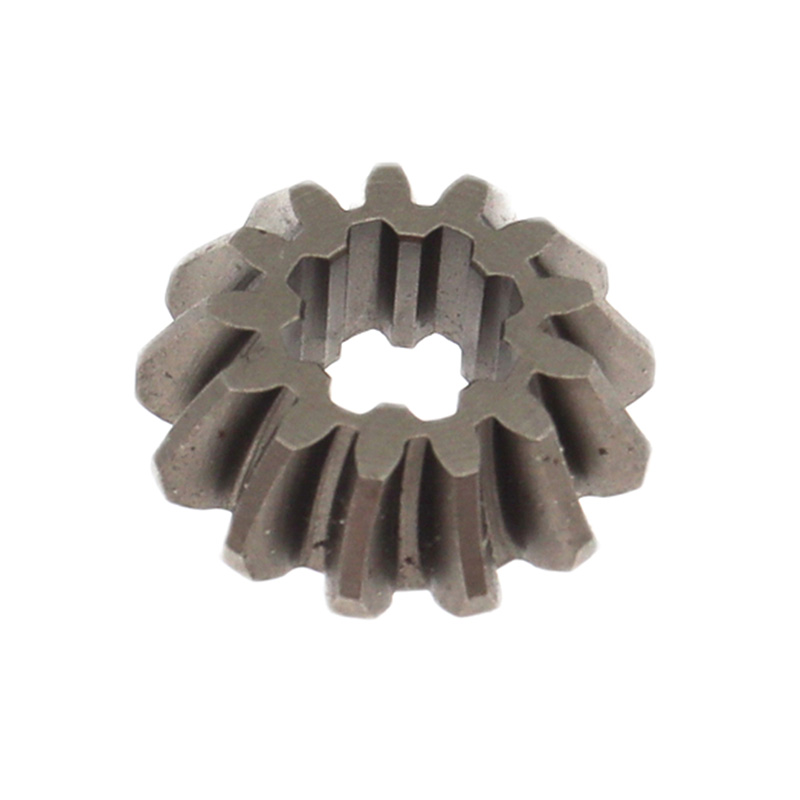
For worn gears, lubrication quality is usually the single most important factor. Outboard gearboxes operate in a high‑load, high‑contact‑stress environment, and water or debris in the oil accelerates wear dramatically. [yooopaaa]
Common real‑world causes:
- Extended oil change intervals beyond manufacturer recommendations. [yooopaaa]
- Seal failure allowing seawater to enter the gearcase.
- Using non‑marine or low‑quality gear oil with inadequate EP additives. [yooopaaa]
Once the protective oil film collapses, metal‑to‑metal contact increases adhesive wear, pitting, and scuffing, especially in high‑load regions of the tooth. [ready-market]
Even when there is no sudden impact, running continuously above design torque shortens gear life. [ready-market]
Typical patterns include:
- Heavily loaded boats (commercial fishing, workboats) using recreational‑duty outboard units.
- Oversized propellers causing engines to run at lower RPM but much higher torque.
- Long‑term operation at maximum throttle in hot climates. [yooopaaa]
Under these conditions, gears may not break instantly, but extended micro‑pitting and plastic deformation gradually evolve into severe wear and eventual fracture. [ready-market]
An experienced supplier will often recommend re‑rating or upgrading to higher‑capacity gear sets for fleets that operate under continuous heavy load. [bilibili]
While misalignment can cause tooth breakage, it more often produces asymmetric wear that worsens over time. As bearings wear or housing tolerances drift, the contact pattern moves toward the tooth edge, concentrating pressure. [ready-market]
If not corrected, this leads to:
- Edge loading and localized pitting.
- Increased noise and vibration.
- Ultimately, combined wear and fatigue fracture at the tooth root. [ready-market]
Below is a simplified comparison to help both boat owners and engineering teams quickly distinguish broken vs worn gear issues. [ready-market]
| Aspect | Broken Outboard Gears | Worn Outboard Gears |
|---|---|---|
| Typical onset | Sudden and catastrophic | Gradual and progressive |
| Main cause | Shock load, impact, severe misalignment | Poor lubrication, contamination, chronic overload |
| Visual tooth condition | Chipped, cracked, or missing teeth | Pitting, polishing, scuffing, micro‑spalling |
| Noise pattern | Loud bang then grinding or no drive | Increasing whine or rumble over time |
| Oil inspection | Large metal fragments, sometimes tooth pieces | Dark oil with fine metallic particles |
| Repair urgency | Immediate, unit not safely operable | Urgent once detected, but often still partially functional |
| Prevention focus | Impact protection, correct assembly, robust design | Lubrication quality, seal integrity, load management |
| Supplier support focus | Toughness, matching sets, fracture analysis | Surface durability, oil recommendations, wear trend data |
[yooopaaa]
A mature gear factory handling global OEM and aftermarket orders will usually follow a step‑by‑step diagnostic process when customers report premature outboard gear failures. [ready-market]
1. Collect operating data
- Engine model, power rating, hours, typical load, and duty cycle.
- Gear ratio, propeller type, and operating environment (freshwater vs seawater). [yooopaaa]
2. Inspect failed components
- Tooth fracture origin, macro‑geometry, and wear pattern.
- Hardness profile and case depth of the broken or worn gear. [ready-market]
3. Oil and contamination check
- Presence of water, debris, and metal particles in the lubricant. [yooopaaa]
4. System‑level alignment review
- Measurement of shaft run‑out, bearing condition, and contact pattern checks. [ready-market]
5. Corrective proposal
- Recommend upgraded material, modified tooth profile, or adjusted heat treatment.
- Suggest maintenance interval and oil type adjustments for the specific application. [ready-market]
From a user perspective, working with a gear specialist instead of a general supplier means:
- Access to application‑specific advice on gear selection and maintenance. [bilibili]
- Higher confidence that replacement gears are dimensionally matched and tested. [ready-market]
- Faster root‑cause feedback if a fleet experiences repeated failures.
For a company like Ningbo Gill Transmission Parts, these investigations also feed back into design improvements, enabling long‑term product refinement based on real‑world usage. [bilibili]
Even the best‑designed gear set will fail early if basic checks are ignored. [yooopaaa]
Essential actions:
1. Regular gear oil changes according to engine manufacturer recommendations, or more often for commercial use. [yooopaaa]
2. Visual inspection of drained oil for water (milky color) and metallic particles.
3. Checking for gearcase seal integrity after impacts or propeller changes.
4. Listening for new noises or vibration at different RPM ranges.
These simple checks greatly reduce the risk that gradual wear progresses into catastrophic failure on the water. [yooopaaa]
When gears must be replaced, component quality and compatibility are critical. [ready-market]
Key selection criteria:
- Gears produced from high‑grade alloy steel with controlled heat treatment. [ready-market]
- Matched gear sets (forward, reverse, and pinion) designed for the specific outboard model. [ready-market]
- Proven manufacturing traceability and inspection reports from the supplier. [bilibili]
Partnering with a dedicated marine gear manufacturer helps ensure that material, geometry, and surface finish are optimized for the demanding outboard environment. [bilibili]
Outboard engines have steadily increased in horsepower and power density over the past decades, which means more torque is being transmitted through compact gearcases. This trend raises the importance of precision gear manufacturing and correct field operation. [yooopaaa]
Leading suppliers respond by:
- Using improved carburizing and grinding processes to enhance surface durability. [ready-market]
- Running finite element analysis (FEA) on tooth geometry to optimize load distribution. [ready-market]
- Working closely with OEMs on application‑specific duty cycles to avoid under‑design.
For users, this means that premium replacement gears and disciplined maintenance are no longer optional if you want to avoid premature failures in modern, high‑output outboard engines. [yooopaaa]
If you experience gearbox issues, use the quick checklist below before engaging your supplier or service partner. [yooopaaa]
- Sudden loss of drive right after an impact → Suspect broken gears.
- Gradually increasing whine and vibration over months → Suspect worn gears.
- Milky oil and rust on internal parts → Lubrication and water ingress, with high risk of accelerated wear.
- Repeated failures in the same fleet under heavy duty → Check gear sizing, prop selection, and supplier quality.
Bringing photos, oil samples, and operating data to your supplier will dramatically improve the quality of the diagnosis. [yooopaaa]
If your outboard fleet is facing repeated broken or worn gear issues, the next step is to work directly with a specialized gear manufacturer that understands both marine operating conditions and transmission design. [bilibili]
By sharing your engine models, duty cycle, and typical failure patterns, you enable a partner like Ningbo Gill Transmission Parts Co., Ltd. to:
- Recommend optimized gear sets and materials for your specific application.
- Help adjust maintenance intervals and oil choices to match your real‑world usage.
- Support you with technical documentation and failure analysis so that the same problem does not come back. [bilibili]
Reach out to your gear supplier with your latest failure cases and request a data‑driven review of your current outboard gears and operating parameters to cut your long‑term downtime and maintenance costs. [yooopaaa]
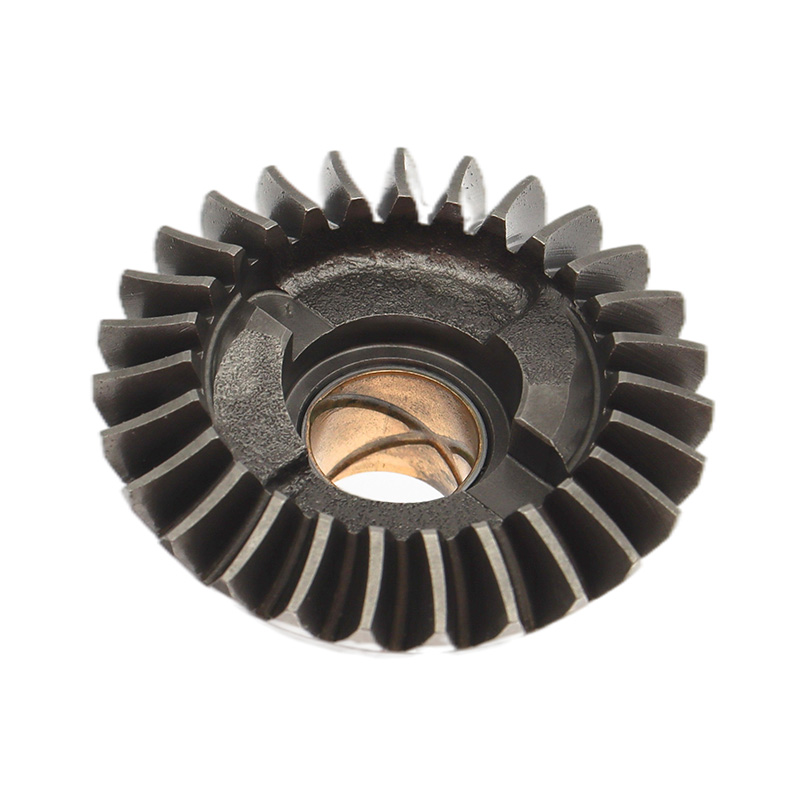
Q1. How can I tell if my outboard gears are broken or just worn?
A1. Broken gears usually cause a sudden loss of drive or loud grinding after an impact, while worn gears create increasing noise, vibration, and contaminated oil over time. [yooopaaa]
Q2. How often should I change my outboard gear oil to avoid premature wear?
A2. Follow the engine manufacturer's schedule, but for heavy commercial use or harsh conditions, shorter intervals and regular oil inspections are recommended. [yooopaaa]
Q3. Does using non‑OEM or low‑cost gears increase the risk of premature failure?
A3. Yes. Poorly matched geometry, inadequate materials, or inconsistent heat treatment significantly raise the risk of both wear and breakage. [yooopaaa]
Q4. What data should I provide to a gear supplier when I have repeated failures?
A4. Share engine model, power, operating hours, duty cycle, environment, photos of failed gears, and oil condition; this enables accurate root‑cause analysis. [yooopaaa]
Q5. Can changing propeller size or type affect gear life?
A5. Yes. Oversized or wrong‑pitch propellers can overload the gearbox even if the engine feels powerful, leading to accelerated wear and possible tooth failure. [yooopaaa]
1. Ready‑Market, “Fasteners and Parts Industry Case Analysis – Gear Components and Load Conditions.” https://www.ready-market.com/zh-TW/category/Hardware.html
2. Yooopaaa, “How Automotive Parts Factories Improve Google SEO Rankings – Content, Maintenance, and User Search Behavior Insights.” https://www.yooopaaa.com/611
3. Bilibili Article, “B2B Driveline Components SEO and Failure Case‑Based Content Strategy for Overseas Markets.” https://www.bilibili.com/read/cv34073041/


