


close
Choose Your Site
Global
Social Media
Views: 283 Author: Gill Transmission Parts Publish Time: 2026-07-24 Origin: Site


Content Menu
● What an RC Boat Prop Shaft Seal Actually Does
● The Main Sealing Methods Used in RC Boats
>> O-Ring and Cup-Seal Systems
● Best Practice Before You Seal the Shaft
● How to Seal an RC Boat Prop Shaft Step by Step
>> Step 1 — Clean the shaft and tube
>> Step 2 — Inspect for damage
>> Step 3 — Apply the sealing material
>> Step 4 — Reinstall and test shaft movement
>> Step 5 — Test in short runs
● Expert Insight from Marine Shaft Design
● Saltwater vs Freshwater Maintenance
● Troubleshooting Common Leaks
● Why Shaft Quality Matters for Long-Term Sealing
● Practical Recommendation for Builders
● FAQ
>> 1. What is the easiest way to seal an RC boat prop shaft?
>> 2. Can I use an O-ring to stop RC boat shaft leaks?
>> 3. Why does my RC boat still leak after sealing the prop shaft?
>> 4. How often should I re-grease the prop shaft?
>> 5. Is a stuffing box too advanced for an RC boat?
>> 6. What is the best shaft material for sealing performance?
Keeping water out of an RC boat starts with one small but critical component: the prop shaft seal. A properly sealed RC boat prop shaft helps protect electronics, reduce friction, and keep performance consistent in fresh water, salt water, and high-speed runs.
For builders and hobbyists, the goal is not just to stop leaks. The real goal is to create a seal that stays smooth, stable, and serviceable over time. That is why the best sealing method depends on your shaft type, boat speed, maintenance habits, and the quality of the shaft tube and bearing components.
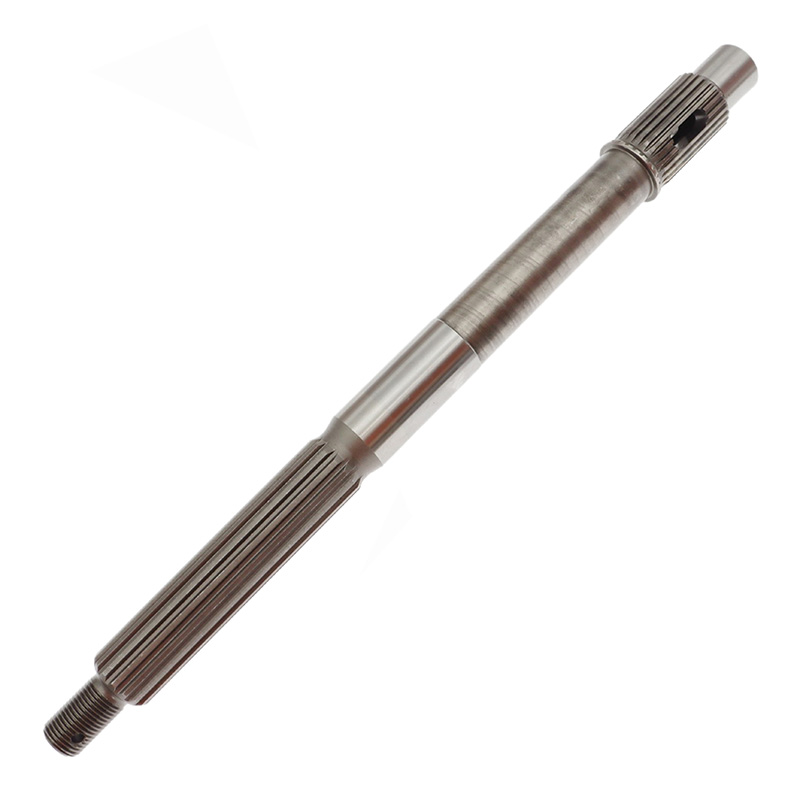
An RC boat prop shaft seal sits where the rotating shaft passes through the hull. Its job is simple: keep water out while allowing the shaft to spin freely.
In practical terms, the seal must do three things at once:
- Block water intrusion.
- Minimize drag on the rotating shaft.
- Survive vibration, heat, and repeated use.
If any one of these fails, the result is usually familiar: water in the hull, noisy operation, reduced efficiency, or premature wear on the shaft and bearings.
There is no single best method for every RC boat. In hobby practice, three approaches are common: grease-filled tubes, O-ring or cup-seal systems, and stuffing-box-style shaft seals.
This is one of the simplest methods and is often used in hobby boats and older flex-shaft setups. The tube is packed with waterproof grease so the grease acts as both lubricant and water barrier.
This method works well when:
- The boat is not extremely high speed.
- You want easy maintenance.
- The shaft tube is accessible after each run.
The trade-off is that grease requires regular replenishment, especially after saltwater use or long running sessions.
Many modern RC setups use small seals, O-rings, or cup seals at the ends of the shaft housing. These parts help control leakage around the shaft while keeping friction relatively low.
This style is useful when:
- You want a cleaner, more compact sealing layout.
- You are using a purpose-built shaft housing.
- You need a more precise fit than grease alone can provide.
The weak point is wear. Once the seal lip, O-ring, or mating shaft surface is scratched, the leak usually returns.
A stuffing box uses packing material compressed around the shaft to form a watertight seal. In full-size marine applications, this is a proven system because it balances sealing with controlled lubrication and serviceability.
For RC applications, the same idea is useful when you want:
- A more robust shaft-through-hull solution.
- Serviceable sealing over time.
- A setup that resembles real marine engineering principles.
The downside is that it requires careful adjustment. Too loose and it leaks; too tight and it creates heat and drag.
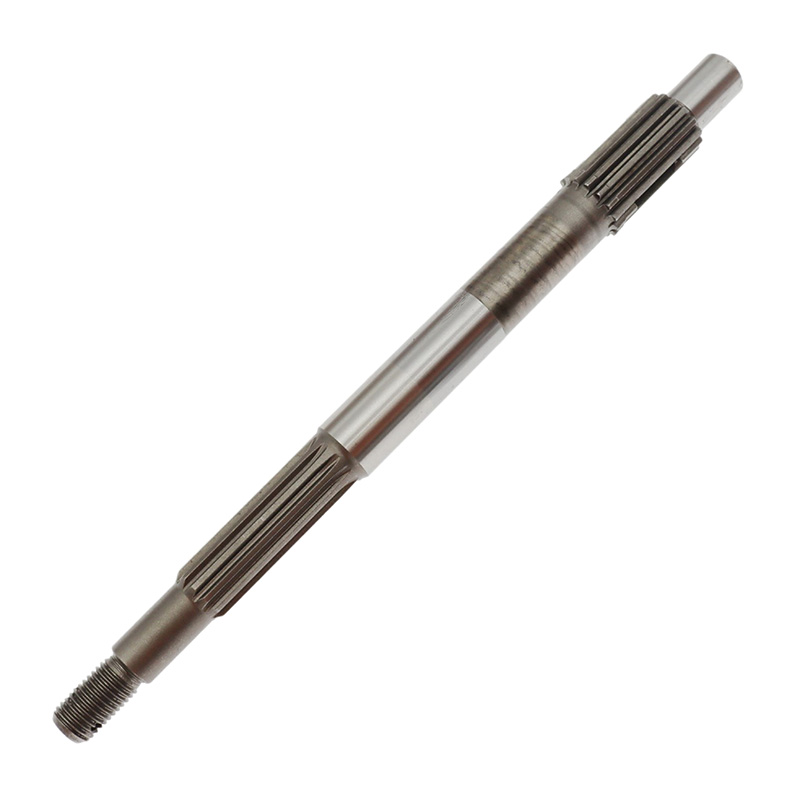
Before applying grease, sealant, or packing, inspect the shaft system carefully. Most leaks are caused not by the seal material alone, but by poor shaft condition or bad alignment.
Check the following points:
- Shaft surface: it should be smooth, clean, and free from scratches.
- Tube alignment: the shaft should spin without binding or excessive side play.
- Seal area: do not use damaged threads or rough edges where water can travel.
- Bearings and washers: confirm they are seated correctly and match the shaft size.
A shaft that is slightly misaligned can wear the seal quickly and create a recurring leak. In other words, the sealing material cannot compensate for poor mechanical fit.
If your goal is a dependable seal with low complexity, follow this practical workflow.
Remove old grease, salt residue, dirt, and worn seal material. A clean surface helps new grease or packing adhere properly and reduces early wear.
Look for grooves, scratches, bent sections, or corrosion on the shaft. If the shaft surface is damaged where the seal rides, the leak will likely continue even after reassembly.
Choose the material based on your setup:
- Grease: pack the tube evenly and avoid leaving air gaps.
- O-rings or cup seals: install the correct size and make sure they sit evenly in the housing.
- Packing material: compress it gradually and evenly around the shaft.
Do not overapply grease. Too much can attract dirt and increase resistance.
After assembly, rotate the shaft by hand. It should move smoothly without binding. If the shaft feels tight, the seal is probably overcompressed or the shaft is not centered properly.
Run the boat for a short period first, then inspect the hull interior. If you see moisture, identify whether it is coming from the shaft exit, the bearing area, or another point in the hull.
In professional marine systems, a shaft seal must balance three forces: water pressure, rotational movement, and heat. That same logic applies to RC boats, even though the scale is smaller.
From an engineering point of view, the most reliable sealing system is not the one that seals the hardest. It is the one that maintains contact without excessive friction, because excessive friction creates wear, which then creates leaks.
This is why shaft surface quality matters so much. A polished shaft and correctly sized seal usually outperform a heavier seal forced onto an imperfect shaft.
Saltwater is much harsher on seals, metal shafts, and bearings than freshwater. After saltwater use, the shaft tube should be flushed, cleaned, and re-greased more often to reduce corrosion and salt buildup.
Recommended routine:
- Rinse the shaft area after every saltwater run.
- Recheck the shaft for pitting or rust.
- Reapply grease or inspect the seal before the next session.
For freshwater boats, maintenance intervals can be longer, but inspection is still essential if the boat is run at high speed or stored for a long time between uses.
If your RC boat still leaks after sealing the prop shaft, the cause is usually one of these issues:
- The shaft is scratched or worn.
- The seal size is incorrect.
- The shaft is misaligned and side-loading the seal.
- The grease has washed out or broken down.
- The housing itself has a gap at the hull entry point.
The fastest diagnostic method is to dry the area, run the boat briefly, and then trace the first point of moisture. That tells you where the actual leak starts, not just where water collects.
At Ningbo Gill Transmission Parts Co., LTD., we know that shaft sealing performance is closely tied to shaft manufacturing quality. A well-machined drive shaft supports smoother rotation, better concentricity, and longer seal life because the sealing surface stays more stable under load.
That is especially important in RC boats, where even a small imperfection can create vibration, heat, and recurring leakage. For OEMs and hobby builders alike, a precise shaft, correct tolerance, and corrosion-resistant material selection can make the difference between a temporary fix and a reliable system.
If you are choosing a sealing approach for an RC boat, use this simple decision guide:
| Setup type | Best seal approach | Why it works |
|---|---|---|
| Beginner or budget build | Grease-filled tube | Simple, low-cost, easy to service. |
| Mid-range hobby boat | O-ring or cup-seal system | Cleaner and more compact, with lower leakage risk when properly fitted. |
| Higher-duty or scale-inspired build | Stuffing-box style seal | More serviceable and closer to real marine practice. |
If your boat sees frequent use, the best strategy is not only sealing the shaft once, but building a maintenance routine around it. That is what keeps the hull dry and the drivetrain efficient over time.
If you are building or sourcing RC boat drive components at scale, choose shaft systems that combine precision machining, corrosion resistance, and stable sealing performance. For manufacturers, importers, and brand owners, the right shaft and seal structure reduces warranty issues and improves end-user satisfaction.
For custom drive shaft solutions, OEM matching, or marine transmission part development, contact our engineering team to discuss the best shaft sealing structure for your product line.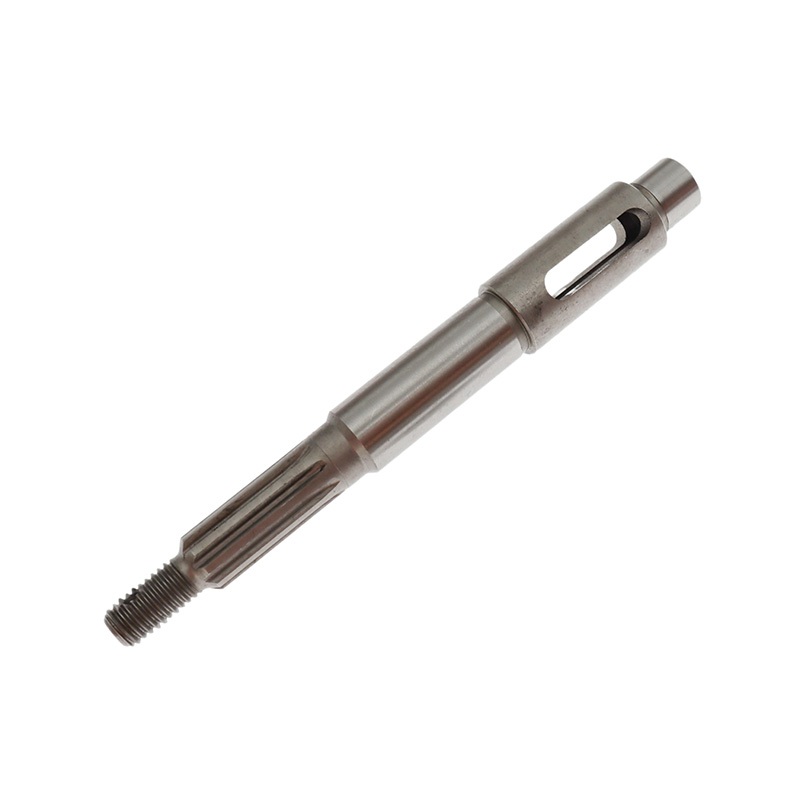
The simplest method is to pack the shaft tube with waterproof grease and maintain it regularly.
Yes, O-rings or cup seals can work well if the shaft housing is correctly sized and the shaft surface is smooth.
Common causes include shaft scratches, bad alignment, incorrect seal size, or grease that has washed out.
That depends on use, but saltwater boats should be inspected and re-greased more often than freshwater boats.
Not necessarily. It is a proven sealing concept, but it works best when the parts are sized correctly and adjusted carefully.
A smooth, corrosion-resistant shaft with good machining accuracy performs best because it gives the seal a stable surface to ride on.
2. [BoatTEST — Ask Andrew: Sealing the Boat's Prop Shaft]
3. [Practical Sailor — Stuffing Box Care]
4. [West Marine — Stuffing Box vs. Dripless Shaft Seal]
5. [RCGroups Forum — shaft seal discussions]
6. [RC Toy Central — RC boat prop seal troubleshooting video]


