


close
Choose Your Site
Global
Social Media
Views: 222 Author: Gill Transmission Publish Time: 2026-04-29 Origin: Site


When you are several nautical miles from shore, your gear system quietly decides whether the boat keeps planing smoothly or stalls at the worst moment. Planetary gear systems and high‑precision outboard gears are at the heart of that reliability, converting high engine speed into controlled torque at the propeller. [accio]
In this guide, written from the perspective of a marine transmission specialist, we will explain how planetary gear systems work, how they compare with other gear arrangements, and how to choose and maintain marine gears for outboard engines. We will also share practical insights from years of designing and manufacturing marine gears at Ningbo Gill Transmission Parts Co., LTD., so the information is both technically accurate and field‑tested. [publisherdesk]
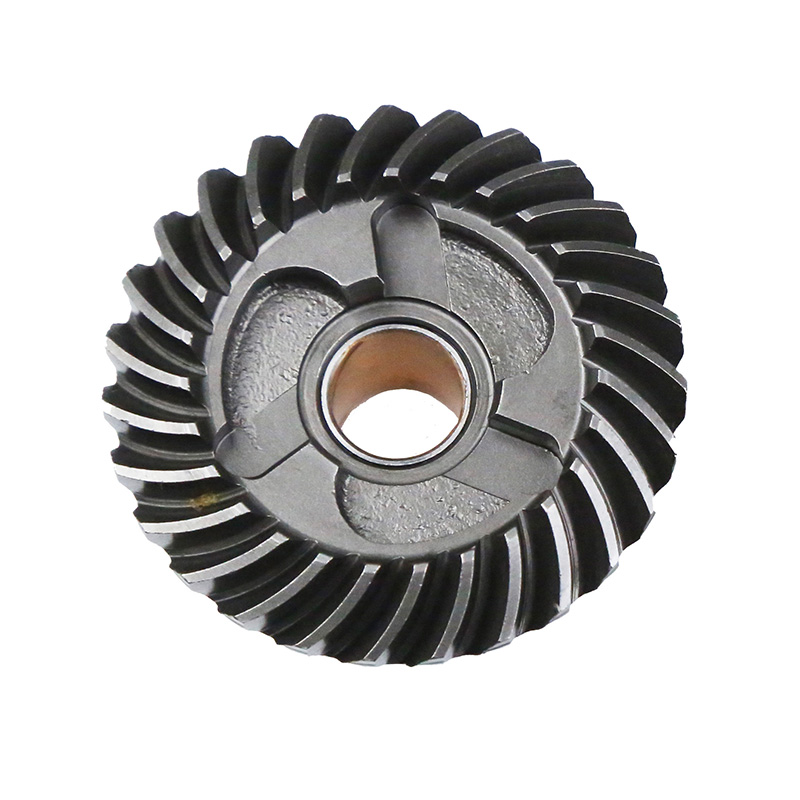
arine transmissions rely on several fundamental gear types, each with its own strengths:
- Spur gears – Straight teeth, easy to manufacture, efficient, but noisy at high speeds. [cjc]
- Helical gears – Angled teeth for smoother, quieter operation, preferred for high‑speed marine gearboxes. [cjc]
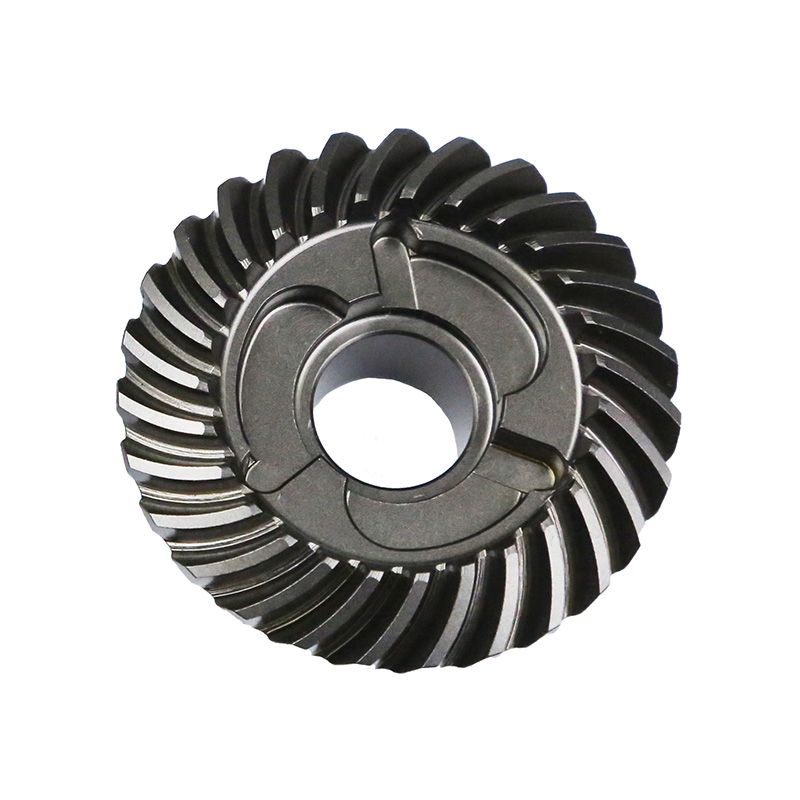
- Bevel gears – Used where power must turn a corner, such as transferring vertical engine power to a horizontal propeller shaft in outboards. [cjc]
- Planetary gear sets – Compact multi‑gear systems offering high reduction ratios in a small package, ideal where space and weight are limited, such as in outboard gearheads and compact marine drives. [cjc]
In outboard motors, bevel gears typically redirect power from the vertical drive shaft to the propeller, while planetary stages may be used upstream in reduction units or auxiliary systems to optimize torque delivery. [cjc]
planetary gear system (also called an epicyclic gear train) consists of: [cjc]
- A sun gear at the center
- Several planet gears that mesh with the sun
- A planet carrier that holds the planets
- An outer ring gear (internal gear) surrounding the planets
By deciding which element is the input, which is the output, and which is held stationary, engineers can obtain different gear ratios and rotational directions. This flexibility is a major reason planetary gears appear in high‑performance marine transmissions and trimming/auxiliary drive mechanisms. [cjc]
lanetary gear systems offer several benefits that are particularly valuable in marine environments: [accio]
- High power density – Large torque capacity in a compact volume.
- Coaxial shaft alignment – Input and output are on the same axis, simplifying packaging inside tight outboard housings.
- Even load distribution – Torque is shared among multiple planet gears, reducing tooth stress and extending service life.
- Multiple ratios and modes – By locking different elements, a single set can provide forward, reverse, or multiple reduction ratios.
For outboard gears, this means designers can deliver higher thrust at low speeds (for docking or trolling), while still allowing high‑speed cruising without oversizing the gearbox. [cjc]
elow is a concise comparison of typical gear system configurations used in industrial and marine contexts. [accio]
Typical Gear System Types in Marine and Industrial Use
| Gear system type | Layout overview | Main advantages (marine context) | Typical marine usage |
|---|---|---|---|
| Parallel shaft | Input and output shafts parallel | Simple, efficient, easy to service (cjc) | Traditional reduction gearboxes |
| Right‑angle (bevel) | Shafts intersect at 90 degrees | Essential for changing direction of power (cjc) | Outboards, stern drives, bow thrusters |
| Planetary (epicyclic) | Sun–planet–ring on same axis | High torque density, compact, multiple ratios (cjc) | Compact gearheads, trim systems, auxiliary drives |
| Worm gear | Worm and worm wheel at right angle | High ratio, self‑locking, but less efficient (cjc) | Winches, hoists, steering actuators |
In outboard lower units, you will almost always see bevel gears for the final drive, but planetary stages may be used in intermediate reduction units, electric auxiliary drives, or hybrid marine systems where space and noise control are critical. [accio]
he gear ratio is the ratio of input speed to output speed. In marine applications, it directly affects: [accio]
- Propeller speed
- Available thrust
- Acceleration and planing behavior
- Fuel efficiency and engine load
For example, a higher gear reduction (e.g., 2.3:1 instead of 1.8:1) will reduce propeller speed but increase torque, which is beneficial for heavy fishing boats or workboats that need strong thrust at low speeds. [accio]
Planetary gearsets allow fine‑tuned ratios without bulky gearboxes, which is especially useful in outboard engines where vertical space is limited. [cjc]
arine gear systems operate under unique constraints: [accio]
- Shock loading from waves and propeller impacts with debris.
- Corrosive saltwater environment, often with continuous spray or submersion.
- Limited cooling compared to land gearboxes, especially in compact, sealed housings.
- Long operating hours in commercial fishing or transport applications.
Therefore, a well‑designed outboard gear or planetary transmission must consider:
- Material selection – Case‑hardened alloy steels for gear teeth, corrosion‑resistant coatings, and stainless materials where appropriate. [accio]
- Heat treatment – Carburizing and quenching to achieve high surface hardness with a tough core. [accio]
- Precision machining and grinding – Tight tolerances minimize noise, vibration, and wear. [accio]
- Sealing & lubrication – Effective oil seals and robust lubrication channels are essential to keep saltwater out and maintain film strength. [cjc]
As manufacturers, we have seen that small compromises in heat treatment or surface finish can reduce marine gear life by thousands of operating hours, particularly in high‑torque outboards operating in harsh offshore conditions. [accio]
modern marine gearbox or outboard gearset typically passes through the following stages: [accio]
1. Rough machining
- Turning, milling, and drilling raw billets or forgings to near‑net shapes.
2. Gear cutting
- Hobbing or shaping to form precise gear teeth profiles.
3. Heat treatment
- Carburizing, hardening, and quenching to achieve required surface hardness and core toughness.
4. Finish grinding
- Gear grinding to refine tooth geometry, reduce noise, and improve load distribution.
5. Quality inspection
- Dimensional checks, hardness testing, tooth contact pattern verification, and sometimes fatigue testing.
6. Assembly and bench testing
- Assembling gear sets, bearings, and housings, then running them under load to monitor vibration, temperature, and noise.
At Ningbo Gill Transmission Parts Co., LTD., we follow this process with marine‑focused enhancements such as salt‑spray‑resistant coatings and extended‑duration load tests, because marine gearboxes face higher risk of failure due to corrosion and shock loads compared to typical industrial gearboxes. [accio]
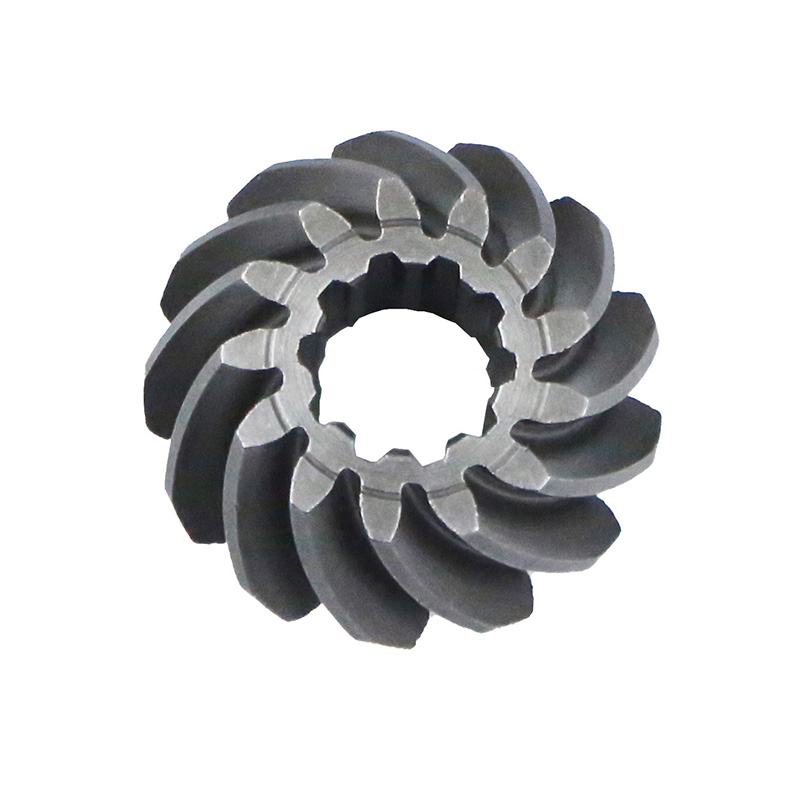
hen choosing outboard gears or a planetary gear solution for a marine application, consider the following checklist: [cjc]
1. Technical compatibility
- Match torque capacity to engine output, with adequate safety margin.
- Ensure gear ratio suits the target propeller size and boat mission profile (e.g., speed vs. towing).
2. Certification and quality standards
- Look for ISO 9001 and marine‑specific approvals (e.g., DNV‑GL, ABS) for high‑risk, commercial applications. [accio]
3. Material and surface treatment
- Ask for material traceability, corrosion‑resistant specifications, and heat treatment reports. [accio]
4. Production scalability
- For OEMs, confirm the supplier can handle both pilot runs and larger volumes without compromising lead time or quality. [accio]
5. Testing and validation
- Verify that gears have passed salt‑spray tests, vibration tests, and shock‑load testing suitable for marine impacts. [accio]
6. After‑sales support
- Ensure reliable access to spare parts, technical assistance, and rapid failure analysis when necessary. [accio]
From our experience, early technical collaboration between the boatbuilder and gear supplier is the most effective way to prevent mismatches in ratio or torque capacity that later appear as vibration, gear whine, or premature failures. [accio]
cross fleets of small commercial and recreational vessels, typical gear‑related issues include: [cjc]
- Pitting and spalling on gear teeth due to insufficient lubrication or misalignment.
- Scuffing from oil film breakdown under high load and temperature.
- Corrosion at tooth roots where protective films are thin and saltwater exposure is high.
- Bearing failures that secondarily damage gear teeth and carriers.
In many investigations, root causes trace back to underspecified gear materials, inadequate sealing, or gear ratios that force the engine to run outside its optimal load range for long periods. [cjc]
hen properly designed, planetary gear systems can reduce peak tooth loading, smooth torque transmission, and allow better matching between engine power curve and propeller load. [cjc]
For example, a compact planetary pre‑reduction stage can: [cjc]
- Allow a smaller outboard engine to drive a slightly larger propeller.
- Keep the engine within its most efficient RPM band during typical cruise.
- Reduce sudden torque spikes at the bevel gear final drive.
These benefits translate into lower fuel consumption, quieter operation, and longer component life, especially in workboats and fishing vessels operating many hours per day. [cjc]
o help engineers, boat owners, and purchasing managers quickly find what they need, technical gear content should: [mraa]
- Use **clear headings (* for each topic: principles, ratios, applications, maintenance.
- Start each section with a plain‑language explanation, then go deeper into formulas or standards.
- Highlight key terms such as gear ratio, torque capacity, and corrosion resistance in bold for scanning.
- Include tables that summarize specifications, tolerances, and recommended applications.
- Provide step‑by‑step checklists for selection, installation, and troubleshooting.
aritime experience shows that simple, consistent maintenance dramatically extends gear life. [cjc]
Recommended practices:
- Inspect gear oil regularly for metal particles, discoloration, or water intrusion (milky appearance).
- Replace lubricants according to manufacturer intervals, or more frequently for commercial duty.
- Check shaft seals and boots for cracks or hardening that can allow saltwater ingress.
- Monitor noise and vibration – new whine, clunking, or increased vibration often signal misalignment or early damage.
- Schedule periodic professional inspections for high‑hour engines, including end‑play measurement and tooth contact checks.
As a manufacturer, we see a clear pattern: boats with documented oil changes and seasonal inspections have significantly fewer gear failures, even when operated in the same demanding environments as neglected units. [cjc]
For over a decade, Ningbo Gill Transmission Parts Co., LTD. has focused on the R&D, production, and sales of outboard gears and marine transmission components, serving both OEM boatbuilders and aftermarket distributors worldwide. [accio]
By combining marine‑grade materials, precision manufacturing, and rigorous testing for saltwater environments, we help customers reduce warranty claims, improve vessel uptime, and deliver smoother, quieter performance on the water. [accio]
If you are planning a new outboard platform or upgrading an existing marine gearbox design, our engineering team can assist with gear ratio optimization, custom planetary configurations, and tailored material specifications for your operating environment. [accio]
If you are evaluating planetary gear systems or outboard gears for your next marine project, reach out to Ningbo Gill Transmission Parts Co., LTD. for application‑specific recommendations, drawings, and prototype support. [accio]
We can help you:
- Optimize gear ratios for your exact hull and propeller combination.
- Select materials and coatings for long service life in your local waters.
- Scale from prototype to mass production without compromising quality.
Contact our engineering team today to discuss your marine gear requirements and request a tailored solution. [accio]
1. What is the main advantage of a planetary gear system in marine applications?
The primary advantage is high torque density in a compact, coaxial package, allowing powerful yet space‑efficient transmissions, especially valuable in outboard and auxiliary marine drives. [cjc]
2. Are planetary gears always better than bevel gears in outboards?
No. Planetary gears complement rather than replace bevel gears; bevel gears are still necessary for right‑angle power transfer, while planetary stages can provide additional reduction and smoother torque delivery. [cjc]
3. How often should I change gear oil in an outboard lower unit?
Intervals vary by manufacturer and duty cycle, but many experts recommend at least an annual change, or more frequently for high‑hour commercial use, to prevent wear and corrosion. [cjc]
4. Which certifications should I look for in a marine gear supplier?
Look for ISO 9001 for quality management and, for critical commercial vessels, marine‑specific approvals such as DNV‑GL or ABS, along with documented material and test reports. [accio]
5. Can I retrofit a planetary gear solution into an existing marine transmission?
In some cases, yes, especially for auxiliary drives or where space allows a modular gearhead; however, you must evaluate torque capacity, alignment, and cooling with your gear supplier's engineering team. [cjc]
1. KHK Gears – General information on gear systems and planetary gear fundamentals (accessed via gear technical reference). (https://www.cjc.dk)
2. Accio / Industrial gearbox and marine gearbox selection criteria, including torque matching, certifications, and manufacturing process overview. (https://www.accio.com/supplier/gearbox-manufacturing-for-fishing-boats)
3. CJC – Marine gearbox reliability overview and the importance of high‑reliability gearboxes in fishing vessels. (https://www.cjc.dk)
4. Publisher Desk – E‑E‑A‑T best practices emphasizing depth, expert coverage, and brand credibility in content. (https://www.publisherdesk.com/google-e-e-a-t-best-practices/)
5. Bristol Creative Industries – Practical guide to implementing E‑E‑A‑T with expert‑fronted content and real‑world examples. (https://bristolcreativeindustries.com/a-practical-guide-to-e-e-a-t-real-world-strategies-for-content-success/)
6. Digital Deckhand – Technical SEO guidelines for marine websites, including structured data, crawlability, and UX recommendations. (https://digitaldeckhand.com/technical-seo-for-marine-websites/)
7. WordStream – Overview of top Google ranking factors, including mobile UX and content structure. (https://www.wordstream.com/blog/ws/2020/09/09/google-ranking-factors)
8. MRAA – SEO content strategy tips for marine dealers, supporting the importance of long‑form, helpful content. (https://mraa.com/7-simple-seo-tips-for-marine-dealers/)


