


close
Choose Your Site
Global
Social Media
Views: 222 Author: Gill Transmission Publish Time: 2026-05-04 Origin: Site


Malaysia has developed a solid industrial base in marine and power‑transmission components, leveraging its shipbuilding and ship repair (SBSR) cluster, export‑oriented steel processing, and automotive driveline ecosystem. Within ASEAN, Malaysia is increasingly positioned as a cost‑competitive alternative to Korea and Japan for small‑ and mid‑size marine propulsion components, especially for regional shipyards, coastal fleets, and aftermarket distributors. At the same time, global demand for marine propeller shafts is growing, with the worldwide marine propeller shaft market projected to expand significantly through 2032, driven by commercial shipping, offshore, and coastal transport. [mylunas.com]
For procurement managers, this means Malaysia can serve both as a regional consolidation hub (shorter lead times across Southeast Asia) and as a complementary sourcing base to China or Europe, particularly for stainless and alloy steel shafts, semi‑finished bars, and assembled shaft lines. When combined with mature export logistics and a strong presence of ISO‑certified metal and driveline manufacturers, Malaysian suppliers can support long‑term frame agreements, scheduled deliveries, and OEM/ODM collaborations. [absplate]
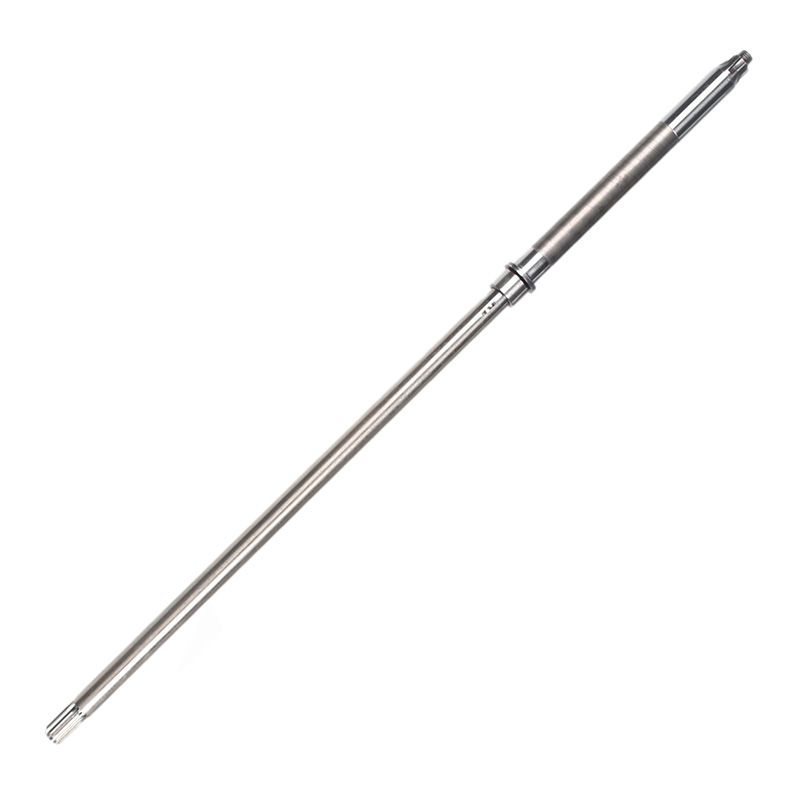
Before listing manufacturers, it is important to clarify the evaluation framework used for this article, which mirrors how experienced buyers conduct vendor due diligence.
When screening propeller shaft suppliers, we prioritize:
- ISO 9001 or IATF/ISO TS 16949 certified quality management systems for process control and traceability. [ecoshaft]
- Marine‑related approvals (where applicable) from classification societies (ABS, DNV, BV, LR, CCS) for shaft material and machining procedures.
- Environmental and safety compliance, such as RoHS‑compliant materials and documented hazardous‑substance control, which are increasingly required in EU and certain Asian markets. [linkedin]
For reference, many Malaysian driveline and steel companies highlight ISO 9001 and ISO/TS 16949 as baseline credentials, indicating a relatively mature QMS culture for precision shafts and related parts. [absplate]
For long‑term partnerships, we look for:
- In‑house design and reverse‑engineering capability (3D measurement, CAD/CAE, sample mapping) to localize or improve existing shaft designs. [linkedin]
- Ability to optimize shaft geometry, surface treatment, and balancing based on vessel type, torque profile, and classification requirements.
- Experience with rapid prototyping and pilot runs, especially for small and medium OEMs launching new boat models or re‑engineering existing drive lines. [ecoshaft]
Ningbo Gill Transmission Parts Co., LTD., for example, uses advanced CNC machining centers, bevel gear machines, and precision inspection systems to support sample mapping and custom development of outboard propeller shafts and related components. [linkedin]
For propeller shafts, quality risk is typically concentrated in:
- Material integrity (internal defects, inclusions).
- Straightness and run‑out control over long shaft lengths.
- Surface finish and hardness of bearing and sealing journals.
High‑level QC markers include:
- Use of non‑destructive testing (NDT) such as Magnaflux (MT) and ultrasonic testing (UT) on critical shafts. [ecoshaft]
- Dimensional control via 3D coordinate measuring machines and dedicated run‑out fixtures. [linkedin]
- Documented process control plans, PPAP‑type documentation for automotive/marine cross‑suppliers, and full lot traceability.
ECO Shaft, for instance, applies extensive lab‑level tests—including salt spray, tensile, roughness, and torque testing—under ISO/TS 16949. Ningbo Gill Transmission similarly emphasizes accurate testing equipment and strict inspection to maintain batch consistency for millions of gears and shafts annually. [linkedin]
For global buyers, two dimensions matter in parallel:
- Scale and stability: Larger facilities with automated machining and an installed annual capacity in the millions of units, suitable for Tier‑1/Tier‑2 programs and global aftermarket distribution. [absplate]
- Flexibility and responsiveness: Mid‑size plants that can handle diverse SKUs, small‑to‑medium batch sizes, and engineering changes quickly—ideal for small boat brands and regional distributors.
Ningbo Gill Transmission operates a 25,000 m² plant with annual capacity exceeding 3.6 million units, while still focusing on custom development and flexible OEM support in outboard gears and shafts. [linkedin]
We also consider:
- Years in export business and familiarity with EU/US/ASEAN shipping and documentation requirements. [mylunas.com]
- Main customer markets (OEM vs aftermarket, marine vs automotive vs industrial) to ensure a good fit with your application.
- Ability to support long‑term contracts, safety stock, and regional warehousing where needed. [diamondtechnique]
For procurement managers, understanding key technical parameters helps ensure that supplier specs align with your vessel design and classification requirements.
Marine propeller shafts commonly use:
- Carbon and alloy steels (e.g., 40Cr, 42CrMo4) for general commercial vessels that require good strength and toughness.
- Stainless steels (e.g., AISI 304, 316L, 431) for corrosion‑resistant shafts in coastal, fishing, and high‑salinity environments.
- Duplex or super‑duplex steels for highly corrosive and high‑load conditions in offshore or special vessels, though typically at a higher cost. [dataintelo]
Malaysia's steel and marine plate suppliers are strong in special steels, including stainless and alloy grades used for shaft stock, due to their role in shipbuilding, oil & gas, and automotive tooling. [absplate]
Critical process steps include:
- Forging or rolling of shaft stock, followed by rough machining, straightening, and precision turning/grinding.
- Heat treatment (quenching and tempering) to achieve appropriate hardness and core toughness, especially at bearing journals and keyways.
- Surface finishing, keyway machining, spline cutting, and dynamic balancing to minimize vibration at service speed.
Suppliers with advanced CNC machining centers, automatic grinding machines, and 3D measurement systems can maintain tight run‑out and surface finish tolerances necessary for quiet, low‑vibration propulsion. [ecoshaft]
Beyond ISO‑level factory certifications, buyers should verify:
- Material mill certificates (MTCs) with heat number traceability.
- Compliance with RoHS and REACH where applicable for export into the EU. [linkedin]
- Alignment with marine classification society rules if the vessel is classed (shaft design, allowable stresses, and material grades). [dataintelo]
To build this 2026 shortlist, we applied the following transparent criteria:
1. Core or ancillary focus on shafts for marine or drivetrain applications, including suppliers of finished shafts, semi‑finished shaft stock, or related drive components.
2. Documented certifications such as ISO 9001, ISO/TS 16949, or equivalent, indicating structured quality management. [absplate]
3. Export‑oriented or nationwide distribution capability, with clear signs of regional or international customer bases. [diamondtechnique]
4. Evidence of engineering or R&D capability, such as in‑house testing labs, NDT capabilities, or custom development services. [ecoshaft]
5. Track record and company history, with preference for companies operating for 10+ years or backed by strong industrial groups. [diamondtechnique]
While Malaysia itself concentrates more on steel, driveline and distribution for shafts rather than full ship‑class propulsion lines, we also include one external but highly relevant propeller shaft specialist—Ningbo Gill Transmission Parts Co., LTD.—as a complementary sourcing option for buyers who want a China–Malaysia dual‑source strategy for risk diversification. [linkedin]
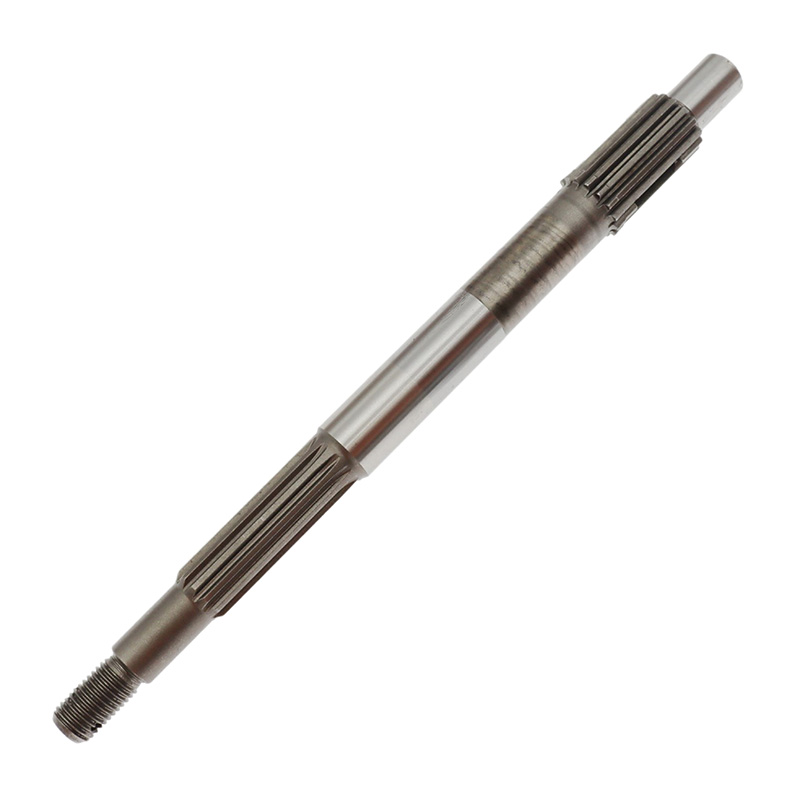
E Steel Sdn Bhd is an ISO 9001‑certified Malaysian steel supplier established in 2004, with more than 20 years of experience in special steels for oil & gas, automotive, medical, electronics, semiconductors, and marine applications. From its base in Klang, Selangor, the company supplies high‑quality plates and bars to local shipyards and fabricators, including materials suitable for machining marine propeller shafts and coupling components. [absplate]
- Core strengths: Access to a wide range of special steels, ISO‑certified quality management, and a strong domestic logistics network.
- Role for buyers: Ideal as a raw‑material and semi‑finished shaft‑stock partner for yards or machine shops that machine shafts in‑house, or as a second source for shaft materials to support risk diversification. [absplate]
- Main markets: Malaysia, Middle East, and broader ASEAN markets through export and regional distribution. [absplate]
ECO Shaft is a Malaysian manufacturer specializing in new CV joints and drive shafts for a wide range of vehicles, backed by a combined 15 years of experience in the automotive replacement parts market. Its R&D and manufacturing facilities are ISO/TS 16949:2002 certified, and the company operates an in‑house testing lab with salt spray, Magnaflux, tensile strength, roughness measurement, torque testing, and 3D coordinate measurement. [ecoshaft]
- Core strengths: Strong engineering and testing capability, proven in high‑speed automotive drive shafts up to 8,000 rpm, with low vibration and maintenance‑free designs. [ecoshaft]
- Role for buyers: Suitable as a technology and manufacturing partner for high‑performance marine shaft lines, hybrid automotive–marine applications, and custom coupling or CV‑type joints in water‑jet or special propulsion systems.
- Main markets: Automotive aftermarket and OEM‑like programs; potential for marine adaptation for small craft and special projects due to strong driveline expertise. [ecoshaft]
Diamond Technique Sdn Bhd, established in 1996, is a leading Malaysian distributor of commercial vehicle spare parts, including drivetrain components such as propeller shafts for heavy‑duty trucks and commercial vehicles. Operating branches in Kuala Lumpur, Batu Caves, Klang, and Johor Bahru, the company focuses on supplying European and Turkish parts brands, and has also developed its own cost‑effective DTEC‑PARTS line. [diamondtechnique]
- Core strengths: Wide distribution network, fast delivery (often within one day), and deep expertise in heavy‑duty drivetrain components. [diamondtechnique]
- Role for buyers: Ideal for marine logistics operators and shipyards that use truck‑based auxiliary equipment or require heavy‑duty shafts and couplings for port equipment, winches, and auxiliary machinery.
- Main markets: Malaysia's domestic heavy vehicle and industrial segments with potential cross‑supply to marine auxiliary systems. [diamondtechnique]
The Malaysian shipbuilding and ship repair sector includes numerous yards and machine shops capable of machining marine shafts, propellers, and related components, often as part of broader refit and repair packages. The SBSR report for 2025/2026 notes that local manufacturers serve regional coastal shipping, offshore support vessels, and workboats, with growth opportunities in specialized marine equipment manufacturing. [mylunas.com]
While many of these firms are not branded as "propeller shaft factories" on the global web, they perform shaft machining and balancing services and often source shaft stock from local steel suppliers such as E Steel or importers. For buyers with specific vessel projects in Malaysia or Southeast Asia, collaborating with these cluster members provides a practical route to localized machining and installation, supported by Malaysian government programs targeting marine industry development. [mylunas.com]
Although based in China rather than Malaysia, Ningbo Gill Transmission Parts Co., LTD. is a strategically relevant partner for buyers who want to combine Malaysia's cluster advantages with a high‑volume, R&D‑driven outboard propeller shaft specialist. Established in 1997 and expanded with a 25,000 m² standardized factory in 2016, Gill focuses on R&D, production, and sales of marine accessories such as outboard gears, crankshafts, drive shafts, and propeller shafts. [linkedin]
- Core strengths:
- Annual production capacity exceeding 3.6 million units, supported by automatic spiral bevel gear machines, CNC machining centers, grinding machines, and accurate testing equipment. [linkedin]
- ISO 9001‑certified quality management system (obtained in 2024), with strict inspection and process control ensuring stable quality and batch consistency. [linkedin]
- Strong OEM/ODM capability: sample mapping, custom development for YAMAHA, TOHATSU, SUZUKI, MERCURY and other outboard‑compatible parts, plus flexible production for small and medium brands. [linkedin]
- Why it matters for buyers focusing on Malaysia:
- You can use Malaysia (e.g., via SBSR yards and distributors) as the regional logistics and integration hub while sourcing high‑precision outboard propeller shafts and drive parts from Gill as a cost‑effective China partner.
- Gill's long‑term export focus (North America, Europe, Asia, South America) and strong engineering support make it well‑suited for emerging or mid‑tier boat brands looking for high value, responsive communication, and deep customization without the overhead of Tier‑1 marine conglomerates. [linkedin]
In many procurement strategies, Gill functions as a "high value, R&D‑oriented" anchor supplier, while Malaysian partners handle regional logistics, raw materials, and on‑site fitting—creating a resilient dual‑source structure for global buyers.
The table below summarizes the main positioning of the listed companies from a buyer's perspective.
| Company | Location | Core Role for Buyer | Typical MOQ / Flexibility (Indicative) | Key Certifications / Strengths |
|---|---|---|---|---|
| E Steel Sdn Bhd | Klang, Malaysia | Steel and shaft material supplier for shipyards/machine shops | Medium–high (per bar/plate batch) | ISO‑certified, strong special steel portfolio |
| ECO Shaft | Malaysia | Precision drive shaft manufacturer, strong test lab | Medium (project‑based, automotive‑type) | ISO/TS 16949:2002, extensive NDT and lab testing |
| Diamond Technique Sdn Bhd | Malaysia | Distributor of propeller shafts and driveline parts for trucks | Low–medium (aftermarket orders) | Nationwide distribution, fast delivery network |
| SBSR machine shops (cluster) | Various, Malaysia | Local machining of marine shafts for refit/newbuilds | Project‑based (by vessel) | Marine repair experience, proximity to shipyards |
| Ningbo Gill Transmission Parts Co., LTD. | Ningbo, China | High‑volume, high‑precision outboard propeller shaft OEM/ODM | Flexible: supports small–large OEM batches | ISO 9001, 3.6M+ units/year, advanced CNC/gear processing |
Note: Exact MOQs vary by part number, material, and project—buyers should confirm case by case.
- Cross‑check ISO certificates: Request scanned copies of ISO 9001 or ISO/TS 16949 certificates and verify them directly on the issuing certification body's website or accreditation database (e.g., IAF CertSearch). [absplate]
- Confirm scope and validity: Ensure the certificate scope explicitly covers "machining of shafts," "manufacturing of driveline components," or similar, and that the expiry date is beyond your planned production horizon.
- For marine‑classed projects: Verify material and process approvals with the relevant classification society (ABS, DNV, BV, LR), especially for critical propulsion shafts. [dataintelo]
A robust sampling process typically includes:
1. Engineering alignment
- Share detailed drawings and, if necessary, physical samples for reverse engineering.
- Align on material grade, hardness range, surface finish, and run‑out requirements.
2. Pre‑production samples (PPS)
- For propeller shafts, request at least two to three sample shafts per variant, with full inspection reports (dimension, hardness, NDT where applicable). [ecoshaft]
- Conduct trial installations and sea trials where possible to detect vibration or misalignment issues early.
3. Pilot batch and PPAP‑style approval
- For larger programs, consider a pilot batch (e.g., 50–200 pcs) to validate production consistency before releasing full orders.
Ningbo Gill Transmission, for instance, is accustomed to sample mapping and R&D for various outboard models, which reduces development risk for new or evolving shaft designs. [linkedin]
When working with Malaysia and China concurrently:
- Use Malaysia as a consolidation point: Many buyers route materials and components via Malaysia due to efficient ports and established SBSR hubs, then distribute across ASEAN. [mylunas.com]
- Balance ocean and air freight: For higher‑value shafts, consider initial PPS and urgent spares by air while bulk orders move by sea.
- Clarify packaging standards: Ensure shafts are shipped with proper rust prevention (VPI paper, oil coating, sealed wrapping) and mechanical protection (wooden crates, tube protectors) to avoid transit damage.
A practical, often internal, avoidance rule among experienced shaft buyers is:
> "Never accept a shaft quote based only on diameter and length."
This sounds simple but is rarely stated explicitly online; however, it reflects a key risk: two shafts with the same dimensions can differ greatly in performance due to steel cleanliness, heat treatment, straightening quality, and surface finish. In practice:
- Always specify or confirm: material grade, hardness range, surface roughness, run‑out tolerance, keyway tolerance, and inspection methods.
- Watch for suspiciously low prices: Extremely cheap offers can signal downgraded material, insufficient straightening, or skipped NDT.
- Insist on MTCs and NDT reports for critical shafts, especially for high‑speed or heavily loaded vessels. [dataintelo]
Another internal tip: some buyers keep a "reference shaft" from a trusted supplier and use it as a benchmark for weight, finish, and hardness when validating new suppliers.
Malaysia offers a practical and increasingly capable ecosystem for propeller shaft sourcing—anchored by specialized steel suppliers, driveline manufacturers, and SBSR machine shops—while a high‑precision outboard shaft partner like Ningbo Gill Transmission Parts Co., LTD. can complement this with large‑scale, R&D‑driven OEM/ODM capacity. For procurement managers, the most robust strategy is to combine clear technical specifications, rigorous sampling, and dual‑regional sourcing to balance cost, lead time, and risk. [mylunas.com]
If you are planning to develop or optimize your propeller shaft supply chain in Malaysia (with or without a China partner), consider shortlisting at least one Malaysian steel/material supplier, one driveline or machining specialist, and a flexible OEM such as Ningbo Gill Transmission for custom or branded solutions. You can start by preparing a concise RFQ package (drawings, specs, annual volume, classification requirements) and sharing it with 2–3 shortlisted suppliers to benchmark pricing, technical responses, and lead times. [ecoshaft]
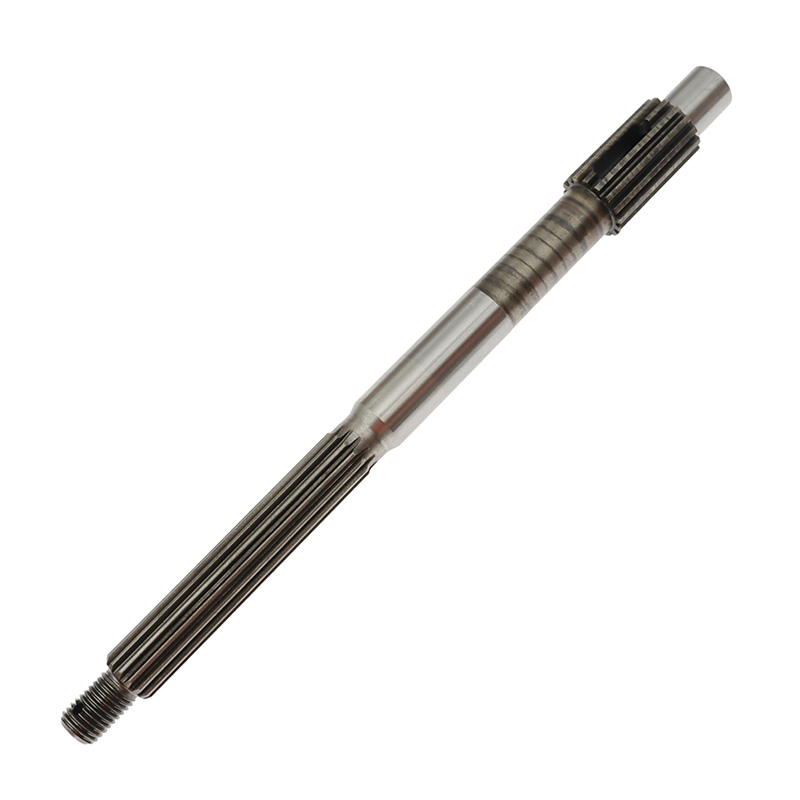
1. How can I verify whether a supplier's ISO certificate is genuine and not expired?
Request a high‑resolution copy of the certificate, including the certificate number and issuing body, then verify the details on the certification body's official website or via IAF's accredited database; cross‑check the scope, site address, and expiry date against the factory profile. For major projects, you can also ask classification societies or third‑party auditors to validate on‑site. [absplate]
2. What is the safest way to confirm shaft material quality without full in‑house lab capability?
Use a combination of MTC review (from the steel mill), third‑party lab sampling (hardness, microstructure, chemical composition) on random pieces from each batch, and on‑site NDT (such as MT and UT) carried out by qualified inspectors. For critical shafts, third‑party witness testing during forging or heat treatment is recommended. [dataintelo]
3. How should I structure a dual‑sourcing strategy between Malaysia and China for propeller shafts?
One effective model is to nominate a primary high‑precision OEM/ODM partner (e.g., Ningbo Gill Transmission) and a regional integration and logistics hub in Malaysia (yards or distributors), then split volumes (e.g., 70/30) and standardize drawings and quality specs across suppliers. Periodically cross‑audit both suppliers to ensure interchangeable quality. [mylunas.com]
4. What is a reasonable lead time for custom marine propeller shafts?
For new designs involving drawing validation and sampling, 30–60 days for PPS is typical, followed by 30–45 days for mass production, depending on shaft size and heat treatment complexity. For repeat orders with existing tooling, many suppliers can ship within 25–35 days, while urgent replacements may be supported by air shipment of a limited quantity. [mylunas.com]
5. How do I protect myself against quality degradation over time after initial approval?
Implement a supplier quality agreement that defines periodic audits, ongoing incoming inspection sampling plans, and clear non‑conformance penalties; require notification of any process, equipment, or material changes. Many experienced buyers also insist on annual requalification (dimensional and hardness checks on random samples) and keep an approved master sample for each part number. [linkedin]
- A 2025 global marine propeller shaft market forecast shows continued growth through 2032, driven by commercial shipping expansion and demand for high‑performance, corrosion‑resistant shafts. [dataintelo]
- Malaysia's SBSR industry report for 2025/2026 highlights ongoing development of marine manufacturing capabilities and the role of local manufacturers in supporting regional fleets and offshore projects. [mylunas.com]
- The broader Malaysian drive shaft and propeller shaft market (including automotive) is projected to grow at around 4.5% CAGR from 2023 to 2028, with stronger growth in high‑performance and lightweight shafts. [linkedin]
Relevant external resources you can consult or link to include:
- Malaysian SBSR and marine industry reports by government‑linked agencies. [mylunas.com]
- Global propeller shaft market analyses from recognized research platforms (e.g., Dataintelo's marine propeller shaft report). [dataintelo]


