


close
Choose Your Site
Global
Social Media
Views: 222 Author: Amanda Publish Time: 2026-02-08 Origin: Site


Content Menu
● What Does a Drive Shaft Do and Why It Matters
● 1. Persistent Vibrations Under the Vehicle or Boat
● 2. Clunking, Knocking, or Squeaking Noises
● 3. Difficulty Turning or Unstable Handling
● 4. Shuddering During Acceleration
● 5. Visible Damage, Rust, or Leaks on the Shaft
● Quick Reference: Main Symptoms and Likely Causes
● How to Safely Self-Check a Suspected Bad Drive Shaft
● When It Is No Longer Safe to Drive or Sail
● Professional Diagnosis: What Technicians Typically Check
● Preventive Maintenance Tips to Extend Drive Shaft Life
● Why Choosing a Quality Drive Shaft Supplier Matters
● Protect Your Powertrain: Take Action Now
● Frequently Asked Questions (FAQ)
>> 1. Can I keep driving with a bad drive shaft?
>> 2. How much vibration is “normal”?
>> 3. Are drive shaft problems more common in marine environments?
>> 4. How often should I inspect my drive shaft?
>> 5. What is the difference between a drive shaft and a propeller shaft?
If you start feeling unusual vibration, hearing clunking noises, or noticing handling issues, your drive shaft may be failing and putting your safety and transmission at serious risk.
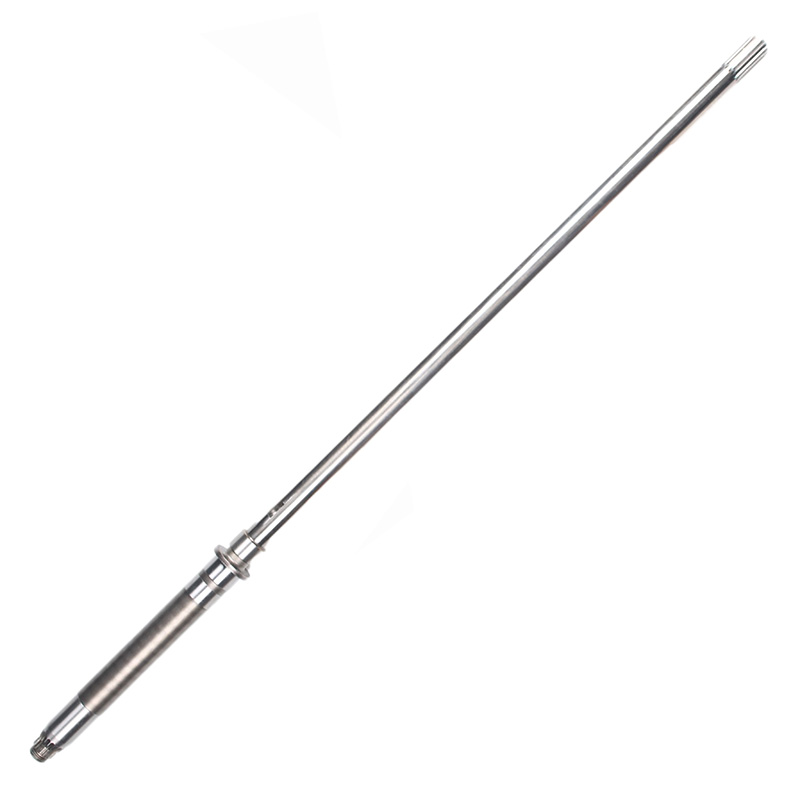
The drive shaft (also called prop shaft) is the rotating tube that transfers engine power from the transmission to the wheels. When it is bent, worn, or out of balance, the rotation becomes unstable, creating vibration, noise, and extra stress on U-joints, bearings, and even the transmission itself.
For boat owners and vehicle operators, a damaged drive shaft or marine propeller shaft can lead to loss of power, poor control, and very costly downtime. Detecting early warning signs lets you schedule maintenance before a minor issue becomes a dangerous failure.
One of the most common signs of a bad drive shaft is persistent vibration from under the floor, seat, or hull, especially as speed increases. This vibration can feel like a buzzing through the steering wheel, a shaking of the entire vehicle, or a rumble that gets worse with acceleration.
Typical vibration-related causes include:
- Unbalanced drive shaft (missing balance weights, impact damage, poor installation).
- Worn U-joints or carrier bearings causing looseness and wobble.
- Improper angles or misalignment after suspension changes or drivetrain work.
If you ignore these vibrations, they can damage seals, bearings, and transmission or differential components over time.
Unusual noises during starts, stops, or gear changes are another major warning sign of driveshaft problems. You may hear sharp clunks when shifting into drive or reverse, or rhythmic knocking as the shaft rotates.
Common noise patterns include:
- Clunking when shifting gears, often caused by excessive play in worn U-joints or splines.
- Metallic knocking while driving, usually a loose flange, cross yoke, or joint cap moving under load.
- High-pitched squeaking at low speed, which can mean dry, unlubricated U-joints starting to seize.
These sounds rarely disappear on their own. They typically get louder as wear progresses and can suddenly lead to complete joint failure.
A damaged or binding drive shaft can affect how smoothly a vehicle or boat turns, especially under load. Operators often describe the steering as heavy, delayed, or not tracking where they expect, even though the steering system itself may be fine.
Typical symptoms of handling issues linked to drive shafts include:
- Resistance or jerking when turning at low speeds.
- Shudder or “grab” felt through the chassis or hull during tight maneuvers.
- Vehicle pulling or wandering when accelerating out of a corner.
These issues are frequently connected to seized U-joints, improper shaft angles, or misalignment between the transmission and differential or marine gearbox. Left unresolved, they can over-stress mounts, couplings, and steering components.
If your vehicle or boat feels relatively smooth at steady speed but shudders or trembles when accelerating, the drive shaft should be one of the first components you check. The shudder can appear as a rapid, pulsing vibration that fades as you ease off the throttle.
Common causes of acceleration shudder:
- Bent shaft tube from impact or ground strike.
- Worn or damaged splines where the shaft engages the transmission or slip yoke.
- Angle-related vibrations as the driveline geometry changes under load.
Because acceleration forces amplify any imbalance or misalignment, this symptom is a strong indicator that the shaft or joints are close to failure.
Any visible damage on or around the drive shaft is an immediate warning sign that demands inspection. Even minor dents or rust pits can create stress concentrations that grow into cracks at speed.
Key visual red flags include:
- Cracks, dents, or distorted tube from road debris or underwater strikes.
- Rust and corrosion along the tube, yokes, or flanges, especially in marine or winter-salt environments.
- Grease leakage and torn seals around U-joints and slip yokes, indicating lubrication loss.
In marine applications, corrosion is accelerated by moisture and salt, so routine inspection of propeller shafts, couplings, and related hardware is critical.
Symptom (What You Notice) | Likely Cause in the Drive Shaft | Why It Is Dangerous |
Strong vibration under floor or hull at speed | Unbalanced shaft, worn U-joints, bad carrier bearing, angle issues | Accelerated wear on bearings, seals, transmission and differential |
Clunking or knocking when shifting or starting | Excessive play in U-joints, flanges, or splines | Risk of sudden joint failure and loss of drive |
Squeaking at low speed that changes with vehicle speed | Dry, unlubricated U-joints starting to seize | Joint can lock up and fracture the shaft or yokes |
Shudder on acceleration, smoother at cruise | Bent shaft, worn splines, angle-related vibration | Load spikes on driveline, damage to gearbox and mounts |
Visible cracks, rust, or grease leaks | Structural damage, corrosion, seal failure | High chance of catastrophic breakage at speed |
Basic checks can be done by most operators, as long as you follow strict safety precautions. Never work under an unsupported vehicle or near a running propeller.
Step-by-step basic inspection:
1. Secure the vehicle or boat. Park on level ground, set the parking brake, chock the wheels, or secure the vessel at the dock.
2. Ensure the engine is off and transmission in neutral. Wait for all moving parts to stop completely.
3. Visually inspect the shaft. Look for dents, rust, cracks, or missing balance weights along the tube and yokes.
4. Check U-joints for play. Firmly grab the shaft near each joint and try to shake it up and down and side to side; any looseness or clicking is abnormal.
5. Look for leaks and torn seals. Inspect areas around joints and flanges for dried grease, fresh oil, or damaged boots.
These steps help you confirm whether a professional inspection is urgently required, but they do not replace a full diagnostic by a drivetrain or marine specialist.
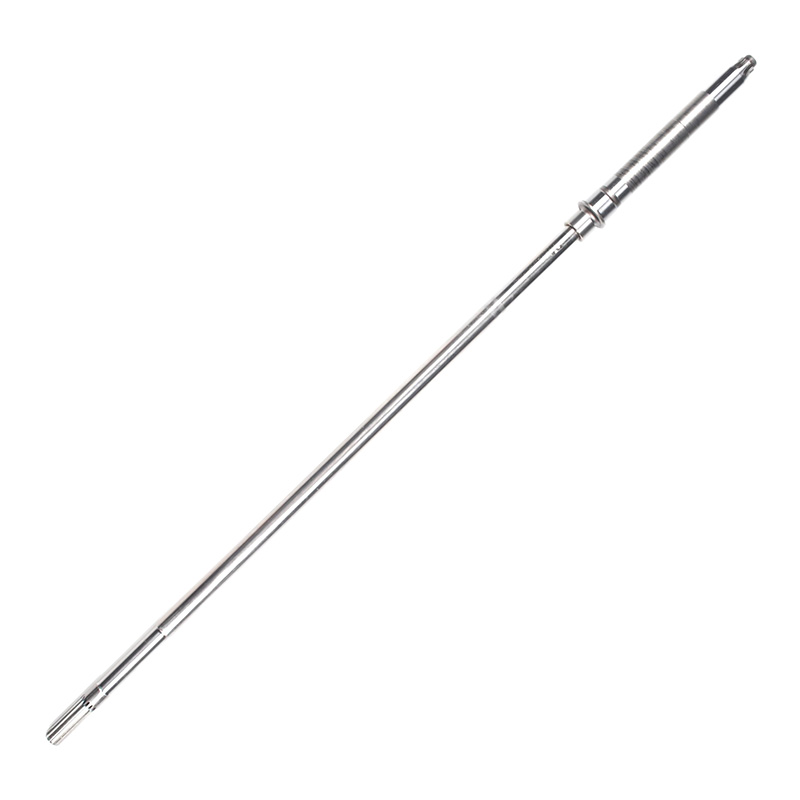
Continuing to operate with a failing drive shaft can lead to sudden shaft separation, loss of propulsion, or secondary damage that multiplies repair costs. A shaft that breaks at speed can strike the ground or hull, damage the transmission, or in severe cases puncture structures.
You should stop operation immediately and arrange professional service if you notice:
- Extreme vibration that makes the vehicle or boat difficult to control.
- Loud, repetitive clunking that appears suddenly and worsens quickly.
- Visible cracks, severe bends, or missing components on the shaft.
For marine applications, any strong vibration or knocking from the propeller shaft after an impact with underwater objects warrants immediate haul-out and inspection.
A trained technician uses a combination of visual inspection, mechanical tests, and sometimes balancing equipment to confirm drive shaft issues. Understanding their process helps you ask better questions and make informed decisions.
Professionals commonly:
- Measure driveline angles to identify geometry-related vibration sources.
- Check U-joints and CV joints for stiffness, rust streaks, or looseness.
- Inspect shaft straightness and balance using run-out gauges or balancing machines.
- Verify mounting points and supports such as carrier bearings, engine mounts, and couplings.
For boats, specialists also inspect propeller balance, shaft run-out, cutlass bearings, and gearbox alignment to ensure the entire propulsion system runs smoothly.
With correct installation and regular maintenance, a high-quality drive shaft or marine propeller shaft can provide many years of reliable service. Preventive actions are far cheaper than emergency repairs after a failure.
Actionable maintenance steps:
- Lubricate U-joints and splines at recommended intervals using the specified grease.
- Avoid overloading vehicles or boats beyond their design limits, as this over-stresses the driveline.
- Inspect after impacts such as striking debris, rocks, or underwater obstacles.
- Check alignment whenever you replace suspension, mounts, or transmission components.
- Protect against corrosion with proper coatings and regular rinsing in marine or road-salt environments.
Following these practices helps you catch minor issues early and preserve the integrity of your driveline system.
Even the best maintenance cannot compensate for poor-quality material, substandard machining, or incorrect balancing from the manufacturer. High-precision shafts and related components reduce vibration, improve durability, and protect connected gearboxes and differentials.
A reliable supplier of marine and industrial transmission parts will typically offer:
- Tight manufacturing tolerances and dynamic balancing for smooth rotation.
- Corrosion-resistant materials and coatings for harsh marine and industrial environments.
- Application-specific designs for outboard, inboard, and automotive systems.
For boat builders, fleet owners, and aftermarket distributors, partnering with a manufacturer that specializes in outboard gears, crankshafts, and drive shafts can significantly reduce downtime and lifecycle costs.
If you notice vibration, noise, or handling issues, do not wait for a complete failure. Schedule a professional inspection as soon as possible and replace worn or damaged drive shaft components before they compromise safety or cause major transmission damage.
Whether you maintain a single boat, manage a vehicle fleet, or supply parts to your own customers, acting early to repair or upgrade your drive shaft system is one of the most effective ways to protect engines, gearboxes, and your overall investment. Make inspecting your drive shaft a priority today and avoid unexpected downtime tomorrow.
Contact us to get more information!
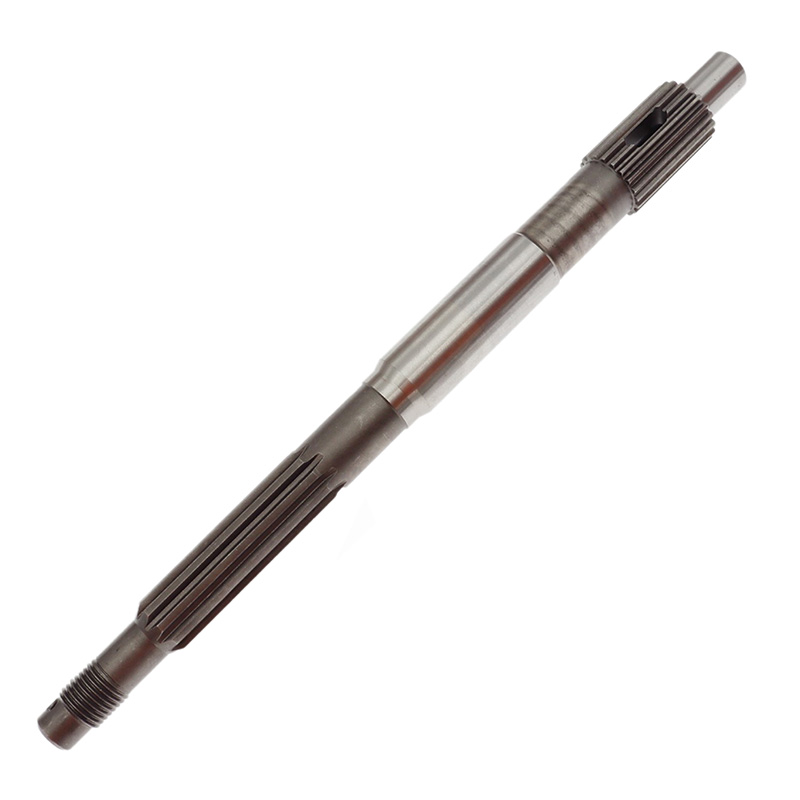
Driving or sailing with a failing drive shaft is risky because the shaft can break, causing loss of propulsion and severe damage to nearby components. It is safer to stop operation and seek professional diagnosis as soon as you notice strong vibration or clunking.
Light, occasional vibration on rough roads or waves can be normal, but steady, speed-related vibration usually indicates imbalance or misalignment in the driveline. If vibration increases with speed or throttle, have the shaft and related parts inspected.
Marine drive shafts and propeller shafts operate in wet, often salty environments, so corrosion, pitting, and seal wear occur faster than in many land vehicles. Regular inspection, rinsing, and corrosion protection are especially important for boats.
Many operators inspect drive shafts during routine service intervals, after any impact, or at least annually in marine applications. High-mileage or heavy-duty units may require more frequent checks based on usage and environment.
In automotive contexts, “drive shaft” and “prop shaft” often refer to the same power-transmitting shaft between transmission and differential. In marine systems, the propeller shaft specifically connects the gearbox or outboard gearcase to the propeller in the water.
1. https://universalcoupling.com/blogs/news-center/bad-drive-shaft-symptoms
2. https://www.driveshaftsoftulsa.com/blogs/news/the-signs-of-a-bad-drive-shaft
3. https://joesslingerservice.com/what-are-the-symptoms-of-a-bad-driveshaft/
4. https://4xshaft.com/blogs/general-tech-info-articles/diagnosing-drive-shaft-vibrations
5. https://www.trakmotive.com/2024/07/12/podcast-understanding-the-evolution-of-modern-driveshafts/
6. https://www.myinboardmarine.com/collections/transmissions-parts
7. https://www.sbmar.com/product-category/marine-transmission-parts/
8. https://jlmmarine.com/es/blogs/outboard-101/propeller-vibrations-diagnosing-bent-shafts-or-blades
9. https://www.youtube.com/watch?v=fQWEHhote_o
10. https://www.youtube.com/watch?v=k8TzKktypyM
11. https://www.youtube.com/watch?v=9yJCSQLTVjM
12. https://www.youtube.com/watch?v=KQp5_43n1KE
13. https://www.youtube.com/watch?v=jEcs9zvcygY
14. https://www.youtube.com/watch?v=5Egkda06Rc8
15. https://www.driveshaftuk.com/the-common-signs-of-driveshaft-problems/


