


close
Choose Your Site
Global
Social Media
Views: 222 Author: Amanda Publish Time: 2026-02-18 Origin: Site


Content Menu
● What Is a Drive Shaft and Why It Fails
● Main Causes of Drive Shaft Failure
>> 1. Lack of Lubrication and Contaminated Grease
>> 2. Shaft Misalignment and Poor Installation
>> 3. Overloading, Shock Loads, and Excessive Torque
>> 4. Corrosion, Rust, and Environmental Attack
>> 5. Imbalance, Bent Tubes, and Vibration
>> 6. Material Defects, Poor Quality Components, and Manufacturing Issues
● Marine-Specific Causes of Drive Shaft and Gearbox Failure
● Early Warning Signs of Drive Shaft Problems
● How to Prevent Drive Shaft Failure: Practical Steps
>> Routine Inspection and Condition Monitoring
>> Correct Lubrication Practices
>> Design and Component Selection
● Example: How a Marine Operator Reduced Shaft Failures
● When to Repair and When to Replace a Drive Shaft
● Take Action: Protect Your Drive Shaft and Propulsion System
● FAQs About Drive Shaft Failure
>> 1. What is the most common cause of drive shaft failure?
>> 2. How can I tell if my drive shaft is failing?
>> 3. How often should a marine drive shaft be inspected?
>> 4. Does balancing really make a difference for drive shaft life?
>> 5. Can I continue operating with a noisy or vibrating shaft?
Drive shaft failure is almost never a sudden event – it is usually the end result of progressive damage, improper setup, or neglected maintenance in the driveline system. Understanding the root causes is essential if you operate or maintain boats, industrial equipment, or vehicles that rely on reliable power transmission.

A drive shaft (also called prop shaft, cardan shaft, or transmission shaft) transfers torque from the engine or gearbox to the driven component such as propellers, wheels, or auxiliary machinery.
Typical drive shaft functions include:
- Transmitting torque under varying load and speed.
- Compensating for misalignment between engine, gearbox, and driven equipment via joints and splines.
- Absorbing and smoothing torsional vibration in the drivetrain.
Drive shafts fail when applied loads, misalignment, or environmental damage exceed the material's strength or its design limits over time.
Poor lubrication is one of the most common and preventable causes of drive shaft failure.
Key issues:
- Dry or under-lubricated U-joints and splines increase friction and heat, accelerating wear and eventually seizing.
- Low-quality grease breaks down under high temperature, heavy load, or marine conditions.
- Dirt and water contamination wash out grease, introducing abrasive particles that damage bearings and seals.
Typical symptoms:
- Squeaking or clunking noises during start, stop, or gear changes.
- Vibration at specific speeds as joints lose smooth movement.
In marine propulsion systems, insufficient lubrication is closely linked with higher shaft and gearbox failure rates.
Even a small misalignment between engine, gearbox, and shaft can create large cyclic loads in the driveline.
Consequences of misalignment:
- Excessive vibration and noise under load.
- Premature bearing, coupling, and spline wear.
- Local stress concentrations that lead to cracks and ultimately shaft fracture.
Common installation errors:
- Incorrect angular or parallel alignment between flanges.
- Improper driveline phasing where yokes are not aligned correctly, causing torsional vibration.
- Failure to re-check alignment after hull distortion, engine mount settling, or collision repairs in marine vessels.
On ships and workboats, uncorrected misalignment can also increase fuel consumption and reduce overall propulsion efficiency.
Drive shafts are designed for a specific torque capacity and safety margin. When real-world loads exceed those limits, failure risk increases sharply.
Failure modes under overload:
- Twisted shafts when torque exceeds the yield strength of the material.
- Sudden torsional fracture after impact loads, such as propeller strike, grounding, or violent gear engagement.
- Fatigue cracks that initiate at surface defects or keyways and grow under repeated overload cycles.
Scenarios that create overload:
- Operating engines at higher power than the shaft rating or after power upgrades.
- Aggressive clutch engagement or rapid shifting in heavy-duty equipment.
- Running boats in heavy seas where propellers repeatedly ventilate and reload the shaft.
In marine and coastal environments, corrosion is a critical risk factor for drive shafts.
How corrosion causes failure:
- Saltwater and moisture attack steel shafts, causing pitting and section loss that reduce effective diameter and strength.
- Crevice corrosion at keyways, under clamps, or beneath damaged coatings becomes a crack initiation site.
- Stress corrosion cracking can develop when tensile stress and a corrosive environment act together, especially on propulsion shafts and gearbox components.
Without adequate protective coatings, cathodic protection, and maintenance, corrosion can shorten shaft life dramatically.
An unbalanced or bent shaft generates high dynamic loads at operating speed.
Typical causes:
- Manufacturing defects in straightness or wall thickness.
- Damage from collisions, groundings, or lifting mishandling.
- Loss of balance weights or buildup of marine growth on propeller and exposed shaft.
Consequences:
- Persistent vibration that fatigues bearings, couplings, and foundation structures.
- Loosened fasteners, cracked brackets, and seal damage.
- Long-term fatigue leading to sudden shaft breakage.
Drive shafts with substandard materials or poor manufacturing are more prone to failure even under normal loads.
Common problems:
- Inclusions, voids, or microcracks in the steel from improper metallurgical control.
- Poor weld quality at tube-to-yoke joints leading to early fatigue failures.
- Incorrect heat treatment causing brittleness or inadequate fatigue strength.
For long, high-speed marine shafts, consistent material quality and process control are especially critical to avoid unexpected failures.
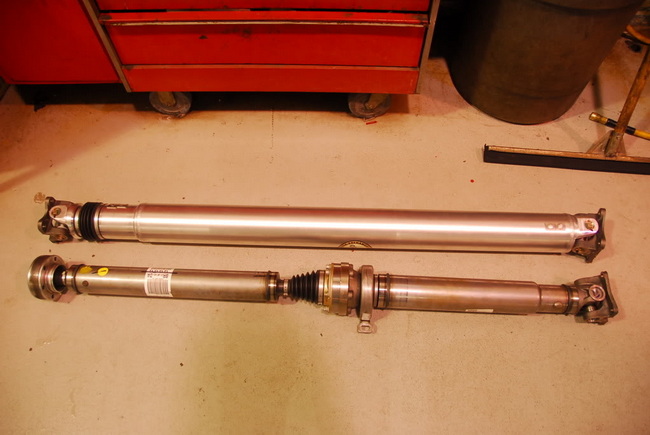
Marine propulsion shafts and gearboxes operate under unique conditions that differ from automotive applications.
Key marine risk factors include:
- Continuous operation at high load in variable sea states.
- Saltwater corrosion and biofouling on exposed shaft sections.
- Stress corrosion cracking in shaft materials exposed to seawater and fluctuating stress.
- Impacts from floating debris, groundings, or propeller strikes causing bending and misalignment.
For companies like Ningbo Gill Transmission Parts Co., LTD, which focus on marine transmission components such as outboard gears, crankshafts, drive shafts, and propeller shafts, designing against these marine-specific hazards is critical to reliability and lifecycle cost control.
Detecting problems early allows operators to repair components before catastrophic failure.
Watch for:
- Abnormal vibration that changes with speed or load.
- Knocking, clunking, or squeaking noises on start-up or during gear changes.
- Visible rust, pitting, or cracks on shaft surface, flanges, or U-joints.
- Oil leaks around gearbox output seals, indicating bearing or alignment issues.
- Unusual temperature rise in bearings, couplings, or gearboxes.
A simple example: if a workboat begins to show new vibration and a light knocking sound after a minor grounding, this should trigger immediate inspection instead of continued operation.
Implement a structured inspection schedule tailored to load, environment, and operating hours.
Recommended actions:
1. Visually inspect shafts, couplings, and joints for corrosion, cracks, and leaks at defined intervals.
2. Measure vibration levels to identify imbalance, misalignment, or bearing defects early.
3. Use non-destructive testing such as dye penetrant or magnetic particle inspection for critical marine shafts.
Documenting each inspection and comparing findings over time helps you spot trends before they turn into breakdowns.
Effective lubrication is one of the most cost-effective protections you have.
Best practices:
- Use OEM-approved grease or oil grades suitable for temperature and environment.
- Follow specified re-greasing intervals, shortening them for high-load or marine duty cycles.
- Replace seals and boots promptly to keep contaminants out of joints and bearings.
In fleet operations, upgrading to a planned lubrication program instead of ad-hoc greasing often leads to measurable reductions in driveline problems.
Precision alignment and balancing directly extend drive shaft life and improve overall driveline smoothness.
Key steps:
- Verify angular and parallel alignment at installation and after any hull, foundation, or engine work.
- Use laser alignment tools on marine propulsion systems for greater accuracy.
- Check and correct shaft balance in specialized facilities after repairs or if vibration increases.
For new builds or refits, involving a specialist for alignment and balancing can prevent repeat problems that are otherwise difficult to diagnose.
Choosing properly engineered components is essential for long-term reliability, especially in demanding marine conditions.
Considerations:
- Torque rating and service factor matched to engine output and real duty cycle.
- Suitable materials and coatings for marine corrosion resistance.
- Joint types and shaft configurations (single vs double cardan, flexible couplings) that accommodate expected misalignment without overstress.
Working with an experienced supplier of marine transmission parts helps you optimize shaft geometry, materials, and protective treatments for harsh-service environments.
A typical case in service boat fleets shows how changes in maintenance and design can dramatically lower failure rates.
Key improvements implemented:
- Introduction of a planned lubrication schedule for shaft bearings and gearboxes based on operating hours rather than calendar time.
- Routine vibration monitoring and laser alignment checks after docking, overhauls, or impact events.
- Upgraded shaft material and improved corrosion protection in the splash zone and stern-tube region.
Within the first operating season after these changes, the operator recorded fewer unplanned outages, lower maintenance costs, and improved confidence in propulsion reliability.
Operators often need to decide whether to rebuild or replace a damaged shaft.
Repair may be suitable when:
- Damage is limited to replaceable components such as U-joints, bearings, or flanges.
- Corrosion or wear is shallow and can be safely machined within design tolerances.
- The shaft can be straightened and balanced without compromising fatigue strength.
Replacement is usually safer when:
- There are deep cracks, extensive pitting, or severe section loss.
- The shaft has experienced a major torsional event such as visible twisting or bending.
- Repeated failures indicate fundamental design or material limitations.
Partnering with a qualified shaft manufacturer or repair specialist ensures that any repair or replacement is correctly engineered and documented for future reference.
If you are experiencing vibration, noise, or premature wear in your driveline, do not wait for a breakdown. Get in touch with a specialist team that understands marine and industrial transmission systems and can provide engineered solutions for outboard gears, crankshafts, drive shafts, and propeller shafts. By combining expert diagnosis, high-quality components, and tailored maintenance advice, you can extend the life of your equipment, reduce unplanned downtime, and keep your vessels and machinery operating safely and efficiently.
Contact us to get more information!
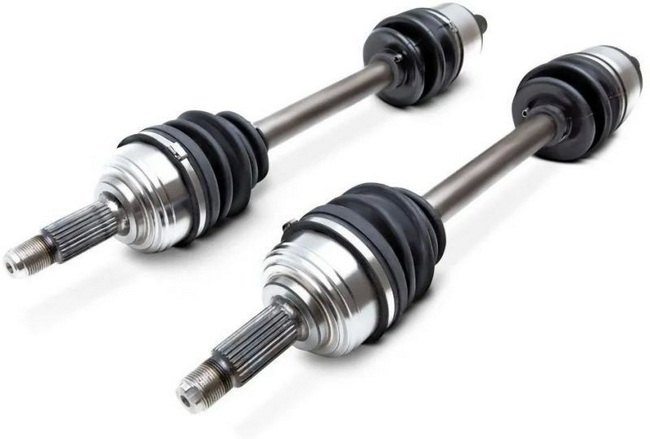
The most frequent root causes are poor lubrication, misalignment, and corrosion, all of which progressively damage joints, bearings, and shaft surfaces until failure occurs. In many cases, these issues develop slowly and can be detected during routine inspections.
Warning signs include unusual vibration, clunking or squeaking noises, visible rust or cracks, and oil leaks around gearbox output areas. If you notice any of these symptoms, you should schedule a professional driveline inspection as soon as possible.
Inspection frequency depends on duty cycle and environment, but many marine operators inspect shafts and gearboxes at least annually and after any grounding, collision, or major repair. High-hour or heavy-duty vessels may benefit from more frequent checks and vibration monitoring.
Yes, even minor imbalance can create high cyclic stresses and vibration that accelerate fatigue and bearing wear, especially at higher speeds. Proper balancing improves comfort, reduces noise, and extends the life of shafts, bearings, and gearboxes.
Continuing to operate with known driveline vibration or noise greatly increases the risk of sudden failure and secondary damage to gearboxes, bearings, and structures. It is safer and more economical to investigate the root cause early than to wait for a breakdown.
1. https://universalcoupling.com/blogs/news-center/bad-drive-shaft-symptoms
2. https://www.scirp.org/journal/paperinformation?paperid=102043
3. https://www.driveshaftuk.com/what-causes-drive-shaft-failure/
4. https://www.cvandpropshaft.co.za/2023/10/26/common-causes-of-prop-shaft-failure-and-how-to-prevent-them/
5. https://passagemaker.com/technical/troubleshooter-shaft-failure-2017/
6. https://cumberland-companies.com/wp-content/uploads/2014/11/Meritor-Parts-Failure-Analysis.pdf
7. https://www.youtube.com/watch?v=8WOyJRKj9Pk
8. https://www.youtube.com/watch?v=c9yMvU36USM
9. https://www.pruftechnik.com/rotalign-shaft-misalignment-ship-marine-bearings/
10. https://chinajalyn.en.made-in-china.com/product-group/qoHQtXdAZrcs/Transmission-Parts-catalog-1.html


