


close
Choose Your Site
Global
Social Media
Views: 222 Author: Gill Transmission Publish Time: 2026-06-05 Origin: Site


Content Menu
● What Is Gear Direction of Rotation?
● Why Rotation Direction Matters in Outboard Gears
● Core Definitions for Gear Rotation
>> Counter‑rotation vs. Co‑rotation
● Typical Rotation Scenarios in Outboard Transmissions
>> Single‑Stage Parallel‑Axis Gear Pair
>> Multi‑Stage Gear Trains With Idlers
● How Direction of Rotation Affects Propellers
● Practical Design Guidelines for Marine Engineers
>> 1. Map the Complete Power Path
>> 2. Control Rotation With Idlers and Internal Gears
>> 3. Validate Rotation in 3D and on the Bench
● Common Mistakes and How to Avoid Them
>> Misinterpreting View Direction
>> Ignoring Rotation in Aftermarket Upgrades
● Where Outboard Gear Rotation Data Should Appear
● Table: Rotation Rules by Gear Type
● How Ningbo Gill Transmission Adds Value
● Practical Checklist for Buyers and Engineers
● Call to Action: Engineer‑Backed Outboard Gear Solutions
● Frequently Asked Questions (FAQ)
The direction of rotation of gears is a basic concept in gear design, but in marine applications like outboard gears it becomes a critical safety and performance factor that directly affects thrust direction, steering feel and transmission layout. As an outboard transmission manufacturer, Ningbo Gill Transmission Parts Co., LTD. can turn this "simple" topic into a high‑value, expert resource that answers the real questions marine engineers and boat OEMs have when selecting and designing gear trains. [seaitapp]
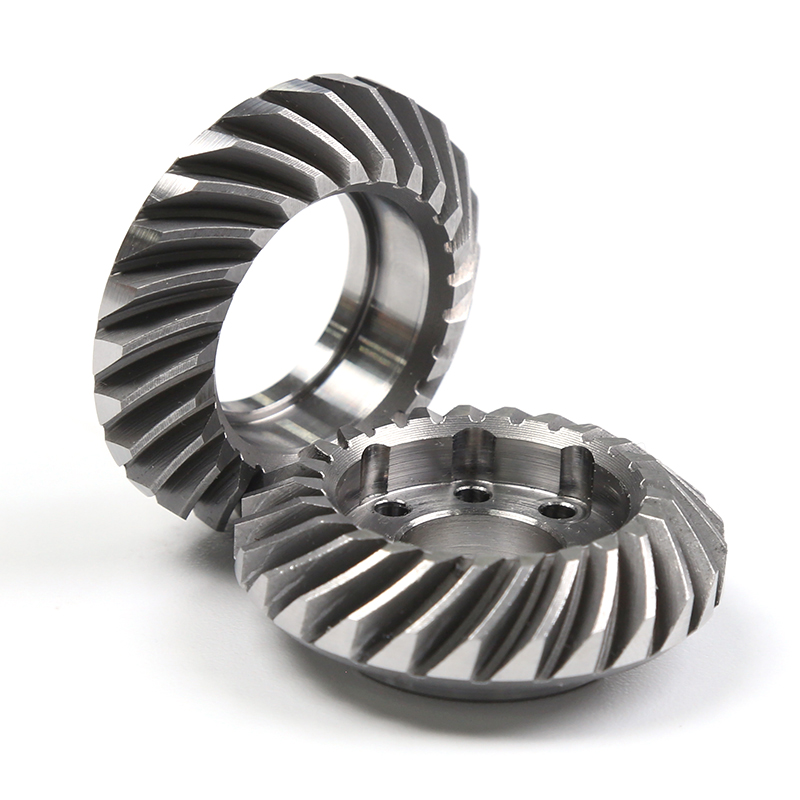
In any pair of meshing gears, when one gear rotates clockwise, the mating gear will rotate counter‑clockwise if both gears are external gears on parallel shafts. This inverse relationship is the starting point for understanding how rotation direction propagates through more complex gear trains in marine transmissions, winches, steering systems and auxiliary drives. [adorama]
For internal gears (where teeth are cut on the inside of a ring), the meshing pinion turns in the same direction as the internal gear. In worm‑gear pairs used for trim actuators and steering drives, the direction of rotation depends on the hand of the worm thread and whether the worm is driving or driven, so design engineers must check rotation at the system level, not only per pair. [adorama]
In outboard propulsion, the direction of rotation is not just a theoretical detail – it determines how the propeller pushes water and whether the boat tracks straight at speed. Marine OEMs and aftermarket upgraders must match gear‑train rotation to engine rotation, propeller design and hull characteristics to avoid unexpected handling problems. [scubemarketing]
If the rotation direction is incorrect or not properly documented:
- The propeller may deliver thrust in the wrong direction, forcing redesign of shift and control logic. [scubemarketing]
- The boat may suffer from rudder or steering torque, causing driver fatigue and poor high‑speed stability, especially on single‑engine setups. [scubemarketing]
- Multi‑engine boats may lose the benefits of counter‑rotating props, increasing cavitation and making docking more difficult. [scubemarketing]
- Counter‑rotation: Two meshing external gears on parallel shafts always rotate in opposite directions. [adorama]
- Co‑rotation: An external pinion meshing with an internal gear rotates in the same direction as the internal gear. [adorama]
In marine gearboxes, engineers combine these basic patterns with idler gears and multiple stages to achieve the required input–output rotation relationship without compromising shaft layout. [adorama]
An idler gear is placed between the driver gear and the driven gear; it does not change the overall gear ratio but flips the direction of rotation. In a two‑stage gear train: [adorama]
- Gear 1 and Gear 2: opposite directions.
- Gear 2 and Gear 3 (on the same shaft): same direction.
- Gear 3 and Gear 4: opposite directions. [adorama]
By inserting or removing idlers, outboard transmission designers can keep the propeller shaft rotating in the desired direction while adjusting shaft positions and center distances. [adorama]
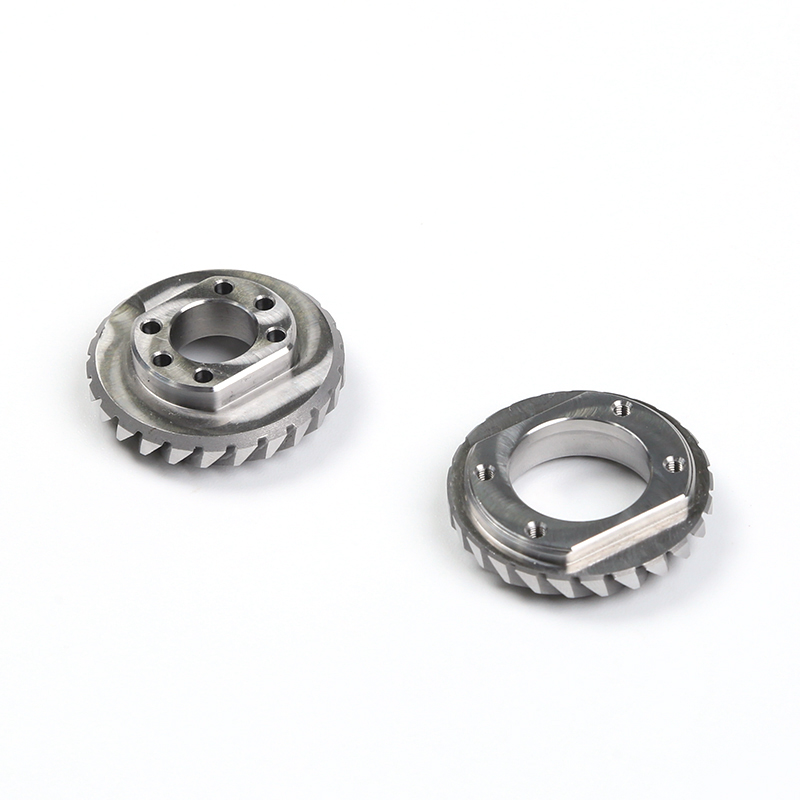
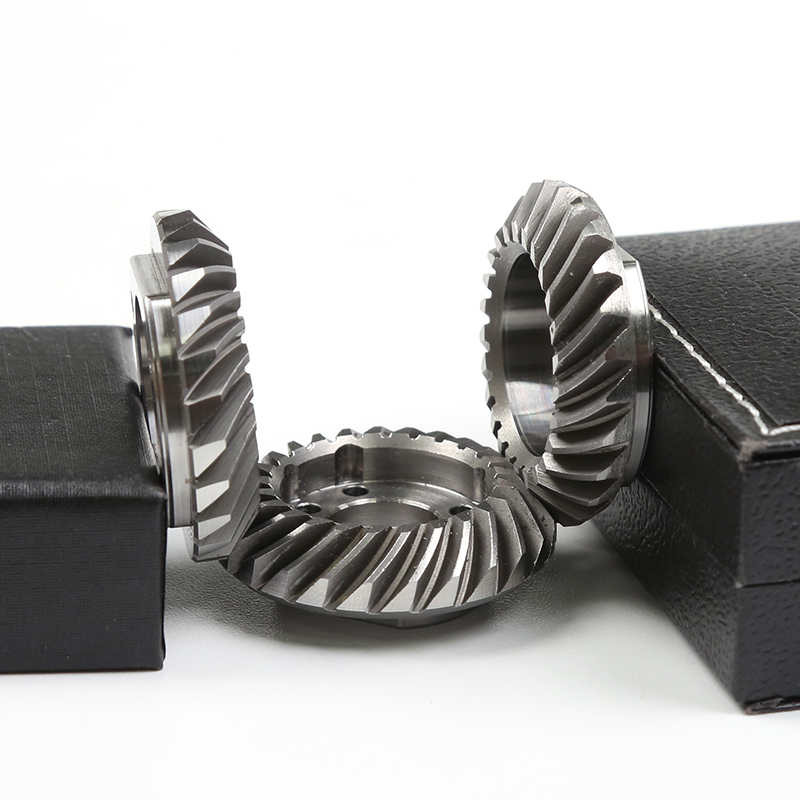
In the simplest outboard configuration, a vertical drive shaft from the powerhead drives a horizontal propeller shaft through a single spiral bevel gear pair. Here: [scubemarketing]
- Input bevel gear on the vertical shaft turns clockwise.
- Mating bevel gear on the propeller shaft turns counter‑clockwise (or vice versa). [adorama]
This arrangement defines the propeller rotation direction, which must be matched with the prop design (right‑hand or left‑hand). [scubemarketing]
Larger outboards or heavy‑duty workboat drives may use multi‑stage gear trains to achieve high reduction ratios and optimal packaging inside the gearcase. In these cases, engineers: [scubemarketing]
- Insert idler gears to maintain the desired final rotation direction.
- Combine external and internal gear pairs to reduce space and noise while keeping co‑rotation where needed. [adorama]
A common design is a two‑stage reduction where the first stage reverses rotation and the second stage reverses it again, resulting in overall co‑rotation between engine crankshaft and propeller shaft. [adorama]
For outboard gears, rotation direction is always tied to propeller hand:
- Right‑hand propeller: Viewed from astern, rotates clockwise to move the boat forward. [scubemarketing]
- Left‑hand propeller: Rotates counter‑clockwise to move the boat forward. [scubemarketing]
A gearbox that outputs the wrong rotation relative to the propeller will either:
- Deliver reverse thrust when forward gear is selected, or
- Force the use of a mismatched propeller, reducing efficiency and increasing cavitation risk. [scubemarketing]
For twin‑engine boats, designers often specify counter‑rotating props (one right‑hand, one left‑hand) to cancel torque steer and improve straight‑line tracking. That requires one gearbox to invert rotation relative to the other, even when both engines turn the same way. [scubemarketing]
From the perspective of a marine transmission engineer, ensuring correct rotation direction involves several consistent steps during design and validation.
Start with a simple schematic:
1. Define engine rotation direction (usually looking at the flywheel).
2. Sketch all gear pairs (external, internal, bevel, worm).
3. Mark rotation arrows on every shaft, stage by stage.
By walking through each mesh, you confirm how many times rotation is inverted and where co‑rotation occurs. [adorama]
Use rotation rules strategically:
- Insert an idler wherever you must flip rotation without affecting the ratio. [adorama]
- Replace a conventional external gear mesh with an internal gear mesh when you need to maintain co‑rotation but change center distance or packaging. [adorama]
This is particularly useful in compact outboard gearcases, where space around the propeller shaft is extremely limited.
In our own engineering workflow:
- CAD models include rotation direction annotations on each shaft so design, simulation and manufacturing teams align on rotation assumptions.
- During bench testing, technicians always perform a "rotation check": with the engine turning in a defined direction, they confirm that forward gear yields forward propeller thrust and reverse gear yields the opposite.
By standardizing these checks, the risk of delivering a gearbox with unexpected rotation behavior drops dramatically.
Rotation direction can be defined looking from the shaft end or from the opposite side. In drawings and service manuals, this is a frequent source of confusion. To avoid errors: [adorama]
- Always specify: "clockwise viewed from propeller side" or similar wording.
- Use consistent conventions across CAD models, BOMs and technical documentation.
Boat builders and service yards sometimes retrofit higher‑power outboards or different gearcases while reusing old props and controls. If they overlook rotation direction: [scubemarketing]
- Controls may feel "reversed" or inconsistent between engines.
- Counter‑rotating setups can unintentionally become same‑rotation setups, hurting handling.
Clear technical datasheets that state input and output rotation for each gearbox model help dealers avoid such mismatches.
From a user‑experience and SEO standpoint, your gear rotation information should be:
- Visible on every product detail page for outboard gears, lower units and gear sets (input rotation, output rotation, compatible prop hand).
- Included in downloadable PDFs (installation guides, dimension drawings).
- Summarized in a technical FAQ section for engineers and procurement managers.
This not only supports better decision‑making but also improves search visibility, as engineers often search for phrases like "counter‑rotating outboard gear set" or "left‑hand prop gearbox".
| Gear type | Shaft relationship | Rotation relationship |
|---|---|---|
| External spur/helical pair | Parallel axes | Opposite directions (counter‑rotation) (adorama) |
| External to internal gear | Parallel axes | Same direction (co‑rotation) (adorama) |
| Spiral bevel gear pair | Intersecting axes | Opposite directions (adorama) |
| Worm and worm wheel | Skew, non‑parallel axes | Depends on worm hand and mounting (adorama) |
| Idler gear insertion | Parallel axes | Flips direction without changing ratio (adorama) |
As a specialized manufacturer of outboard gears and marine transmission parts in China, Ningbo Gill Transmission Parts Co., LTD. combines advanced machining with OEM‑grade customization for international boat builders and marine system integrators. Our engineering team routinely supports customers with: [gilltransmission]
- Rotation‑specific customization: matching input/output rotation, shaft layout and propeller hand to each hull design.
- Rapid prototyping of new lower‑unit gear sets, including both right‑hand and left‑hand rotation versions for counter‑rotating twin installations.
- Application engineering support for export customers who must adapt to different propeller standards and regulatory environments in North America, Europe and Asia. [gilltransmission]
By integrating clear rotation data into our documentation and product pages, we aim to reduce design time for OEM customers and minimize installation errors for global dealers. [gilltransmission]
Before specifying or purchasing an outboard gear set or lower unit, confirm the following items:
1. Engine crankshaft rotation (clockwise or counter‑clockwise viewed from flywheel).
2. Desired propeller hand (right‑hand or left‑hand) for the target hull and steering system.
3. Gearbox input–output rotation relationship, including gear ratio and whether an idler is present.
4. Compatibility with existing controls and trim systems, especially in retrofit projects.
5. Availability of both standard and counter‑rotating versions if planning a twin‑engine configuration.
This checklist can be turned into a downloadable PDF or printable worksheet on your website to support engineers in the early design phase.
If you are designing or upgrading a marine drivetrain and need to confirm direction of rotation, gear ratios or custom shaft layouts, our engineering team at Ningbo Gill Transmission Parts Co., LTD. can help translate your requirements into a practical gear solution. Contact us with your engine model, target propeller hand and layout constraints, and we will recommend or design an outboard gear set that delivers the correct rotation, durability and performance for your application. [gilltransmission]
Q1: Why do some outboards use counter‑rotating gearboxes?
A: Counter‑rotating gearboxes allow twin‑engine boats to use opposite‑hand propellers, reducing steering torque and improving straight‑line stability, especially at higher speeds. [scubemarketing]
Q2: Does adding an idler gear change the gear ratio?
A: No. An idler gear only changes the direction of rotation between driver and driven gears; the overall ratio is determined by the tooth counts of the first and last gears in the train. [adorama]
Q3: How can I check rotation direction on an existing gearcase?
A: With the engine (or input shaft) turning in its normal direction, engage forward gear and observe the output or propeller shaft; it should rotate in the direction that produces forward thrust with the correct propeller hand. [scubemarketing]
Q4: Can I reuse my old propeller with a new gearbox?
A: You can reuse it only if the new gearbox outputs the same rotation direction and shaft splines match; otherwise, you must choose a propeller with the correct hand and hub configuration. [scubemarketing]
Q5: Where should rotation information appear in technical documentation?
A: It should appear in product datasheets, outline drawings, installation manuals and website product pages, clearly stating input rotation, output rotation and compatible propeller hand. [scubemarketing]
- KHK Gear Knowledge – "Direction of Rotation of Gears" (Japanese and English versions).
https://khkchilun.com/gearknowledge/gear-nomenclature/direction-of-rotation-of-gears.html [adorama]
https://khkgears.net/new/gear_knowledge/gear-nomenclature/direction-of-rotation-of-gears.html [seaitapp]
- Ningbo Gill Transmission Parts Co., LTD. – Company and product information.
https://www.gilltransmission.com [gilltransmission]
- Marine accessory and boat SEO/content strategy insights.
https://www.mraa.com/a-boat-dealers-guide-to-winning-with-seo/ [mraa]
https://www.scubemarketing.com/blog/marine-accessory-content-strategy [scubemarketing]
https://seaitapp.com/from-leads-to-loyal-customers-building-a-customer-retention-strategy-for-boat-dealers/ [seaitapp]


