


close
Choose Your Site
Global
Social Media
Views: 222 Author: Gill Transmission Publish Time: 2026-04-19 Origin: Site


When you depend on a marine outboard engine to start every time and run smoothly in rough water, the accuracy of its gears is not an abstract engineering concept—it is the difference between reliable propulsion and unexpected downtime. [cmgear]
As a manufacturer focused on outboard gears and marine transmission parts, we see every day how gear tolerances, inspection methods, and application choices translate into real‑world performance on the water. [ship-research]
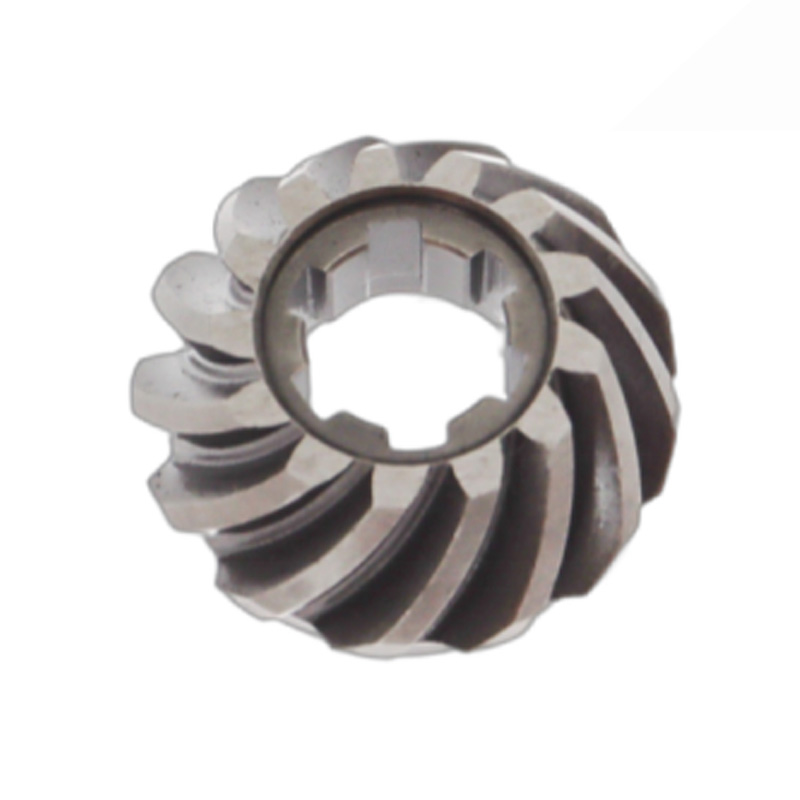
In any marine powertrain, gears convert engine power into thrust, but on an outboard engine they must do this in a compact, harsh environment: salt spray, vibration, fluctuating loads, and frequent shifting between forward, neutral, and reverse. [cmgear]
Accurate gears in outboard lower units deliver:
- Smooth shifting between forward and reverse with minimal shock. [cmgear]
- Low noise and vibration, improving onboard comfort and perceived quality. [linkedin]
- Stable backlash, reducing impact loads on gear teeth and shaft splines. [linkedin]
- Higher durability under variable torque and speed, especially in commercial or rental fleets. [cmgear]
From an end‑user perspective, "accuracy" shows up as quiet, smooth, predictable operation and a gearbox that still feels tight after hundreds of hours on the water. [linkedin]
In standards such as ISO and AGMA, gear accuracy is not one number but a combination of parameters. [linkedin]
For marine outboard gears, four dimensions are especially important:
Motion accuracy describes how closely the gear pair maintains the intended speed ratio as the teeth mesh. [linkedin]
Poor motion accuracy leads to speed fluctuations, vibration, and noise, especially noticeable at cruising RPM. [linkedin]
Running smoothness reflects how evenly the gear teeth carry load through mesh. [linkedin]
For an outboard gear set, good running smoothness means:
- Less whining or humming at mid‑range speed. [cmgear]
- Lower torsional vibration transmitted to the propeller shaft. [cmgear]
Even load distribution means that tooth contact spreads over the designed area rather than concentrating on a corner or edge. [cmgear]
Uneven contact accelerates pitting, micro‑pitting and scuffing, especially in high‑torque marine applications. [cmgear]
Backlash is the clearance between mating gear teeth. [linkedin]
In an outboard lower unit, too little backlash can cause binding as the housing and shafts deflect under load, while too much backlash leads to clunking noises and impact loads when shifting or changing throttle quickly. [cmgear]
Gear standards typically define accuracy grades or classes—higher number of precision (or lower grade number) corresponds to tighter tolerances. [linkedin]
Below is a practical way to think about gear accuracy levels for marine applications (illustrative mapping based on ISO/AGMA style classes): [cmgear]
| Application scenario | Typical accuracy need (conceptual) | Notes for outboard gears |
|---|---|---|
| Small leisure outboards, low hours | Medium grade | Balance cost and performance; focus on noise and basic durability. (cmgear) |
| High‑output recreational outboards | Medium‑high grade | Better motion accuracy and surface finish to control noise. (cmgear) |
| Commercial workboats and patrol craft | High grade | Prioritize durability and stable backlash under long duty cycles. (cmgear) |
| High‑speed racing or specialty propulsion | Very high grade | Highest precision, ground teeth, strict inspection. (cmgear) |
When selecting or designing gears for a specific boat, we consider speed, torque, duty cycle, and customer noise expectations to determine a reasonable accuracy target instead of blindly chasing the tightest grade. [linkedin]
The accuracy your customer experiences on the water is largely "baked in" during design and manufacturing. [cmgear]
Processes such as hobbing, shaping, or broaching define the basic tooth form and alignment. [cmgear]
Accurate tooling, stable fixturing, and proper cutting parameters minimize pitch and profile errors before finishing. [cmgear]
Marine gears usually require through‑hardening or case‑hardening to resist wear and surface pitting. [cmgear]
Without careful control, heat treatment can distort gears, altering tooth spacing and runout. [linkedin]
Practical controls include:
- Symmetrical loading in the furnace. [cmgear]
- Controlled quench media and agitation. [cmgear]
- Pre‑ and post‑heat‑treatment inspection to track distortion trends by batch. [cmgear]
For higher‑grade gears, tooth grinding and honing refine the profile, helix, and surface finish after heat treatment. [linkedin]
- Gear grinding can achieve very high precision (e.g., AGMA 11–13 for many geometries) when combined with precise machines and environmental control. [cmgear]
- Gear honing improves surface finish and corrects small distortions, reducing noise and extending fatigue life. [linkedin]
In outboard drives where reliability and comfort are premium, we combine optimized heat treatment with controlled grinding and honing parameters to maintain consistent quality across production runs. [linkedin]
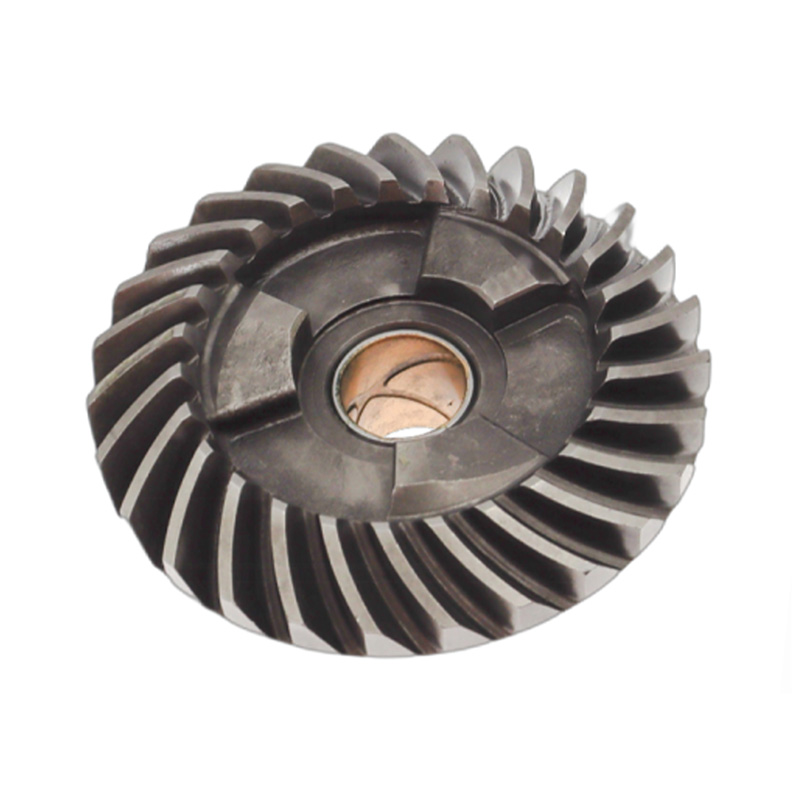
Accurate manufacturing is only meaningful if we can measure and document the results. [cmgear]
Dedicated gear analyzers and high‑precision CMMs are used to evaluate:
- Tooth profile (form and slope deviation). [cmgear]
- Helix (lead) deviation along the face width. [cmgear]
- Pitch errors (single pitch and cumulative pitch). [cmgear]
- Runout and concentricity relative to shaft or bore. [cmgear]
Best practices include controlling measurement environment at about 20 °C and using calibrated reference gears and artifacts to maintain traceability to national standards. [cmgear]
In production, rolling testers and mechanical profile checkers provide a fast, functional check. [cmgear]
- A master gear meshes with the test gear. [cmgear]
- Deviations in torque or displacement during rolling indicate errors in profile, pitch or runout. [cmgear]
This composite testing method has decades of validation and remains a trusted way to confirm that gear sets behave correctly under conditions similar to real operation. [cmgear]
Marine applications add specific constraints that do not always appear in industrial gearboxes. [ship-research]
Saltwater and humidity can quickly damage poorly protected gear surfaces and shafts, altering contact patterns. [ship-research]
Corrosion pits act as stress concentrators and can accelerate fatigue failure even when initial accuracy was within tolerance. [cmgear]
This is why we pair appropriate alloy steels and surface treatments with precision finishing and marine‑grade lubricants. [siggear]
On the water, the lower unit housing, shafts and bearings deflect under varying propeller thrust and engine torque. [ship-research]
Even if a gear pair measures perfectly in the lab, poor housing stiffness or bearing selection can lead to in‑service misalignment, concentrating load on one side of the tooth. [cmgear]
Our design and validation process therefore includes:
- Finite element analysis (FEA) of shafts and housings to predict deflection under load. [cmgear]
- Contact pattern checks under simulated thrust loads. [cmgear]
Frequent shifting between forward and reverse at the dock, or sudden throttle changes in rough water, create shock loads that test both backlash selection and tooth surface robustness. [linkedin]
Correct backlash, optimized tooth root fillet and controlled surface hardness all contribute to surviving these events without chipping or premature wear. [cmgear]
While detailed grade selection should follow ISO/AGMA or local standards, marine engineers and buyers can use a few practical rules when specifying gears for outboard drives. [linkedin]
- For high‑speed, high‑RPM outboards where cabin comfort or premium brand image is important, choose tighter profile and pitch tolerances to reduce noise and vibration. [linkedin]
- For slow‑speed utility boats, moderate accuracy with robust surface hardening may deliver better cost‑to‑value ratio. [cmgear]
Commercial operators, rental fleets and patrol units operate for many hours in demanding conditions and often run with limited maintenance. [ship-research]
In these cases:
- Prioritize consistent accuracy across batches over extreme single‑piece precision. [cmgear]
- Ensure your supplier can document capability (e.g., Cpk) on key parameters. [cmgear]
Under Google's E‑E‑A‑T, users and search engines want to see clear evidence of expertise and process control. [brandnewcopy]
When evaluating a marine gear supplier, ask for:
- Examples of gear inspection reports and typical tolerance bands. [cmgear]
- Information on inspection equipment (gear analyzers, CMMs, rolling testers). [cmgear]
- Certifications and documented procedures for heat treatment and corrosion protection. [siggear]
To make this more concrete, here is a typical inspection workflow we use for outboard gears in a production environment, based on industry best practices. [linkedin]
1. Incoming material verification
- Check steel grade, cleanliness and certificate data. [cmgear]
2. Post‑cutting measurement
- Sample gears after hobbing or shaping to confirm basic profile and pitch before heat treatment. [cmgear]
3. Post‑heat‑treatment distortion check
- Measure key diameters, runout and pitch to assess distortion. [cmgear]
4. Post‑grinding / honing inspection
- Use a gear analyzer or CMM to evaluate profile, lead and pitch against the target accuracy grade. [cmgear]
5. Composite rolling test
- Perform 100% or high‑rate rolling tests in critical applications to verify functional meshing with a master gear. [cmgear]
6. Final documentation and traceability
- Store measurement reports and batch data for traceability—this is vital to demonstrate long‑term quality and support claims in the market. [wellows]
From conversations with marine OEMs and aftermarket buyers, we have learned that clarity and transparency matter as much as raw data. [digitaldeckhand]
To help users quickly understand gear accuracy options on your website:
- Use clear specification tables that map accuracy level to recommended applications (e.g., recreational vs commercial). [digitaldeckhand]
- Provide downloadable technical data sheets with typical tolerances and inspection summaries. [wellows]
- Include diagrams or short animations showing how misalignment, backlash and profile errors affect contact patterns in a lower unit. [bristolcreativeindustries]
On the page itself, you can enhance usability with:
- Bold key terms such as gear accuracy, marine outboard gears, backlash, and gear inspection. [digitaldeckhand]
- Bullet lists summarizing selection guidelines for each boat category. [bristolcreativeindustries]
If your next project relies on quiet, durable and precisely manufactured outboard gears, it pays to work with a supplier who treats gear accuracy as a complete system—from steel selection and heat treatment to inspection and field feedback. [siggear]
As a company dedicated to research, development and production of marine outboard gears and transmission components, we can help you:
- Select appropriate gear accuracy levels for your specific boat class and duty cycle. [linkedin]
- Optimize backlash and tooth geometry for smoother shifting and lower noise. [cmgear]
- Implement inspection plans and documentation that align with your quality and compliance requirements. [wellows]
Get in touch with our engineering team to review your current gearbox design or discuss a new outboard project.
Together we can turn gear accuracy from a hidden risk into a clear competitive advantage on the water. [thatware]
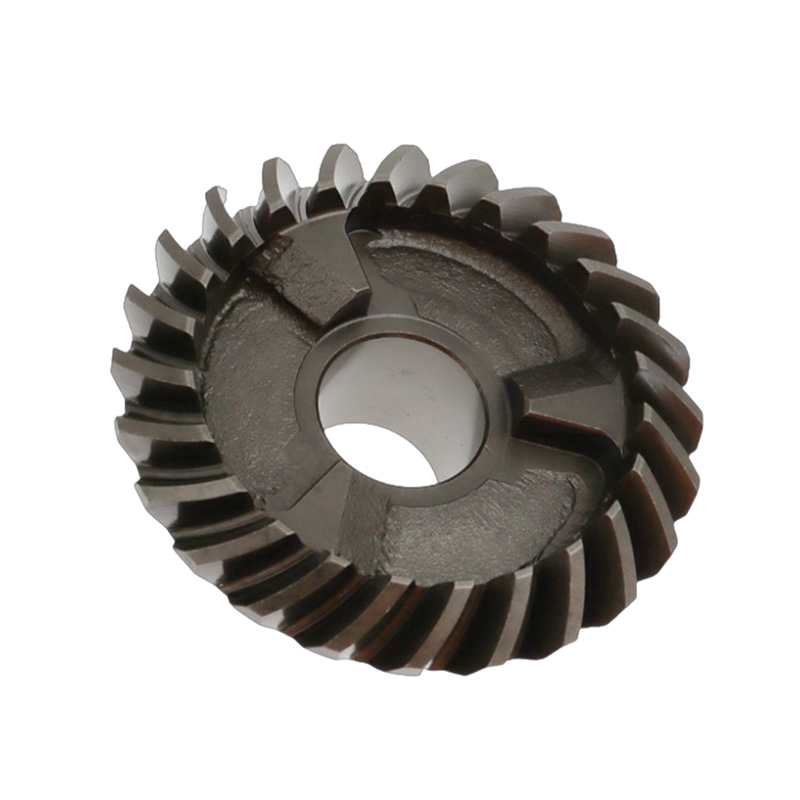
Gear accuracy describes how closely gears match their intended geometry and alignment, including profile, pitch, runout and backlash, so they transmit power smoothly and reliably. [linkedin]
Inaccurate gears create speed fluctuations and uneven load during mesh, which show up as whining and vibration at the helm or in the cabin, especially at cruising RPM. [linkedin]
Not always. Extremely high accuracy can increase cost without proportional benefit in low‑speed, low‑duty applications. The best choice balances noise, durability and budget. [linkedin]
Ask for sample inspection reports from gear analyzers or CMMs, details on measurement equipment, environmental controls, and evidence of process capability across batches. [wellows]
Backlash is part of accuracy and must be carefully selected; too little causes binding under load, too much creates impact loads and noise during shifting and throttle changes. [linkedin]
1. MRAA – "7 Simple SEO Tips for Marine Dealers."
<https://mraa.com/7-simple-seo-tips-for-marine-dealers/> [mraa]
2. Brand New Copy – "How to Write Content That Meets Google's E‑E‑A‑T Guidelines."
<https://brandnewcopy.com/content-google-e-e-a-t-guidelines/> [brandnewcopy]
3. CM Gear – "Gear Tooth Profile Inspection: Methods and Best Practices."
<https://www.cmgear.us/feeds/blog/gear-tooth-profile-inspection> [cmgear]
4. Digital Deckhand – "Top On‑Page SEO Tips for Marine Businesses."
<https://digitaldeckhand.com/on-page-seo-essentials-for-marine-businesses/> [digitaldeckhand]
5. Wellows – "E‑E‑A‑T Checklist for SEO: Strengthen Content with LLM Insights."
<https://wellows.com/blog/e-e-a-t-checklist/> [wellows]
6. LinkedIn – "Understanding Gear Transmission Accuracy: From Design to Performance."
<https://www.linkedin.com/pulse/understanding-gear-transmission-accuracy-from-design-performance-hbf0e> [linkedin]
7. ThatWare – "SEO for Ship Building Services | Marine–Maritime Companies SEO."
<https://thatware.co/seo-for-ship-building-services/> [thatware]


