


close
Choose Your Site
Global
Social Media
Views: 268 Author: Gill Transmission Parts Publish Time: 2026-07-16 Origin: Site


Content Menu
● Understanding trolling motor shaft length
● Why pontoon boats need longer shafts
● Step‑by‑step: how to measure shaft length for a pontoon
● Typical shaft length ranges for pontoon trolling motors
● Expert tips from a drive shaft manufacturer
● Common mistakes when choosing shaft length
● Practical examples and scenarios
● How Gill Transmission's expertise supports better trolling motor choices
● Actionable checklist before you buy
● Call to action: design your drive system right the first time
● FAQs
Choosing the right shaft length for a trolling motor on a pontoon boat comes down to accurate measurement from the mounting point to the waterline, then adding a safety margin so the propeller stays at least 12 inches below the surface in all conditions. For most pontoon setups, this leads to shaft lengths in the 54–60 inch range, with many anglers and manufacturers favoring around 60 inches for bow‑mount motors on higher pontoon decks. [betterboat]
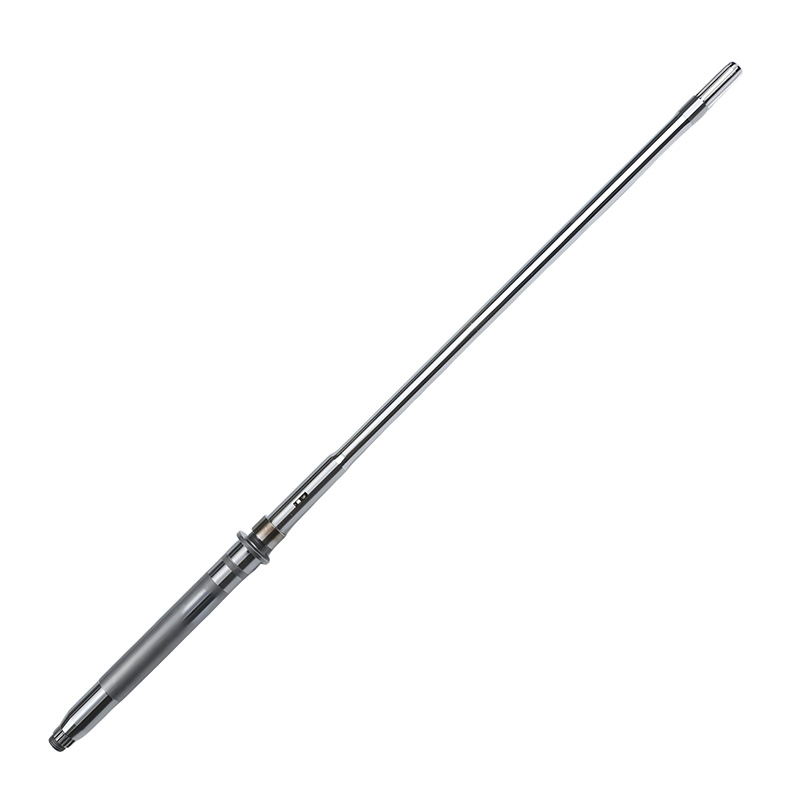
Choosing the correct shaft length is critical because it directly affects boat control, noise level, and thrust efficiency. If the shaft is too short, the propeller will frequently break the water surface, causing cavitation, excess noise and poor steering, especially in wind or waves. If the shaft is too long, the motor may be harder to stow and can sit deeper than necessary, but this is usually less problematic than having a shaft that's too short. [minnkota.johnsonoutdoors]
From a manufacturing perspective, as a company with 29 years of experience in drive shafts and propeller shafts, Gill Transmission understands that optimum shaft length is about balancing leverage, vibration control and stable torque transfer in real-world marine conditions. This engineering view helps boat owners move beyond "rule of thumb" and think in terms of precise measurements and load scenarios rather than just boat length or generic recommendations. [topnotchmarine]
Pontoon boats sit differently in the water than smaller bass or aluminum fishing boats, and that affects shaft length. Pontoons have higher, broader decks, so the mounting surface—especially at the bow—is typically much farther above the waterline than on a low‑profile hull. Because of this extra height and the tendency of pontoons to pitch and roll in waves, trolling motors on pontoon bows often require longer shafts in the 55–60 inch range. [trollingmotors]
Many practical guides note that 60 inches is a common "sweet spot" for bow‑mount trolling motors on pontoon boats, providing enough length for variable loads, chop, and anchor‑lock features while still being manageable to stow. That said, some smaller or lower‑sitting pontoons can operate adequately with 48–55 inch shafts in calmer waters, as long as measurements confirm adequate submersion. [youtube]
The most reliable way to size your shaft is to measure your boat, not copy someone else's setup. Here is a practical, measurement‑based process: [trollingmotorpro]
1. Identify your mounting location
Decide whether the trolling motor will be bow‑mounted on the front deck or transom‑mounted at the back of the pontoon. [boatdriving]
2. Measure mounting point to waterline
- At the bow, measure straight down from the mounting surface (top of the deck or bracket) to the waterline while the boat is floating in calm water under normal load (fuel, batteries, gear, passengers). [betterboat]
- At the transom, measure from the top of the transom or bracket down to the waterline in similar conditions. [youtube]
3. Add a safety margin
Industry guidelines offer slightly different add‑on values, but they share the same goal: keep the propeller at least 12 inches below the surface. [minnkota.johnsonoutdoors]
- For bow‑mount motors on pontoons, many experts suggest adding 18–25 inches for typical conditions. [topnotchmarine]
- If you often fish choppy or open water, add an extra 5–8 inches to that number to maintain submersion during pitch and swell. [youtube]
4. Compare with manufacturer shaft tables
Leading trolling motor brands publish bow‑to‑waterline vs. shaft length tables. For example, typical recommendations look like this: [minnkota.johnsonoutdoors]
| Bow to waterline (in) | Recommended shaft (in) |
|---|---|
| 22–28 | 48–52 |
| 28–34 | 54–60 |
For many pontoon bows that sit 28–34 inches above the water, the table points to a 54–60 inch shaft, again reinforcing why 60 inches is so common. [trollingmotors]
5. Round up, not down
When your calculated shaft length falls between two standard sizes, always round up. A slightly longer shaft offers extra insurance against cavitation and wave lift, while a slightly shorter shaft can quickly become unusable in rough water. [trollingmotorpro]
As a technical manufacturer of drive and propeller shafts, we also advise taking measurements with realistic payloads and checking trim after installing heavier batteries or accessories, since weight distribution can change bow height by several inches. [gilltransmission]
While every boat is different, real‑world usage and manufacturer guidance converge on a few common ranges for pontoon trolling motors: [boatsgeek]
- Bow‑mount on standard pontoon deck
- Most owners choose 54–60 inch shafts, with 60 inches favored for boats that regularly fish in variable or rough conditions. [betterboat]
- Shorter options (48–55 inches) may work for low‑sitting pontoons used mainly on calm, sheltered waters. [boatdriving]
- Transom‑mount on pontoon
- Because the transom often sits closer to the waterline, some transom mounts can use around 42–55 inch shafts, depending on freeboard and mounting bracket height. [boatdriving]
- Voltage and thrust considerations
- Many pontoon trolling motors are 24V or 36V systems with 80–115 lbs of thrust to handle the weight and windage of the larger boat. [betterboat]
- Shaft length and thrust must be matched: a well‑sized shaft with insufficient thrust will still struggle in wind, and an overpowered motor with too short a shaft will cavitate and lose effectiveness. [trollingmotors]
From the viewpoint of a shaft and propeller manufacturer, we see that owners who choose the correct length and thrust upfront not only enjoy better control but also experience less wear on drivetrain components, because the motor runs in a more stable, less turbulent flow regime. [gilltransmission]
Drawing on Gill Transmission's experience designing precision drive shafts and propeller shafts for marine applications, there are several expert considerations that often get overlooked when sizing trolling motor shafts: [gilltransmission]
- Think in terms of dynamic waterline, not static
Pontoons can ride higher or lower as people move on deck; shaft length needs to account for movement, not just dockside measurements. [topnotchmarine]
- Account for propeller diameter and hydrodynamics
Larger, high‑thrust trolling motors use bigger propellers, which need more depth to avoid surface agitation and maintain laminar flow into the blades. This often argues for erring on the side of a longer shaft if your measurements are borderline. [trollingmotorpro]
- Consider structural leverage on the mount
A longer shaft increases leverage on the mounting bracket and deck, especially at higher thrust settings. Quality drive shafts and mounts are engineered to manage this load, but it's still wise to inspect and reinforce mounting points when installing longer shafts on light or older decks. [topnotchmarine]
- Integration with other marine drive components
On boats that use both an outboard engine and a trolling motor, correct shaft length helps avoid interference with the main propeller wash and improves maneuverability when switching between systems. Manufacturers of propeller shafts and gears design components to operate efficiently when the trolling motor runs in clean, properly submerged water, not at the surface. [betterboat]
By treating trolling motor shaft length as part of a complete drive system, rather than an isolated accessory choice, you reduce vibration, noise and premature wear on everything from propeller shafts to gear sets. [gilltransmission]
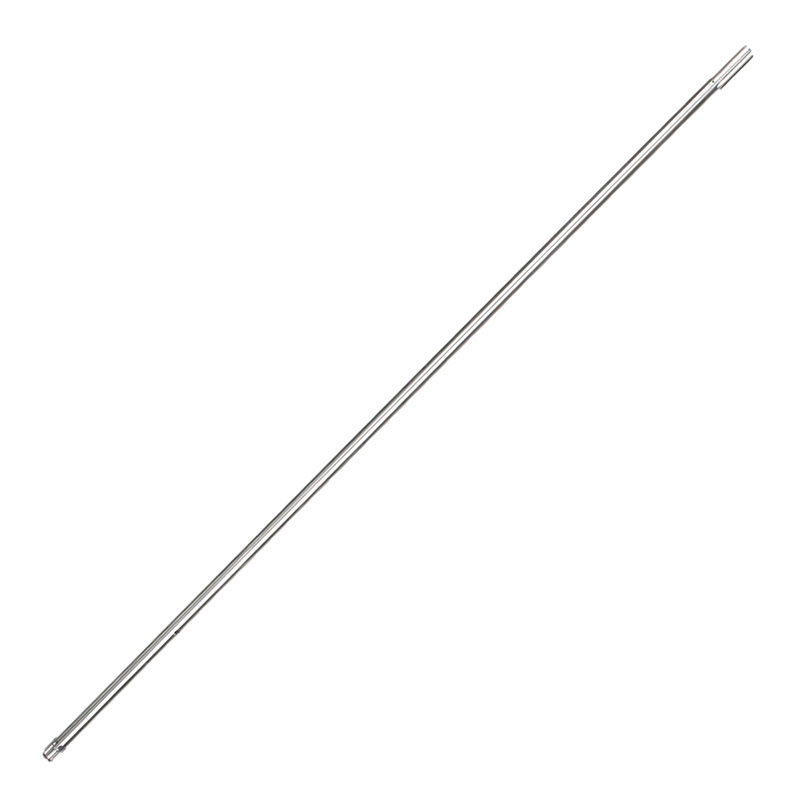
Boat owners and reviewers often report similar issues when the wrong shaft length is chosen for a pontoon: [boatsgeek]
- Underestimating bow height on pontoons
Many people measure roughly from deck to water without load, then pick a shaft that works in calm water but fails in chop once the boat is actually loaded. [betterboat]
- Using generic "boat length" rules
Some charts focus mainly on overall boat length, but for pontoons, freeboard and mounting height are more important than length alone. [trollingmotors]
- Ignoring typical water conditions
Owners who fish big, windy lakes or coastal bays often regret choosing a shaft that was "just enough" for calm water. [youtube]
- Not rounding up
User comments frequently mention wishing they had gone "one size longer" because the shorter shaft required constant depth adjustment and still cavitated. [trollingmotorpro]
Listening to these real‑world experiences reinforces the manufacturing advice: take careful measurements, add a generous safety margin, and round up to the next standard length whenever your numbers sit in between sizes. [youtube]
To make this more concrete, here are typical scenarios that align with both user feedback and manufacturer guidelines: [boatdriving]
- Family pontoon on a calm lake
- Bow‑to‑waterline measurement: about 26 inches under typical load. [topnotchmarine]
- Add 18–22 inches for submersion and safety → target 44–48 inches.
- In practice, many owners prefer a 48–52 inch shaft for extra margin. [betterboat]
- Fishing pontoon on windy reservoir
- Bow‑to‑waterline: 30–32 inches. [topnotchmarine]
- Add 23–25 inches, plus 5–8 inches for regular waves → roughly 58–65 inches. [youtube]
- Standard choice: 60 inch shaft, 24V or 36V motor with 80–112 lbs thrust. [trollingmotors]
- Transom‑mount trolling motor backup on pontoon
- Transom‑to‑waterline: 18–20 inches. [minnkota.johnsonoutdoors]
- Manufacturer tables often suggest around 42–55 inch shafts, depending on bracket height and usage. [minnkota.johnsonoutdoors]
These scenarios demonstrate why the answer is rarely one single number and instead depends on mounting point, waterline, use case and environmental conditions—but they also illustrate why 60 inches emerges repeatedly as a robust option for many bow‑mount pontoon setups. [betterboat]
Although Gill Transmission primarily designs drive shafts, propeller shafts, gears and clutch dogs for marine powertrains, the same engineering principles apply to trolling motor shaft selection. Our experience in OEM and custom shaft manufacturing highlights several quality‑driven practices that benefit pontoon owners today: [gilltransmission]
- Precision machining and balance help minimize vibration when the motor is running at varying depths and thrust levels, which is especially important on a pontoon's wide deck. [trollingmotorpro]
- Material choices and surface treatments are selected to withstand corrosion, bending loads and torsional stress in marine environments over many seasons. [gilltransmission]
- Our OEM customers rely on tight tolerances for shaft straightness and concentricity, which translate into smoother, quieter operation and less fatigue on brackets and mounting hardware. [trollingmotorpro]
When you size your trolling motor shaft correctly and pair it with quality drive components, you get a system that not only performs better day‑to‑day but also retains its alignment and reliability over years of use. [gilltransmission]
To simplify things, use this short checklist before committing to a trolling motor shaft length for your pontoon:
- Measure bow‑to‑waterline under normal load (people, fuel, batteries, gear). [minnkota.johnsonoutdoors]
- Decide on mount type (bow vs transom) and typical water conditions (calm vs rough). [youtube]
- Add at least 18–25 inches to your measurement; increase to 23–30 inches if you fish rough or open water regularly. [topnotchmarine]
- Verify submersion goal: center of motor and propeller at least 12 inches below the surface. [minnkota.johnsonoutdoors]
- Compare against manufacturer shaft length tables and round up if your calculation lands between sizes. [trollingmotorpro]
- Match shaft length with appropriate thrust and voltage for your pontoon's weight and fishing style. [boatdriving]
If your measurements and usage match typical pontoon scenarios—bow mounting on a higher deck, mix of calm and choppy water—then a 60 inch shaft is very likely to deliver the reliable, quiet control you expect. [trollingmotors]
For pontoon owners and OEM brands, getting trolling motor shaft length right the first time saves time, money and frustration on the water. If you are planning a new build, an upgrade, or an OEM project that integrates trolling motors with other marine drive components, Gill Transmission can support you with precision‑engineered drive shafts and propeller shafts that complement your chosen trolling motor configuration. [boatsgeek]
Ready to optimize your pontoon's drive system? Document your measurements and usage conditions, then consult your trolling motor manufacturer's shaft length charts—and if you need bespoke marine shaft solutions to match, reach out to Gill Transmission for OEM or custom support tailored to your boat and market. [minnkota.johnsonoutdoors]
1. What shaft length trolling motor is best for most pontoon boats?
Most bow‑mounted trolling motors on pontoon boats use 54–60 inch shafts, with 60 inches being a widely recommended choice for typical deck heights and mixed water conditions. [betterboat]
2. Can I use a 48‑inch shaft on a pontoon boat?
A 48‑inch shaft can work on lower‑sitting or smaller pontoons in calm water, but if your bow‑to‑waterline measurement plus safety margin exceeds that length, you may experience cavitation and inconsistent thrust. [boatsgeek]
3. How deep should my trolling motor propeller be in the water?
Most manufacturers recommend that the propeller tip or motor section sits at least 12 inches below the waterline to avoid churning, noise and loss of thrust. [topnotchmarine]
4. Do I need a different shaft length for rough water?
Yes. If you regularly fish rough or open water, you should add several extra inches to your calculated shaft length—often reaching 58–60 inches or more on pontoon bows—to maintain prop submersion when the bow rises in waves. [youtube]
5. Does boat length determine trolling motor shaft length?
Boat length offers a rough guideline, but for pontoon boats freeboard and mounting height are more important. Measuring from the mounting point to the waterline and following manufacturer tables will give more accurate shaft length than using boat length alone. [trollingmotors]
1. Better Boat – "Pontoon Boat Trolling Motor Shaft Length Guide" – https://betterboat.com/blogs/pontoon/proper-shaft-length-pontoon-boat-trolling-motors [betterboat]
2. TrollingMotors.net – "Picking the Best Trolling Motor for Your Pontoon" – https://www.trollingmotors.net/collections/pontoon [trollingmotors]
3. Better Boat – "Trolling Motors for Pontoon Boats: A Buying Guide" – https://betterboat.com/blogs/pontoon/trolling-motor-pontoon-boat [betterboat]
4. Boats Geek – "Pontoon Boat Trolling Motor Shaft Length: What To Know" – https://boatsgeek.com/pontoon-trolling-motor-shaft-length/ [boatsgeek]
5. Boat Life Masters – "What Trolling Motor Shaft Length Is Best For My Boat?" – https://www.youtube.com/watch?v=n-B5vUNnlcU [youtube]
6. Minn Kota – "Trolling Motor Selection and Boat Size Guide" – https://minnkota.johnsonoutdoors.com/us/support/trolling-motor-installation-guides/motor-selection-boat-size-guide [minnkota.johnsonoutdoors]
7. Top Notch Marine – "Trolling Motor Shaft Length Guide" – https://www.topnotchmarine.com/trolling-motor-shaft-length-guide-top-notch-marine-in-melbourne-fl/ [topnotchmarine]
8. Gill Transmission – "Gear, Drive Shaft, Propeller Shaft, Clutch Dog Manufacturer" – https://www.gilltransmission.com/ [gilltransmission]
9. BoatDriving.org – "Trolling Motor for Pontoon Boat (Shaft Length & Thrust Guides)" – https://www.boatdriving.org/can-you-put-a-trolling-motor-on-a-pontoon-boat/ [boatdriving]
10. TrollingMotorPro – "Trolling Motor Shaft Length (Essential Guide)" – https://trollingmotorpro.com/trolling-motor-shaft-length-guide/ [trollingmotorpro]


