


close
Choose Your Site
Global
Social Media
Views: 222 Author: Amanda Publish Time: 2026-02-11 Origin: Site


Content Menu
● Why Proper Drive Shaft Inspection Matters
● The Role of Transmission Shafts and Couplings
● Common Signs That a Drive Shaft Needs Inspection
● Tools and Safety Precautions for a Drive Shaft Check
>> Safety First
● Step-by-Step: How to Check a Marine Drive Shaft
>> Step 1 – Visual Inspection of the Shaft and Hardware
>> Step 2 – Manual Play and Vibration Check
>> Step 3 – Dial Indicator Test for Shaft Runout
● How to Inspect Coupling Alignment and Shaft-to-Engine Alignment
>> Step 4 – Check Coupling Face Alignment
● Advanced Checks: Transmission Output Shaft and Bearings
>> Step 5 – Inspect Transmission Output and Bearings
● How Transmission Design Affects Drive Shaft Life
>> Material and Surface Finish Choices
>> Impact of Gear and Coupling Design
● Real-World Case Studies in Drive Shaft Inspection
>> Case 1 – Persistent Inboard Vibration Traced to a Bent Shaft
>> Case 2 – Worn Gear Bearing Causing Transmission Shaft Vibration
● Best Practices for Routine Drive Shaft Maintenance
>> Regular Inspection Intervals
>> Lubrication and Seal Checks
>> Monitoring Vibration Trends
● When to Contact a Drive Shaft Manufacturer or Specialist
● Conclusion and Clear Call to Action
● Frequently Asked Questions (FAQ)
>> 1. How often should I inspect my marine drive shaft?
>> 2. What does excessive shaft play indicate?
>> 3. Can I straighten a bent drive shaft?
>> 4. How do I know if couplings are misaligned?
>> 5. Should I replace couplings when installing a new drive shaft?
If you own an inboard or stern-drive boat, understanding how to check drive shaft health is critical for safety, performance, and long-term reliability. A worn, misaligned, or bent drive shaft can cause vibration, noise, fuel inefficiency, and even catastrophic drivetrain failure. This guide walks you through a step-by-step marine drive shaft inspection, including practical tools, clear warning signs, and when to consult a professional such as Ningbo Gill Transmission Parts Co., LTD. for custom shafts, couplings, and transmission components.
By the end of this article, you will know how to visually inspect a drive shaft and transmission shaft, how to test for vibration, play, and misalignment, how to interpret common symptoms and diagnose issues, how to align coupling faces and maintain shaft systems, and when to contact a marine drive shaft manufacturer for OEM or after-market solutions.
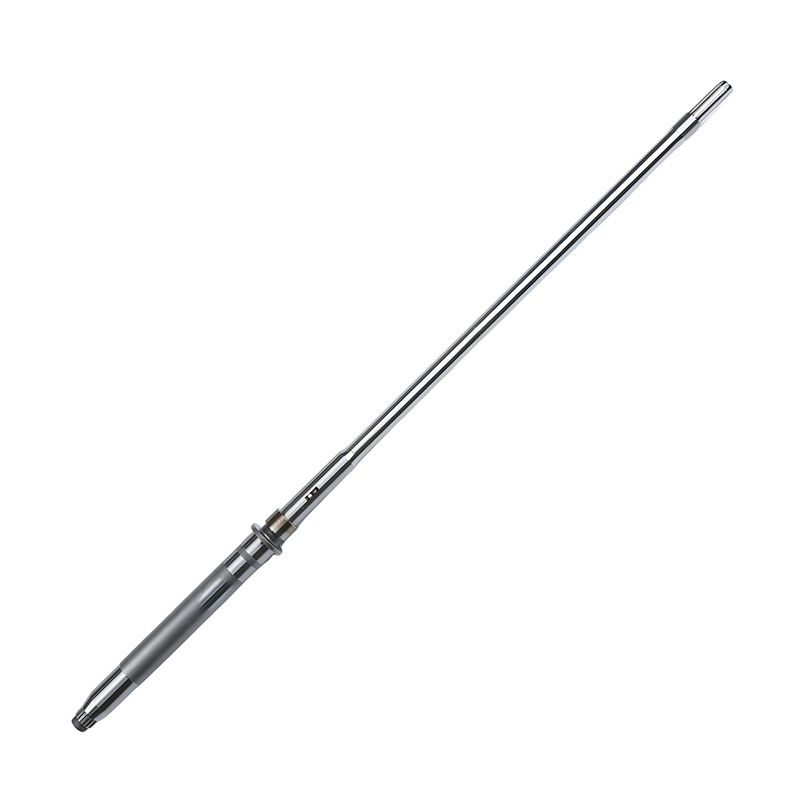
A drive shaft transfers power from the engine or transmission to the propeller. If the shaft is bent, worn, or misaligned, vibration increases, bearings and seals wear prematurely, gear teeth and couplings can strip or crack, and fuel efficiency drops while speeds may be limited. For commercial vessels, fishing boats, and yachts, a single drive shaft failure can mean lost trips or downtime, expensive repair or replacement, and safety hazards when operating offshore.
Regular inspection helps you catch problems early, often before vibration or noise become obvious. It also provides a clear condition baseline for planning maintenance and replacements instead of running the shaft until failure.
In marine applications, the drive shaft often connects to a transmission output shaft, a gear assembly such as a reversing gear or stern drive, and a flexible coupling between engine and gearbox or between gearbox and shaft. Checking the entire shaft line, from transmission to propeller, is essential, not just the visible shaft section.
The transmission shaft and coupling quality directly affect shaft runout, vibration, and bearing life. Precision-machined transmission shafts, properly matched couplings, and correctly tightened fasteners all work together to keep the drive line straight, stable, and efficient.
Before you raise the boat or shut down the engine, watch for these typical symptoms that suggest a drive shaft or transmission shaft problem:
- Excessive vibration under throttle or at specific RPM ranges.
- Clunking or knocking noises when shifting between forward, neutral, and reverse.
- Unusual noise from the gearbox, v-drive, or stern drive unit.
- Visible play when you move the propeller or shaft by hand.
- Oil or gear lube leaks near the shaft seal, stuffing box, or coupling.
- Increased fuel consumption with no change in load, route, or speed.
- Discolored, cracked, or excessively worn shaft bearings or seals.
If any of these are present, you should schedule a full drive shaft inspection before operating the boat at high speeds or on long offshore trips.
To perform a professional-level marine drive shaft inspection, prepare the following tools and equipment:
- Safety gloves and eye protection.
- Torque wrench and socket set for couplings and mounting hardware.
- Dial indicator and magnetic base for precise runout measurement.
- Feeler gauges in a range around 0.001" to 0.025".
- Bright flashlight or borescope for confined spaces.
- Wrench set for propeller nuts and shaft hardware.
- Caliper or micrometer for measuring wear and shaft diameter.
- V-block supports or vee-blocks for checking straightness of removed shafts.
- Clean rags, solvent, and basic cleaning tools for removing grease and debris.
Always prioritize safety when working around marine drivetrains. Never inspect a running engine or rotating drivetrain components. Secure the boat, place the control in neutral, and disable the ignition or use a lockout procedure to prevent accidental start. Allow the transmission and gearbox to cool before working around them, and be cautious around sharp edges, heavy components, and confined spaces. If you are unfamiliar with the system, consult a certified marine technician or the shaft manufacturer.
Start with a careful visual inspection of all accessible shaft components. Examine the shaft surface for bends, dents, corrosion, scoring, or heavy pitting. Pay attention to areas near the stuffing box, seals, and bearing locations, where corrosion and wear often concentrate. Look for rust buildup or cracked paint around mounts and brackets, which can indicate movement or flexing under load.
Inspect all fasteners and couplings along the shaft line. Check bolts, nuts, and locking devices on the coupling and transmission output for tightness and corrosion. Ensure there are no missing fasteners or damaged threads. Examine the coupling faces for uneven wear, fretting, or misalignment marks that may reveal past or current alignment issues.
Finally, examine shaft seals and bearings. On inboard installations, inspect the shaft seal or stuffing box for leaks, scoring on the shaft where the seal rides, and signs of overheating. Look closely at the cutlass or strut bearing for cracks in the rubber, distortion, or looseness in the housing.
After the visual inspection, conduct a manual play test. With the engine off, the gearbox in neutral, and the boat secured, rotate the propeller by hand. Feel for roughness, tight spots, or any grinding sensations that might indicate bearing damage or debris. Grasp the propeller and gently push and pull it sideways to check radial movement and in-out to check axial movement.
There should be minimal movement in a healthy system. Excessive play suggests worn bearings, a worn stuffing box, or looseness in the couplings. Note any audible knocking or clunking when you move the shaft, as this often points to bearing wear or misaligned components. If possible, have a helper slowly turn the shaft while you place your hand along the shaft line to feel for irregularities or localized resistance.
A dial indicator test is one of the most accurate ways to check how straight a drive shaft is. Mount the magnetic base of the dial indicator to a stable point such as the hull, strut, or gearbox housing. Position the indicator tip against a clean, smooth section of the shaft near the propeller taper, near the shaft log or strut, and near the transmission output coupling.
Zero the dial indicator, then slowly rotate the shaft by hand through one full revolution. Observe the total movement of the indicator needle. Small amounts of runout are normal and depend on shaft length and manufacturer tolerances, but excessive runout indicates bending or deformation. Repeat the measurement at multiple points along the shaft to identify local bends or misalignment.
If the measured runout exceeds typical marine tolerances, you may need to remove the shaft for further inspection and straightening or replacement. A professional shaft shop can straighten minor bends using controlled pressure and verify the final runout.
Poor alignment between the engine, transmission, and drive shaft is a leading cause of vibration, bearing wear, and seal failure. Verifying and correcting alignment should be part of any serious drive shaft inspection.
Begin with the boat in its normal operating condition, ideally in the water or properly supported to simulate loaded hull shape. Ensure that the engine and gearbox are at normal position and under no mechanical load. Loosen the coupling bolts slightly so that the two halves can move if there is misalignment.
Insert feeler gauges between the coupling faces at the top, bottom, left side, and right side, and record the gap at each position. A properly aligned coupling will have nearly identical gaps at all points. Large differences in gap measurements show that the engine and shaft are no longer parallel.
Rotate the coupling 90 degrees and repeat the measurements to confirm the pattern. If the gap changes significantly as you rotate, the misalignment may involve both angular and parallel components. Adjust the engine mounts by raising or lowering the appropriate corners of the engine to correct the misalignment. Re-measure after each adjustment until the gaps are within acceptable tolerance.
Good coupling alignment reduces bearing load, lowers vibration levels, and extends the life of seals, gears, and the drive shaft itself.
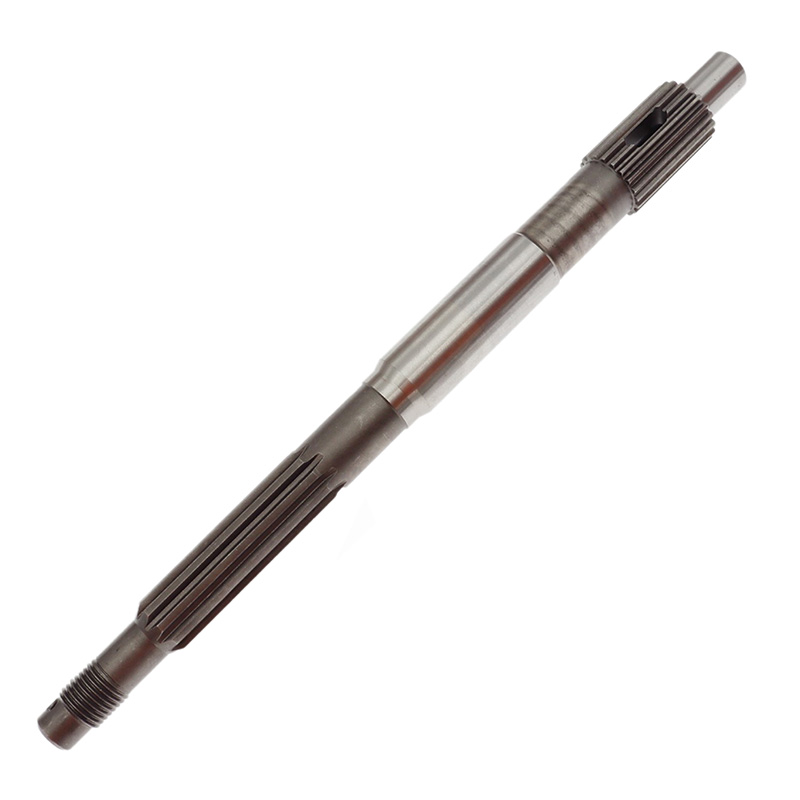
For inboard and stern-drive systems, the transmission output shaft is the starting point of the drive line. If boat vibration appears to originate near the gearbox, the output shaft and its bearings require close inspection.
Carefully remove any guards or panels around the transmission output area. Look for oil stains, drips, or seepage around the output seal or bearing housings, which can signal wear or seal damage. Inspect the housing and surrounding structure for cracks, corrosion, or loose fasteners.
Gently attempt to move the transmission output shaft by hand. Push and pull it axially and wiggle it radially while observing any movement. There should be very little play. Excessive movement indicates bearing wear or housing damage. If possible, mount a dial indicator on the transmission housing with the tip touching the shaft end. Measure the movement as you push and pull to quantify bearing clearance.
If the gearbox design allows, inspect the drain plug or filter for metallic particles and consider an oil analysis to look for elevated levels of wear metals. High levels of iron or other metals can point to bearing or gear wear, even if external signs are minimal.
When significant wear is found at the transmission output, the bearings, seals, and sometimes the shaft itself may need to be serviced or replaced by an OEM-certified workshop.
Modern marine drive shafts and transmission shafts are commonly made from high-strength stainless steel for corrosion resistance or case-hardened carbon steel for high load capacity on gear teeth and splined sections. Surface finish is carefully controlled to minimize friction, reduce stress concentration, and improve sealing performance at contact surfaces.
Ningbo Gill Transmission Parts Co., LTD. can tailor shaft diameters, lengths, keyway or spline profiles, and surface treatments to specific vessel requirements. Options such as nitriding or special coatings can further improve wear resistance and corrosion performance in harsh marine environments.
The design and quality of gears and couplings significantly influence drive shaft life. Flexible couplings can absorb minor misalignments and reduce shock loads on the shaft. High-precision gearboxes with controlled backlash reduce vibration and gear noise. Properly balanced rotating assemblies lower overall vibration levels across the operating RPM range.
Custom transmission shafts and couplings, designed for your vessel's power rating, duty cycle, and hull type, help prevent chronic vibration problems and premature shaft failures.
A 38-foot motor yacht experienced persistent vibration at mid-range cruising RPM. Initial checks of the propeller and cutlass bearing revealed no obvious damage or wear, and the gearbox oil appeared clear and clean. However, a dial indicator test on the propeller shaft near the taper revealed excessive runout beyond typical marine tolerances.
The shaft was removed and inspected on vee-blocks, confirming a slight bend. A specialist straightened the shaft and verified the corrected runout on a bench. After reinstallation and careful coupling alignment, the vibration levels dropped dramatically, and the boat's fuel economy and comfort improved.
A commercial fishing vessel reported noise from the gearbox and intermittent vibration at low engine speeds. The propeller and shaft appeared visually intact, but manual play tests at the transmission output shaft revealed noticeable movement. Further inspection and measurement with a dial indicator confirmed excessive bearing clearance.
The gearbox was removed and disassembled by a specialist shop. Worn output bearings and a damaged seal were replaced, and the output shaft was inspected for runout and surface condition. After reassembly and realignment of the coupling, vibration and noise were eliminated. Although the drive shaft itself was straight, the earlier gearbox issues had already stressed the coupling, illustrating the importance of inspecting the entire drive line.
A structured inspection schedule helps prevent unexpected failures. Recreational boats should have their drive shafts visually inspected at least once a year, preferably before the main boating season. Commercial vessels, charter boats, and high-hour operations should inspect shafts every 250 to 500 engine hours. Any grounding, propeller strike, or impact with debris warrants an immediate inspection of the propeller, shaft, bearings, and couplings.
Keep gearbox oil or gear lube at the correct level and change it according to the manufacturer's schedule or more often in severe conditions. Inspect shaft seals, stuffing boxes, and dripless seals regularly for leakage and overheating. Replace packing or seals if adjustment no longer controls leakage. Monitor cutlass and strut bearings for cracks, grooves, looseness, or unusual wear patterns and replace them before excessive play develops.
Consistently monitoring vibration helps detect issues early. Keep a log of vibration levels, RPM ranges where vibration starts and stops, and any changes after maintenance or impacts. Consider using handheld vibration meters or integrated engine monitoring systems to quantify vibration and compare data over time. Sudden changes in vibration patterns usually indicate a developing problem in the shaft, propeller, bearings, or engine mounts.
There are several situations where working with a dedicated marine drive shaft manufacturer or drivetrain specialist adds significant value. If you confirm or strongly suspect a bent or damaged drive shaft, professional inspection and straightening or replacement are recommended. When you need custom shaft dimensions, non-standard couplings, or specific materials for performance upgrade or retrofit projects, a specialized manufacturer can provide engineered solutions.
You should also consider professional assistance if you experience recurring bearing or seal failures along the same shaft line, persistent vibration problems that remain after basic inspections, or if you are upgrading engine power and need to verify shaft diameter and material suitability. Ningbo Gill Transmission Parts Co., LTD. can provide OEM-equivalent or upgraded marine drive shafts, transmission shafts, couplings, and gears, along with technical guidance on inspection, alignment, and installation.
Understanding how to check drive shaft condition is essential for safe, efficient, and reliable marine operations. Regular inspection, accurate runout measurement, proper coupling alignment, and early detection of bearing or shaft wear can prevent costly repairs, reduce downtime, and extend the life of your entire drive line. A systematic inspection approach also builds confidence in your vessel's performance before long trips or heavy work cycles.
If your latest inspection reveals vibration, excessive play, visible wear, or if you are planning an upgrade or replacement of your marine drive shaft system, the next step is to work with a trusted specialist. Contact Ningbo Gill Transmission Parts Co., LTD. today to discuss your vessel, operating conditions, and technical requirements. Our team can help you specify and supply high-quality marine drive shafts, transmission shafts, couplings, and gears, and offer expert guidance on installation and alignment so your boat runs smoother, safer, and more efficiently on every voyage.
Contact us to get more information!
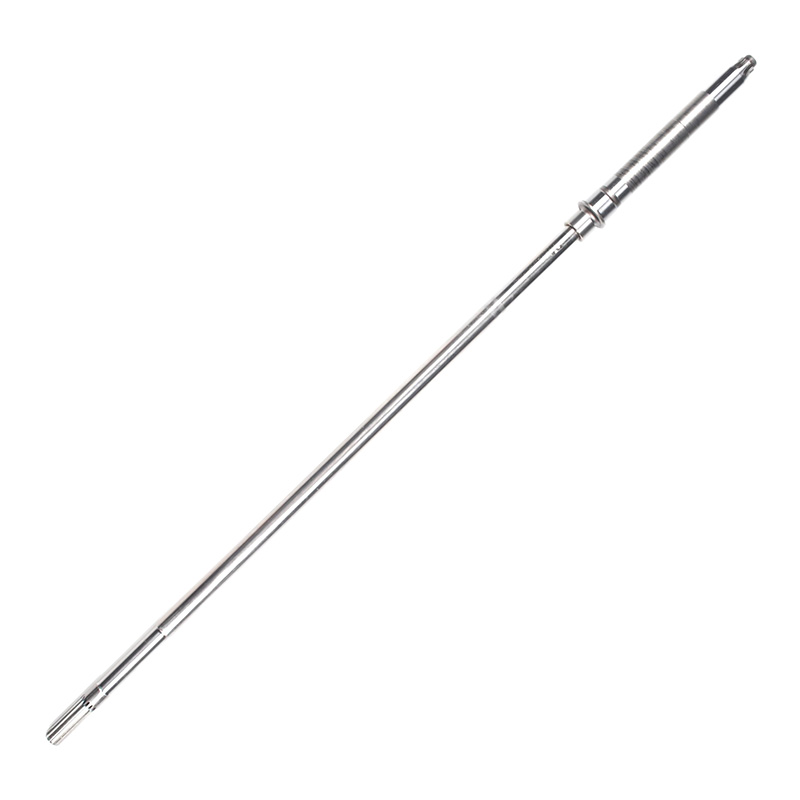
For most recreational boats, at least one complete drive shaft inspection per year is recommended, ideally before the main boating season. Commercial vessels, charter boats, and other high-usage craft should inspect shafts every 250 to 500 engine hours. Any collision with submerged objects, unusual vibration, or propeller damage should trigger an immediate additional inspection.
Excessive shaft play usually indicates wear in bearings, bushings, or seals. If you can visibly move the shaft sideways or hear knocking while you move the propeller by hand, the cutlass bearing, strut bearing, or stuffing box may be worn. Excessive axial movement may point to transmission output bearing wear or loose couplings. These conditions should be corrected as soon as possible to avoid secondary damage.
A slightly bent drive shaft can often be straightened by a specialized shop using presses and precision measurement tools. The process involves carefully applying force to the shaft while tracking runout with a dial indicator until it falls within acceptable limits. Severely bent shafts or shafts with cracks or deep scoring are usually not worth repairing and should be replaced with new units designed for the vessel's power and dimensions.
Common symptoms of misaligned couplings include increased vibration, unusual wear around the coupling faces, and uneven gaps when measured with feeler gauges. When you insert feeler gauges between the coupling faces at several points, the gap should be almost the same all around. Large differences in gap or patterns where the gap opens on one side and closes on the opposite side indicate misalignment that needs correction through engine mount adjustments.
Replacing couplings when you install a new drive shaft is often a wise investment, especially on older vessels or systems that have experienced vibration problems. Couplings wear over time, and installing a new shaft on a worn coupling can reduce the benefits of the replacement. Replacing couplings, bearings, and seals together with the shaft helps create a fresh, well-aligned system and lowers the risk of return visits for vibration or leakage issues.
1. https://boatingmag.com/how-to-diagnose-and-fix-inboard-shaft-vibration/
2. https://www.practical-sailor.com/systems-propulsion/prop-and-shaft-check/
3. https://www.tigeowners.com/forum/technical-overview/how-to/1258250-how-to-check-and-adjust-propeller-shaft-alignment
4. https://jlmmarine.com/blogs/outboard-101/propeller-vibrations-diagnosing-bent-shafts-or-blades
5. https://boatingmag.com/boats/inboard-drive-train-inspection-tips/


