


close
Choose Your Site
Global
Social Media
Views: 222 Author: Amanda Publish Time: 2026-02-12 Origin: Site


Content Menu
● What Is a Drive Shaft and Why Greasing Matters
● How Often Should You Grease a Drive Shaft?
>> Signs Your Drive Shaft Needs Greasing
● Essential Tools and Materials for Greasing a Drive Shaft
● Identifying Grease Points on a Drive Shaft
● Step-by-Step: How to Grease a Drive Shaft Safely
>> 2. Locate and Clean the Grease Fittings
>> 5. Grease the Slip Yoke or Sliding Spline
>> 6. Rotate and Check All Remaining Fittings
>> 7. Final Inspection and Cleanup
● Common Mistakes to Avoid When Greasing a Drive Shaft
● Special Considerations for Marine Drive Shafts and Outboard Applications
● Recommended Drive Shaft Greasing Frequency Table
● When to Call a Professional or Replace Components
● How Ningbo Gill Transmission Parts Co., LTD Supports Reliable Drive Shafts
● Take the Next Step: Protect Your Drivetrain Today
● FAQs About Greasing a Drive Shaft
>> FAQ 1: What kind of grease should I use on a drive shaft?
>> FAQ 2: Can I over-grease a drive shaft?
>> FAQ 3: What happens if I never grease my drive shaft?
>> FAQ 4: Do all drive shafts have grease fittings?
>> FAQ 5: How do I know if my marine drive shaft is properly maintained?
Keeping your drive shaft properly greased is one of the most cost-effective ways to prevent premature wear, vibration, and unexpected breakdowns in vehicles and marine power systems. In this guide, you will learn how to grease a drive shaft step by step, what mistakes to avoid, and how professional suppliers like Ningbo Gill Transmission Parts Co., LTD can support your long-term drivetrain reliability.
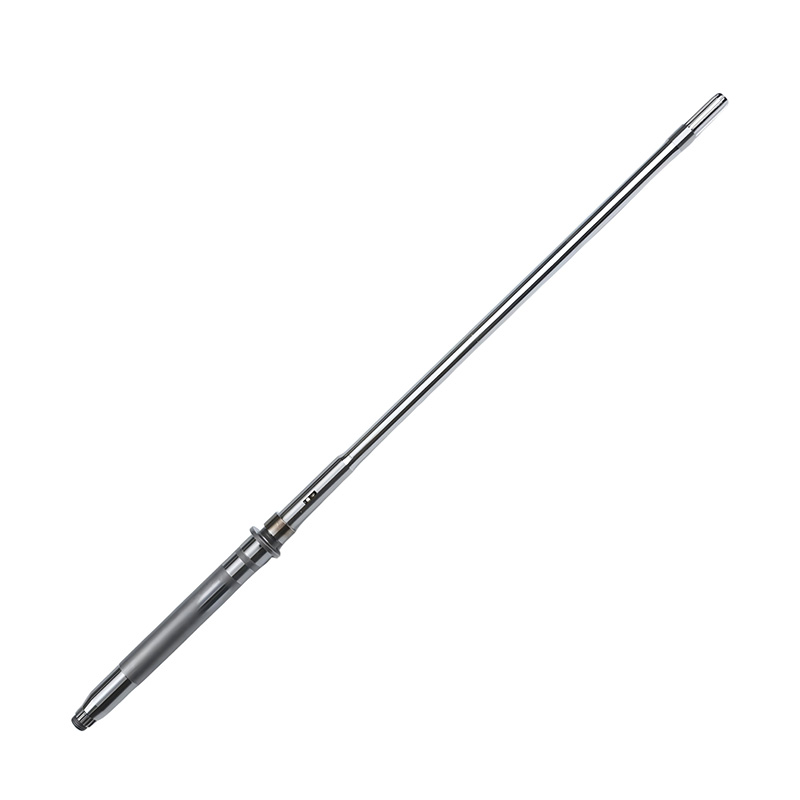
A drive shaft is the rotating component that transfers torque from the engine or gearbox to the differential, propeller, or final drive, depending on whether you are working on an automotive, industrial, or marine application. It usually works together with universal joints (U-joints), slip yokes, and various bushings or couplings to accommodate misalignment and movement.
Because these components run under heavy load and at high rotational speeds, proper lubrication is critical to:
- Reduce metal-to-metal contact and wear.
- Minimize vibration and noise during operation.
- Prevent corrosion and moisture intrusion, especially in marine environments.
- Extend the service life of U-joints, splines, and bushings.
Neglecting regular greasing can lead to seized U-joints, damaged slip yokes, shaft imbalance, and ultimately catastrophic drivetrain failure.
There is no single interval that fits every application, but there are widely accepted reference ranges that can be adjusted to your operating conditions and duty cycles.
Typical greasing intervals include:
- On-road light trucks and SUVs: every 15,000–20,000 miles or at every second or third engine oil change, depending on driving conditions.
- Heavy-duty trucks: at routine chassis lubrication intervals, often every service or at manufacturer-specified mileage.
- Marine drive shafts: at least once per season, and more frequently for boats operating in saltwater or harsh conditions.
You should also grease the drive shaft any time it has been dismantled for maintenance, such as when replacing a water pump, coupling, or bushing.
Watch for these warning signs that lubrication may be insufficient:
- Clunking or knocking noises when shifting from drive to reverse.
- Vibration or shuddering under acceleration.
- Squeaking noises at low speed that change with vehicle speed.
- Visible rust, dry joints, or dirty and contaminated grease around U-joints or slip yokes.
If any of these are present, it is safer to inspect and grease the drive shaft immediately instead of waiting for the next scheduled interval.
Before you start, prepare all necessary tools and materials to make the process clean, safe, and efficient.
Tools and supplies you will need:
- Grease gun (manual, pneumatic, or battery-powered) compatible with your grease fittings.
- High-quality chassis or multipurpose grease that meets the vehicle or equipment manufacturer's specifications.
- Clean rags or shop towels to wipe fittings and excess grease.
- Safety stands or ramps (for vehicles) to provide safe access underneath.
- Protective equipment: gloves, eye protection, and suitable clothing.
Optional but recommended:
- Flashlight or inspection lamp for better visibility around U-joints.
- Cardboard or drip trays to protect the floor from spilled grease.
Most greasable drive shafts have small fittings called zerk fittings (or grease nipples) that allow you to inject grease into the component.
Common lubrication points include:
- U-joints (spider bearings) at each end of the shaft.
- Slip yokes or sliding splines on shafts that change length during suspension or alignment movement.
- Center support bearings or carrier bearings on multi-piece shafts, when designed with grease fittings.
On some vehicles or boats, you may need to rotate the drive shaft by hand, with the transmission in neutral and the engine off, to bring the fittings into an accessible position for the grease gun.
This general procedure applies to many automotive and light-duty applications, and the basic principles also help with marine and industrial shafts. Always cross-check with the manufacturer's service manual for your specific model before you begin.
- Park the vehicle on a level surface or secure the boat safely on land.
- Engage the parking brake and chock the wheels (for vehicles).
- Shift the transmission to neutral so the shaft can be rotated by hand.
- Safely raise and support the unit with stands or ramps if more clearance is needed.
- Identify all grease fittings on the drive shaft, U-joints, and slip yokes.
- Wipe each fitting clean using a rag to remove dirt, old grease, and debris.
- Make sure the fitting area is free of contamination before you attach the grease gun.
Cleaning is essential to avoid pumping contamination into the bearings and shortening component life.
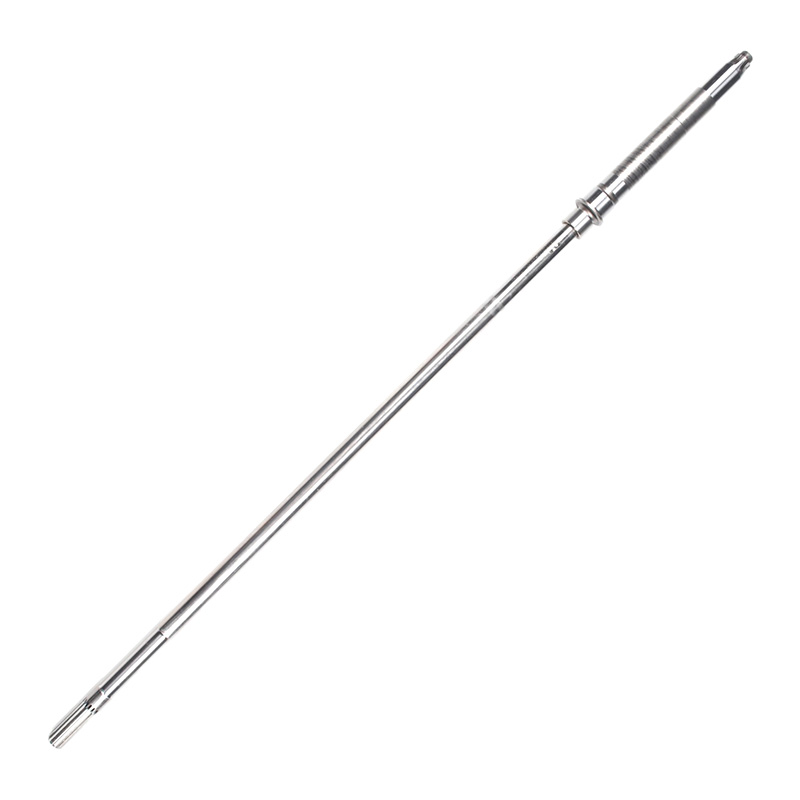
- Load the recommended grease into your grease gun and bleed any trapped air according to the grease gun manufacturer's instructions.
- Push or clip the grease gun coupler straight onto the zerk fitting until it locks in place.
- Check that the coupler is firmly attached to prevent leaks and ensure that grease flows into the component instead of squeezing out around the fitting.
- Pump the grease gun with a controlled number of strokes into each U-joint fitting, or as recommended by the equipment manufacturer.
- Watch the bearing seals closely; you typically want to see a small bead of fresh grease start to appear at the seals, which indicates the joint is full.
- Stop pumping once fresh grease appears; over-greasing can damage seals and create excess pressure.
- Wipe away any excess grease from the joint with a clean rag.
- Attach the grease gun to the slip yoke fitting.
- Pump enough grease to ensure that fresh lubricant displaces the old grease and fills the internal splines.
- On some designs, the shaft may move slightly as the slip section fills with grease; this is normal, but avoid pumping so much that it forces seals outward.
- Remove the coupler and wipe away excess grease to prevent dirt accumulation.
- Rotate the drive shaft by hand to access any fittings that were initially hidden.
- Repeat the greasing process on each remaining U-joint or bearing.
- Confirm that every lubricated point shows evidence of fresh grease and that no fittings were missed.
- Double-check that all fittings are intact and not leaking.
- Make sure there is no excess grease on exhaust components or hot surfaces, as it can smoke or burn off.
- Lower the vehicle or boat securely, remove wheel chocks, and perform a short test run to confirm that noise and vibration levels are normal.
Avoid these frequent errors to protect your components and ensure truly effective lubrication.
- Over-greasing the slip yoke so much that seals are blown out or the shaft is forced outward excessively.
- Neglecting to clean fittings before greasing, which pushes dirt directly into bearings.
- Ignoring inaccessible fittings that require shaft rotation, leaving parts unlubricated.
- Using the wrong grease type or mixing incompatible greases.
- Skipping inspection of boots, seals, and couplings for damage or excessive play.
By following controlled pump counts and stopping as soon as clean grease appears, you can avoid most lubrication-related failures.
Marine drive shafts and outboard systems operate in a far more corrosive environment than typical road vehicles, so they demand stricter and more consistent lubrication practices.
Key points for marine users include:
- Use marine-grade, water-resistant grease that stays in place even when exposed to moisture and salt.
- Inspect and grease all rotating bushings, couplings, and steering housings with grease nipples to prevent corrosion and seizure.
- Pay particular attention when shafts pass through hulls or struts; shaft seals, bushings, and stuffing boxes should be inspected regularly.
- For dripless shaft seals, follow the manufacturer's guidance on inspection intervals and cooling water connections for vessels operating at higher speeds.
For operators running commercial or high-duty cycles, adopting a preventive maintenance schedule and partnering with a specialist shaft components supplier can significantly reduce unplanned downtime.
Application type | Typical environment | Recommended greasing interval |
Light trucks and SUVs | Mixed on-road use | Every 15,000–20,000 miles or every 2–3 oil changes |
Heavy-duty trucks | Commercial and industrial | At each chassis lube service, according to fleet or OEM schedule |
Off-road 4x4 vehicles | Dust, mud, water crossings | Inspect and grease at each off-road trip or at least monthly |
Pleasure boats | Freshwater | At least once per season, plus after major disassembly |
Commercial marine vessels | Saltwater | According to hours of operation and OEM guidance, often monthly or better |
Greasing is preventive, but it cannot fix already damaged components. You should consult a professional technician or consider replacement when you notice any of the following conditions:
- Persistent vibrations even after proper balancing and lubrication.
- Blue discoloration, severe rust, or scoring on the shaft surface.
- Excessive play in U-joints or slip yokes.
- Repeated failure of seals or bushings in a short time frame.
In such cases, replacement of the drive shaft, U-joints, or associated transmission parts is often more cost-effective than continuous short-term repairs.
As a specialist in the research, production, and sales of marine and transmission components, Ningbo Gill Transmission Parts Co., LTD focuses on providing durable parts that respond to real-world operating conditions. Our product range includes:
- Outboard gears and gear sets designed for long service in harsh marine environments.
- Crankshafts, drive shafts, and propeller shafts engineered for high torque and smooth rotation.
- Customized transmission solutions for OEMs and professional fleet operators.
By combining correct greasing practices with high-quality components, operators can significantly reduce warranty claims, unplanned downtime, and overall lifecycle costs.
If you require tailored solutions for specific vessel types, load profiles, or operating environments, our engineering team can help you define the best shaft materials, surface treatments, and lubrication strategies for your application.
If you want to maximize the performance and lifespan of your drive shafts, combining proper greasing with high-quality components is essential. Whether you operate a private boat, manage a commercial fleet, or build equipment as an OEM, Ningbo Gill Transmission Parts Co., LTD can provide tailored drive shafts, outboard gears, crankshafts, and transmission solutions to match your exact requirements.
Contact our technical team today to discuss your application, request drawings or samples, or schedule a consultation on optimizing your drive shaft design and maintenance plan. By partnering with an experienced transmission parts supplier, you can turn regular greasing into a powerful tool for better reliability, lower operating costs, and safer long-term operation.
Contact us to get more information!
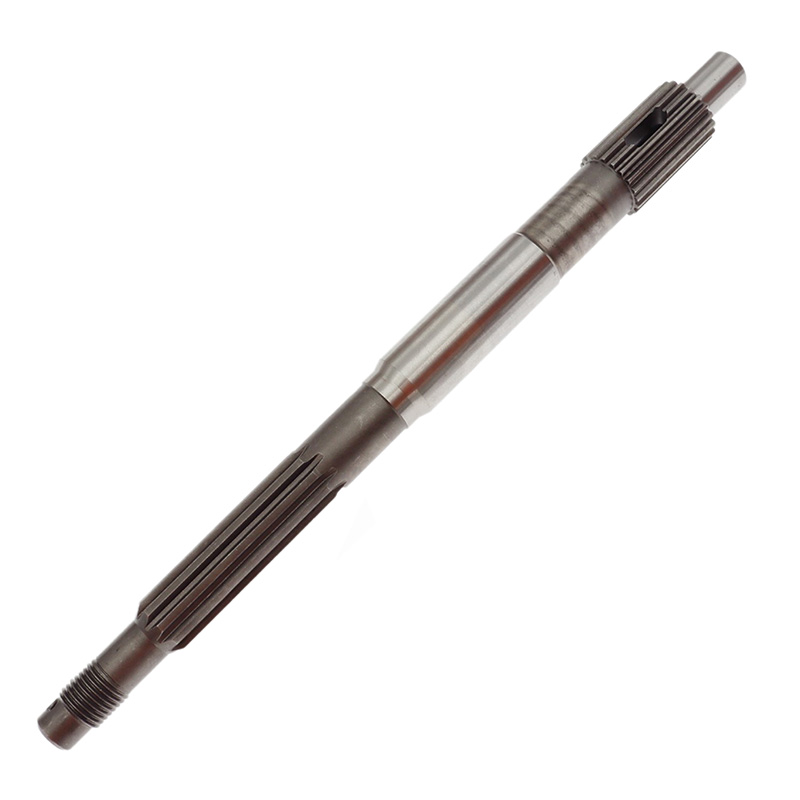
Use a high-quality grease that meets the vehicle or equipment manufacturer's specification. In many automotive and industrial cases, this will be an NLGI-2 lithium or lithium-complex grease for chassis and U-joints. For marine applications, choose a marine-grade, water-resistant grease that maintains lubrication even when exposed to moisture and salt.
Yes, it is possible to over-grease a drive shaft. Over-greasing can blow out seals, force components out of position, and trap heat inside the joint. To avoid this, apply a controlled number of pump strokes and stop as soon as you see fresh grease appear at the seals or reach the manufacturer's recommended amount.
Lack of lubrication leads to dry bearings, corrosion, and metal-to-metal contact. Over time, this causes noise, vibration, accelerated wear of U-joints and splines, and in severe cases, complete shaft failure or separation. Regular greasing is a simple, low-cost way to avoid major drivetrain repairs.
No, not all drive shafts have grease fittings. Some modern vehicles use sealed-for-life U-joints or shafts without external fittings, which cannot be greased. These components must be replaced when they wear out or begin to show signs of failure such as noise, vibration, or excessive play.
A well-maintained marine drive shaft runs smoothly with minimal vibration, has no excessive rust or scoring, and shows intact seals with clean, fresh grease at inspection points. It also passes routine checks for alignment, seal condition, and bearing play. Keeping a written maintenance log with dates, operating hours, and greasing records is an effective way to verify that your shaft is being serviced on schedule.
1. How to Maintain the Drivetrain on Your Boat – Power & Motoryacht: https://powerandmotoryacht.com/maintenance/how-to-maintain-the-drivetrain-on-your-boat/
2. Greasing Drive Shafts – IH8MUD Forum: https://forum.ih8mud.com/threads/greasing-drive-shafts.1113425/
3. Grease Driveshaft Discussion – r/Diesel: https://www.reddit.com/r/Diesel/comments/13c4g9b/grease_driveshaft_how_far_should_i_push_it/
4. How to Grease GX460 Drive Shaft DIY – YouTube: https://www.youtube.com/watch?v=60WH0Nwrc-U
5. How to Grease Drive Shaft on Toyota and Lexus Vehicles – YouTube: https://www.youtube.com/watch?v=7THVBtFi5lc
6. Quick Drive Shaft Maintenance Talk – YouTube: https://www.youtube.com/watch?v=T1UQMLrZr3o
7. How to Grease Your 4WD Double Cardan Driveshaft – YouTube: https://www.youtube.com/watch?v=vwCfcWAAsgQ
8. Greasing the Drive Shaft – iboats Forum: https://forums.iboats.com/threads/greasing-the-drive-shaft.644929/
9. Drive Shaft Bushing Removal – Marine Maintenance – YouTube: https://www.youtube.com/watch?v=KtVM30o5Gx0
10. How to Properly Grease a Semi-Truck – YouTube: https://www.youtube.com/watch?v=0ESATqaUavU


