


close
Choose Your Site
Global
Social Media
Views: 211 Author: Gill Transmission Parts Publish Time: 2026-07-28 Origin: Site


Content Menu
● Understanding the Basics of Marine Shaft Systems
● What Is an Outboard Motor Drive Shaft?
● Outboard Motor Drive Shafts vs Propeller Shafts: Core Differences
>> Structural and Functional Comparison
● Material Selection: Why It Matters More Than You Think
● Manufacturing Process Differences
● Performance Impact on Marine Systems
>> Example Case
● Common Failure Modes and How to Prevent Them
● Industry Trends and Technological Advancements
● How to Choose the Right Shaft for Your Application
● Why Manufacturing Expertise Makes the Difference
>> What Sets High-Quality Manufacturers Apart
● FAQ: Outboard Motor Drive Shafts vs Propeller Shafts
>> 1. Can a drive shaft be used as a propeller shaft?
>> 2. Which shaft requires more corrosion resistance?
>> 3. How often should marine shafts be inspected?
>> 4. What is the most common cause of shaft failure?
>> 5. Does shaft quality affect fuel efficiency?
In marine propulsion systems, outboard motor drive shafts and propeller shafts are two critical components that often get confused—yet they serve fundamentally different purposes. With nearly three decades of hands-on manufacturing experience at Ningbo Gill Transmission Parts Co., LTD., we have seen how misunderstanding these components can lead to poor performance, premature failure, and costly downtime. This guide breaks down their differences from both an engineering and real-world application perspective.
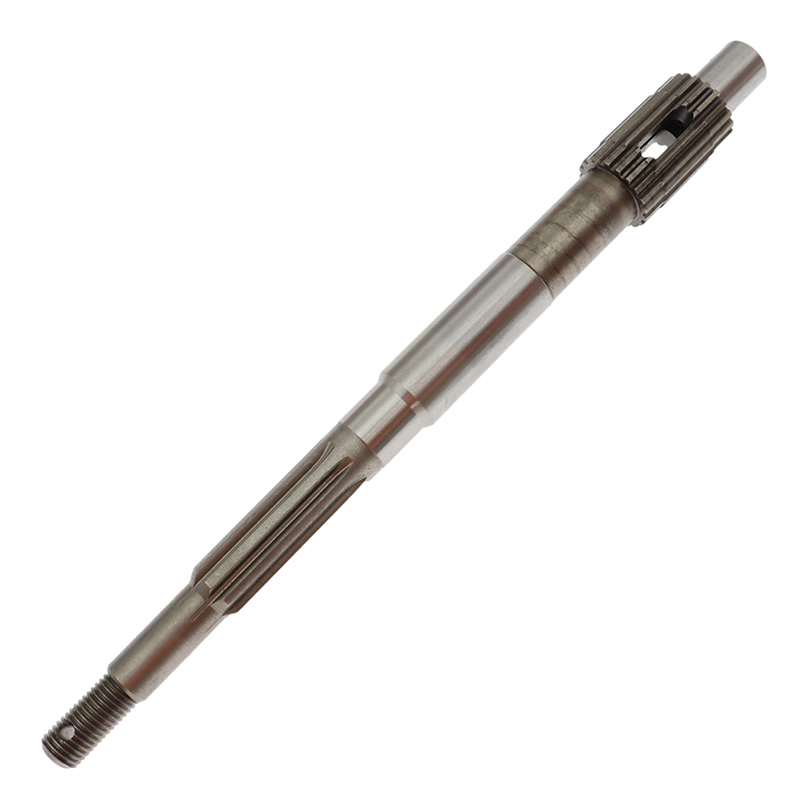
Before diving into comparisons, it's important to understand how power flows in a marine propulsion system.
- The engine generates rotational energy
- The drive shaft transmits power internally
- The propeller shaft delivers power to the propeller
Although both are "shafts," their positions, loads, and design requirements differ significantly.
The outboard motor drive shaft is a vertical shaft located inside the outboard motor. It connects the engine's crankshaft to the lower unit gearbox.
- Transfers rotational power from engine to gearcase
- Operates at high RPM (often 5,000–6,000+)
- Maintains alignment under vibration and torsional stress
- Typically made from high-strength alloy steel
- Precision machined for tight tolerances
- Often treated with corrosion-resistant coatings
- Designed for vertical power transmission
From field observations, drive shaft failures are often linked to misalignment or poor heat treatment, especially in lower-cost manufacturing environments. High-quality shafts undergo induction hardening to improve fatigue resistance.
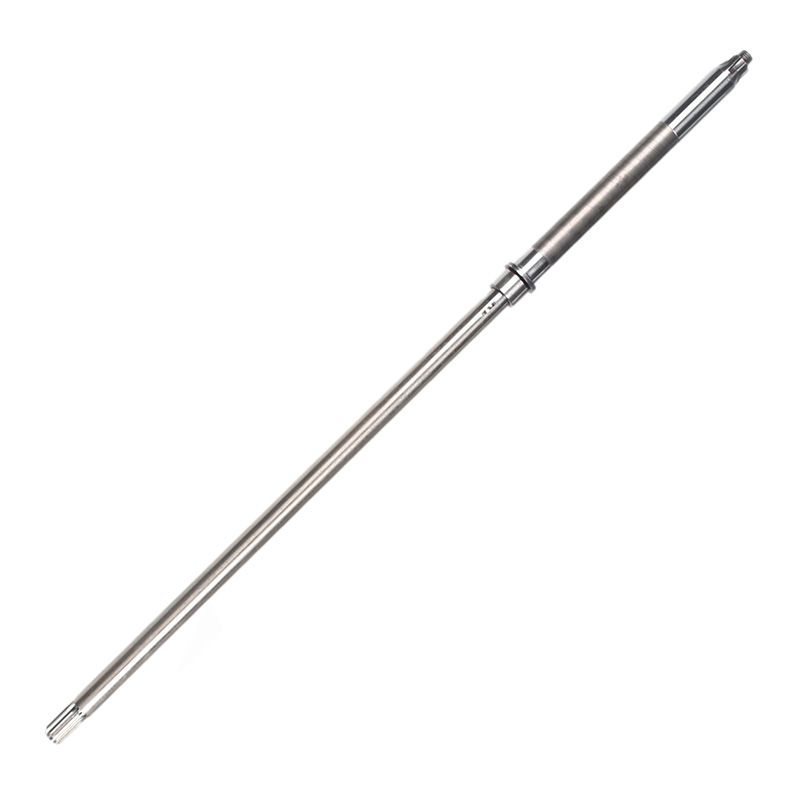
The propeller shaft is a horizontal shaft that extends from the gearbox to the propeller. It directly transfers torque to generate thrust.
- Converts rotational energy into propulsive force
- Handles high torque loads
- Operates in direct water exposure
- Built with marine-grade stainless steel or duplex steel
- Designed for torsional strength and corrosion resistance
- Often includes keyways or splines for propeller mounting
In saltwater environments, corrosion and cavitation damage are the most common causes of propeller shaft degradation. Material selection plays a decisive role in lifespan.
- Position
- Drive Shaft: Inside engine housing (vertical)
- Propeller Shaft: Extends outward (horizontal)
- Primary Role
- Drive Shaft: Transfers engine power internally
- Propeller Shaft: Drives propeller for thrust
- Load Type
- Drive Shaft: High-speed rotational load
- Propeller Shaft: High torque + thrust load
- Material Focus
- Drive Shaft: Fatigue resistance
- Propeller Shaft: Corrosion + torsion resistance
- Exposure
- Drive Shaft: Protected environment
- Propeller Shaft: Direct marine exposure
Material choice directly impacts durability, especially in marine environments.
Drive Shafts
- Alloy steel (e.g., 42CrMo)
- Induction-hardened steel
Propeller Shafts
- Stainless steel (AISI 316)
- Duplex stainless steel
- Nickel-aluminum bronze (for specialized applications)
In our manufacturing experience, switching from standard stainless steel to duplex stainless steel can increase propeller shaft lifespan by up to 40% in high-salinity waters.
1. Forging or bar stock preparation
2. CNC turning and grinding
3. Heat treatment (quenching and tempering)
4. Surface finishing and coating
1. Precision forging or casting
2. CNC machining
3. Dynamic balancing
4. Anti-corrosion treatment
- Drive shafts require precision alignment and fatigue resistance
- Propeller shafts require balance and corrosion protection
A slight imbalance in a propeller shaft can lead to vibration, noise, and bearing failure.
Understanding the distinction helps optimize overall system performance.
- Affects power transmission efficiency
- Impacts engine vibration levels
- Determines gearbox lifespan
- Directly affects thrust efficiency
- Influences fuel consumption
- Impacts vessel speed and stability
A mid-size fishing vessel experienced 15% efficiency loss due to minor bending in the propeller shaft. After replacement with a dynamically balanced shaft, fuel consumption dropped significantly.
- Fatigue cracking
- Misalignment wear
- Spline damage
Prevention Tips
- Regular alignment checks
- Use hardened materials
- Ensure proper lubrication
- Corrosion pitting
- Cavitation erosion
- Bending or warping
Prevention Tips
- Use corrosion-resistant alloys
- Install shaft seals correctly
- Perform periodic inspections
The marine shaft industry is evolving with new technologies.
- Advanced coatings improving corrosion resistance
- Laser cladding for surface reinforcement
- Finite element analysis (FEA) for stress optimization
- Smart monitoring systems detecting shaft vibration in real time
Manufacturers adopting these technologies report:
- Up to 25% reduction in failure rates
- Improved lifecycle predictability
- Lower maintenance costs
When selecting between or specifying these components, consider:
- Vessel type (commercial, recreational, industrial)
- Operating environment (freshwater vs saltwater)
- Load requirements (speed vs torque)
- Maintenance accessibility
- Choose high-strength alloy drive shafts for high-RPM engines
- Choose corrosion-resistant propeller shafts for harsh marine environments
With 29 years of experience, we have learned that precision and consistency are the defining factors in shaft reliability.
- Strict material traceability
- Advanced heat treatment processes
- Tight dimensional tolerances
- Comprehensive testing (hardness, balance, fatigue)
A well-manufactured shaft can outlast standard alternatives by several years, especially in demanding marine conditions.
If you are sourcing or upgrading marine shaft components, do not treat drive shafts and propeller shafts as interchangeable. Their design purpose, material requirements, and performance impact are fundamentally different.
Work with a manufacturer that understands both components holistically, not just as individual parts but as critical elements of a complete propulsion system.
For tailored solutions or technical consultation, consider reaching out to a specialized manufacturer with proven marine experience.
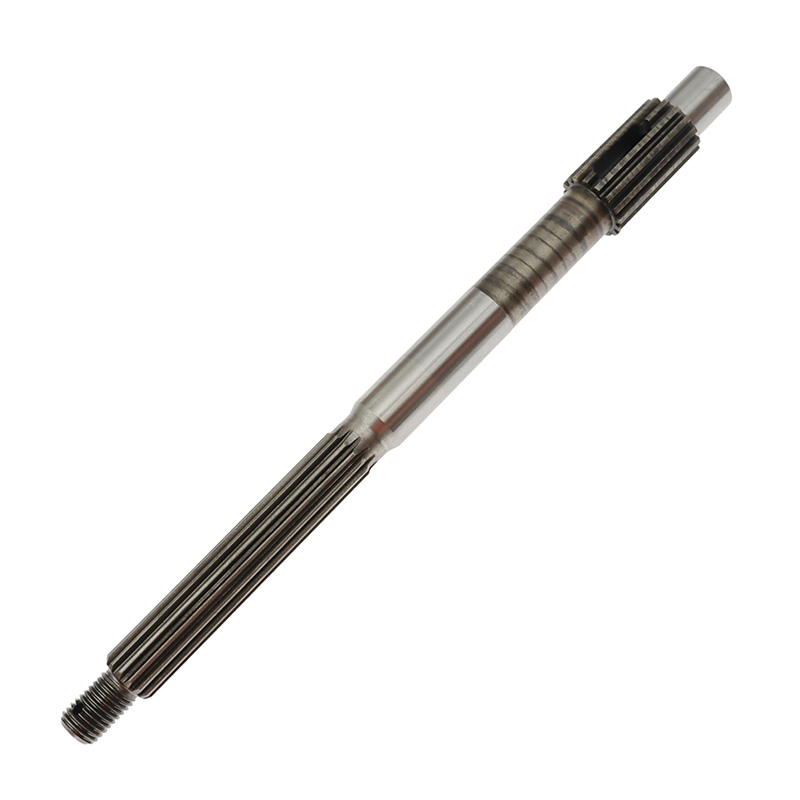
No. They are designed for entirely different orientations, loads, and environments.
The propeller shaft, because it is directly exposed to water.
Typically every 6–12 months, depending on usage and environment.
For drive shafts: fatigue and misalignment.
For propeller shafts: corrosion and imbalance.
Yes. Poorly balanced or worn shafts can significantly increase fuel consumption.
1. https://www.marineinsight.com/tech/propeller-shaft-and-its-function/
2. https://www.boatus.com/expert-advice/expert-advice-archive/2019/july/shaft-alignment
3. https://www.sciencedirect.com/topics/engineering/drive-shaft
4. https://www.engineeringtoolbox.com/stress-shafts-d_947.html
5. https://www.nace.org/resources/general-resources/corrosion-basics


