


close
Choose Your Site
Global
Social Media
Views: 222 Author: Amanda Publish Time: 2026-02-13 Origin: Site


Content Menu
● What Is a Boat Drive Shaft and Why It Matters
● Signs Your Boat Drive Shaft Needs Replacement
● Safety and Preparation Before Replacing a Marine Drive Shaft
>> Tools and Materials You May Need
● Step‑by‑Step: Removing a Boat Drive Shaft
>> 1. Access the Shaft, Coupler, and Seal
>> 2. Disconnect the Shaft Coupler
>> 3. Release the Stuffing Box or Dripless Seal
>> 4. Remove the Propeller and External Hardware
>> 5. Slide the Shaft Out of the Boat
● Step‑by‑Step: Installing a New Boat Drive Shaft
>> 1. Verify the New Shaft Specifications
>> 2. Insert the New Shaft Through the Hull
>> 3. Reinstall the Coupler on the Shaft
>> 4. Rebuild the Stuffing Box or Dripless Seal
● Essential Alignment and Inspection After Installation
● First Sea Trial After Drive Shaft Replacement
● Maintenance Tips to Extend Boat Drive Shaft Life
● When to Work With a Professional Marine Shaft Supplier
● Take Action: Secure a Reliable Drive Shaft Solution for Your Boat
● Frequently Asked Questions (FAQ)
>> 1. Can I replace a boat drive shaft myself?
>> 2. How often should I inspect my boat's drive shaft?
>> 3. What is the best material for a marine drive shaft?
>> 4. Do I need to replace the cutlass bearing when I replace the shaft?
>> 5. What happens if my drive shaft is misaligned?
Replacing a boat drive shaft is a critical job that directly affects performance, vibration, and onboard safety. This comprehensive guide explains what a marine drive shaft does, how to diagnose problems, and how to safely remove, install, align, and maintain a new shaft for reliable operation.
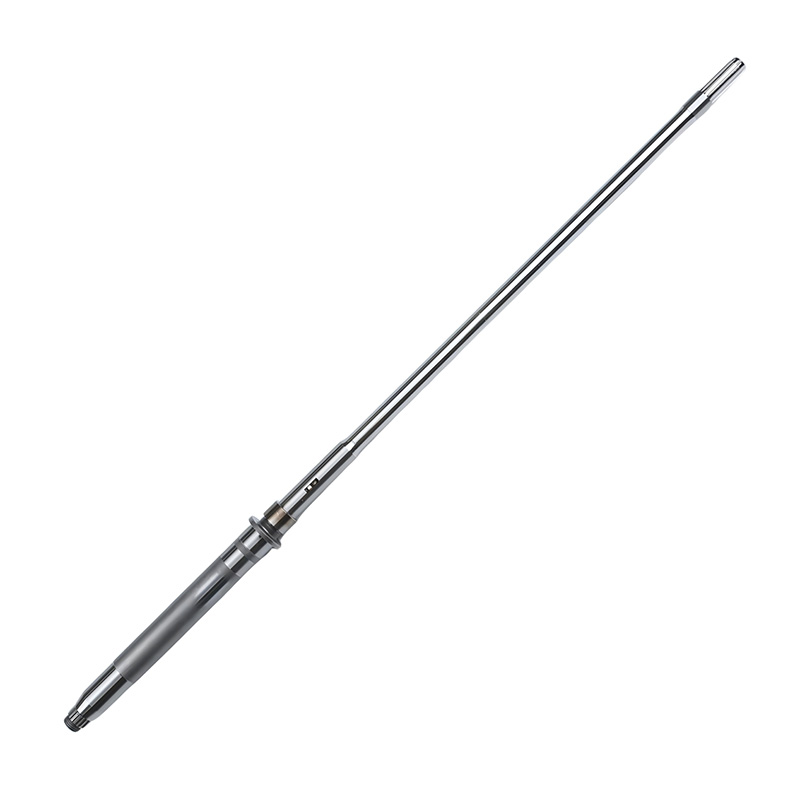
A boat drive shaft (also called a propeller shaft or prop shaft) transfers engine power to the propeller, turning rotational energy into thrust that moves the vessel forward or backward. Inboard boats, sterndrives, and some outboard systems all rely on a straight, well‑supported shaft to avoid vibration and premature wear.
Key functions of a marine drive shaft:
- Transmits torque from the engine or gearbox to the propeller.
- Maintains alignment through struts, couplers, and bearings.
- Works with stuffing boxes or dripless seals to keep water out of the hull.
- Influences fuel efficiency, top speed, and comfort on board.
When a shaft is bent, corroded, or misaligned, you can experience vibration, noise, seal leaks, or even catastrophic failure at the coupling. Timely inspection and replacement prevent more serious damage to the gearbox, bearings, and hull structure.
Recognizing early warning signs helps you avoid breakdowns on the water and costly secondary damage.
Common symptoms of drive shaft problems:
- Unusual vibration under load, especially at specific RPM ranges.
- Rattling, knocking, or grinding noises from the shaft area.
- Visible shaft “wobble” or runout when the shaft is rotated in neutral.
- Persistent leaks at the stuffing box or shaft seal.
- Excessive play or noise from cutlass or strut bearings.
- Coupler bolts that frequently loosen or show uneven wear patterns.
Repair or replace?
- Minor surface corrosion or light scoring can sometimes be cleaned or polished.
- Bent shafts, deep grooves in seal areas, severe pitting, or repeated coupling failures usually require full replacement instead of repair.
Before working on any drivetrain component, safety should be your first priority.
- Make sure the engine is off, the ignition key removed, and the battery switch turned to OFF.
- Confirm the boat is securely blocked on land or properly supported on a lift with no chance of movement.
- Wear safety glasses and gloves to protect from metal shards, tools, and seal components.
- Ensure the work area is well ventilated to prevent buildup of fuel vapors.
- Keep a fire extinguisher close at hand when working around engines and fuel systems.
The exact list varies by boat design, but most projects require:
- Metric and SAE wrenches and socket sets.
- Puller for the shaft coupler.
- Screwdrivers and pliers for clamps and fasteners.
- Marker or scribe for alignment marks on couplers and shafts.
- Marine grease and suitable anti‑seize compound.
- Thread locker for critical fasteners, as specified by the manufacturer.
- Replacement packing or a new dripless shaft seal if you are upgrading or replacing seals.
- Torque wrench to tighten coupler and propeller nuts to specification.
Always follow your engine and boat manufacturer's service manual. The steps below describe a typical inboard or shaft‑drive configuration.
- Remove any interior panels, floor hatches, or deck sections to expose the shaft line.
- Clear hoses, wiring, and accessories away from the work area so you can reach the coupler and seal comfortably.
- Inspect the existing setup and take photos before disassembly so you can reference original routing and hardware positions later.
- Mark the relative position of the transmission flange and shaft coupler so you can see how they were aligned.
- Remove any safety collars, guards, or covers that obstruct the coupler.
- Loosen and remove the bolts connecting the shaft coupler to the transmission or gearbox flange.
- If the coupler is stuck to the shaft, use a proper coupler puller or a press‑type setup instead of hammering on the shaft, which can damage bearings and gears.
1- For a traditional stuffing box:
- Loosen the packing nut and lock nut so the shaft can slide freely.
- Be prepared for minor water ingress if the boat is in the water (many owners perform this work on land).
2- For a dripless mechanical seal:
- Follow the seal manufacturer's instructions to loosen set screws or clamps.
- Slide the rotating collar away from the seal face or as specified in the manual to free the shaft.
- Secure the propeller with a block of wood to prevent rotation.
- Remove the propeller nut or nuts, then carefully slide off the propeller.
- Remove any washers, cones, or spacers and store them in order.
- Clean the shaft taper and keyway area to make shaft removal easier.
- From inside the hull, push the shaft aft while a helper supports it outside to prevent scratching the sealing surfaces.
- Carefully slide the shaft completely out through the stern tube or shaft log.
- Once removed, inspect the shaft on a flat surface or have it checked on V‑blocks to confirm how bent or worn it is.
- Take note of any grooves where seals ride, as these are common failure points and may explain persistent leaks.
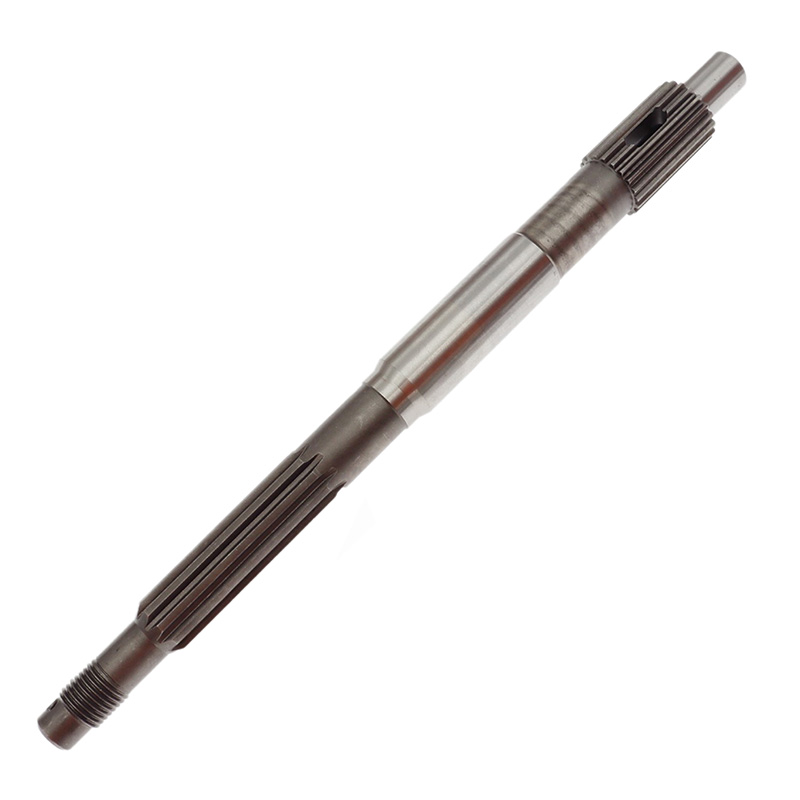
Correct installation is essential for long‑term reliability and smooth performance.
Before installation, double‑check that your new shaft matches:
- Length and diameter.
- Taper size and angle at the propeller end.
- Keyway size and key fit.
- Material grade suitable for your operating environment (freshwater or saltwater).
Also confirm the shaft has been checked for straightness and that all seal and bearing surfaces are smooth.
- Apply a light coat of compatible marine grease to the shaft where it will pass through bearings and seals.
- From the outside, carefully feed the shaft forward through the stern tube and cutlass bearings.
- Have a helper inside the boat support the shaft as it comes through, preventing it from dropping onto threads or sharp edges.
- Make sure the inboard end reaches the transmission area with enough length to accept the coupler and safety collar.
- Clean the coupler bore and check for burrs or corrosion.
- Slide or press the coupler onto the shaft, aligning the key and keyway properly.
- Ensure the coupler seats fully against the shaft shoulder, with no gaps.
- Install any retaining bolts, set screws, or nuts according to the manufacturer's torque specification.
- Bring the coupler face into position against the transmission or gearbox flange, ready for later alignment.
1- For a stuffing box:
- Install new packing rings of the correct size, staggering the joint positions.
- Tighten the packing nut until only a minimal drip occurs when the shaft is turning.
2- For a dripless seal:
- Slide the seal housing and rotating collar into position on the shaft.
- Set the correct preload and secure clamps or set screws as specified by the seal manufacturer.
The quality of this step has a significant impact on how dry your bilge stays and how long your shaft seals last.
- Clean the propeller bore and the shaft taper thoroughly.
- Install the key, then slide the propeller onto the shaft until it seats firmly on the taper.
- Install the prop nut and torque it to the specified value.
- Add any secondary nut, cotter pin, or locking tab used on your system.
- Spin the propeller by hand to ensure it turns freely and does not contact the hull or rudder.
Even a precisely machined shaft will perform poorly if the drivetrain is misaligned. Proper alignment minimizes vibration and protects bearings and seals.
- With the boat in its normal floating attitude, bring the coupler face and gearbox flange together.
- Check the gap all around the coupler face using feeler gauges.
- The goal is an even gap at all points; if the gap is wider at the top, bottom, or one side, adjust the engine mounts accordingly.
- Tighten the coupler bolts gradually and recheck as you go, ensuring the faces remain parallel.
- Rotate the shaft by hand; it should turn smoothly with consistent resistance.
- Watch the shaft near the seal and stuffing box to confirm it runs true, with no visible wobble.
- Check cutlass bearings by gently moving the shaft up and down and side to side; a slight movement is normal, but excessive play indicates bearing wear.
- Inspect the seal or stuffing box for proper seating and confirm clamp screws and fasteners are secure.
A controlled sea trial is the final proof that your drive shaft replacement is successful.
During the first test run:
1- Start at idle and listen closely for new noises around the shaft and coupler.
2- Increase speed gradually, paying attention to vibration, steering feel, and any unusual changes in hull sound.
3- After running under load, return to the dock, shut down, and inspect:
- Shaft seal or stuffing box for leaks.
- Coupler bolts and mounts for movement.
- Shaft temperature by carefully touching nearby components to detect hot spots.
If you notice persistent vibration, abnormal noise, or signs of overheating, stop using the boat until a technician checks alignment and balance.
Preventive maintenance keeps your drivetrain smooth and reduces long‑term costs.
Practical drive shaft maintenance tips:
- Inspect the shaft, coupler, and seal at least once per season, or more often in heavy use.
- Grease splines and coupler interfaces with the recommended marine lubricant where applicable.
- Check propeller and shaft for fishing line, debris, and corrosion during haul‑out or regular service.
- Inspect cutlass bearings for scoring or excessive play and replace them before they damage the shaft.
- Keep the propeller clean and balanced to reduce load and vibration on the driveline.
By treating inspection and lubrication as part of routine service, you dramatically improve drivetrain reliability.
While many boat owners can handle basic inspection and some mechanical work, sourcing high‑quality replacement shafts and related components is a job for experienced marine suppliers.
A professional marine drivetrain partner can:
- Provide precision‑machined outboard gears, crankshafts, drive shafts, and transmission shafts that match OEM specifications.
- Recommend the right material and surface treatments for your specific environment and duty cycle.
- Offer customized solutions for repowers, performance upgrades, or non‑standard shaft lengths and diameters.
- Support both single‑boat owners and OEM or aftermarket distributors with stable quality and lead times.
Choosing the right supplier ensures that your new shaft and associated parts are not just compatible, but optimized for long service life in demanding marine conditions.
If you are planning a drive shaft replacement, upgrade, or new build, now is the ideal time to partner with a dedicated marine transmission parts manufacturer. A specialist supplier of outboard gears, crankshafts, drive shafts, and transmission shafts can help you choose the right materials, dimensions, and tolerances for your specific hull and engine setup, and provide consistent quality across both replacement and OEM production runs. Contact a professional marine drivetrain manufacturer today to discuss your application, request a quote, and ensure your next shaft installation delivers the smooth, efficient, and reliable performance your vessel deserves.
Contact us to get more information!
Many owners with solid mechanical skills and proper tools can handle straightforward drive shaft replacement. However, tasks like precise alignment, shaft balancing, and seal setup are critical, and mistakes can lead to severe vibration or leaks, so involving a professional marine technician is strongly recommended if you are unsure at any step.
Most boat owners include shaft inspection in their annual maintenance routine or every time the boat is hauled out. You should also inspect the shaft and related components any time you experience new vibration, leaks, or unusual noises from the drivetrain area.
Marine drive shafts are usually made from corrosion‑resistant stainless steels or specialized alloys selected for strength, fatigue resistance, and seawater compatibility. The “best” material depends on your boat type, engine power, operating environment, and budget, so consulting a professional supplier is the safest approach.
It is often wise to replace the cutlass or strut bearing at the same time as the shaft, especially if it shows signs of wear or if the shaft has been running out of alignment. Because access is already open during shaft replacement, doing both jobs together can save labor time and improve the longevity of your new shaft.
Misalignment can cause vibration, accelerated wear of bearings and seals, higher fuel consumption, and even damage to the gearbox or engine mounts. Over time, the extra stress can crack components or cause seal failures, leading to leaks and expensive repairs.
1. https://web.statler.wvu.edu/~mathews/boat/pdf/manual/Chapter%20Sixteen.pdf
2. http://elberts.com/driveshaft.pdf
3. https://soleadvance.com/en/shaft-alignment-importance-how-is-it-made
4. https://www.yacht.de/en/diy/lifehacks/lifehacks-propeller-shaft-maintenance-4-practical-tricks/
5. https://www.cruisingworld.com/how/play-it-straight/
6. https://www.boatmart.com/blog/2022/03/21/7-tips-for-boat-propeller-maintenance/


