


close
Choose Your Site
Global
Social Media
Views: 277 Author: Gill Transmission Parts Publish Time: 2026-07-31 Origin: Site


Content Menu
● What Is a Drive Shaft (Propeller Shaft) on a Boat?
● Core Components of a Marine Shaft System
>> 2. Shaft Log
>> 3. Bearings
>> 5. Couplings
● Types of Marine Drive Shafts
>> Solid Shafts
>> Composite Shafts (Emerging Trend)
● Materials and Manufacturing Standards
● How Shaft Design Impacts Vessel Performance
>> Example
>> Common Installation Mistakes
● Maintenance and Inspection Guidelines
>> Regular Inspection Checklist
>> Recommended Maintenance Intervals
● Industry Insight: Trends in Marine Shaft Technology
>> Key Trends
● Expert Perspective from 29 Years of Manufacturing Experience
● How to Choose the Right Propeller Shaft Supplier
● FAQ
>> 1. What is the difference between a drive shaft and a propeller shaft?
>> 2. How do I know if my boat's shaft is misaligned?
>> 3. What material is best for marine propeller shafts?
>> 4. How long does a marine shaft typically last?
>> 5. Can a damaged shaft be repaired?
A high-performance marine propulsion system depends on one critical component: the drive shaft (propeller shaft). For vessels ranging from small leisure boats to heavy-duty commercial ships, understanding how this component works—and how to select, maintain, and optimize it—can significantly impact reliability, safety, and operational efficiency.
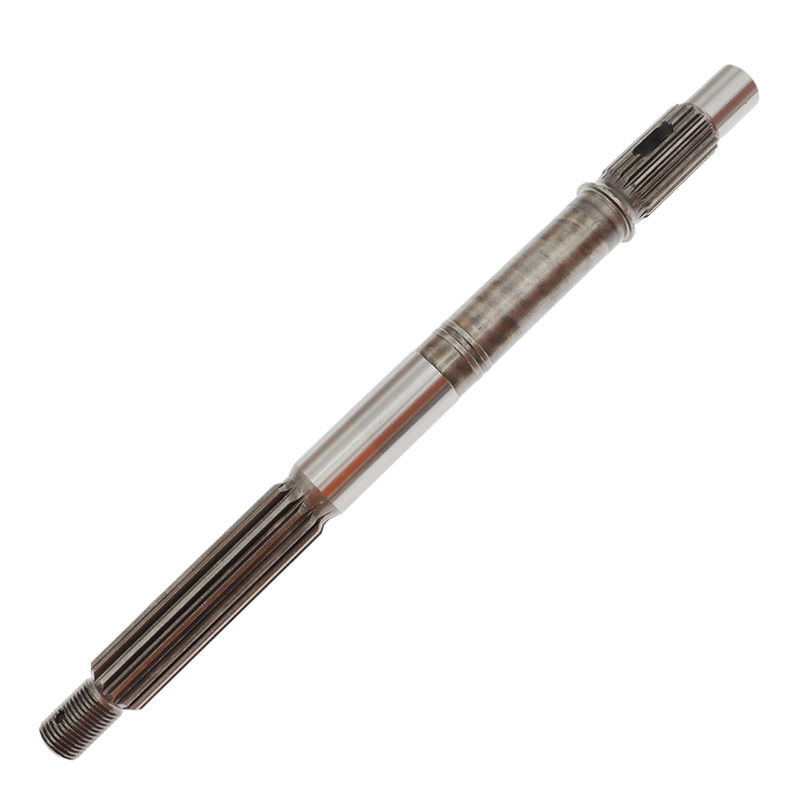
A drive shaft, often called a propeller shaft, is a precision-engineered rotating component that transmits torque from the engine or gearbox to the propeller, enabling the vessel to move through water.
In practical terms, it acts as the mechanical bridge between power generation and propulsion output.
Key functions include:
- Transmitting rotational power efficiently
- Maintaining alignment under dynamic loads
- Withstanding corrosion, vibration, and high torque
- Supporting long-term operation in harsh marine environments
For vessels equipped with inboard engines, the shaft typically runs through a shaft log—a sealed tube that allows the shaft to pass through the hull without water ingress.
A complete shaft system involves more than just the shaft itself. Understanding each element helps operators optimize performance and reduce downtime.
The shaft is usually manufactured from high-strength stainless steel or alloy steel, engineered to resist:
- Torsional stress
- Fatigue failure
- Saltwater corrosion
The shaft log is a watertight housing installed through the hull. Its functions include:
- Supporting shaft alignment
- Preventing water intrusion
- Providing a mounting point for sealing systems
Marine shafts rely on cutless bearings or water-lubricated bearings that:
- Reduce friction
- Stabilize shaft rotation
- Absorb vibration
Sealing systems prevent water from entering the vessel. Common types include:
- Packing glands
- Mechanical face seals
- Lip seals
Couplings connect the shaft to the gearbox or engine, ensuring smooth torque transmission and compensating for minor misalignments.
Selecting the right shaft type depends on vessel design, operating conditions, and performance requirements.
- Most common in small to mid-sized vessels
- High strength and reliability
- Simple manufacturing process
- Reduced weight without sacrificing strength
- Improved fuel efficiency
- Used in high-performance or large vessels
- Allow slight bending or misalignment
- Ideal for complex propulsion layouts
- Made from carbon fiber or advanced composites
- Corrosion-resistant and lightweight
- Increasing adoption in modern marine engineering
Material selection is critical for durability and performance.
Common materials include:
- AISI 316 stainless steel – corrosion-resistant, widely used
- Duplex stainless steel – higher strength and fatigue resistance
- Alloy steels (e.g., 4140, 4340) – for heavy-duty applications
Manufacturing processes typically involve:
1. Precision forging or bar machining
2. Heat treatment for strength optimization
3. CNC turning and grinding for tight tolerances
4. Dynamic balancing to minimize vibration
Industry tolerances are extremely strict, often within micron-level precision, ensuring smooth rotation and long service life.
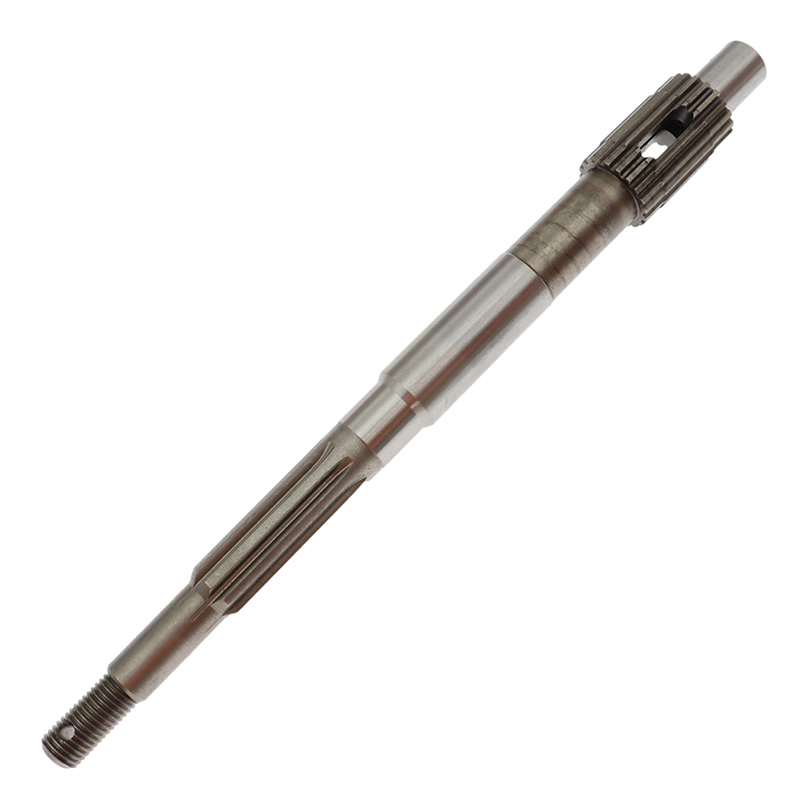
A poorly designed shaft system can lead to:
- Excessive vibration
- Power loss
- Premature bearing wear
- Increased fuel consumption
- Alignment accuracy: Misalignment can reduce efficiency by up to 15%
- Surface finish: A smoother shaft reduces friction and wear
- Diameter and length ratio: Influences torsional strength and stability
- Balancing quality: Critical for high-speed vessels
A commercial fishing vessel upgraded from a standard shaft to a precision-balanced duplex steel shaft saw:
- 8–12% improvement in fuel efficiency
- Noticeable reduction in vibration
- Extended bearing life by over 30%
Proper installation is just as important as manufacturing quality.
1. Check shaft straightness before installation
2. Align engine and shaft coupling precisely
3. Install bearings with correct clearance
4. Ensure shaft log sealing is properly fitted
5. Conduct rotation and vibration tests
- Ignoring alignment tolerances
- Improper seal installation
- Using incompatible materials
- Skipping balancing checks
These errors can significantly shorten system lifespan.
Routine maintenance ensures long-term reliability and safety.
- Check for vibration or unusual noise
- Inspect seals for leakage
- Measure shaft wear and corrosion
- Monitor bearing condition
- Visual inspection: Every 100–200 operating hours
- Alignment check: Annually or after major repairs
- Bearing replacement: Based on wear (typically 2–5 years)
- Excessive vibration
- Oil or water leakage near shaft log
- Reduced propulsion efficiency
- Unusual noise during operation
The marine industry is evolving rapidly, with new technologies reshaping shaft design and performance.
- Lightweight materials improving fuel efficiency
- Advanced sealing systems reducing maintenance
- Precision CNC manufacturing enhancing reliability
- Smart monitoring systems enabling predictive maintenance
Shipbuilders and operators are increasingly prioritizing long-term lifecycle cost reduction, not just initial component price.
With nearly three decades of experience in marine transmission components, manufacturers like Ningbo Gill Transmission Parts Co., LTD. emphasize:
- Strict material traceability
- High-precision machining standards
- Customized solutions for different vessel types
From small leisure boats to industrial marine systems, real-world experience shows that customization and precision engineering are key to achieving optimal performance.
Selecting a reliable supplier is critical for quality assurance and long-term performance.
- Manufacturing experience and specialization
- Material certification and traceability
- Quality control processes
- Customization capability
- After-sales support
1. What materials and standards are used?
2. How is shaft balancing performed?
3. Can you provide customization for specific vessel needs?
4. What testing procedures are applied?
When sourcing marine shafts for export or OEM use:
- Specify exact dimensions and tolerances
- Confirm compatibility with existing systems
- Request inspection reports
- Consider lifecycle cost, not just initial price
If you are looking for high-precision marine drive shafts or propeller shafts, working with an experienced manufacturer can significantly improve your vessel's performance and reliability.
Ningbo Gill Transmission Parts Co., LTD., with 29 years of expertise, offers custom-engineered shaft solutions tailored to diverse marine applications. Contact the team today to discuss your project requirements and receive a tailored recommendation.
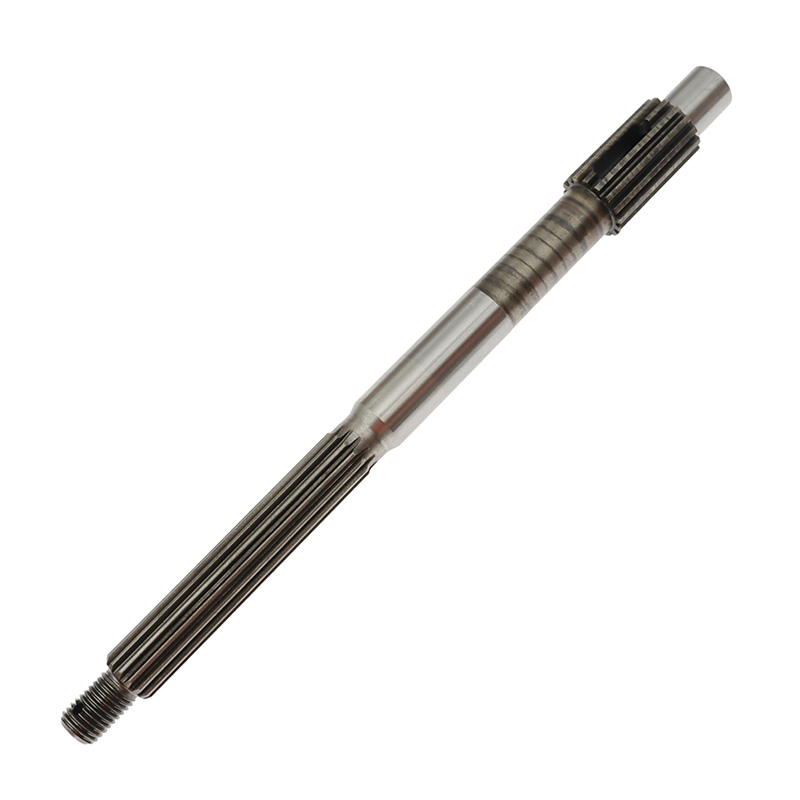
In marine applications, the terms are often used interchangeably. Both refer to the component that transmits power from the engine to the propeller.
Common signs include vibration, unusual noise, and uneven wear on bearings or seals. A professional alignment check is recommended.
Stainless steel, especially duplex grades, is widely preferred due to its corrosion resistance and strength.
With proper maintenance, a high-quality shaft can last 10–20 years or more, depending on operating conditions.
Minor damage can sometimes be repaired through machining or straightening, but severe damage usually requires replacement for safety reasons.
1. American Boat and Yacht Council (ABYC) Standards https://abycinc.org
2. Marine Propulsion Systems Engineering Handbook https://www.sciencedirect.com
3. SKF Marine Bearing Technology Guide https://www.skf.com
4. Bureau Veritas Marine Certification Guidelines https://marine-offshore.bureauveritas.com
5. International Maritime Organization (IMO) Technical Resources https://www.imo.org


