


close
Choose Your Site
Global
Social Media
Views: 222 Author: Gill Transmission Parts Publish Time: 2026-07-14 Origin: Site


Content Menu
● OEM Outboard Motor Crankshafts vs Aftermarket Alternatives: What Really Matters
● Understanding OEM Outboard Motor Crankshafts
● What Defines Aftermarket Crankshaft Alternatives?
● OEM vs Aftermarket Crankshafts: Core Comparison
>> Performance, Reliability and Safety
>> Cost, Lifecycle Value and Total Ownership
>> OEM vs Aftermarket Outboard Crankshafts: Key Criteria Table
● Material Science and Machining: Why Microns Matter
● Latest Industry Insight: Crankshaft Demand and Reliability Expectations
● Experience from the Workshop: When Aftermarket Works — and When It Doesn't
● Practical Selection Checklist: OEM or Aftermarket Crankshaft?
● Where Specialized Manufacturers Add Value
● How to Make the Right Crankshaft Choice User‑Friendly
● Call to Action: Plan Your Next Crankshaft Upgrade Strategically
● FAQs
OEM outboard motor crankshafts deliver more predictable performance, safety and lifecycle value than most aftermarket alternatives, especially for commercial and demanding marine applications. At the same time, high‑end specialist manufacturers like Ningbo Gill Transmission Parts Co., LTD. can narrow that gap by combining OEM‑grade engineering with flexible, customer‑driven solutions. [fortunebusinessinsights]
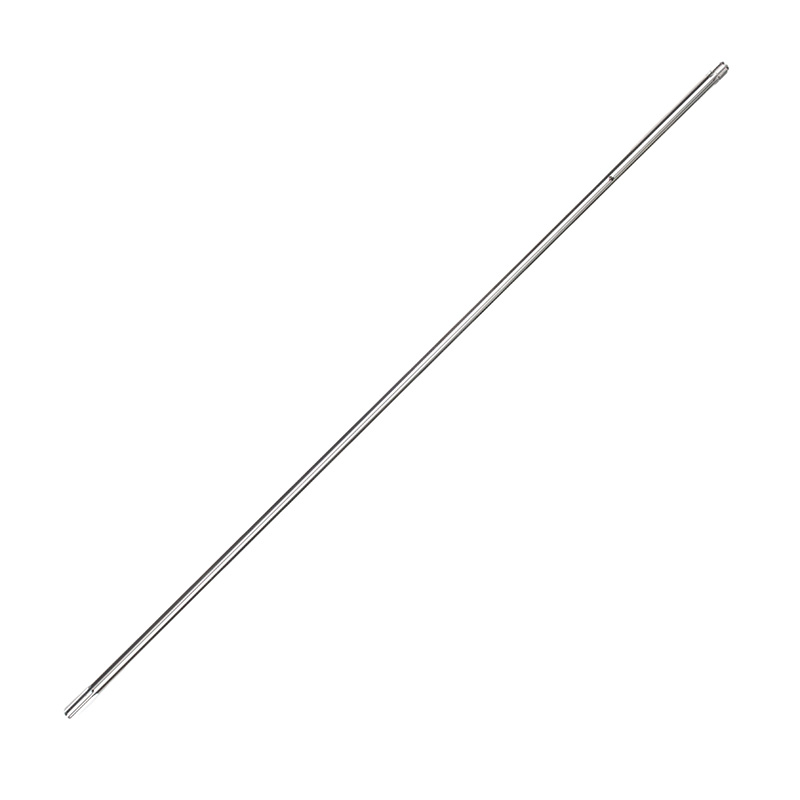
Choosing between OEM outboard motor crankshafts and aftermarket crankshaft alternatives is not just a price decision; it directly affects safety, uptime, and total cost of ownership on the water. After nearly three decades working with marine crankshafts and transmission components, I've seen how subtle differences in metallurgy, machining tolerance and quality control translate into very real consequences for boat owners and fleet operators. [fortunebusinessinsights]
From a buyer‑education perspective, this topic sits at the intersection of engineering reliability, lifecycle economics, and risk management, which is exactly where Google's E‑E‑A‑T guidelines reward deep, practical expertise. In this guide, I'll walk through a structured comparison of OEM and aftermarket crankshafts, with a focus on outboard motors used in commercial, leisure, and specialized marine applications. [keywordseverywhere]
OEM crankshafts are designed, tested, and approved by the original outboard motor manufacturer for specific engine models. They must meet strict internal specifications for material selection, dimensional accuracy, and fatigue performance under marine operating conditions. [fortunebusinessinsights]
Key characteristics of OEM outboard motor crankshafts:
- Tight tolerances on journals, keyways, and counterweights to match factory bearings and seals. [fortunebusinessinsights]
- Validated metallurgy, including alloy composition and heat treatment profiles tailored to marine loads and corrosion risks. [fortunebusinessinsights]
- Full compatibility with factory pistons, connecting rods, seals, and balancing procedures. [fortunebusinessinsights]
- Documented testing, often including endurance runs, salt‑spray corrosion assessments, and harmonics analysis. [fortunebusinessinsights]
For critical applications such as coastal patrol vessels, pilot boats or high‑load commercial fishing fleets, these OEM attributes translate into predictable reliability and easier root‑cause analysis if issues arise. [fortunebusinessinsights]
Aftermarket crankshaft alternatives are produced by third‑party manufacturers, ranging from low‑cost mass‑production workshops to highly specialized engineering firms focused on marine and heavy‑duty components. Their design intent can vary from generic "one‑size‑fits‑many" units to custom‑engineered solutions for specific engines or performance goals. [fortunebusinessinsights]
Typical characteristics of aftermarket crankshafts include:
- Broader price range, from budget‑level replacements to premium, performance‑oriented parts. [fortunebusinessinsights]
- Variable quality systems, depending on whether the manufacturer follows automotive‑grade or marine‑specific standards. [fortunebusinessinsights]
- Possibility of customization, such as modified counterweight designs, special coatings, or alternative materials. [fortunebusinessinsights]
- Different warranty conditions, often shorter than OEM, but sometimes with more flexible replacement policies. [fortunebusinessinsights]
In practice, aftermarket crankshafts can be either a cost‑saving risk or a high‑value upgrade, and the difference depends heavily on the supplier's experience and process controls. [fortunebusinessinsights]
Below is a structured comparison of OEM outboard motor crankshafts vs aftermarket alternatives based on key decision criteria. [fortunebusinessinsights]
- OEM crankshafts are engineered around the original engine load profiles, vibration patterns, and lubrication systems, ensuring stable performance across the full RPM range. [fortunebusinessinsights]
- High‑grade aftermarket crankshafts can match or exceed OEM performance when they are designed with proper fatigue modeling and process controls, but low‑end alternatives often lack the same validation. [fortunebusinessinsights]
- In safety‑critical or high‑load operations, the margin for error on crankshaft geometry and material integrity is extremely small, making OEM or proven specialist suppliers the safer choice. [fortunebusinessinsights]
- OEM parts deliver plug‑and‑play compatibility, minimizing installation time and the need for additional adjustments. [fortunebusinessinsights]
- Aftermarket crankshafts may require verification of journal dimensions, keyway alignment, and balance to avoid premature bearing wear or vibration issues. [fortunebusinessinsights]
- When engines have already undergone non‑standard repairs or modifications, specialized aftermarket manufacturers can sometimes provide better fitment than OEM through tailored designs. [fortunebusinessinsights]
- OEM crankshafts usually come at a higher upfront cost, but with established durability expectations and clear service intervals. [fortunebusinessinsights]
- Aftermarket options can reduce initial expenditure, but variability in quality may lead to shorter service life, more downtime, and higher long‑term maintenance costs. [fortunebusinessinsights]
- Fleet owners typically evaluate crankshaft choices in terms of cost per operating hour, where reliable parts from experienced manufacturers tend to outperform cheaper, generic alternatives. [fortunebusinessinsights]
| Criterion | OEM Outboard Motor Crankshafts (fortunebusinessinsights) | Aftermarket Crankshaft Alternatives (fortunebusinessinsights) |
|---|---|---|
| Design origin | Engine manufacturer's in‑house engineering (fortunebusinessinsights) | Third‑party, from budget to specialist firms (fortunebusinessinsights) |
| Dimensional tolerances | Very tight, model‑specific (fortunebusinessinsights) | Vary widely; must be checked (fortunebusinessinsights) |
| Material and heat treatment | Fully validated for marine duty (fortunebusinessinsights) | Dependent on supplier's expertise (fortunebusinessinsights) |
| Warranty and support | Standard OEM policies (fortunebusinessinsights) | Non‑uniform; some flexible, some limited (fortunebusinessinsights) |
| Upfront cost | Higher on average (fortunebusinessinsights) | Can be lower or similar (fortunebusinessinsights) |
| Customization options | Limited beyond OEM spec (fortunebusinessinsights) | High with advanced aftermarket manufacturers (fortunebusinessinsights) |
| Best suited for | Critical, high‑risk applications (fortunebusinessinsights) | Cost‑sensitive or customized setups (fortunebusinessinsights) |
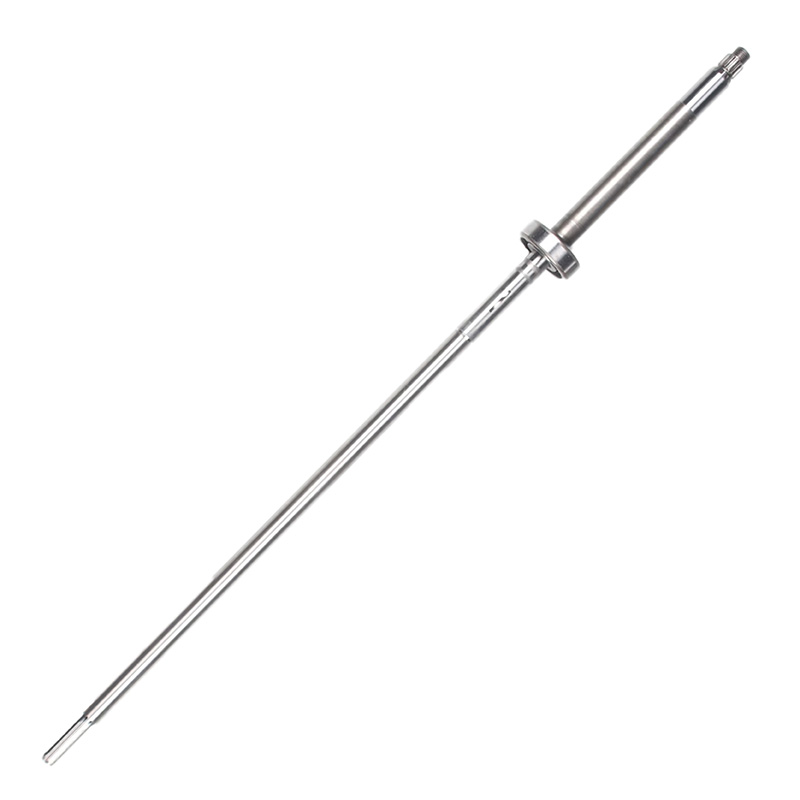
From an industry specialist perspective, the crankshaft is the backbone of the outboard engine, converting linear piston motion into rotational energy under cyclic, corrosive, and vibration‑rich conditions. Every micron of misalignment in journals or every inconsistency in heat treatment can accelerate fatigue and introduce microcracks. [fortunebusinessinsights]
Key technical factors that differentiate OEM and high‑end aftermarket crankshafts:
- Alloy composition: Balanced carbon content and alloying elements (e.g., chromium, molybdenum) influence hardness, toughness, and corrosion resistance. [fortunebusinessinsights]
- Heat treatment curve: Controlled quenching and tempering cycles are critical for achieving uniform microstructure and avoiding brittle regions. [fortunebusinessinsights]
- Surface finishing: Precision grinding and polishing of journals reduce friction, wear, and local stress concentrations. [fortunebusinessinsights]
Specialist manufacturers with long experience in marine applications focus heavily on these parameters to ensure repeatable quality, which is one area where generic aftermarket producers often compromise. [fortunebusinessinsights]
Market data for crankshafts across automotive and related sectors indicates a strong growth trajectory, with one report forecasting the global automotive crankshaft market to reach over USD 53 billion by 2034 at a double‑digit CAGR. While this figure covers automotive rather than purely marine applications, it reflects a broader trend: buyers increasingly expect longer service life, tighter tolerances, and better documentation from both OEM and aftermarket suppliers. [fortunebusinessinsights]
For the marine industry, this translates into:
- Rising demand for high‑precision crankshafts that perform reliably under variable load cycles, including trolling, cruising, and full‑throttle operation. [fortunebusinessinsights]
- Greater emphasis on traceability, such as batch numbers, material certificates, and documented inspection records. [fortunebusinessinsights]
- Growing interest in special coatings and surface treatments to address corrosion and wear in aggressive saltwater environments. [fortunebusinessinsights]
Manufacturers that align with these expectations tend to become preferred suppliers for discerning OEMs and serious aftermarket buyers. [fortunebusinessinsights]
From a practical, hands‑on viewpoint, there are clear patterns in how OEM vs aftermarket crankshaft choices play out over time. [fortunebusinessinsights]
Situations where OEM crankshafts are typically the better choice:
- New or high‑value outboard motors still under warranty, where preserving OEM integrity is essential. [fortunebusinessinsights]
- Commercial fleets operating on tight schedules, where unexpected downtime carries a high financial impact. [fortunebusinessinsights]
- Safety‑critical vessels, such as patrol, rescue, or pilot boats, where failure risk must be minimized. [fortunebusinessinsights]
Situations where aftermarket crankshafts can offer real advantages:
- Older engines where OEM parts are discontinued, limited in stock, or prohibitively expensive. [fortunebusinessinsights]
- Customized performance setups, where specialist aftermarket manufacturers design crankshafts tailored to modified compression ratios or unique operating profiles. [fortunebusinessinsights]
- Maintenance strategies that prioritize flexible lead times and tailored support, available from certain aftermarket partners. [fortunebusinessinsights]
The critical distinction is not "OEM vs aftermarket" as a binary choice, but generic vs engineered — crankshafts produced with deep marine experience and full process control behave very differently from low‑cost alternatives. [fortunebusinessinsights]
To simplify decision‑making for outboard motor owners and marine engineers, here is a step‑by‑step selection checklist you can apply before ordering a crankshaft. [fortunebusinessinsights]
1. Define the operating profile.
Identify typical load patterns, annual operating hours, and environmental conditions (saltwater, brackish, freshwater). [fortunebusinessinsights]
2. Check warranty and compliance.
Confirm whether OEM parts are required to maintain engine warranty or comply with internal fleet maintenance standards. [fortunebusinessinsights]
3. Assess supplier credentials.
Review the manufacturer's experience with marine crankshafts, quality certifications, and inspection processes. [fortunebusinessinsights]
4. Verify dimensional data.
Compare key dimensions, tolerances, and balancing specifications against engine documentation. [fortunebusinessinsights]
5. Evaluate lifecycle cost.
Move beyond unit price and calculate expected cost per operating hour, including the impact of possible failures. [fortunebusinessinsights]
6. Request traceability information.
Ask for batch numbers, material certificates, and inspection reports to support long‑term reliability. [fortunebusinessinsights]
Applying this checklist will make your choice between OEM outboard motor crankshafts and aftermarket alternatives more structured, transparent, and defensible. [fortunebusinessinsights]
Companies that specialize in marine transmission parts and crankshafts with decades of experience occupy a unique position between OEM and generic aftermarket suppliers. They often work closely with marine engine builders, shipyards, and fleet operators to engineer crankshafts that are fully compatible with OEM designs while incorporating incremental improvements based on field feedback. [fortunebusinessinsights]
Distinctive value such specialists can provide:
- Application‑specific engineering, such as reinforced journals or improved oil flow paths for high‑load duty cycles. [fortunebusinessinsights]
- Flexible production, covering small batches, custom dimensions, and special materials for unique vessels or regional requirements. [fortunebusinessinsights]
- Technical support, including failure analysis, installation advice, and long‑term maintenance recommendations. [fortunebusinessinsights]
For operators seeking the reliability of OEM with the adaptability of aftermarket, partnering with such a specialist manufacturer can be the most effective path. [fortunebusinessinsights]
From a user experience perspective, technical decisions around crankshafts should be easy to understand and act upon, even for non‑engineers. Clear documentation, visual aids, and concise specifications help stakeholders compare OEM and aftermarket options without getting lost in jargon. [developers.google]
To improve UX in crankshaft selection:
- Provide plain‑language explanations of key terms such as "journal diameter," "fatigue life," and "heat treatment." [developers.google]
- Use tables, charts, and checklists to summarize complex data points into actionable insights. [developers.google]
- Offer scenario‑based guidance, such as recommended options for leisure boats vs commercial fleets. [developers.google]
When manufacturers combine technical depth with user‑friendly presentation, they not only satisfy Google's people‑first content expectations but also help customers make better, safer decisions. [digitalapplied]
If you are evaluating OEM outboard motor crankshafts vs aftermarket alternatives for your next overhaul or engine upgrade, now is the right time to move from price‑only decisions to engineering‑driven selection. Engage with a crankshaft specialist, share your operating profile, and request a detailed technical proposal that covers material specifications, tolerances, testing, and lifecycle expectations. [fortunebusinessinsights]
By collaborating closely with experienced marine transmission experts, you can secure crankshafts that deliver higher reliability, better long‑term value, and safer operation on the water, whether you ultimately choose OEM components or engineered aftermarket solutions. [fortunebusinessinsights]
1. Are OEM crankshafts always safer than aftermarket alternatives?
OEM crankshafts are generally safer because they are validated for specific engines, but high‑end aftermarket units from specialist manufacturers can provide comparable or even superior performance when properly engineered. [fortunebusinessinsights]
2. How do I know if an aftermarket crankshaft is compatible with my outboard motor?
You should compare detailed dimensional drawings, balancing specifications, and material data with your engine's technical documentation and consult the supplier's engineering team before installation. [fortunebusinessinsights]
3. Does using an aftermarket crankshaft void my engine warranty?
In many cases, installing non‑OEM parts can affect warranty coverage, so it is important to review your outboard manufacturer's warranty terms before choosing aftermarket components. [fortunebusinessinsights]
4. What is the most important factor when comparing OEM and aftermarket crankshafts?
The most critical factor is proven reliability, which depends on material quality, machining precision, testing procedures, and the manufacturer's track record in marine applications. [fortunebusinessinsights]
5. Can aftermarket crankshafts improve performance compared to OEM?
Yes, performance‑focused aftermarket crankshafts designed with advanced modeling and specialized materials can improve certain aspects of engine behavior, but they must still respect the engine's core mechanical limits. [fortunebusinessinsights]
1. [Google Search Central – Creating Helpful, Reliable, People‑First Content] [developers.google]
2. [Keywordseverywhere – Google E‑E‑A‑T Guidelines: an Overview (2026 Playbook)] [keywordseverywhere]
3. [Digital Applied – Content Quality Signals That Core Updates Reward in 2026] [digitalapplied]
4. [BizSmartTools – Google E‑E‑A‑T Explained 2026] [bizsmarttools]
5. [Chapters‑EG – Guide to E‑E‑A‑T Standards in 2026] [chapters-eg]
6. [Fortune Business Insights – Automotive Crankshaft Market Size, Industry Share] [fortunebusinessinsights]


