


close
Choose Your Site
Global
Social Media
Views: 222 Author: Gill Transmission Publish Time: 2026-05-07 Origin: Site


In more than 15 years of working with marine transmission parts and outboard gears, I have seen one pattern repeat: gear failures almost always trace back to wrong lubricant choice, poor application, or simple neglect. When you understand how gears really interact with lubricants under real marine loads, you can dramatically extend service life, cut downtime, and make every sailing season safer and more enjoyable. [jlmmarine]
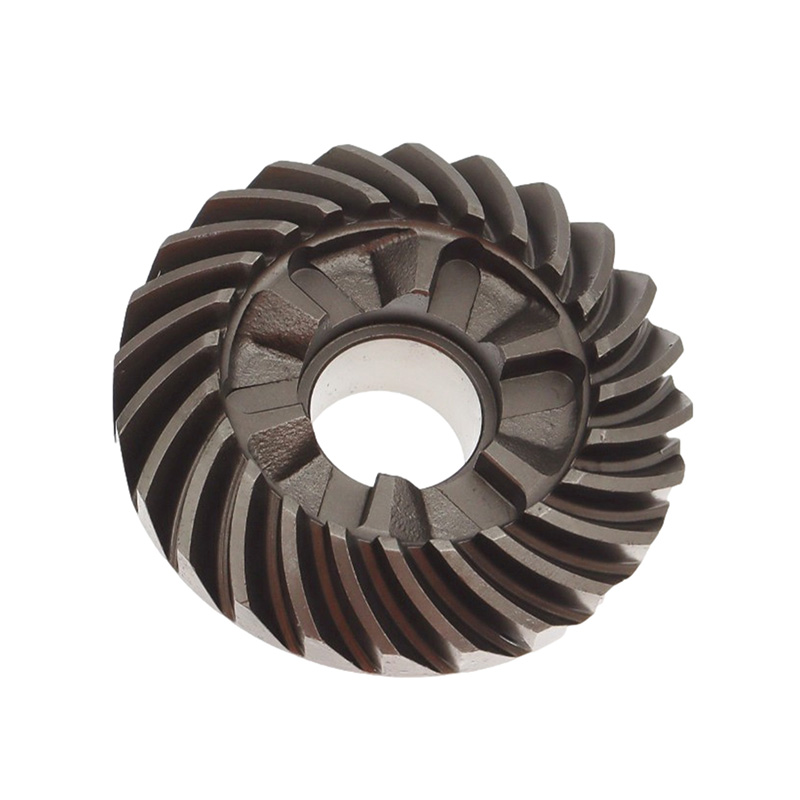
Even a perfectly machined gear will fail early if the lubrication strategy is wrong. In outboard lower units and marine gearboxes, lubrication must handle shock loads, saltwater exposure, and long idle periods between uses. [youtube]
Key functions of proper gear lubrication:
- Reduce friction and wear between meshing teeth to prevent scuffing and pitting. [stle]
- Carry away heat generated at the tooth contact and in bearings. [cedengineering]
- Provide a protective film against corrosion in humid and salt‑rich environments. [datamintelligence]
- Flush away contaminants such as metallic particles and water droplets (especially in outboard lower units). [youtube]
From an operator's perspective, the difference between a properly lubricated and poorly lubricated outboard gear set is often measured in seasons of trouble‑free use versus one catastrophic failure that ruins a vacation. [jlmmarine]
The KHK technical reference on gear lubrication explains that lubricant choice depends on gear type, speed, load, and operating environment. These fundamentals still apply to outboard gears and modern marine drives.
At the tooth contact, gears typically operate in:
- Boundary lubrication: metal‑to‑metal contact occurs at asperity peaks, common during start‑up, low speed, or overloaded conditions. [cedengineering]
- Mixed lubrication: partial oil film with some asperity contact, typical for many industrial gearboxes at moderate speeds. [stle]
- Elastohydrodynamic (EHL): a full oil film separates surfaces under high speed and load, common in high‑speed gear meshes. [cris.unibo]
Designers aim to keep critical outboard and marine gear meshes in mixed or EHL conditions as much as possible by choosing the right viscosity and additive package. [cris.unibo]
Viscosity is the single most important lubricant property. If the oil is too thin, the film breaks down; if it is too thick, losses and temperature rise increase. [stle]
Typical practice:
- Industrial parallel‑shaft and bevel gearboxes often use ISO VG 150, 220, or 320 oils, depending on speed and temperature. [stle]
- Low‑speed, heavily loaded gears generally require higher viscosity or extreme‑pressure (EP) oils. [cedengineering]
- Outboard gear lube is usually a specific SAE gear oil with marine EP and anti‑foaming additives tailored by the manufacturer. [youtube]
As a rule of thumb, I always follow the OEM viscosity recommendation first, then verify that the actual operating oil temperature falls within the target range for that grade. [stle]
The classic gear literature distinguishes between oils and greases, plus special EP formulations. In marine systems, environmental regulations and saltwater exposure add constraints. [cedengineering]
Common gear oil categories include: [cedengineering]
- Mineral gear oils with rust and oxidation inhibitors.
- EP gear oils with sulfur‑phosphorus or other EP additives for high load contacts. [cedengineering]
- Synthetic gear oils (e.g., PAO‑based) with improved oxidation stability and low‑temperature flow. [cris.unibo]
In marine applications, modern formulations focus on:
- Enhanced oxidation stability and cleanliness for longer drain intervals. [datamintelligence]
- Compatibility with low‑sulfur and alternative fuels in larger marine engines and gearboxes. [datamintelligence]
- Improved environmental profile, supporting IMO 2020 and related regulations. [datamintelligence]
Industry leaders such as Shell Marine and ExxonMobil have introduced next‑generation marine lubricants with improved efficiency and wear protection to meet these evolving requirements. [datamintelligence]
Not every rotating part is oil‑lubricated. Many outboard systems rely on marine grease for:
- Tilt tubes and steering linkages.
- Swivel brackets and pivot points.
- Propeller shafts and splines. [youtube]
Experienced technicians emphasize two practices:
- Always use a grease specifically labeled as marine grease or recommended by the outboard manufacturer. [jlmmarine]
- Pump grease until fresh grease oozes out of the fitting, displacing old, contaminated grease. [youtube]
This simple routine can prevent seizure and corrosion at critical joints.
The KHK reference outlines various lubrication methods for gears, which can be adapted to marine contexts. [cedengineering]
Most small and medium gearboxes rely on:
- Oil bath: gears dip into an oil sump and carry oil to the mesh and bearings. [cedengineering]
- Splash lubrication: rotating components fling oil onto other gears and bearings. [stle]
These methods are common in compact marine gearboxes and outboard lower units, where the drive gear picks up oil and distributes it internally. [youtube]
High‑speed or high‑power gearboxes may use:
- Pressure‑fed lubrication with pumps delivering oil directly to gear meshes and bearings. [cedengineering]
- Dedicated cooling circuits with filters and heat exchangers for continuous duty operation. [cris.unibo]
Large commercial marine transmissions often fall into this category, where the cost of failure justifies more complex lubrication systems. [datamintelligence]
Where oil circulation is impractical, grease provides a semi‑solid lubricant that stays in place. In outboard motors, builders rely heavily on greased fittings for components exposed to splash, spray, and intermittent operation. [jlmmarine]
Beyond theory, owners and technicians care about what to do. Based on field practice and widely shared maintenance guides, here is a practical approach to outboard gear lubrication. [youtube]
A typical DIY lower‑unit service includes: [youtube]
1. Warm up the engine briefly so the gear lube flows more easily.
2. Tilt the engine and remove the lower drain plug and upper vent plug.
3. Allow old gear lube to drain completely, checking for:
- Milky color (water intrusion).
- Metal particles (gear wear).
4. Pump fresh marine gear lube from the bottom until it flows out of the top vent. [youtube]
5. Reinstall vent and drain screws with new gaskets, then clean the exterior.
If the drained lube shows water or heavy metal content, I always recommend a closer inspection of seals and gears before the next season. [youtube]
Most outboards have three key greasing areas: [youtube]
- Tilt tube: affects engine tilt and trim movement.
- Swivel bracket: affects side‑to‑side steering.
- Prop shaft: prevents the propeller and thrust washer from seizing. [youtube]
Best practices:
- Use the fittings (zerk nipples) the manufacturer provides, and apply grease until fresh grease appears. [jlmmarine]
- Wipe excess to avoid attracting dirt; in saltwater, leave a thin layer on the fitting tip to reduce corrosion. [youtube]
- Inspect and grease more often after rough‑sea trips or long high‑load runs. [jlmmarine]
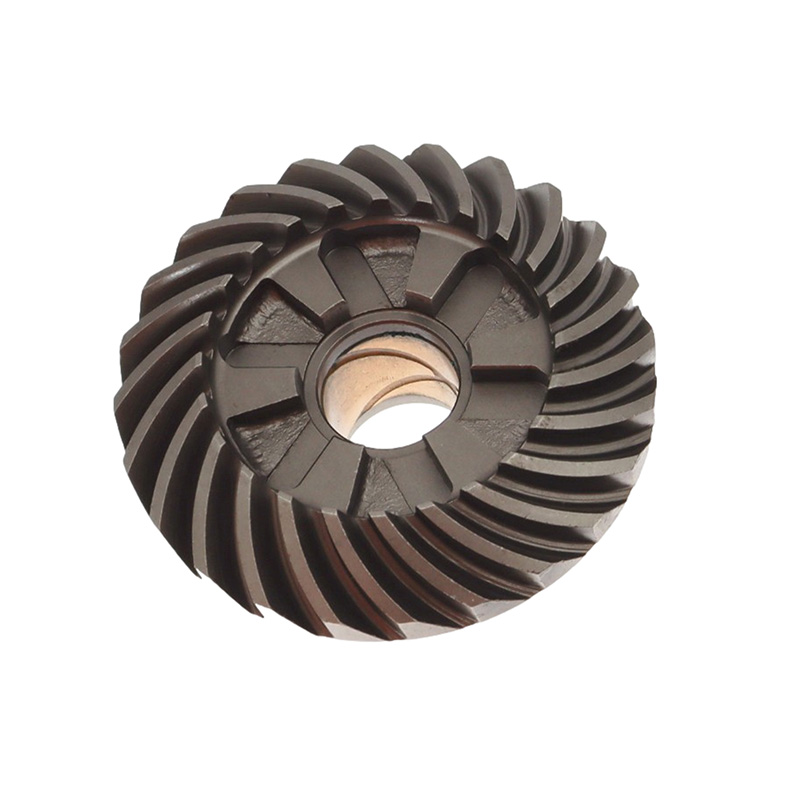
From a design standpoint, the gear designer's role is to ensure that lubrication conditions support the required load capacity and life. [cris.unibo]
Industrial practice is to size lubricant viscosity for the slowest, most heavily loaded gear mesh, because it is the hardest to lubricate. Designers: [stle]
- Evaluate tooth geometry, including pressure angle and surface finish. [cris.unibo]
- Consider duty cycles, including start‑stop behavior and shock loads.
- Choose viscosity and EP performance so that even the worst‑case mesh maintains adequate film thickness. [cris.unibo]
In marine gearboxes, this often means a compromise between low‑speed docking maneuvers and high‑speed cruising at elevated oil temperature. [datamintelligence]
Modern gear design uses case‑hardened and nitrided gears to increase power density and reduce wear. These surfaces interact differently with lubricants than untreated steel: [cris.unibo]
- Hardened surfaces tolerate higher contact stresses but require clean, well‑filtered oil to avoid abrasive wear. [cris.unibo]
- Proper EP additives and anti‑scuff packages further increase safety margins under transient loads. [cris.unibo]
For a manufacturer of outboard gears and marine gear sets, investing in high‑precision machining, robust heat treatment, and compatible lubrication guidelines is the fastest route to long‑life systems.
Lubricant selection is no longer only a technical decision. It is increasingly shaped by environmental regulations and market trends. [linkedin]
Recent market analyses project that the marine high‑performance gear lube segment will grow at double‑digit compound annual growth rates from 2026 to 2033, driven by increasing recreational boating and demand for advanced lubricants. This growth is fueled by: [linkedin]
- Operators seeking higher equipment efficiency and longer drain intervals. [linkedin]
- OEMs recommending more specialized, application‑specific lubricants.
- Regulatory pressure favoring low‑toxicity, environmentally responsible formulations. [datamintelligence]
In 2026, major players such as Shell Marine and ExxonMobil expanded their marine lubricant portfolios with formulations optimized for low‑sulfur fuels, oxidation stability, and cleanliness. [datamintelligence]
Key regulatory trends include:
- IMO 2020 limits on sulfur content in marine fuels, which indirectly affect lubricant requirements and system cleanliness. [datamintelligence]
- Growing use of environmentally acceptable lubricants (EALs) in sensitive waters.
For gear manufacturers and operators, this means lubrication recommendations must stay aligned with the latest OEM and lubricant supplier guidelines rather than generic "one‑size‑fits‑all" advice. [stle]
From field failures and customer feedback, several recurring mistakes stand out in marine and outboard gear lubrication. [jlmmarine]
- Using automotive gear oil instead of marine‑grade gear lube.
- Mixing different gear oil types without checking compatibility.
- Overlooking water intrusion and continuing to run with milky oil. [youtube]
- Ignoring OEM service intervals and running lubricants beyond their intended life. [jlmmarine]
- Under‑greasing or over‑greasing critical pivot points, leading to binding or contamination. [youtube]
Before every season, I recommend that boat owners:
1. Inspect drained gear lube for color and contaminants.
2. Replace gear lube with the manufacturer‑specified marine product.
3. Grease all outboard fittings until fresh grease appears. [jlmmarine]
4. Verify there are no leaks around seals and drain plugs.
5. Record dates and hours to stay on a consistent maintenance schedule. [youtube]
This basic discipline prevents most lubrication‑related failures I encounter in practice.
A specialist in outboard gears and marine transmission parts can bridge the gap between textbook lubrication theory and real‑world marine usage.
When we design and manufacture outboard gears, we:
- Optimize tooth geometry and surface finish to build stable lubricant films under marine loads. [stle]
- Validate recommended lubricants and service intervals with field testing in both freshwater and saltwater environments.
- Provide clear, application‑specific lubrication charts and maintenance checklists for OEM partners and end users. [youtube]
For boat builders and distributors, partnering with a gear specialist that understands lubrication at both the design and maintenance level can significantly reduce warranty claims and improve customer satisfaction.
| Lubrication Aspect | Practical Recommendation | Notes |
|---|---|---|
| Oil viscosity | Follow OEM; typical ISO VG 150–320 for industrial gearboxes. stle | Adjust for operating temperature and load. |
| Outboard gear lube | Use manufacturer‑recommended marine gear oil. jlmmarine | Never substitute generic automotive gear oil. |
| Grease type | Marine‑grade, water‑resistant grease for fittings. jlmmarine | Apply until fresh grease oozes out. jlmmarine |
| Change interval | As per OEM, often seasonally or by hours. jlmmarine | Shorten interval under severe duty. |
| Inspection | Check for water, metal, discoloration at every change. youtube | Investigate any milky or metallic oil. |
Effective gear lubrication is not a one‑time decision but an ongoing strategy that connects design, lubricant selection, and day‑to‑day maintenance. If you are specifying outboard gears or marine gearboxes for new equipment, or you want to upgrade the durability of existing systems, consider working with a dedicated marine gear manufacturer that can help you align tooth design, materials, and lubrication practices. [stle]
Whether you are an OEM, a shipyard, or a fleet operator, you can reach out to our engineering team to review your current gear sets, recommend optimized lubrication guidelines, and co‑develop outboard gear solutions tuned for your specific waters and duty cycles. A focused, expert approach to lubrication can turn your gears into long‑term assets rather than recurring maintenance headaches. [cris.unibo]
Q1: How often should I change the gear lube in my outboard?
Most manufacturers recommend changing outboard gear lube at least once per year or after a specified number of operating hours, with shorter intervals for heavy‑duty or saltwater use. [youtube]
Q2: Can I use automotive gear oil instead of marine gear lube?
No. Automotive gear oils typically lack the water resistance, corrosion protection, and additive balance required for marine environments, so always use a marine‑specific product approved by your outboard manufacturer. [youtube]
Q3: What does milky gear oil mean when I drain the lower unit?
Milky or creamy gear oil usually indicates water intrusion through seals or vent systems, and continued operation can quickly damage gears and bearings, so inspection and seal replacement are strongly advised. [youtube]
Q4: How much grease should I pump into my outboard fittings?
Technicians generally pump grease until fresh, clean grease oozes out of the fitting or at the edges of the joint, ensuring old grease and contaminants are fully displaced. [jlmmarine]
Q5: Are synthetic gear oils worth it for marine gearboxes?
Synthetic gear oils can offer better oxidation stability, lower friction, and extended drain intervals, but they should be used only when compatible with seals and approved by the gearbox or outboard manufacturer. [datamintelligence]
1. KHK Gears. "Lubrication Of Gears – Gear Technical Reference." KHK Gear Knowledge.
2. CED Engineering. "Lubrication Of Gears And Bearings." CED Course Material. [cedengineering]
3. STLE. "Lubrication Fundamentals – Gearbox Lubrication Practices." Tribology & Lubrication Technology. [stle]
4. Cris‑Unibo. "A Practical Approach To Gear Design And Lubrication: A Review." University of Bologna. [cris.unibo]
5. JLM Marine. "Greasing Your Outboard: Points You Shouldn't Miss." [jlmmarine]
6. YouTube. "How To Grease Outboard Motor." Maintenance tutorial video. [youtube]
7. YouTube. "How To Change Outboard Gear Lube | Easy DIY That Saves." [youtube]
8. DataM Intelligence. "Marine Lubricants Market Growth & Trends 2026–2033." [datamintelligence]
9. LinkedIn. "Marine High Performance Gear Lube Market Outlook." [linkedin]


