


close
Choose Your Site
Global
Social Media
Views: 282 Author: Gill Transmission Parts Publish Time: 2026-08-22 Origin: Site


Content Menu
● Bent Drive Shaft vs Damaged Propeller Shaft
● Symptoms That Help Identify the Fault
>> Signs of a bent drive shaft
>> Signs of a damaged propeller shaft
>> Causes of a bent drive shaft
>> Causes of propeller shaft damage
● A Step-by-Step Diagnostic Workflow
>> 1. Record the operating symptoms
>> 2. Inspect the propeller first
>> 4. Check coupling and shaftline alignment
>> 5. Inspect bearings, seals, and mounts
● Expert Insight: Static Alignment Is Not Enough
● Repair, Straightening, or Replacement?
>> Consider professional straightening when
● Preventing Repeat Shaft Failure
● Need a Reliable Marine Shaft Solution?
● FAQ
>> 1. Can a bent drive shaft cause propeller vibration?
>> 2. How can I tell if my propeller shaft is bent?
>> 3. Can a damaged propeller bend a propeller shaft?
>> 4. Is it safe to operate with a vibrating marine shaft?
>> 5. Can a propeller shaft be straightened instead of replaced?
>> 6. Why does shaft vibration become worse under load?
>> 7. Should I replace bearings when replacing a propeller shaft?
A bent drive shaft and a damaged propeller shaft can both create vibration, noise, reduced speed, seal leaks, and premature bearing wear. However, they are not the same failure: a drive shaft problem often involves the transmission-side power path and coupling alignment, while propeller shaft damage is more likely to originate near the propeller, stern tube, cutless bearing, or a grounding/impact event.
For operators, boatbuilders, and maintenance teams, the goal is not simply to confirm that "there is a vibration." The goal is to identify where the vibration begins, what changes it under load, and whether the shaftline can remain in service safely. At Ningbo Gill Transmission Parts Co., LTD., our 29 years of work in marine transmission parts has reinforced one lesson: replacing a shaft before confirming the root cause can leave the original alignment, bearing, or installation problem untouched.
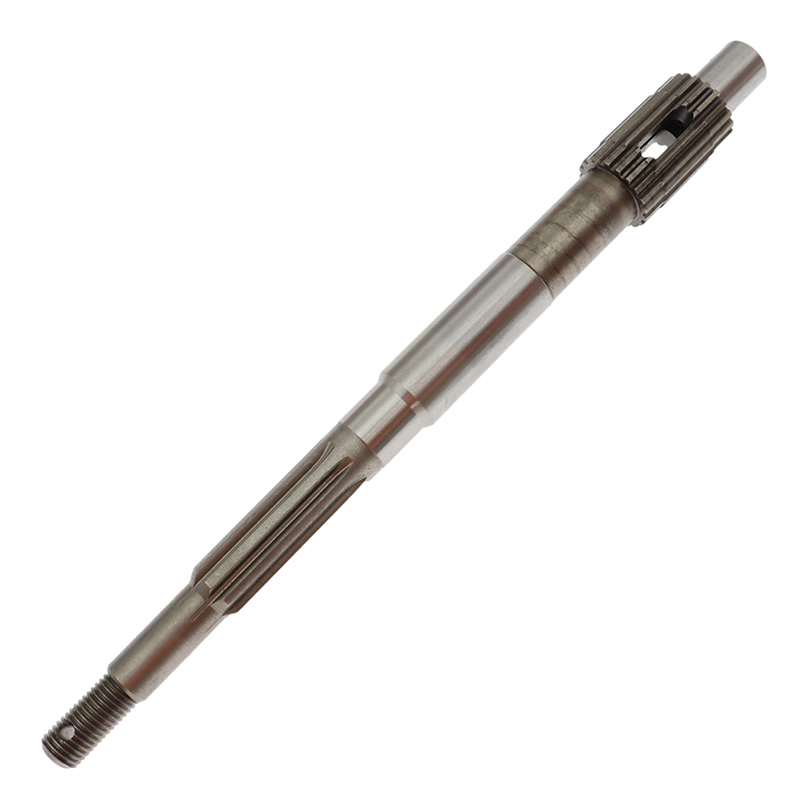
A marine propulsion system transfers torque from the engine or gearbox through couplings, shafts, bearings, seals, and the propeller. A fault in any part of this chain can be felt throughout the vessel.
The phrase bent drive shaft generally describes a shaft that no longer rotates concentrically around its intended centerline. The bend may result from impact, excessive load, incorrect lifting, poor coupling alignment, thermal stress, or long-term fatigue.
A damaged propeller shaft is a broader diagnosis. It may include bending, corrosion pitting, taper damage, fretting at the coupling, worn bearing journals, cracks, scoring at the seal contact area, or damage caused by a propeller strike.
| Diagnostic point | Bent drive shaft | Damaged propeller shaft |
|---|---|---|
| Main issue | Shaft runout or loss of straightness | Physical, dimensional, or fatigue damage along the propeller shaft |
| Typical location | Drive-side shaft, intermediate shaft, coupling area, or complete shaftline | Propeller taper, aft bearing area, stern tube, seal liner, coupling end |
| Common trigger | Misalignment, overload, impact, improper handling | Grounding, rope ingestion, propeller strike, corrosion, bearing failure |
| Main symptom | Repeating rotational vibration, coupling movement, bearing overload | Stern vibration, oil or water leakage, abnormal wear, reduced propulsion efficiency |
| Best initial test | Dial-indicator runout test and coupling alignment check | Haul-out inspection, runout measurement, bearing clearance and surface inspection |
| Repair path | Straightening or replacement after finding the cause | Repair, machining, sleeve renewal, straightening, or full replacement depending on damage |
Important: A bent shaft can be one form of propeller shaft damage. The distinction matters because diagnosis should address both the measured shaft condition and the reason it became damaged.
The timing and character of vibration can provide useful diagnostic clues. A vibration that follows shaft or propeller rotation is often different from an engine combustion, exhaust, or hull-structure vibration.
A bent drive shaft often produces a consistent cyclic vibration. The shaft rotates, the bent section moves off-center, and the resulting force repeats once per revolution.
Look for these warning signs:
- Rhythmic vibration that rises with shaft RPM
- Visible shaft wobble during slow rotation
- Coupling faces that do not meet evenly
- Repeated bearing wear in one direction
- Excessive movement at the gearbox output or engine mounts
- Difficulty achieving coupling alignment after adjustment
- A vibration that remains after propeller inspection shows no obvious blade damage
A dial indicator is especially valuable because it converts a visual suspicion into a measurable result. The shaft is rotated slowly by hand while the indicator records the maximum and minimum movement. The difference is shaft runout.
For smaller recreational applications, some service guidance uses 0.002 in. / 0.05 mm or below as a reference for acceptable shaft runout; however, the final tolerance must come from the vessel builder, equipment manufacturer, shaft diameter, shaft material, operating profile, and applicable class requirements. Do not apply a small-vessel threshold to a commercial vessel or large propulsion train without engineering review.
A damaged propeller shaft may show vibration, but it can also reveal itself through wear, leaks, or visible surface defects.
Common signs include:
- Stern-area vibration that becomes stronger under propulsion load
- Water ingress or oil leakage near the stern tube seal
- Scoring, grooving, or corrosion at the seal-running surface
- Uneven contact or excessive clearance at the cutless bearing
- Damage on the propeller taper, keyway, thread, or nut seating area
- Local corrosion pitting near the bearing or seal zone
- A propeller that cannot seat correctly on the taper
- Metallic debris, abnormal bearing temperature, or unusual rubbing noise
In practical inspections, uneven bearing wear deserves close attention. It may indicate that the shaft is no longer running on the intended centerline, even if the shaft itself is not severely bent. Shaft alignment, bearing load, hull deflection, and engine mount condition can all contribute to a damaged propeller shaft over time.
A correct diagnosis begins with the incident history. Ask the operator what happened before the vibration started.
A drive shaft can bend or develop excessive runout after:
- Grounding or underwater impact
- Propeller strike against debris, a rock, or the seabed
- Incorrect engine-to-shaft coupling alignment
- Worn, collapsed, or poorly adjusted engine mounts
- Improper shaft handling during transport or installation
- Excessive bearing clearance that allows shaft whipping
- Repeated torsional and bending load cycles
- Shaft removal or lifting without adequate support
Misalignment can be both a cause and a consequence. For example, a shaftline that begins slightly misaligned may apply abnormal side loads to bearings. As clearance grows, the shaft moves more under load, increasing vibration and accelerating wear.
Propeller shaft damage frequently begins at exposed or high-contact locations:
- Propeller impact that damages the taper or bends the shaft
- Rope, fishing line, or debris wrapped around the propeller hub
- Corrosion or crevice corrosion in wet service areas
- Seal contact wear and shaft sleeve damage
- Worn stern tube or cutless bearings
- Poor fit between propeller, key, taper, and locking hardware
- Incorrect shaft material selection for the marine environment
- Inadequate lubrication, contamination, or seal failure
- Hull deflection that changes shaft alignment under different drafts
For larger vessels, shaft alignment is not a single static measurement. Hull shape and loading condition can change the shaftline's geometry. Marine guidance therefore considers bearing reactions, shaft deflection, and operating conditions rather than treating alignment as a one-time coupling check.
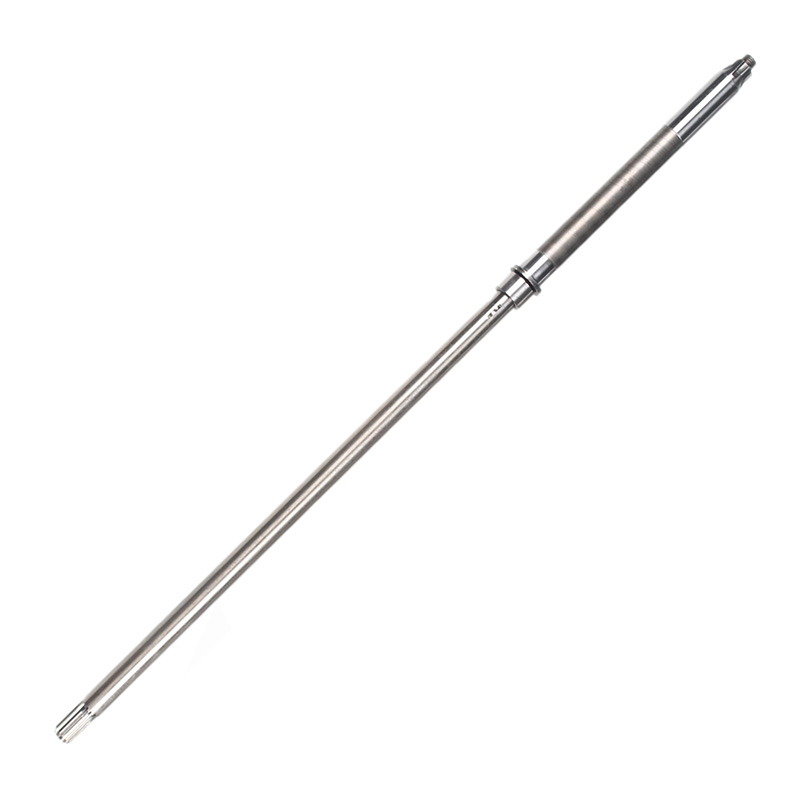
Do not begin by removing the shaft unless there is obvious impact damage, severe leakage, crack evidence, or a safety concern. A structured diagnosis helps preserve evidence and reduces unnecessary downtime.
Before disassembly, document when the issue occurs.
Record:
- Vessel speed and engine RPM
- Shaft RPM, if available
- Whether vibration occurs in neutral, ahead, reverse, or all conditions
- Whether vibration changes under acceleration or heavy load
- The exact location where vibration is felt most strongly
- Any recent grounding, propeller strike, rope entanglement, haul-out, engine work, or bearing replacement
A vibration that appears mainly under thrust may point toward alignment, bearing loading, mounts, or propeller-related loading. A vibration that remains even at low shaft speed may point toward significant runout, a damaged propeller, or a mechanical interference issue.
With the vessel safely hauled out, clean the propeller and examine it under good lighting.
Check for:
- Bent, chipped, cracked, or missing blade material
- Uneven blade edge shape
- Damage around the hub
- Loose hardware
- Propeller-to-shaft taper fit
- Keyway deformation
- Fishing line or debris behind the hub
A visibly damaged propeller can create strong vibration even if the propeller shaft is straight. Conversely, a propeller that looks normal does not prove that the shaft is undamaged.
Use a calibrated dial indicator on a clean, undamaged shaft surface. Measure at several locations rather than relying on one point.
A useful inspection pattern includes:
1. Near the coupling end
2. At the mid-span, where safely accessible
3. Near the bearing or stern tube area
4. Near the propeller taper, if accessible
Rotate the shaft slowly by hand and record maximum and minimum readings at each location. A runout pattern that changes significantly along the shaft can help identify where bending or damage is concentrated.
Do not measure over corrosion, paint, heavy deposits, or scored surfaces. Those surface conditions can create misleading indicator readings.
Disconnect or separate the coupling only under approved maintenance procedures. Inspect coupling-face parallelism and angular alignment according to the vessel or equipment manufacturer's method.
One marine technical reference describes a practical coupling-face guideline of no more than 0.001 inch of misalignment per inch of coupling diameter; for example, a 6-inch coupling would correspond to 0.006 inch. This is a reference point, not a universal design specification.
If the coupling cannot be aligned without forcing the shaft sideways, investigate:
- Shaft straightness
- Bearing position and clearance
- Engine mount condition
- Gearbox support
- Stern tube alignment
- Hull or foundation movement
A shaft can be straight and still run poorly if bearings or mounts are worn.
Inspect for:
- Excessive cutless bearing clearance
- Uneven bearing contact pattern
- Cracked, hardened, or loose engine mounts
- Shaft contact with the stern tube or seal housing
- Seal lip damage and shaft sleeve scoring
- Heat discoloration or abnormal lubricant condition
- Coupling fretting and bolt-hole wear
A common diagnostic mistake is treating the shaft as the only rotating component that matters. In reality, a worn bearing can allow shaft movement that looks similar to a bent shaft, while poor mount condition can change alignment only when the engine is under thrust.
The table below provides a practical decision guide for initial fault isolation.
| Finding | Most likely explanation | Recommended next action |
|---|---|---|
| Propeller blade is visibly bent or chipped; shaft runout is stable | Propeller damage or imbalance | Remove and repair/replace propeller; recheck vibration |
| High runout at several shaft positions | Bent drive shaft or propeller shaft | Remove shaft for straightness, crack, and dimensional inspection |
| Low shaft runout but coupling gap changes around the circumference | Alignment or mount issue | Check engine mounts, gearbox position, bearing support, and alignment |
| Runout is highest near the propeller taper | Local propeller-end shaft damage | Inspect taper, keyway, threads, and adjacent shaft section |
| Shaft is straight but bearing clearance is excessive | Bearing wear or bearing misalignment | Renew bearing and verify shaftline alignment |
| Seal leakage with groove or corrosion at contact area | Shaft sleeve or journal damage | Inspect dimensions; repair, sleeve, or replace as appropriate |
| Vibration appears only under heavy load | Dynamic alignment, bearing load, mount movement, or propeller loading | Conduct load-condition assessment and alignment review |
In field service, a shaftline may appear acceptable when the vessel is stationary and unloaded, yet vibrate in normal operation. This happens because propulsion systems are dynamic.
Engine torque, thrust load, hull deflection, temperature, vessel trim, draft, and bearing stiffness can all influence shaft behavior. A propulsion system should therefore be assessed in the conditions that matter most to the vessel's duty cycle.
For commercial and classed applications, the inspection plan should consider:
- Lightship and loaded conditions
- Forward and reverse thrust conditions
- Bearing reaction and contact pattern
- Shaft deflection curve
- Gearbox and engine foundation stiffness
- Stern tube bearing load distribution
- Historical vibration and temperature trends
For main propulsion shafting with an oil-lubricated propeller shaft of 400 mm or more, ClassNK requirements call for shaft alignment calculations that include bending moments, bearing loads, and the deflection curve. This illustrates why larger shaftlines require engineering evaluation beyond a simple visual check.
The correct action depends on shaft material, diameter, damage location, crack risk, corrosion depth, design duty, and the vessel's certification requirements.
- The shaft has measurable runout but no cracks
- Damage is within the repair limits established by the manufacturer or class authority
- The affected area is suitable for controlled straightening
- The shaft can be re-inspected after repair
- Coupling, bearing, and propeller fit can be restored correctly
- Cracks, deep corrosion, or severe scoring are present
- The propeller taper, keyway, or thread is damaged beyond repair limits
- The shaft has repeated bending history
- Material loss compromises required diameter or strength
- Prior straightening has not resolved runout
- The vessel's operating risk or regulatory requirements do not permit repair
After any repair or replacement, inspect the entire system. A new propeller shaft installed into a misaligned shaftline may fail prematurely for the same reason as the original part.
Reliable marine shaft performance depends on both part quality and installation control.
Use this preventive checklist:
- Verify shaft material, dimensions, taper, keyway, and coupling specifications before installation
- Support shafts properly during handling and transport
- Measure runout before and after installation
- Confirm propeller fit without forcing the hub onto the taper
- Inspect cutless bearings, stern tube bearings, seals, and mounts at scheduled intervals
- Record alignment results after engine removal, grounding, major repair, or shaft replacement
- Investigate new vibration immediately rather than continuing operation until damage grows
- Use a qualified marine service team for alignment, NDT inspection, and final acceptance measurements
A vibration problem should never be solved by guesswork. Whether you are dealing with a suspected bent drive shaft, a damaged propeller shaft, worn bearing surfaces, or repeated alignment failures, start with accurate measurements and a complete shaftline assessment.
Ningbo Gill Transmission Parts Co., LTD. supports marine equipment customers with professional experience in the development, manufacture, and supply of drive shafts, propeller shafts, and related marine transmission components. Share your drawings, shaft dimensions, vessel application, material requirements, and failure symptoms with our team to discuss a suitable replacement or custom manufacturing solution.
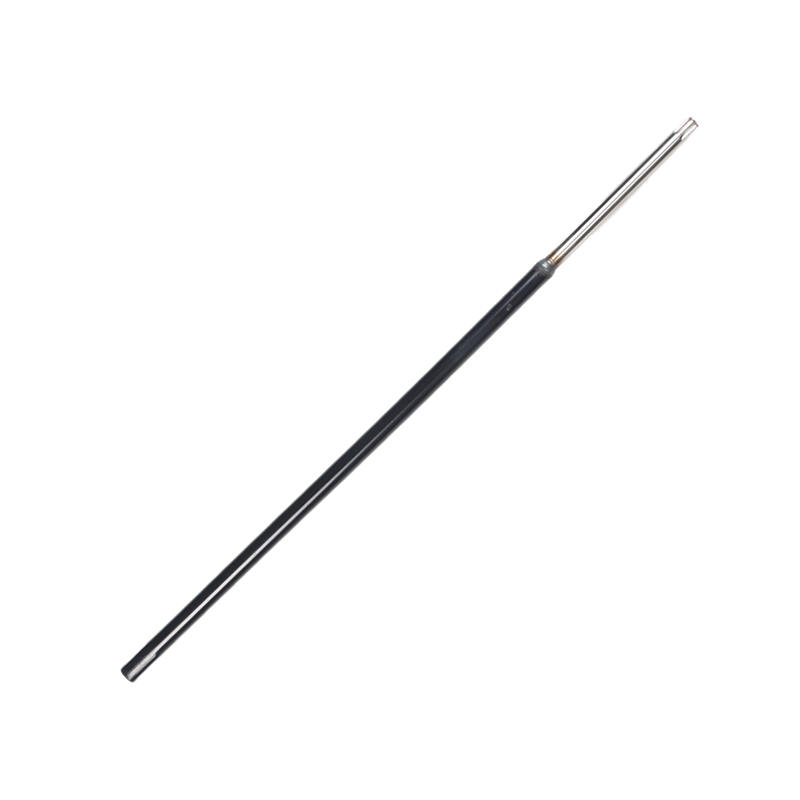
Yes. A bent drive shaft creates runout as it rotates, which can transmit vibration through couplings, bearings, the stern tube, and the propeller. The vibration may feel as though it comes from the propeller even when the original fault is closer to the engine or gearbox.
The most reliable method is a dial-indicator runout test at multiple shaft positions. Visible wobble can indicate a serious problem, but a shaft may have harmful runout that is not obvious to the eye.
Yes. A severe underwater impact can damage propeller blades, deform the hub or taper connection, and transfer enough force into the shaft to bend it or damage bearings, seals, and couplings.
It is not advisable. Continued operation can increase bearing wear, damage seals, loosen couplings, overload gearbox components, and turn a repairable issue into a full shaftline failure. Inspect the vessel promptly.
Sometimes. Professional straightening may be appropriate when the shaft has limited runout and no cracks or unacceptable material loss. The decision should follow dimensional inspection, material assessment, and applicable vessel requirements.
Under load, propulsion thrust increases and engine mounts, bearings, couplings, and the shaftline experience greater force. This can reveal poor dynamic alignment, excessive bearing clearance, worn mounts, or propeller loading problems that are less noticeable at idle.
Not automatically, but the bearings should be carefully measured and inspected. A worn or misaligned bearing can damage a new shaft, so replacing or correcting the bearing system may be necessary to prevent repeat failure.
1. [American Bureau of Shipping — Guidance Notes on Propulsion Shafting Alignment]
2. [DNV — Shaft Alignment and Propulsion Shaft Bearings]
3. [JL Marine — Propeller Vibrations: Diagnosing Bent Shafts or Blades]
4. [Steve D'Antonio Marine Consulting — Getting the Shaft]
5. [ClassNK — Shafting Systems Requirements]
6. [Marine Insight — Sighting, Boring and Alignment of Ship's Propeller Shaft]


