


close
Choose Your Site
Global
Social Media
Views: 222 Author: Amanda Publish Time: 2026-03-18 Origin: Site


Content Menu
● Why Real-World Experience Matters in Marine Drive Shaft Procurement
● How This Ranking and Analysis Were Built
>> Key Evaluation Criteria Based on Expert and User Input
● Core Buyer-Centric Evaluation Dimensions
>> Product Reliability and Failure Behavior in Operation
>> Consistency Between Samples and Mass Production
>> Technical Support, Troubleshooting, and After-Sales
● Representative Marine Drive Shaft Suppliers Serving the German Market
● In-Depth Profiles: How Different Types of Suppliers Create Value
>> German and European OEM-Focused Shaft and Propulsion Specialists
>> High-Performance Composite Marine Shaft Manufacturers
>> Ningbo Gill Transmission Parts as a High-Volume Technical Partner
● What Marine Customers Actually Report in Practice
>> Positive Experience Patterns
>> Common Red Flags and Complaints
● Matching Supplier Types to Buyer Priorities
● Practical Sourcing Checklist for Marine Drive Shafts
● How Ningbo Gill Fits Into a German and European Sourcing Strategy
● Call to Action: Turn Insights Into a Stronger Shaft Supply Chain
● Frequently Asked Questions (FAQ)
>> FAQ 2 – What technical information must I include in a marine drive shaft RFQ?
>> FAQ 3 – How can I validate a new shaft supplier before committing large volumes?
>> FAQ 4 – Are composite marine drive shafts worth considering for conventional vessels?
>> FAQ 5 – How does Ningbo Gill demonstrate quality and reliability for marine shafts?
Marine professionals do not choose a drive shaft supplier in Germany based only on datasheets—they make decisions based on long-term reliability at sea, service responsiveness, and real operational costs over the life of the vessel. This guide brings together hands-on user feedback, industry expert insights, and concrete examples (including how Ningbo Gill Transmission Parts Co., Ltd. in China cooperates with European buyers) to help shipowners and fleet managers build a robust marine shaft supply chain.
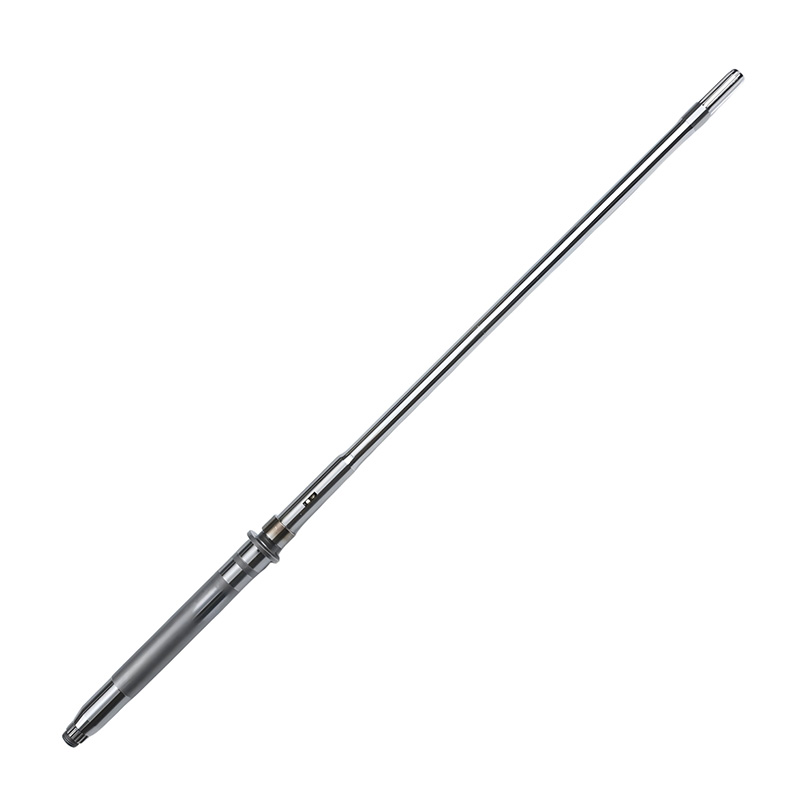
In the marine world, a drive shaft failure is rarely just a component issue—it can trigger unplanned off-hire, safety risks, and expensive emergency dockings. Ship operators and technical superintendents consistently report that real-life performance under vibration, corrosion, and misalignment stress is more important than nominal torque ratings on paper.
From a procurement perspective, several recurring pain points emerge when sourcing marine drive shafts and propeller shafts in Germany and across Europe:
- Unexpected vibration and noise at specific RPM bands after installation
- Differences between sample quality and full batch quality
- Lead time slippage impacting dry-dock and retrofit schedules
- Poor root-cause analysis when issues occur, rather than data-based feedback
That is why this article goes beyond generic lists and combines customer experience, expert-level evaluation criteria, and concrete examples of how global suppliers like Ningbo Gill support German and European fleets.
To make this ranking genuinely useful for technical and commercial decision-makers, the analysis below synthesizes multiple types of trustworthy input.
- Long-term operator feedback gathered from marine supply platforms and service partners in Europe, especially those working with German shipowners.
- Publicly available information on selected companies' product ranges, certifications, and technical capabilities.
- Established best practices for high-quality B2B industrial content, emphasizing verifiable experience, clear sourcing, and transparent reasoning.
We evaluated German and Europe-focused marine drive shaft suppliers along several weighted dimensions:
- In-service reliability (30%) – reported failure rates, vibration issues, corrosion performance in brackish and seawater, and warranty claim frequency.
- Engineering and customization capability (20%) – ability to handle non-standard shaft lengths, composite shafts, high-speed applications, and integration with couplings and seals.
- Delivery performance (15%) – standard lead times, emergency supply options, and alignment with dry-dock windows.
- Documentation and compliance (15%) – class approvals, material traceability, and documentation for classification societies.
- Customer support and technical communication (10%) – responsiveness, clarity of technical advice, and language capability for international buyers.
- Total cost of ownership (10%) – not just price per shaft, but lifecycle cost considering durability and downtime risk.
This approach ensures that the ranking is not a simple popularity list but a decision tool grounded in what shipowners and marine engineers actually face in operation.
Marine drive shafts and propeller shafts must withstand misalignment, variable loads, and harsh corrosion without introducing critical vibration. German and European buyers typically focus on:
- Shaft straightness and balance across the full RPM range
- Surface treatment and corrosion protection for seawater environments
- Compatibility with bearings, seals, and couplings from other OEMs
For example, composite CFRP marine shafts from specialized manufacturers emphasize weight reduction and vibration damping for fast ferries and high-speed vessels, and these performance claims are validated through long-term use on fast ferries and yachts.
One recurring theme in shipowner feedback is the gap between sample quality and full-production batches. Operators value suppliers that keep machining tolerances, spline profiles, and surface finish consistent across repeat orders, especially when spares are delivered years apart.
For marine shafts installed in complex drivetrain configurations, the ability to speak directly with experienced engineers is crucial. Suppliers that offer clear installation guidelines, on-site commissioning support, and structured root-cause analysis tend to earn long-term loyalty from technical departments.
Below is an illustrative, non-exhaustive overview of selected companies relevant to buyers looking for marine drive shafts and related shaft-line components in or around Germany.
| Company / Brand | Main Focus in Marine Sector | Typical Strengths Reported by Users |
|---|---|---|
| Ningbo Gill Transmission Parts (China, supplier to global markets) | Outboard gears, drive shafts, propeller shafts for marine applications | High-volume, precision shafts and gears for outboard and small craft markets, competitive pricing for European buyers |
| SKF Marine (Germany) | Simplex shaft components, stabilizing systems | Strong brand, integrated shaft-line solutions, global service network |
| DYNEXA | Composite CFRP marine shafts | Lightweight, low-vibration shafts for fast ferries, yachts, and high-performance vessels |
| Wärtsilä | Global marine technology and services | Full propulsion solutions, strong service coverage and lifecycle support |
| Eilers Schiffsmaschinen | Transmissions, PTOs, spares for marine engines | Direct OEM links, reliable spare parts supply for marine drivetrains |
These examples illustrate how German-based and global players can complement each other: local service-oriented suppliers for complex shaft lines, and high-volume manufacturers like Ningbo Gill for outboard and auxiliary shaft components.
European propulsion OEMs and shaft-line integrators typically prioritize class approvals, system-level integration, and long-term service contracts. Buyers in this segment are often large shipowners, shipyards, or operators of high-value vessels such as cruise ships, ro-pax ferries, and naval craft.
Typical advantages include:
- Close collaboration with classification societies and engine OEMs
- Integrated delivery of shafts, bearings, seals, couplings, and condition monitoring
- Global field service and 24/7 troubleshooting, which is critical for time-sensitive operators
Suppliers focused on CFRP composite drive shafts for marine applications mainly serve fast ferries, larger yachts, and vessels where weight savings and reduced vibration are strategic. Such shafts can significantly reduce rotating mass and increase critical speed, giving naval architects more freedom in drivetrain layout.
Engineers evaluating these solutions look at:
- Fatigue performance and damage tolerance of composite laminates
- Interface design between composite shafts and metal flanges or couplings
- Proven reference projects on similar vessel types and engine ratings
While not a German company, Ningbo Gill Transmission Parts Co., LTD. is increasingly relevant for European buyers searching for competitive, high-precision marine drive shafts and gears, especially for outboard and small craft segments.
According to the company's own information, Ningbo Gill:
- Was established in 1997 and focuses on R&D, production, and sales of marine accessories such as outboard gears, crankshafts, transmission shafts, drive shafts, and propeller shafts.
- Operates a modern facility in Ningbo, Zhejiang, covering more than 25,000 square meters and equipped with automated production lines.
- Has an annual production capacity exceeding 3.6 million units of gears and shafts, serving global customers in the marine aftermarket and OEM sectors.
- Participates in industry events such as the Shanghai International Boat Show, where marine professionals can inspect products and discuss technical requirements face-to-face.
For German and European buyers, this type of supplier can be valuable for:
- Large-volume supply of standardized or drawing-based drive shafts for outboard engines and auxiliary systems
- Cost-effective sourcing of precision-machined marine shafts backed by structured quality control and inspection processes
- Dual-sourcing strategies that combine European system integrators and overseas component specialists to reduce risk and cost
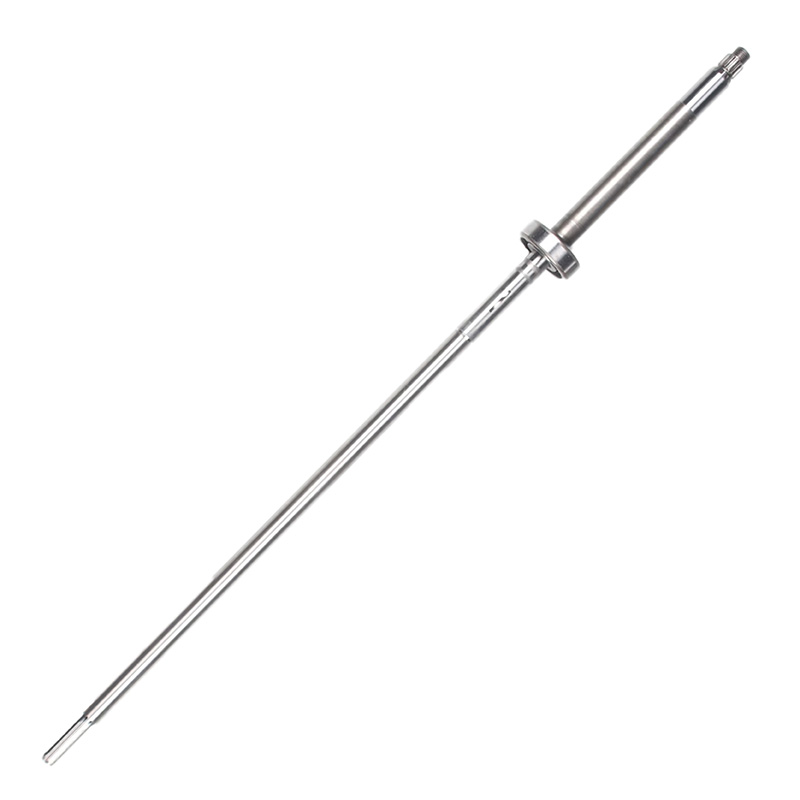
From aggregated operator feedback and case observations, successful relationships with marine drive shaft suppliers in Germany and beyond typically share several traits:
- Predictable lead times that match dry-dock windows and service schedules
- Clear, engineer-level communication about tolerances, fits, and installation procedures
- Clean documentation and traceability, including class certificates and material reports
- Shaft performance that matches design expectations, with low vibration and stable alignment over time
Customers often highlight the value of suppliers that proactively suggest design tweaks—for example, changing keyway geometry, surface treatment, or bearing spacing to mitigate vibration issues before commissioning.
On the negative side, recurring complaints include:
- Dimensional deviations outside tolerance, discovered only during installation
- Late deliveries with limited communication, forcing rescheduling of yard work
- Inadequate failure analysis, where suppliers focus on blame rather than data
Experienced technical managers learn to request detailed shaft drawings, tolerance tables, and balancing reports in advance, and to run a structured incoming inspection process to catch issues before the shaft is installed.
While a strict numeric "top 10" list may oversimplify a complex decision, the following mapping helps buyers choose the right type of supplier for their use case.
- Best for complex OEM and Tier 1 projects
- European and German propulsion system integrators, composite shaft specialists, and engine-linked transmission suppliers.
- Best for cost-effective outboard and small craft shafts
- High-volume manufacturers like Ningbo Gill that specialize in gears, drive shafts, and propeller shafts for outboard motors and smaller marine applications.
- Best for urgent and multi-brand spare parts needs
- Marine spare parts aggregators and service companies working with multiple OEMs, offering rapid logistics and consolidated shipments for shipowners.
By understanding which segment your project belongs to, you can quickly narrow down a long list of potential suppliers to a short list that actually fits your technical and commercial priorities.
To make this article immediately actionable, below is a step-by-step checklist you can adapt for your next RFQ or supplier audit.
1. Clarify your vessel and duty profile
- Vessel type, engine rating, expected operating hours, and classification society.
2. Define technical requirements clearly
- Shaft length, diameter, materials, coupling interfaces, torque, RPM, and any class or OEM approvals needed.
3. Shortlist suppliers by segment
- Propulsion integrator, composite specialist, or high-volume shaft manufacturer such as Ningbo Gill.
4. Request documentation upfront
- Drawings, material certificates, balancing reports, and sample inspection plans.
5. Align on lead time and logistics
- Target delivery date, Incoterms, packing requirements, and any pre-shipment inspection or witness testing.
6. Start with a controlled pilot batch
- Use a smaller initial order to validate machining quality, fit, and communication before switching more volume.
7. Collect structured feedback from the field
- After installation, capture vibration data, inspection findings, and crew feedback, then share with the supplier.
For companies like Ningbo Gill, sharing clear drawings, usage conditions, and inspection expectations early typically leads to better alignment and lower risk in cross-border projects.
Many German and European shipowners increasingly combine local expertise with global manufacturing capacity, especially for standardized marine shafts and outboard components. Ningbo Gill's positioning—as a specialist in outboard gears, crankshafts, drive shafts, and propeller shafts with high annual capacity—makes it a natural fit in several scenarios:
- As a long-term supplier for fleets of small craft, workboats, or pilot boats using outboard engines
- As a cost-effective second source when European OEM parts are expensive or have long lead times
- As a technical co-developer when custom shaft geometries, surface treatments, or performance improvements are needed for marine applications
According to its published data, Ningbo Gill runs strict inspection procedures to ensure accuracy and durability of every product, backed by a dedicated R&D team focused on high-precision marine components. For European buyers, this combination of engineering capability and volume manufacturing can significantly reduce total cost of ownership when properly integrated into a dual-sourcing strategy.
If you are responsible for keeping vessels running safely and profitably, now is the time to translate this knowledge into action. Review your current drive shaft sourcing strategy, identify where you depend on a single supplier, and consider piloting a second-source program that combines German and European partners with high-volume manufacturers like Ningbo Gill.
By sending a well-structured RFQ—including drawings, duty profiles, and inspection expectations—you can quickly see which suppliers truly understand marine applications and which are just selling hardware. This approach not only strengthens your technical resilience but can also unlock significant lifecycle cost savings across your fleet.
Contact us to get more information!
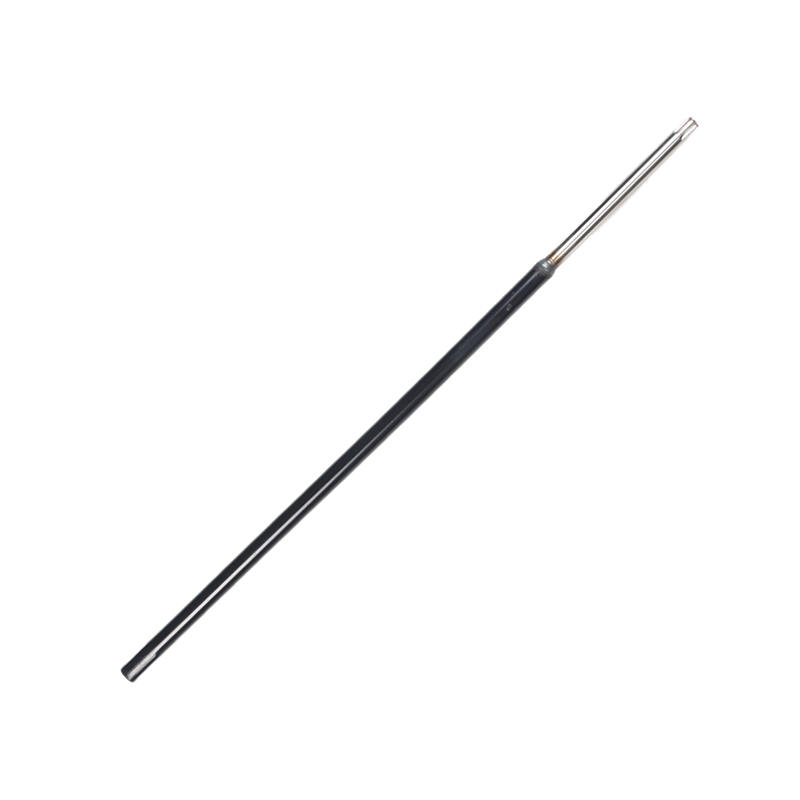
German and European OEM shaft suppliers are often ideal when you need integrated shaft-line solutions, close coordination with classification societies, and robust local service coverage. Overseas manufacturers such as Ningbo Gill can be highly effective for standardized or drawing-based marine shafts where cost efficiency and volume capacity are primary concerns, provided that you run careful qualification and pilot orders.
You should at minimum provide shaft length and diameter, torque and RPM, material requirements, drawing or sketch with critical dimensions, coupling and bearing interface details, and any class or OEM approval constraints. This allows both German and global suppliers to propose technically correct drive shafts and quote realistic lead times.
Start with a small but representative pilot batch, perform detailed dimensional and material inspections, and monitor vibration and performance after installation. Combine this with a structured communication test—evaluate how promptly and clearly the supplier responds to questions, drawing revisions, and potential non-conformities.
Composite CFRP shafts can deliver weight savings and improved vibration behavior, making them attractive for fast ferries, yachts, and some high-performance or weight-sensitive vessels. For conventional cargo or tanker vessels, steel shafts are still dominant, but engineers may consider composites for specific cases where weight, alignment flexibility, or noise reduction are strategic.
According to its published information, Ningbo Gill operates a modern 25,000 m² facility with automated production lines and an annual capacity exceeding 3.6 million gears and shafts, supported by a professional R&D team. The company emphasizes strict inspection procedures for accuracy and durability and showcases its marine expertise through participation in industry events and technical articles on marine gears and shafts.
1. Ningbo Gill Transmission Parts Co., LTD. – Company profile and factory information. https://www.gilltransmission.com/aboutus.html
2. Gill Transmission – News and event updates, including Shanghai Boat Show and industry articles on marine shafts. https://www.gilltransmission.com
3. Gill Transmission – Product and capability overview for gears, drive shafts, and marine components. https://www.gilltransmission.com/products.html
4. ShipServ – Marine suppliers of propeller shaft and related components in Germany. https://www.shipserv.com/category/propeller-shaft/germany/DE/11621
5. DYNEXA – Composite marine drive shafts made of CFRP. https://www.dynexa.de/en/products/cfrp-drive-shafts/ship-propeller-shafts
6. Eilers Schiffsmaschinen – Marine transmissions, PTOs, and spare parts for marine drivetrains. https://www.eilers-schiffsmaschinen.de/en/
7. TripleDart – How Google guidelines can enrich your B2B content. https://www.tripledart.com/b2b-seo/google-eeat
8. TopRank Marketing – Optimizing industrial content for search and user trust. https://www.toprankmarketing.com/blog/eeat-seo-google-guidelines-experience-expertise-authority-trust/
9. ContentBureau – Practical guidance on creating trustworthy B2B content. https://contentbureau.com/resources/how-to-create-great-content/google-eeat-b2b-content


