


close
Choose Your Site
Global
Social Media
Views: 222 Author: Amanda Publish Time: 2026-02-19 Origin: Site


Content Menu
● Core Function: Transmitting Torque and Rotation
● Where Is a Drive Shaft Located?
● Key Components of a Drive Shaft System
● What Does a Drive Shaft Do in a Car?
● What Does a Drive Shaft Do in a Boat?
● Drive Shaft vs Propeller Shaft vs Intermediate Shaft
● How a Drive Shaft Works: Step‑by‑Step Power Flow
>> In Vehicles
● Why Materials and Design Matter
● What Happens When a Drive Shaft Fails?
● Typical Applications of Drive Shafts
● Comparison of Automotive and Marine Drive Shafts
● Basic Care and Maintenance Principles
● How Ningbo Gill Transmission Parts Co., LTD Can Help
● Practical Scenarios: When the Drive Shaft Matters Most
● Call to Action: Get the Right Marine Drive Shaft for Your Vessel
● Frequently Asked Questions (FAQ)
>> 1. What does a drive shaft actually do?
>> 2. How is a marine drive shaft different from an automotive one?
>> 3. Why are universal joints and CV joints important?
>> 4. How often should a drive shaft be inspected?
>> 5. What are common signs of drive shaft problems?
A drive shaft (also called propeller shaft or transmission shaft) is the critical rotating component that transfers engine power to the wheels or propeller so a vehicle or boat can actually move.

A drive shaft is a long, cylindrical mechanical component designed to transmit torque from the engine and transmission to the final drive, such as wheels on a vehicle or a propeller on a boat.
In practical terms, it is the link that turns engine power into usable motion, allowing your car to accelerate or your vessel to move through the water.
The primary job of any drive shaft is to transmit torque and rotational motion from the engine side to the driven side while allowing for distance, angle, and movement between components.
Key aspects of this function include:
- Transferring power from transmission to differential in cars and trucks.
- Transferring power from gearbox to propeller in marine systems.
- Maintaining smooth rotation even when suspension moves or alignment changes slightly.
In marine propulsion systems, the shaft carries power from the main engine through the hull to the propeller, transmitting thrust back into the hull via a thrust bearing or thrust block.
The exact position of a drive shaft depends on the drivetrain layout and application.
- Rear‑wheel‑drive vehicles: A long shaft runs from the transmission to the rear differential.
- Four‑wheel‑drive / all‑wheel‑drive: One or more shafts connect the transfer case to front and rear differentials.
- Marine vessels: A propeller shaft runs from the gearbox or reduction gear through the stern tube to the propeller outside the hull.
In ships, the shaft line is typically split into thrust shaft, intermediate shaft(s), and tail (propeller) shaft, all working together to deliver power and thrust.
A modern drive shaft assembly is more than just a simple metal tube.
Typical components include:
- Shaft tube – The main hollow or solid shaft that carries torque.
- Universal joints (U‑joints) – Allow torque transfer through changing angles between components.
- Constant velocity (CV) joints – Provide smooth power flow at larger angles without speed fluctuation.
- Slip yoke / spline joint – Allows the shaft length to change slightly as suspension or alignment moves.
- Center support bearings – Support long multi‑piece shafts and control vibration.
- Flanges and couplings – Connect the shaft to transmission, differential, gearboxes, or propeller hubs.
In marine propeller shaft systems, you will additionally find stern tube bearings, shaft seals or stuffing boxes, thrust bearings, and sometimes intermediate bearings to support long shaft runs.
In a typical rear‑wheel‑drive or four‑wheel‑drive vehicle, the drive shaft connects the transmission or transfer case to the differential.
Its main tasks are:
- Transmitting engine torque to the differential and then to the wheels.
- Compensating for movement as the rear axle moves up and down.
- Allowing steering and suspension travel in front‑wheel‑drive systems via CV joints.
Without a properly functioning drive shaft, the engine may run, but the vehicle will not move or will suffer from severe vibration and driveline noise.
In marine applications, the drive shaft (often called propeller shaft) is the link between the engine and the propeller.
A marine drive shaft system must:
- Transmit power from the main engine or gearbox to the propeller.
- Carry thrust from the propeller back into the hull via thrust bearings.
- Operate reliably in a harsh environment with corrosion, vibration, and continuous load.
Marine shaft lines also support auxiliary equipment such as pumps and generators via smaller drive shafts.
These terms are related but not always identical.
- Drive shaft / transmission shaft: General term for shafts transmitting power from engine or gearbox to another component.
- Propeller shaft: Specific term for the shaft that directly drives a propeller on ships and boats.
- Intermediate shaft: A connecting shaft segment between the thrust shaft and the tail (propeller) shaft in longer marine shaft lines.
In many contexts, especially in marine propulsion, the entire assembly may be referred to as the shaft line or propeller shaft system.
Understanding the power path clarifies what a drive shaft actually does in real operation.
1. Engine produces torque and sends it to the transmission.
2. Transmission outputs rotational power to the drive shaft.
3. Drive shaft rotates and transfers torque to the differential.
4. Differential distributes torque to the drive wheels, moving the vehicle forward or backward.
During this process, U‑joints or CV joints allow the shaft to work through angles while maintaining power flow.
1. Engine drives the crankshaft and marine gearbox.
2. Gearbox outputs power to the thrust shaft and intermediate shaft(s).
3. Tail or propeller shaft passes through the hull via seals and bearings to the propeller.
4. Propeller converts rotational power into thrust, pushing water backward and moving the vessel.
Here, the drive shaft must also handle axial thrust loads and remain correctly aligned with bearings and seals to prevent leaks and excessive wear.
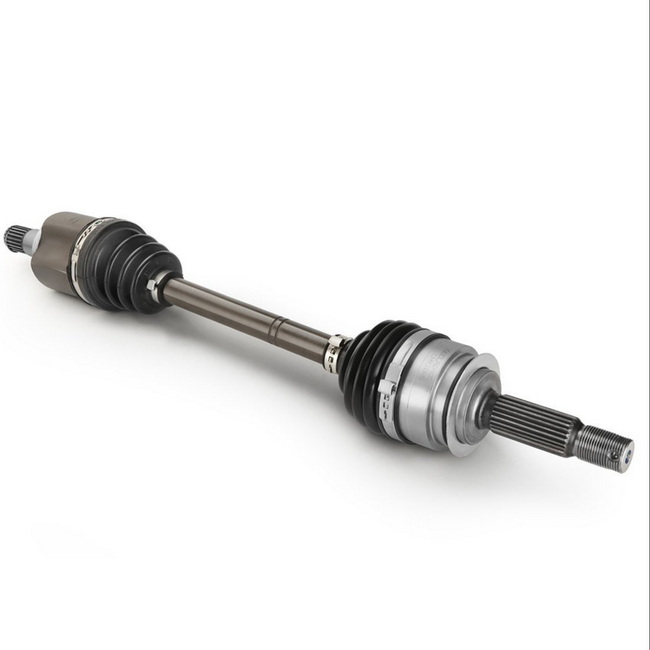
Because drive shafts carry high torque under variable loads, their material and design strongly influence safety and service life.
Common characteristics include:
- High‑strength steel or stainless steel for durability and fatigue resistance.
- Hollow construction in many marine shafts to reduce weight while maintaining stiffness.
- Precision balancing to minimize vibration at high rotational speeds.
- Corrosion resistance in marine environments through material selection and surface treatments.
For advanced applications, composite or specialized alloy shafts can reduce weight and improve torsional performance.
A failing drive shaft can cause serious performance and safety problems.
Typical consequences include:
- Vibration and noise due to imbalance, worn joints, or misalignment.
- Reduced efficiency and higher fuel consumption caused by power loss and friction.
- Component damage to bearings, seals, gearboxes, or differentials from excessive load and shock.
- Loss of propulsion in marine vessels if the shaft or coupling fails completely.
For boats, improper shaft condition can also cause leakage at shaft seals, threatening both equipment and environmental safety.
Drive shafts are used wherever power must be transmitted over a distance between rotating components.
Common applications:
- Passenger cars, light trucks, and SUVs.
- Heavy trucks, buses, and off‑highway machinery.
- Ships, cargo vessels, workboats, and recreational boats.
- Auxiliary ship systems such as pumps and generators driven by main engines.
- Aircraft engine systems and auxiliary power units in some designs.
For marine and offshore industries, specially engineered shaft assemblies are essential for handling high torque and misalignment under rough sea conditions.
Aspect | Automotive drive shaft | Marine drive shaft / propeller shaft |
Main purpose | Transmit power from transmission to differential and wheels. | Transmit power from engine or gearbox to propeller and hull (thrust). |
Environment | Mostly dry, protected underbody with road splash. | Constant exposure to seawater, humidity, and marine corrosion. |
Load characteristics | Variable torque with acceleration, braking, and road impacts. | Continuous torque with high thrust and axial loads at steady RPMs. |
Design focus | Balancing, joint articulation, and vibration control. | Corrosion resistance, sealing, thrust transmission, and alignment. |
Typical materials | High-strength steel, sometimes aluminum or composites. | Stainless steel or high-strength steel with marine coatings, sometimes hollow shafts. |
While specific procedures differ, some core principles help keep both automotive and marine drive shafts in good condition.
- Regular inspection for wear, corrosion, and damage along the shaft, joints, and couplings.
- Proper lubrication of U‑joints or CV joints where grease fittings are provided.
- Alignment checks to prevent excessive vibration and bearing wear, especially in marine shaft lines.
- Seal and bearing monitoring on marine propeller shafts to avoid water ingress and oil leaks.
For critical marine applications, planned maintenance intervals and periodic dry‑docking inspections are essential to avoid unplanned downtime.
For OEMs, shipyards, and fleet operators, working with a specialist supplier ensures that every drive shaft is correctly specified for torque, speed, alignment, and environment.
Ningbo Gill Transmission Parts Co., LTD focuses on marine gears, crankshafts, propeller shafts, transmission shafts, and related components, providing tailored shaft solutions for different vessel types and operating profiles.
By combining material expertise, precision manufacturing, and application engineering, a specialist partner can improve driveline reliability, reduce vibration, and extend service life in demanding marine conditions.
Here are typical scenarios that highlight how important drive shafts are in real‑world use.
- High‑speed boating: A well‑designed marine shaft line minimizes vibration and ensures smooth power delivery at cruising speed.
- Heavy‑load trucking: Robust shafts handle high torque and steep gradients without twisting or failing.
- Offshore workboats: Shafts must tolerate continuous duty cycles and misalignment from hull flexing and sea state.
In each case, shaft design, balancing, materials, and bearings must match the operating profile to avoid premature failures.
If you operate commercial vessels, workboats, or high‑performance leisure craft, choosing the right drive shaft and propeller shaft system is essential for safety, efficiency, and lifecycle cost.
Contact Ningbo Gill Transmission Parts Co., LTD today to discuss custom marine drive shafts, intermediate shafts, and propeller shaft solutions tailored to your engine, gearbox, and hull design, and get expert support from selection through installation and long‑term maintenance planning.
Contact us to get more information!
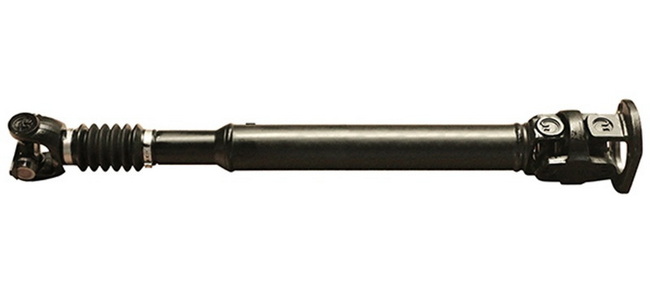
A drive shaft transmits torque and rotation from the engine and transmission to the final drive components, such as wheels or a propeller, so the vehicle or vessel can move.
A marine drive shaft is designed to handle continuous thrust loads, operate in a corrosive environment, and pass through the hull via seals and bearings, while automotive shafts work in a largely dry underbody environment with different load patterns.
Universal joints and CV joints allow the drive shaft to transmit power smoothly through angles caused by suspension travel, steering, or alignment changes, while reducing vibration and mechanical stress.
Inspection frequency depends on usage, but high‑duty fleets and marine operators typically inspect shafts, joints, and bearings during scheduled maintenance, major services, or each haul‑out in the case of vessels.
Common symptoms include vibration, clunking noises when shifting or accelerating, visible shaft or joint damage, leaking marine shaft seals, and unusual wear in bearings or couplings.
1. https://en.wikipedia.org/wiki/Drive_shaft
2. https://www.marineinsight.com/naval-architecture/marine-propeller-shaft-design-and-construction/
3. https://www.getmyboat.com/journal/how-to/inboard-boat-engines/inboard-shaft-explained-how-it-works-and-why-its-essential-for-you/
4. https://www.weeyh.com/knowledge_show/application_of_common_drive_shafts_in_ships_and_aircrafts.html
5. https://besqo.com/index.php?id=1306
6. https://www.machineservice.com/markets-served/marine-drive-shaft-solutions/
7. https://www.driveshaftsoftulsa.com/blogs/news/the-different-drive-shaft-components
8. https://statusmobility.com/the-role-of-cardan-shafts-in-marine-and-offshore-industries/


