
Views: 243 Author: Gill Transmission Parts Publish Time: 2026-08-26 Origin: Site


Content Menu
● The Short Answer: Sierra's Core Operation Is in Illinois
● Why "Made" and "Distributed From" Are Different
● What Sierra Marine Parts Include
>> Typical Product Categories to Check Carefully
● How to Confirm Where a Specific Sierra Part Was Made
>> A Four-Step Verification Process
● Why Part-Level Traceability Matters in Marine Repairs
● Expert Perspective: How to Evaluate an Aftermarket Marine-Part Supplier
>> 2. Manufacturing Capability
>> 3. Quality-Control Documentation
>> 4. Responsive Technical Support
● A Better Sourcing Checklist for Replacement Parts
● Choosing Between a Branded Part and a Custom Supply Partner
● Need Help Identifying or Sourcing a Marine Part?
>> Are all Sierra Marine parts made in the USA?
>> Where is Sierra Marine headquartered?
>> Does Sierra manufacture marine parts or only distribute them?
>> How can I find the country of origin of a Sierra part?
>> Why is the exact part number important?
>> Can an aftermarket marine part replace an OEM part?
>> What information should I provide when requesting a quote for marine parts?
When boat owners, repair shops, and marine-parts buyers ask "where are Sierra Marine parts made?", the most accurate answer is not a single country or factory. Sierra is a long-established aftermarket marine-parts brand with its operational center in Litchfield, Illinois, USA, where products are designed, tested, supported, and distributed globally. However, individual Sierra Marine parts can have different countries of origin depending on the specific product category, material, supplier, and production program.
For buyers, the key lesson is simple: do not assume that every Sierra part is made in the United States just because Sierra's headquarters and distribution operations are located there. Confirm the origin of the exact part number before purchasing—especially when country of origin, import documentation, quality-control requirements, or customer specifications matter.
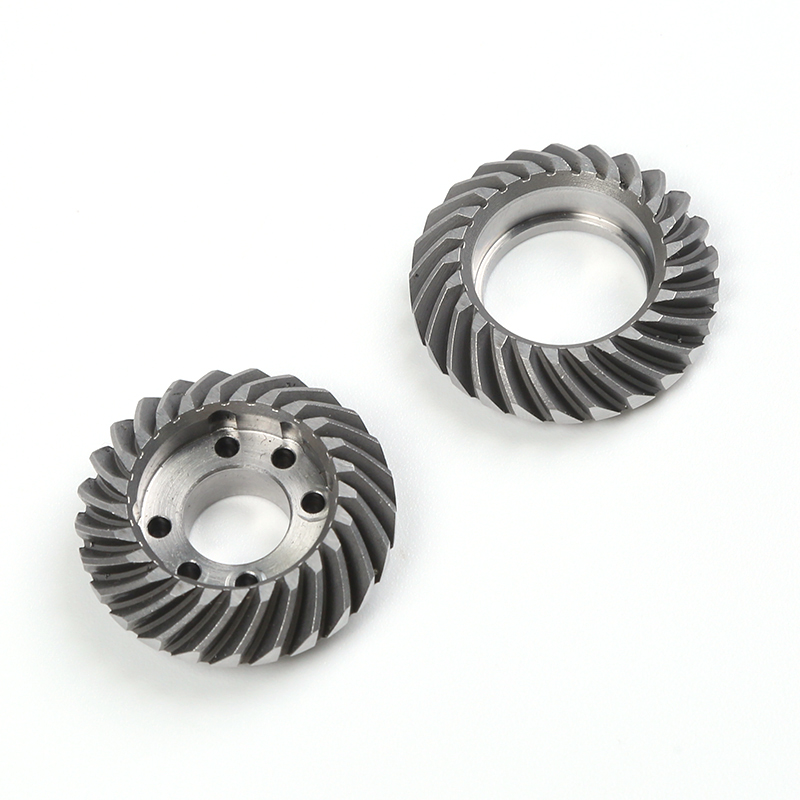
Sierra is a brand of Dometic and has served the marine aftermarket since 1966. Its main facility is in Litchfield, Illinois, where Sierra manages global aftermarket distribution for Sierra products and the Dometic Marine aftermarket range. Sierra also states that its products are designed, tested, and supported by specialists in Litchfield.
That distinction matters:
| Activity | What is known about Sierra |
|---|---|
| Brand and aftermarket operations | Sierra is an established marine aftermarket brand under Dometic |
| Main operational location | Litchfield, Illinois, USA |
| Distribution | Global aftermarket distribution is managed from Litchfield |
| Product support | Sierra states that products are supported by experts in Litchfield |
| Product design and testing | Sierra states that products are designed and tested in Litchfield |
| Manufacturing origin of every SKU | May vary by product; verify the individual part number and packaging |
In other words, Sierra's brand management, engineering support, testing, and distribution are strongly connected to the United States, while the manufacturing origin of a specific impeller, fuel-pump kit, gasket, starter, filter, hose, or electrical component may differ.
A common source of confusion is treating a company's warehouse, headquarters, or distribution center as proof of manufacturing origin.
In marine replacement parts, the supply chain often includes several stages:
1. Product design and technical specification
2. Tooling and prototype validation
3. Material sourcing
4. Component production
5. Assembly and quality inspection
6. Packaging and labeling
7. Warehouse stocking and global distribution
These stages do not always occur in one location.
For example, a marine fuel-system component may be engineered to meet a defined fitment and performance target, produced by a qualified manufacturing partner, inspected according to the supplier's requirements, then stocked and shipped from the United States. The distribution location may be Litchfield, Illinois, but the country of origin must still be confirmed from the product label, carton, importer information, or supplier documentation.
This is particularly important for:
- Importers preparing customs declarations
- Boat builders managing approved-vendor lists
- Distributors selling into markets with origin-labeling rules
- Repair shops sourcing parts for commercial or regulated vessels
- Buyers with "Made in USA" purchasing requirements
- Procurement teams comparing equivalent aftermarket products
Sierra's marine aftermarket portfolio is broad. The company identifies categories including engine and drive parts, fuel-system components, starters, oils and lubricants, instrumentation, hose solutions, shore-power products, battery switches, and bus bars. Sierra has also expanded its brand scope to consolidate multiple marine product categories under one identity.
This wide product coverage helps explain why there is no reliable one-line answer for every part. A rubber impeller, a cast-metal housing, a precision-machined fitting, an electrical switch, and a hose assembly involve very different manufacturing processes and supplier networks.
Engine and drive parts
These can include water-pump kits, impellers, gaskets, seals, thermostats, belts, filters, and ignition components. Correct fitment is usually more important than a generic category description.
Fuel-system components
Fuel pumps, fuel lines, tank fittings, filters, and related components should be checked for part-number compatibility, material suitability, and applicable fuel-system requirements.
Electrical and instrumentation products
Starters, gauges, switches, wiring-related products, and battery-management components often require confirmation of voltage, terminal layout, connector type, and environmental protection level.
Hose and fluid-transfer products
Marine hose selection should account for application, pressure, temperature, bend radius, fluid compatibility, and relevant marine requirements.
Maintenance products
Oils, lubricants, additives, filters, and service kits may have different packaging, formulation, and country-of-origin details from mechanical replacement parts.
If you need a dependable answer for a particular Sierra part, start with the exact Sierra part number. Avoid asking only about the brand, because a general answer can be misleading.
1. Locate the complete part number
Record the Sierra part number exactly as shown on the product, box, invoice, or supplier listing. A missing digit or suffix can lead to the wrong product record.
2. Check the physical packaging
Look for "Made in," "Country of Origin," importer details, batch numbers, and manufacturing labels. Packaging is often the most direct source for a specific unit.
3. Request formal supplier documentation
For bulk procurement, ask the seller or supplier for a country-of-origin statement, commercial invoice details, certificate of origin where applicable, and product specification sheet.
4. Confirm the correct application
A part can be genuine, well-made, and still be wrong for the engine or drive. Cross-check the OEM reference, engine serial range, model year, and application notes before installation.
Practical tip: If country of origin is essential to your purchasing decision, obtain written confirmation before placing a large order. Online product descriptions can be incomplete, outdated, or copied from generic catalog information.
A marine component is rarely evaluated in isolation. It works within an engine, fuel, cooling, steering, electrical, or drive system where an incorrect selection can create downtime, poor performance, leakage, corrosion, or safety concerns.
From an aftermarket-parts perspective, experienced buyers usually focus on five questions:
| Buyer question | Why it matters |
|---|---|
| Does the part match the exact engine or system? | Prevents installation errors and fitment problems |
| Is the material appropriate for the marine environment? | Helps resist corrosion, heat, vibration, fuel exposure, and saltwater conditions |
| Is the supplier able to provide traceable documentation? | Supports purchasing control, customer service, and import compliance |
| Is the replacement part tested for its intended use? | Reduces the risk of early failure or inconsistent performance |
| Can the supplier provide stable stock and after-sales support? | Minimizes vessel downtime and repeat sourcing work |
For marine repair professionals, fitment data and product consistency often matter more than broad marketing claims. A reliable supplier should be able to identify the application, explain the relevant specification, and provide clear product information.
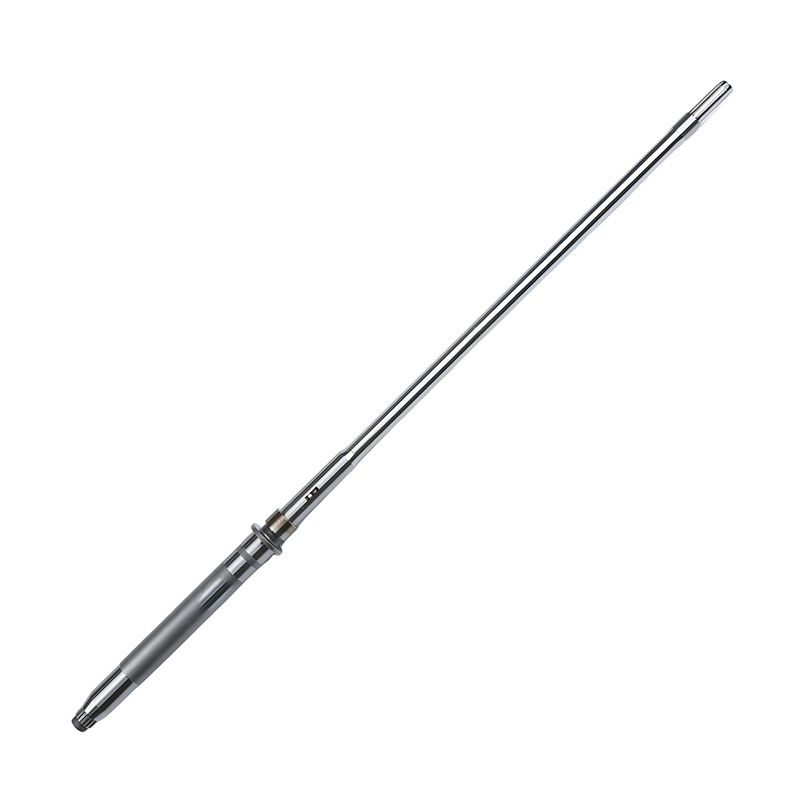
After nearly three decades in the marine-parts field, we have seen that customers often begin by comparing price—but long-term value depends on far more than the unit cost.
A professional supplier evaluation should include the following areas.
Marine engines and drive systems can look similar while using different dimensions, sealing designs, materials, or electrical configurations. A qualified supplier should ask for:
- OEM number or cross-reference number
- Engine brand and model
- Engine serial number, where available
- Product dimensions and photos
- Vessel type and operating conditions
- Required quantity and delivery destination
This information reduces the risk of ordering a part that appears correct but does not perform correctly in service.
For custom or replacement marine components, buyers should understand whether the supplier can control critical processes such as:
- Material selection
- Mold development or machining
- Dimensional inspection
- Surface treatment
- Assembly consistency
- Packaging protection
- Batch identification
For example, a water-pump impeller is not simply a rubber component. Its material formulation, vane geometry, hub fit, flexibility, and heat resistance can all influence service performance.
Ask what checks are completed before shipment. Depending on the product, useful documentation may include:
- Dimensional inspection records
- Material declarations
- Pressure-test records
- Salt-spray or corrosion-related test information
- Performance-test reports
- Product drawings
- Packaging and labeling specifications
- Batch or lot traceability
Not every product needs every document. The appropriate level of documentation should match the part's function, order value, risk level, and customer requirements.
A supplier's value becomes most visible when a buyer has an unusual application, an incomplete sample, or a legacy engine model. The best partners do not simply quote a number; they help identify the component, clarify tolerances, and reduce avoidable purchasing risk.
Whether you are buying Sierra products or comparing alternative marine-parts suppliers, use this checklist before confirming an order.
- Verify the exact OEM reference and the desired cross-reference.
- Confirm the engine, drive, or system application.
- Request clear product photos and critical dimensions.
- Check the country of origin for the exact SKU when required.
- Review material and surface-treatment requirements.
- Confirm packaging, labeling, and carton quantity.
- Ask about stock availability and production lead time.
- Request samples for new or high-volume programs.
- Define inspection requirements before mass production.
- Keep approved samples and technical records for repeat orders.
This process is especially useful for distributors, repair networks, and boat-parts brands that need dependable supply continuity.
Sierra is a recognized aftermarket brand with a substantial distribution and support operation in the United States. For buyers seeking an established catalog part, the correct Sierra part number and approved application data are the most important starting points.
For companies requiring a customized replacement part, private-label packaging, a specific material formula, modified dimensions, or direct factory sourcing, a specialized manufacturer may be a better fit.
At Ningbo Gill Transmission Parts Co., Ltd., we have focused on the research, production, and sale of marine parts for 29 years. Our role is to support buyers who need more than a standard catalog item—particularly when they require product matching, sample development, controlled production, export packaging, and consistent communication throughout the order process.
A capable manufacturing partner should help you move from a vague requirement—such as "we need a replacement water-pump component"—to a controlled purchasing specification with part numbers, dimensions, materials, inspection points, packaging, and delivery expectations.
If you are looking for a Sierra replacement, an OEM-equivalent component, or a customized marine-parts solution, send us the part number, photos, dimensions, engine model, and required quantity. Our team can help assess fitment, review technical requirements, and provide a practical sourcing recommendation for your market.
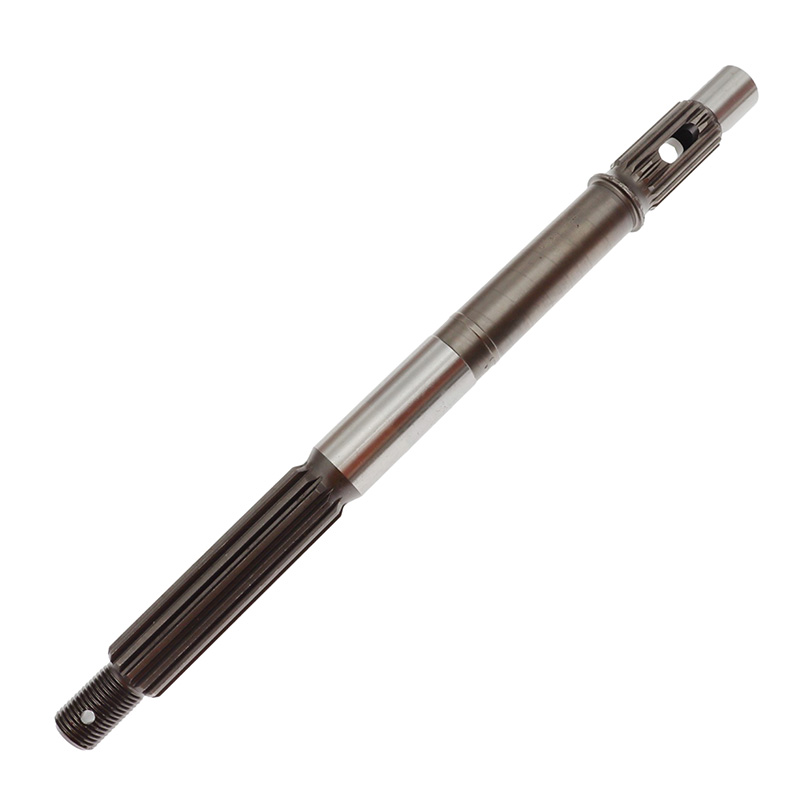
No. Sierra's operational base and global distribution center are in Litchfield, Illinois, and the company states that its products are designed, tested, and supported there. However, the manufacturing origin can vary by product. Check the exact item's label or request documentation for the specific part number.
Sierra's principal facility is located in Litchfield, Illinois, USA. The facility manages global aftermarket distribution for Sierra and the Dometic Marine aftermarket range.
Sierra describes itself as a manufacturer and supplier of aftermarket marine parts. It also operates a major distribution function. For a specific product, buyers should distinguish between brand ownership, design and testing, manufacturing location, and distribution location.
Check the product packaging, label, commercial invoice, customs documentation, or written supplier confirmation. Use the complete Sierra part number when requesting information.
A brand can sell thousands of different items across engine, fuel, electrical, hose, and maintenance categories. Country of origin, material, fitment, and product specifications may differ between individual SKUs.
It can, provided the replacement is correctly matched to the application and meets the necessary technical requirements. Verify the OEM reference, dimensions, material, system compatibility, and installation instructions before use.
Provide the OEM or reference number, product photos, dimensions, material requirement, engine or vessel application, required quantity, target market, packaging needs, and delivery location. This helps the supplier provide a more accurate quotation and reduces fitment risk.
2. [Dometic — New Sierra Consolidates Service Parts Under One Brand for Both Marine and Land]
3. [Boating Industry — SeaStar Solutions to Celebrate Sierra's 50th Anniversary]


