


close
Choose Your Site
Global
Social Media
Views: 241 Author: Gill Transmission Parts Publish Time: 2026-09-20 Origin: Site


Content Menu
● Where Can You Buy Boat Trailer Parts?
● Start With the Exact Part You Need
● Buy According to Load, Not Just Trailer Size
● Choose Parts for Freshwater or Saltwater Use
>> Recommended Features for Saltwater Trailers
● How to Verify Compatibility Before Ordering
>> Boat Trailer Parts Compatibility Checklist
● What Experienced Buyers Check Before Paying
● A Pre-Trip Inspection That Protects Your Purchase
● Avoid These Common Buying Mistakes
>> Ordering Without Measurements
>> Choosing Non-Marine Electrical Parts
>> Delaying Bearing and Brake Maintenance
● Why Direct Manufacturer Sourcing Can Be Better
● Find the Right Boat Trailer Parts Partner
>> Where is the best place to buy boat trailer parts?
>> How do I know which wheel bearing kit fits my boat trailer?
>> Are stainless-steel boat trailer parts always better?
>> How often should I inspect my boat trailer?
>> Can I use regular trailer lights on a boat trailer?
>> What information should I send when requesting a custom drive shaft?
>> Should I replace other components when replacing a worn trailer part?
Finding the right place to buy boat trailer parts is not simply about locating the lowest price. It is about choosing compatible, durable, corrosion-resistant components that keep your boat supported at the ramp and your trailer safe on the road. Whether you need a replacement drive shaft, trailer hub, bearing kit, brake component, winch, roller, coupler, light, or suspension part, the best supplier should provide clear specifications, dependable quality control, and knowledgeable technical support.
For boat owners, trailer builders, marine repair shops, distributors, and OEM buyers, the ideal source depends on the part required, operating environment, order volume, and service expectations. A small local purchase may solve an urgent repair, while a specialized marine-parts manufacturer may be the better long-term choice for custom components, recurring procurement, or corrosion-prone applications.
At Ningbo Gill Transmission Parts Co., LTD., we have spent 29 years developing, producing, and supplying transmission-related marine components, including drive shafts and related precision parts. From our experience working with marine equipment requirements, one lesson is consistent: the right part is not merely one that fits today—it is one that continues to perform after repeated towing, launching, vibration, load cycles, and exposure to water.
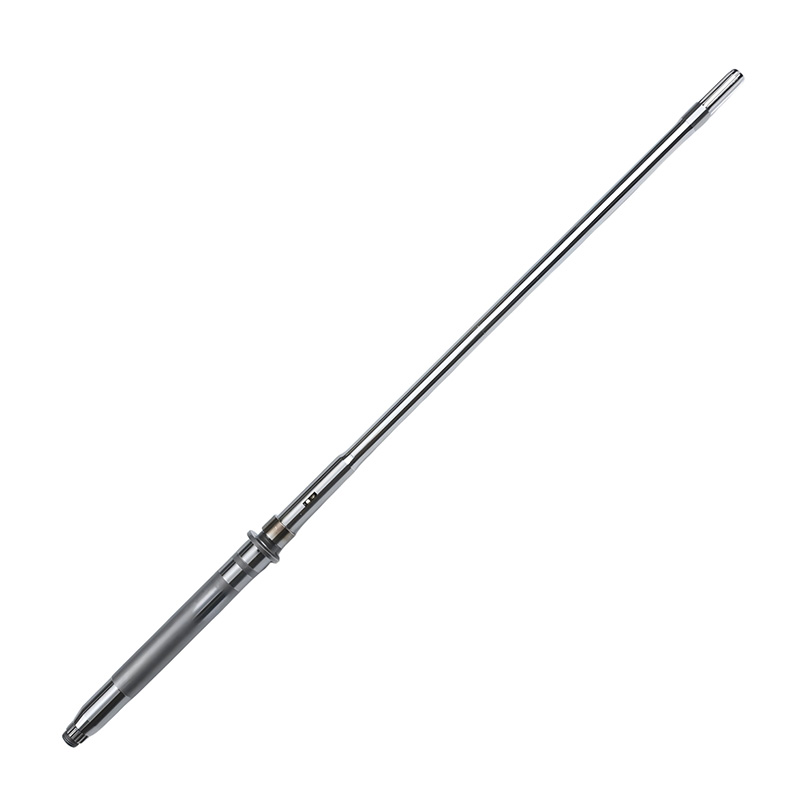
Boat trailer parts are available through several purchasing channels. Each option has advantages, but the right choice depends on whether you are buying a standard replacement part, upgrading a working trailer, sourcing for a repair business, or purchasing components for production.
| Buying Channel | Best For | Main Advantages | What to Check Before Buying |
|---|---|---|---|
| Local marine supply stores | Urgent replacements and visual inspection | Immediate availability, in-person assistance | Limited inventory, part compatibility, return terms |
| Trailer repair shops | Installation and diagnosis | Technical service and practical advice | Labor cost, component brand, repair scope |
| Online marine retailers | Standard parts and price comparison | Broad catalogues and convenient ordering | Exact measurements, shipping time, seller credibility |
| Trailer-parts distributors | Frequent maintenance and commercial buyers | Wider inventory and bulk availability | Stock consistency, warranty, application data |
| Specialized manufacturers | OEM, custom, and high-volume sourcing | Engineering support, customization, production control | Drawings, material grades, lead time, quality process |
| Automotive parts stores | Basic electrical or towing accessories | Convenient for lights, connectors, grease, fasteners | Marine suitability and load rating |
A quality supplier should be transparent about what a part is designed to do. For example, a wheel bearing kit should identify its bearing and seal specifications. A coupler should state its ball-size and load-capacity requirements. A drive shaft or transmission-related component should be matched to the relevant dimensions, torque requirements, connection method, material, and operating environment.
Do not buy a critical trailer part based on appearance alone. Two components may look alike but have different load ratings, mounting patterns, tolerances, coatings, or corrosion resistance.
Before searching "where to buy boat trailer parts," identify the failed, worn, or missing component accurately. This step reduces costly ordering errors and helps a supplier recommend the correct replacement.
Common boat trailer parts include:
- Axles and suspension components
- Hubs, bearings, seals, and bearing protectors
- Brake assemblies, brake lines, actuators, pads, and drums
- Tires, wheels, lug nuts, and spare-tire carriers
- Couplers, hitch balls, safety chains, jacks, and breakaway systems
- Winches, straps, cables, hooks, bow stops, rollers, and bunks
- Fenders, brackets, U-bolts, fasteners, guide-ons, and frame hardware
- Lights, reflectors, wiring harnesses, connectors, and waterproof electrical accessories
- Drive shafts, transmission components, and customized mechanical parts for marine applications
For precision parts, take measurements before contacting a supplier. A clear purchasing inquiry should include:
1. Part name and application
Explain where the part is installed and what equipment it serves.
2. Photos from multiple angles
Include the complete part, mounting points, labels, damage areas, and adjacent components.
3. Measurements
Record length, diameter, bore size, spline count, bolt-hole distance, thread size, and keyway dimensions where applicable.
4. Material and surface condition
Note whether the old part was galvanized, stainless steel, coated steel, aluminum, or another material.
5. Trailer and boat information
Include trailer make, model, axle type, total loaded weight, and intended towing conditions.
6. Original part number or drawing
This is especially useful for drive shafts, hubs, brakes, couplers, and custom-machined components.
A good supplier will ask follow-up questions rather than immediately promising that a part will fit. This is a positive sign. It shows that the supplier is evaluating the application instead of treating all trailer parts as interchangeable.
One of the most common purchasing mistakes is selecting a component based only on the visible size of the trailer. A trailer may look small while carrying a heavy boat, engine, fuel, batteries, fishing equipment, electronics, and personal gear.
The relevant number is the fully loaded towing weight, not the empty boat weight listed in an old brochure.
To estimate a realistic working load, include:
- Boat hull weight
- Outboard or inboard engine weight
- Trailer weight
- Fuel and water
- Batteries and onboard electronics
- Anchors, safety equipment, coolers, fishing gear, and personal equipment
- Any installed accessories, such as towers, hardtops, trolling motors, or auxiliary engines
Then compare that total with the ratings of the axle, tires, wheels, bearings, coupler, hitch, winch, safety chains, and tow vehicle. These components must work together as a system.
For example, installing high-capacity tires does not correct an undersized axle. Replacing a worn winch strap does not make an overloaded trailer safe. A durable drive shaft cannot compensate for improper alignment or a connection that does not match its torque and dimensional requirements.
Federal safety guidance emphasizes that trailers need critical safety equipment, including suitable lighting, tires, and wheels. Buyers should also verify that a trailer manufacturer is properly listed and that the trailer carries the required compliance information.
Marine trailers operate in a harsh environment, especially when they are launched in saltwater. Water can enter hubs, attack electrical connections, corrode fasteners, damage brake components, and shorten the life of unprotected mechanical assemblies.
When buying boat trailer parts for saltwater use, prioritize corrosion resistance from the start.
- Hot-dip galvanized steel for many frame-mounted and structural parts
- Stainless-steel hardware where appropriate for marine exposure
- Marine-grade grease for bearings and moving components
- Sealed or protected bearing systems to reduce water intrusion
- Corrosion-resistant brake lines for braked trailers
- Submersible or marine-rated lights and protected wiring connections
- Heat-shrink connectors rather than exposed wire joins
- UV-resistant winch straps with corrosion-resistant hooks
- Coated or stainless fasteners for brackets, guides, and bunk hardware
Dexter's marine-trailer guidance specifically advises buyers to consider axle and brake capacity, tire ratings, properly functioning lights, warranty support, corrosion-resistant brake lines, durable ramps, and safety chains matched to the required weight rating.
A lower-cost general-purpose part can become expensive if it rusts quickly, fails at the launch ramp, or requires repeated replacement. For marine equipment, material selection is part of the buying decision—not an optional upgrade.
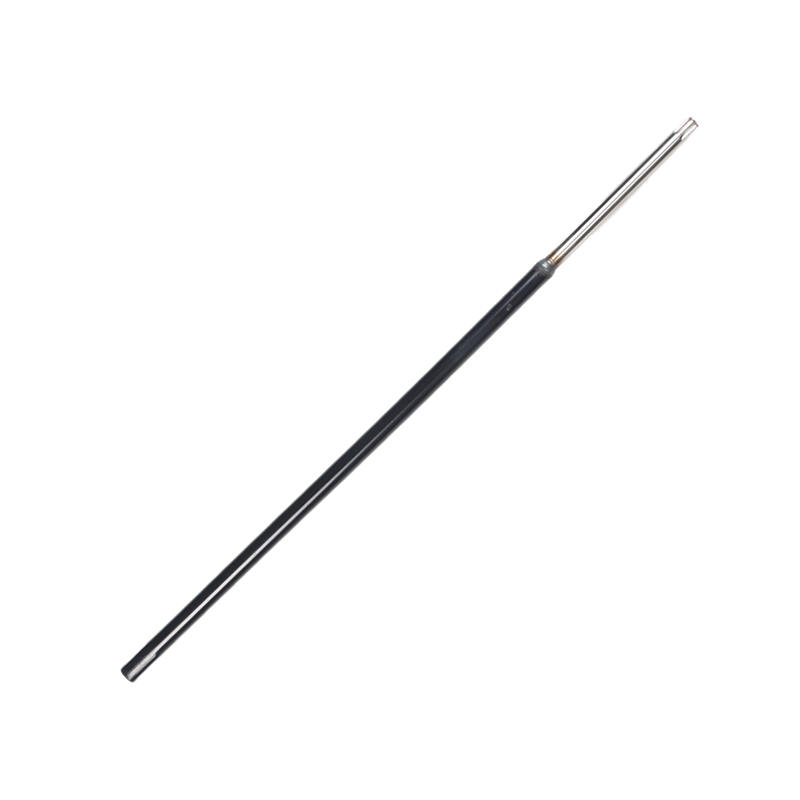
Compatibility is the foundation of a successful boat trailer parts purchase. Even a high-quality part can fail to perform if it is installed on the wrong trailer, paired with incompatible hardware, or used outside its rated capacity.
Use this checklist before placing an order.
| Component | Key Information to Confirm |
|---|---|
| Wheel bearings | Bearing number, race size, seal dimensions, spindle type |
| Hub assembly | Bolt pattern, bearing set, spindle size, brake compatibility |
| Trailer tires | Load range, tire size, speed capability, wheel compatibility |
| Coupler | Ball size, channel width, mounting method, rated capacity |
| Safety chains | Weight rating, chain length, connection hardware |
| Winch | Pulling capacity, strap or cable length, mounting dimensions |
| Brakes | Axle capacity, drum or disc system, actuator type, mounting flange |
| Trailer lights | Wiring connector, voltage, mounting location, waterproof rating |
| Rollers and bunks | Hull shape, bracket size, shaft diameter, mounting arrangement |
| Drive shafts | Overall length, diameter, spline or flange configuration, torque needs, material, tolerances |
For a custom drive shaft or mechanical transmission component, do not rely on a single overall-length measurement. The supplier may need the shaft drawing, spline details, end-connection information, operating torque, rotation speed, load pattern, and installation environment.
At Ningbo Gill Transmission Parts Co., LTD., our practical recommendation is simple: provide as much application information as possible before production begins. A complete drawing or physical sample can significantly reduce sampling time, fitment risks, and production revisions.
Professional buyers often evaluate more than product price. They consider whether the supplier can consistently deliver the same quality over time.
Here are key questions to ask a boat trailer parts supplier:
- Can you provide detailed dimensions, drawings, or specification sheets?
- What material grade and surface treatment are used?
- Is the part designed for freshwater, saltwater, or both?
- What load, torque, or performance limits apply?
- Can you provide samples before a large order?
- What inspection steps are used during production?
- Can you manufacture according to drawings, samples, or OEM requirements?
- What is the normal lead time for samples and production orders?
- How are parts packed to prevent damage and corrosion during shipment?
- What support is available if a part does not match the confirmed specification?
For distributors and trailer manufacturers, consistent quality matters more than a one-time low quotation. A supplier that maintains clear production documentation, inspection standards, material traceability, and communication can help reduce warranty claims, installation delays, and customer complaints.
Buying quality parts is only the first step. Regular inspection helps extend service life and identifies minor issues before they become roadside failures.
Before every towing trip, inspect:
- Tire pressure, tread condition, sidewall cracking, and lug-nut tightness
- Spare tire condition and inflation
- Trailer lights, brake lights, turn signals, reflectors, and electrical connector
- Coupler engagement and hitch-ball size
- Safety chains and attachment points
- Winch strap or cable for fraying, cuts, corrosion, and secure hook engagement
- Wheel hubs for unusual heat, looseness, noise, or grease leakage
- Brake operation and brake-fluid condition where applicable
- Bunks, rollers, guide-ons, brackets, and mounting bolts
- Frame, crossmembers, axle mounts, welds, and suspension hardware
Industry maintenance guidance commonly recommends checking tire pressure and lights before each trip, inspecting bearing protection and brake operation, and routinely examining trailer hardware for wear or corrosion.
After saltwater launching, rinse the trailer thoroughly with fresh water. Pay special attention to brakes, hubs, axles, springs, wiring connectors, winch assemblies, fasteners, and the underside of the frame. This simple habit can slow corrosion and make future inspections easier.
The cheapest option may use thinner materials, weaker coatings, inconsistent dimensions, or lower-grade hardware. For trailer safety components, replacement frequency and failure risk should be considered alongside the purchase price.
Do not select tires, bearings, brakes, couplers, or chains based only on the boat's dry weight. Calculate the realistic loaded towing weight.
A new part installed with corroded bolts, stretched chains, worn brackets, or damaged wiring may still perform poorly. Inspect the surrounding system during replacement.
A supplier cannot confirm compatibility without accurate dimensions, part numbers, photos, or drawings. Taking ten minutes to measure can prevent weeks of return shipping and downtime.
Boat trailer lights and wiring are repeatedly exposed to water. Select components intended for marine or submersible use, and protect all electrical connections.
Bearing problems can develop quietly. A small seal failure or water intrusion can lead to overheating, wheel damage, or a breakdown during transport. Regular inspection is less expensive than emergency repair.
For OEM manufacturers, distributors, fleet operators, and marine repair businesses, buying directly from a specialized manufacturer can offer meaningful advantages.
These may include:
- Custom dimensions and connection designs
- Material and coating options for specific operating environments
- Stable quality for repeat orders
- Sample development before volume production
- Better control over branding and packaging
- Technical communication for complex or non-standard parts
- More efficient sourcing for recurring purchase requirements
This approach is especially valuable for drive shafts and other precision mechanical parts. A generic replacement may be acceptable for a simple accessory, but a transmission-related component requires closer attention to material properties, machining accuracy, connection geometry, balance, and working conditions.
With 29 years of experience in the research, production, and supply of drive shafts and marine-related transmission parts, Ningbo Gill Transmission Parts Co., LTD. supports customers seeking reliable parts for replacement, distribution, OEM projects, and customized applications. The best sourcing conversations begin with a drawing, sample, or detailed technical requirement—and end with a component built for the actual job.
The best place to buy boat trailer parts is a source that understands your application, confirms compatibility, provides clear specifications, and stands behind the quality of its products. For basic emergency items, a local marine retailer may be the fastest option. For ongoing maintenance, commercial purchasing, or custom mechanical components, a capable manufacturer can provide stronger long-term value.
Before purchasing, verify dimensions, ratings, material suitability, corrosion protection, and installation requirements. A properly selected part protects your trailer, your boat, your schedule, and the people traveling with you.
If you are sourcing drive shafts, transmission components, or customized marine mechanical parts, contact Ningbo Gill Transmission Parts Co., LTD. with your drawings, samples, specifications, or project requirements. Our team can help evaluate the application and develop a solution suited to your equipment and market needs.
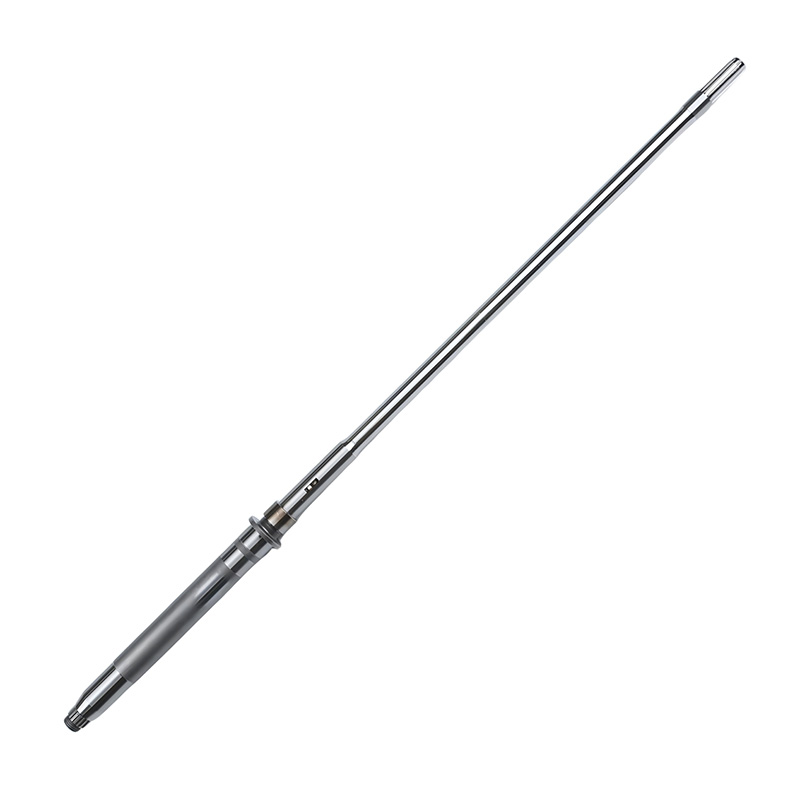
The best source depends on the part and urgency. Local marine shops are useful for immediate replacement needs, while online retailers offer wider standard-part selection. For custom, OEM, recurring, or precision mechanical components, working directly with a specialized manufacturer can provide better technical support and consistency.
Check the existing bearing numbers, race dimensions, seal size, and spindle type. If these markings are unreadable, measure the spindle and hub carefully or provide clear photos to a qualified supplier before ordering.
Not always. Stainless steel offers strong corrosion resistance in many marine applications, but galvanized steel may be the more practical and economical choice for certain structural trailer components. The correct choice depends on part function, load, exposure level, and compatibility with surrounding materials.
Perform a quick inspection before every trip. Check tires, lights, coupler engagement, chains, winch strap, hubs, and visible hardware. Carry out a more detailed inspection at least annually, and more frequently if the trailer is used regularly or launched in saltwater.
It is better to use marine-rated or submersible trailer lights. Boat trailers are regularly exposed to water, and ordinary lights or unprotected connectors can corrode or fail prematurely.
Send a drawing or sample, overall dimensions, shaft diameter, spline or flange details, material requirements, torque and speed information, installation method, operating environment, target quantity, and any required packaging or branding specifications.
Inspect all connected components. For example, when replacing bearings, also inspect races, seals, grease, hub condition, and spindle wear. When replacing a winch strap, inspect the hook, winch gears, bow eye, and mounting hardware. Replacing related worn parts together can prevent repeat repairs.
1. [National Highway Traffic Safety Administration — Check Trailers for Federal Safety Regulations]
2. [National Marine Manufacturers Association — You and Your Boat Trailer]
3. [Dexter — Boat Trailer Maintenance Checklist and Setup Guide]
4. [Discover Boating — Basic Boat Trailer Maintenance Checklist]
5. [West Marine — Boat Trailer Maintenance Guide]


