


close
Choose Your Site
Global
Social Media
Views: 281 Author: Gill Transmission Parts Publish Time: 2026-07-08 Origin: Site


Content Menu
● Why Corrosion‑Resistant Trailer Parts Matter More Than You Think
● The Best Materials For Corrosion‑Resistant Boat Trailer Parts
>> Galvanized Steel – The Workhorse For Most Trailers
>> Stainless Steel – Premium Corrosion Resistance For Critical Hardware
>> Aluminum – Lightweight And Naturally Corrosion‑Resistant
● Where To Buy Corrosion‑Resistant Boat Trailer Parts—Online vs. Local
>> Buying Online From Marine‑Focused Retailers
>> Buying From Local Trailer And Marine Dealers
● How To Evaluate A Reliable Supplier (Experience & Trust Signals)
>> Signs Of A Trustworthy Boat Trailer Parts Seller
● Expert Checklist – How To Choose Corrosion‑Resistant Parts Step By Step
>> Step‑By‑Step Selection Process
● Advanced Insight From A Marine Manufacturer's Perspective
>> Why Manufacturing Experience Matters When Choosing Parts
>> Case‑Style Example – The Cost Of "Cheap Now, Expensive Later"
● UX Tips – Making Your Own Buying Journey Easier
>> Use Shortlists, Tables, And Reviews
>> When To Consult A Specialist
● Clear Call To Action – Build A Corrosion‑Resistant Trailer System Today
● Frequently Asked Questions (FAQ)
If you're serious about keeping your boat, trailer, and gear safe from rust and premature failure, choosing the right corrosion‑resistant boat trailer parts is not optional—it's the foundation of reliable, stress‑free towing. As a manufacturer with 29 years of hands‑on experience in marine driveline components, including outboard propeller shafts and related transmission parts, we see every week what happens when owners cut corners on materials and suppliers: seized couplers, cracked springs, and hidden corrosion that shows up only when it's too late. [gilltransmission]
When boat owners ask us where to buy corrosion‑resistant boat trailer parts, they're usually not just looking for a store name—they're looking for trusted guidance from people who build marine parts for a living. Drawing on decades in manufacturing propeller shafts and driveline components, we'll walk through the materials that actually resist corrosion, how to evaluate online and local suppliers, and the signals that show a seller really understands marine environments. [wholesalemarine]
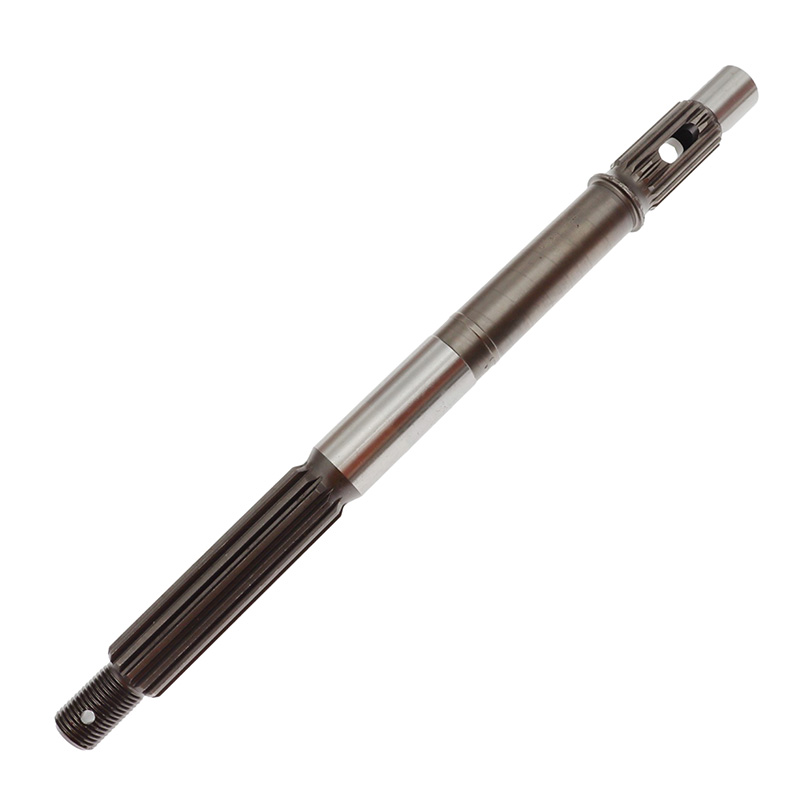
Boat trailers live in a uniquely hostile environment: saltwater, road salt, UV, and high mechanical loads all attack every bolt, bracket, and moving component. When a coupler, winch post, or U‑bolt fails, it's rarely at a convenient time—it's usually on the highway, at the ramp, or after a long storage period when hidden rust has been silently progressing. [wholesalemarine]
- Safety risk: Rust‑weakened parts can snap under braking or cornering, causing loss of control.
- Higher lifetime cost: Cheap painted parts often need replacement every few seasons; quality galvanized or stainless components can last many years with minimal maintenance. [unicornstainless]
- Boat protection: A corroded winch stand or roller bracket can damage the hull during loading and transport.
From our experience supplying marine driveline components worldwide, the owners who invest once in quality, corrosion‑resistant hardware have far fewer emergency failures and significantly lower total cost of ownership. [gilltransmission]
For many boaters, hot‑dip galvanized steel strikes the best balance of strength, cost, and corrosion resistance. [wholesalemarine]
- Zinc coating sacrificially protects the steel underneath in wet and salty environments. [aaamarinetrailers]
- Suitable for frames, cross‑members, brackets, and many standard hardware items.
- Widely available from both local dealers and online marine retailers. [aaamarinetrailers]
Look for descriptions such as "hot‑dip galvanized," "marine‑grade zinc‑plated," and "saltwater suitable" in product details. Thin electro‑plating with no mention of marine use is usually a red flag. [aaamarinetrailers]
When owners ask how to prevent constant rust on fasteners, we recommend stainless steel for high‑stress and frequently exposed parts. [unicornstainless]
- Ideal for U‑bolts, fasteners, shackles, bow eyes, safety chains, and lock hardware. [unicornstainless]
- Resists pitting and crevice corrosion far better than standard carbon steel in saltwater.
- Common alloys include 304 and 316 stainless, with 316 preferred for harsh saltwater use. [unicornstainless]
Specialist suppliers of stainless boat trailer parts stock couplers, latches, hitches, and U‑bolts designed specifically for marine environments, giving you a one‑stop source for rust‑critical items. [unicornstainless]
Aluminum trailer frames and select components offer:
- Lower weight, reducing tow vehicle load and fuel consumption.
- Good corrosion resistance due to natural oxide formation, especially when paired with stainless hardware. [wholesalemarine]
- Popular in coastal regions where frequent saltwater immersion is expected. [wholesalemarine]
Aluminum isn't suitable for every part (for example, some high‑impact components still rely on steel), but quality aluminum trailers with properly selected stainless fasteners perform extremely well in long‑term saltwater use. [wholesalemarine]
Online marine retailers and specialist hardware stores now offer a wide range of corrosion‑resistant boat trailer parts, from galvanized jacks and hubs to stainless couplers and U‑bolts. Done correctly, buying online provides: [aaamarinetrailers]
- Broader selection than many local shops, especially for stainless specialty items.
- Clear material descriptions, load ratings, and usage notes.
- User reviews that reveal how parts perform after several seasons.
When buying online, pay attention to:
- Material details: Look for explicit mention of stainless steel, hot‑dip galvanization, or marine‑grade coatings. [aaamarinetrailers]
- Load ratings: Confirm capacity for jacks, winches, leaf springs, and couplers relative to your boat and trailer weight.
- Return policy: Corrosion‑resistant parts are an investment—ensure you can return items that don't match your trailer or quality expectations.
Our OEM customers in North America and Europe often combine online purchasing for specialty stainless hardware with local sourcing for heavy or bulky components like frames and cross‑members. [gilltransmission]
Local boat trailer and marine dealers remain an excellent source for corrosion‑resistant hardware, especially when you need parts installed, inspected, or matched to an existing trailer. [aaamarinetrailers]
Advantages include:
- Hands‑on inspection of galvanization quality, welds, and overall finish before purchase.
- Advice from mechanics who understand local ramp conditions, road salt usage, and common failure points.
- On‑the‑spot fitment checks for hubs, bearings, and brake components.
For owners who are not comfortable measuring and specifying every detail themselves, combining local dealer guidance with targeted online purchases often yields the best result.
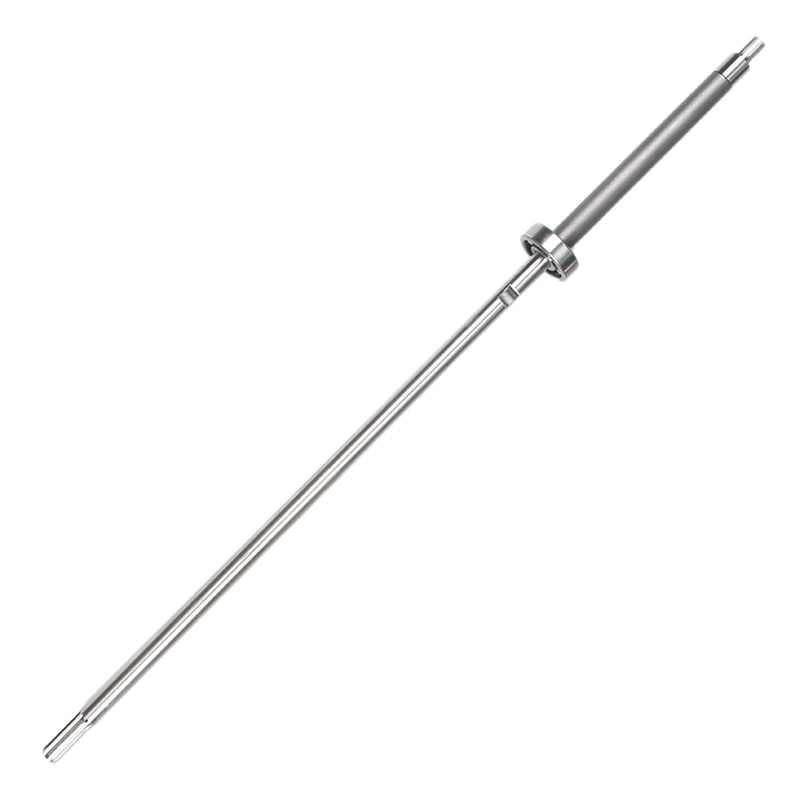
From an E‑E‑A‑T perspective, you're not just choosing a product—you're choosing whether to trust a supplier with the safety of your boat and tow vehicle. [keywordseverywhere]
Look for suppliers—online or offline—that demonstrate:
- Clear technical information: Materials, coatings, load ratings, and usage recommendations are explained in plain language, not just marketing slogans. [unicornstainless]
- Visible contact details: A phone number, email, and physical address signal real operations behind the website. [digitaltrainee]
- Real reviews and testimonials: Feedback from boat owners who have used the parts for multiple seasons, ideally mentioning specific conditions (saltwater, winter storage, long‑distance towing). [digitaltrainee]
- Specialization in marine or trailer products: Sellers who focus on marine hardware understand the corrosion and mechanical requirements better than generic hardware stores. [wholesalemarine]
Manufacturers like Ningbo Gill Transmission Parts Co., LTD, which have decades of experience in marine driveline components, gears, and propeller shafts, often supply OEM and industrial clients under long‑term contracts—another strong indicator of engineering reliability and manufacturing depth. [gilltransmission]
As a manufacturer, we advise boat owners and fleet managers to use a simple, repeatable checklist whenever they upgrade trailer components:
1. Audit your current trailer
- Identify rust‑prone areas: coupler, safety chains, winch stand, U‑bolts, springs, hubs, and brake hardware.
- Note material and coating of existing parts.
2. Prioritize critical components
- Focus first on load‑bearing and safety‑critical parts: coupler, tongue jack, safety chains, and suspension.
- Replace cheap painted steel components with galvanized or stainless equivalents. [aaamarinetrailers]
3. Choose the right material for each part
- Galvanized steel for structural and heavy‑duty components.
- Stainless steel for fasteners, chains, U‑bolts, and latches.
- Aluminum for frames and select cross‑members where weight savings matter. [unicornstainless]
4. Verify specs against your boat weight
- Match jacks, springs, and couplers to the fully loaded trailer weight, not just hull weight.
- Add safety margin for gear, fuel, and future upgrades.
5. Select a trusted supplier
- Prefer vendors with clear material specifications, marine focus, and realistic customer reviews.
- For complex cases (tandem axles, surge brakes), involve a local trailer technician.
Using this structured approach, owners avoid impulse purchases and build a coherent corrosion‑resistant system, rather than a mix of mismatched parts.
As a company established in 1997 and focused on marine gears, drive shafts, and propeller shafts, we see the long‑term effects of corrosion not just on trailers, but on the entire boat‑and‑driveline system. [gilltransmission]
A few insights from the manufacturing side:
- Tolerances and materials interact: Using poor‑quality fasteners on a well‑engineered trailer frame can still lead to premature fatigue and misalignment.
- Marine environments accelerate microscopic defects: Inclusions, poor galvanization, or inconsistent stainless quality show up as pitting and cracking far earlier in saltwater regions.
- OEM relationships reveal what actually fails: Working with boat builders and fleet operators, we track which parts survive multi‑season use and which designs consistently cause service issues. [gilltransmission]
When you choose corrosion‑resistant trailer parts from suppliers that understand these factors, you're benefiting indirectly from thousands of hours of engineering, testing, and real‑world failure analysis.
Consider a typical coastal boat owner with a mid‑size trailer:
- Initial purchase: Inexpensive painted coupler, standard hardware, and light‑duty safety chains.
- After two seasons of saltwater use: Surface rust turns into binding, difficult‑to‑operate couplers and weakened chains.
- Outcome: Emergency replacement at the ramp, lost trip time, and higher cost due to last‑minute, limited‑choice purchases.
Compare that to an owner who upgrades early to galvanized coupler, stainless U‑bolts and chains, and a zinc‑plated jack with greasable fittings designed for marine use. Their upfront investment is higher, but they typically avoid unplanned downtime and major safety risks for many seasons. [aaamarinetrailers]
When you start searching where to buy corrosion‑resistant boat trailer parts, the sheer number of options can be overwhelming. To stay in control: [wholesalemarine]
- Build a shortlist of 2–3 trusted suppliers (one local, one or two online).
- Create a simple table comparing materials, load ratings, and marine suitability.
- Read reviews that mention multi‑season use, saltwater exposure, and real towing distances.
Here's an example comparison table you can adapt for your own shopping:
| Part type | Recommended material | Typical use case |
|---|---|---|
| Coupler & latch | Galvanized or stainless | Core towing safety hardware |
| U‑bolts & fasteners | Stainless steel | Securing bunks, brackets, accessories |
| Tongue jack | Zinc‑plated / galvanized | Frequent ramp and yard operations |
| Safety chains | Stainless or galvanized | Backup connection between boat & tow |
| Frame components | Galvanized steel / aluminum | Structure, load‑bearing |
If you operate:
- Heavier boats
- Tandem or tri‑axle trailers
- Commercial or charter fleets
it's wise to involve marine mechanics or trailer specialists who understand both corrosion and load dynamics. Experienced technicians see patterns across many trailers and can recommend specific part brands and materials that hold up under your local conditions.
Choosing corrosion‑resistant boat trailer parts is not just about preventing visible rust; it's about building a reliable, safe towing system that protects your boat investment season after season. Start by auditing your current trailer, prioritizing safety‑critical components, and selecting trusted suppliers who clearly explain materials, load ratings, and marine suitability. [unicornstainless]
If you need professional guidance from a manufacturer with nearly three decades in marine driveline engineering, reach out to a specialist supplier like ours to discuss your trailer setup, local conditions, and upgrade plan. The sooner you transition to a coherent corrosion‑resistant parts strategy, the less you'll spend on emergency fixes—and the more confidently you'll tow to every launch. [gilltransmission]
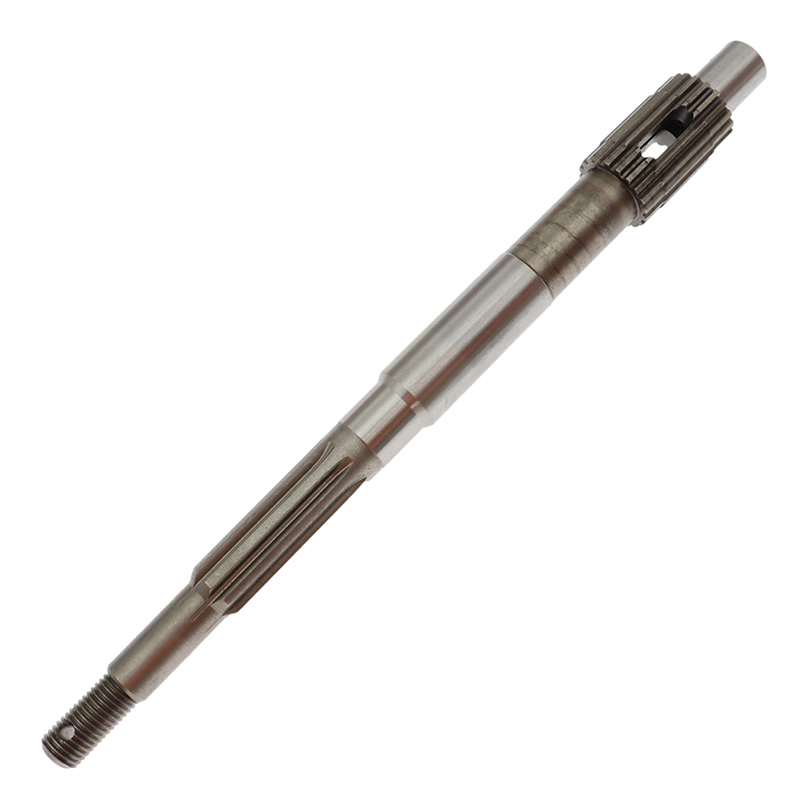
Q1: Are galvanized parts enough for saltwater use, or do I need stainless everywhere?
For most trailer frames and large structural parts, hot‑dip galvanized steel is sufficient when rinsed after use; stainless is most valuable for fasteners, chains, and frequently exposed hardware where rust quickly compromises safety and usability. [wholesalemarine]
Q2: How can I tell if an online seller really offers marine‑grade parts?
Check for explicit mention of saltwater use, hot‑dip galvanization, stainless grades, and clear load ratings, plus reviews from boat owners referencing multi‑season performance; generic hardware descriptions without marine context are a warning sign. [aaamarinetrailers]
Q3: Is aluminum always better than steel for boat trailers?
Aluminum offers excellent corrosion resistance and reduced weight, but properly galvanized steel remains highly effective and often more economical; the best choice depends on boat size, towing frequency, and local environment. [wholesalemarine]
Q4: How often should I inspect corrosion‑resistant parts?
Even high‑quality galvanized and stainless components should be visually inspected at least once per season, with closer checks on couplers, chains, U‑bolts, hubs, and springs before long trips or after heavy saltwater exposure. [unicornstainless]
Q5: Why does manufacturing experience in marine driveline parts matter for trailer hardware advice?
Manufacturers of marine gears and propeller shafts routinely analyze corrosion, fatigue, and material selection under harsh marine conditions, giving them a deep, practical understanding of which materials and designs survive long‑term saltwater use and which consistently fail. [gilltransmission]
1. Gill Transmission – Gear, Drive Shaft, Propeller Shaft Manufacturer (Company overview and marine driveline expertise):
[https://www.gilltransmission.com/] [gilltransmission]
2. Wholesale Marine – Boat Trailer Parts Overview (Materials and corrosion‑resistant options):
[https://www.wholesalemarine.com/trailer-parts/] [wholesalemarine]
3. AAA Marine Trailers – Trailer Parts (Zinc‑plated marine jacks and hardware):
[https://www.aaamarinetrailers.com/trailers-parts] [aaamarinetrailers]
4. Unicorn Stainless – Stainless Boat Trailer Parts (Stainless components for marine use):
[https://unicornstainless.com/product-category/stainless-boat-trailer-parts/] [unicornstainless]
5. Digital Trainee – EEAT in SEO (Experience, expertise, authority, and trust guidance):
[https://digitaltrainee.com/digital-marketing-knowledge-blogs/eeat-in-seo-2026/] [digitaltrainee]
6. Keywordseverywhere – Google E‑E‑A‑T Guidelines Overview (Trust and credibility signals):
[https://keywordseverywhere.com/blog/google-e-e-a-t-guidelines-an-overview/] [keywordseverywhere]


