


close
Choose Your Site
Global
Social Media
Views: 210 Author: Gill Transmission Parts Publish Time: 2026-07-11 Origin: Site


Content Menu
● Understanding Marine Crankshaft Demands
● Billet vs Forged Crankshafts: Core Definitions
>> What Is a Forged Crankshaft?
>> What Is a Billet Crankshaft?
● Manufacturing Processes and Material Behavior
>> Grain Structure and Fatigue Life
>> Heat Treatment and Surface Hardness
● Key Differences in Marine Use: Billet vs Forged
>> Performance and Reliability at Sea
>> Cost and Lifecycle Economics
● Typical Marine Application Scenarios
>> When Forged Crankshafts Make More Sense
>> Where Billet Crankshafts Add Unique Value
● Failure Modes and Risk Management in Marine Engines
>> Common Crankshaft Failure Causes at Sea
>> Impact on Maintenance Strategies
● Expert Insights: Material Selection and Design Details
>> What Engineers Prioritize When Specifying Crankshafts
>> Design Flexibility with Billet Crankshafts
● Practical Selection Guide for Marine Operators
>> Billet Crankshafts vs Forged Crankshafts for Marine Applications
● Unique Value Section: Emerging Trends and Expert Best Practices
>> Trend 1: Condition‑Based Monitoring of Crankshaft Health
>> Trend 2: Designing for New Fuel Types and Emissions Limits
>> Trend 3: OEM Case Insights on Failure Investigation
● Practical Steps for Shipowners and Engineers
● Call to Action: Optimize Your Marine Crankshaft Strategy
● FAQs: Billet Crankshafts vs Forged Crankshafts for Marine Applications
Billet crankshafts and forged crankshafts can both deliver reliable power for marine engines, but they excel in different use cases depending on load profile, customization needs, lifecycle costs, and downtime risk at sea. Choosing the right option for marine applications means balancing fatigue strength, design flexibility, maintenance strategy, and total cost of ownership rather than focusing on material alone. [marineinsight]
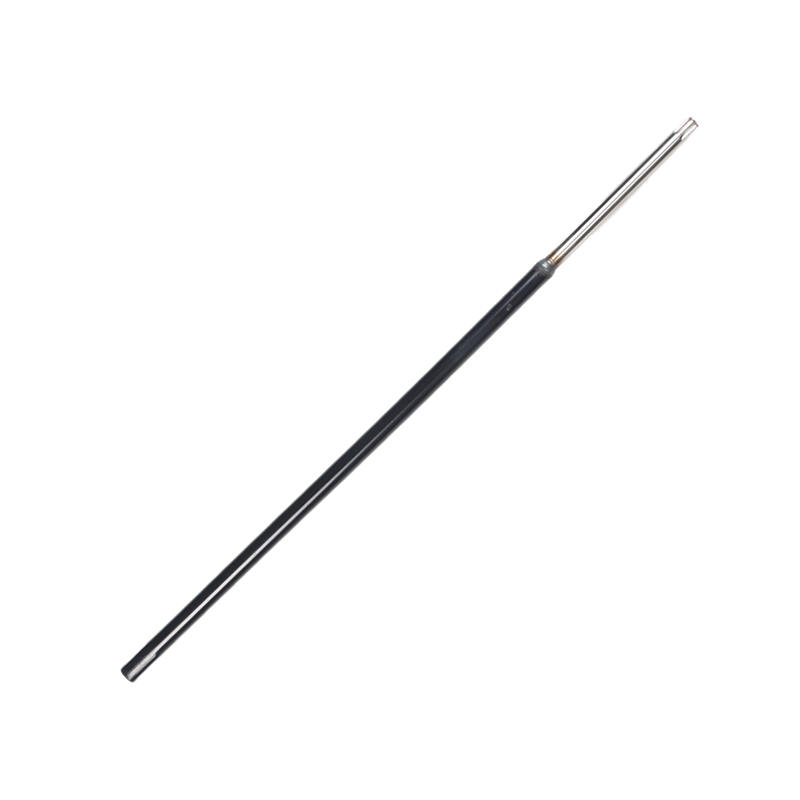
Marine diesel engines impose some of the harshest duty cycles on any crankshaft: long hours at steady high load, variable sea states, and frequent start–stop cycles in harbor operations. As a result, crankshaft design for ships focuses heavily on fatigue resistance, torsional vibration control, and reliable lubrication under continuous operation. [brighthubengineering]
For shipowners and operators, a crankshaft failure is not just a repair event; it is an operational incident that can lead to off‑hire time, towage, and safety risks. That is why choosing between billet crankshafts vs forged crankshafts for marine applications must be grounded in real operating conditions, maintenance culture, and class requirements, not only spec sheets. [marinediesel.co]
A forged crankshaft is formed by heating a steel alloy and pressing it into dies that shape the rough crank before machining and heat treatment. The forging process compresses and aligns the metal's grain structure, improving strength and ductility compared with casting. [dragzine]
For marine engines, forged crankshafts are commonly produced from low‑alloy Cr‑Mo steels, carbon steels, or nickel steels, chosen for their endurance limit, toughness, and ability to be hardened at bearing surfaces. These properties make forged crankshafts a workhorse solution for commercial marine fleets, balancing performance, cost, and proven reliability. [slideshare]
A billet crankshaft is machined from a solid bar ("billet") of high‑strength steel using CNC equipment, with no intermediate casting or forging stage. This highly precise process allows engineers to optimize geometry, oiling, and counterweight design for a specific engine and duty profile. [youtube]
In high‑performance sectors, billet materials such as premium 4330 or EN30 steels are used to increase strength and fatigue resistance in extreme applications. For marine users, this approach translates into tailor‑made crankshafts for unique propulsion systems, retrofits, or demanding offshore operations where downtime costs dwarf the initial component price. [carinterior.alibaba]
- Forged crankshafts benefit from compressed and oriented grain flow around journals and webs, which enhances resistance to bending and torsional fatigue. [dragzine]
- Billet crankshafts start from homogeneous, high‑quality steel bar, enabling very consistent properties and the possibility of using higher‑grade alloys for extreme loads. [youtube]
Marine studies on crankshaft fatigue show that rotary bending and cyclic torsion are major contributors to crack initiation at fillets and journal transitions. Whether forged or billet, the material must be supported by careful fillet design, heat treatment, and surface hardening to delay crack growth under long‑term marine loading. [scribd]
Marine crankshafts typically undergo induction hardening or nitriding to increase surface hardness and wear resistance at journals and pins while keeping the core tough and ductile. Forged crankshafts can be very cost‑effective when paired with robust heat treatment routines, while billet crankshafts can leverage more controlled and repeatable heat‑treat programs and higher alloy content to push fatigue performance further. [brighthubengineering]
For shipowners, the practical takeaway is clear: the combination of material, heat treatment, and surface finish matters more than the label "forged" or "billet" alone. [scribd]
Forged crankshafts for marine applications:
- Offer excellent performance for standard cargo vessels, bulkers, tankers, and workboats operating within rated power and RPM limits. [marinediesel.co]
- Provide proven reliability backed by decades of field experience and established maintenance procedures in shipyards worldwide. [tandfonline]
Billet crankshafts for marine applications:
- Are ideally suited to high‑demand scenarios, such as fast ferries, offshore support vessels, or specialized units where engines are tuned close to their performance envelope. [dragzine]
- Enable custom geometry for vibration tuning and oiling, helping mitigate torsional issues and localized stress in difficult installations. [scribd]
From an industry expert perspective, the choice is less about "which is stronger" and more about matching crankshaft technology to the vessel's duty cycle and risk tolerance. [tandfonline]
Forged crankshafts are generally less expensive to produce than billet parts because the forging process shares dies across multiple units and reduces machining time. In typical marine fleets, this means lower upfront costs and easier replacement within standardized engine families. [carinterior.alibaba]
Billet crankshafts, by contrast, require significant machining hours and tool wear, which raises initial cost. However, for operators where unplanned downtime and emergency dry‑dock carry huge financial penalties, a high‑end billet crankshaft can be justified as a risk‑management investment. [library.imarest]

Forged crankshafts tend to be the default choice in:
- Main engines on conventional merchant vessels where load profiles are well understood and component standardization simplifies logistics. [brighthubengineering]
- Auxiliary generators and smaller propulsion units with stable operating ranges, where forged parts provide a robust balance of cost and durability. [marinediesel.co]
In these settings, shipowners benefit from shorter lead times, widely available spares, and technicians familiar with forged crankshaft repair and inspection routines. [linkedin]
Billet crankshafts are particularly attractive for:
- High‑speed craft and performance‑oriented marine engines, where customized counterweights and journal layouts can reduce vibration and extend fatigue life. [youtube]
- Retrofit and repower projects where a standard forged crankshaft no longer fits revised engine geometry, upgraded turbocharging, or emissions‑driven combustion changes. [scribd]
Because billet designs are not constrained by existing forging dies, they allow engineers and OEMs to respond quickly to new regulatory or operational requirements, such as low‑sulfur fuel behavior or hybrid drive configurations. [carinterior.alibaba]
Marine engineering investigations highlight several recurring causes of crankshaft failure:
- Fatigue cracks originating at fillet radii and oil hole lips due to cyclic bending. [ijert]
- Excessive vibration or misalignment caused by damaged bearings, hull deformation, or foundation issues. [marineinsight]
- Poor lubrication, leading to bearing wipe‑out and journal damage. [linkedin]
These failure mechanisms are largely independent of whether the crankshaft is forged or billet; they relate to system‑level design and maintenance discipline. From a risk‑management perspective, choosing a higher‑spec billet crankshaft only delivers value when paired with high‑quality installation, alignment, and condition monitoring. [library.imarest]
Because forged crankshafts are widely used, inspection standards, repair techniques, and class guidelines for them are mature and well documented. Billet crankshafts may require closer collaboration with the OEM or manufacturer for tailored inspection intervals, re‑hardening protocols, and surface repair procedures. [tandfonline]
For operators of large fleets, it can be effective to standardize on forged crankshafts for baseline vessels while reserving billet solutions for critical ships and demanding routes. [marinediesel.co]
Studies on marine crankshaft materials emphasize several key properties:
- High endurance limit to resist fatigue failure during long service life. [brighthubengineering]
- Good surface finish and hardenability for journals and crankpins to minimize wear and scuffing. [slideshare]
- Rigidity and toughness to resist bending, torsion, and occasional overload events. [ijert]
From an expert point of view, a well‑designed forged crankshaft in the right material can outperform a poorly specified billet crankshaft, and vice versa. The design and validation process is therefore more important than the manufacturing label alone. [dragzine]
Billet manufacturing particularly shines when engineers need to:
- Adjust crank throws and counterweight geometry to fine‑tune stroke and vibration behavior. [youtube]
- Implement special oiling schemes, such as straight‑shot lubrication, to improve bearing life under demanding load profiles. [scribd]
For niche marine segments, this flexibility can lead to longer intervals between overhauls and more predictable fatigue life, especially where engines are customized for specific missions. [tandfonline]
Below is a concise view of how each option aligns with typical marine requirements:
| Aspect | Forged crankshaft in marine use | Billet crankshaft in marine use |
|---|---|---|
| Material & grain | Compressed grain via forging, good fatigue resistance. (youtube) | Homogeneous billet, often higher‑grade alloy, tailored properties. (dragzine) |
| Cost & availability | Lower upfront cost, widely available for common engines. (dragzine) | Higher cost, longer lead time, usually custom‑built. (dragzine) |
| Design flexibility | Constrained by forging dies; best for standard engine families. (youtube) | Highly flexible geometry, ideal for custom or upgraded designs. (youtube) |
| Typical marine use | Main engines and auxiliaries on merchant ships and workboats. (brighthubengineering) | High‑speed craft, specialized offshore vessels, retrofits. (dragzine) |
| Maintenance ecosystem | Mature inspection and repair practices worldwide. (tandfonline) | Requires closer OEM collaboration and tailored procedures. (dragzine) |
From a strategic viewpoint, many fleets benefit from a hybrid approach, using forged crankshafts where standardization and cost‑efficiency dominate, and billet crankshafts for mission‑critical vessels and unique propulsion setups. [marinediesel.co]
Recent assessments of marine crankshaft damage highlight the importance of condition‑based monitoring, including vibration analysis, bearing temperature tracking, and oil quality diagnostics. These tools help operators detect misalignment, lubrication issues, and early fatigue signs long before cracks reach a critical size. [marineinsight]
Regardless of billet or forged construction, integrating data‑driven monitoring into the engine room routine can drastically reduce failure risk and extend crankshaft life. [ijert]
Changes in marine fuel formulations and stricter emissions regulations affect combustion pressure profiles and thermal loading on crankshafts. Forward‑looking OEMs and component suppliers increasingly revisit crankshaft geometry and material selection to handle altered ignition characteristics and potential knocking behavior. [carinterior.alibaba]
Billet crankshafts are especially valuable in such transitions because they allow rapid iteration of design parameters to suit new engine maps, rather than relying on existing forging dies designed for legacy fuels. [dragzine]
Case studies of marine crankshaft failures show that many incidents stem from external operational causes rather than intrinsic material defects, such as misalignment, poor installation, or inadequate maintenance. Expert investigations reinforce the message that premium materials cannot compensate for weak operational discipline, highlighting the need for clear installation procedures, torque control, and hull structure monitoring. [scribd]
To make a confident choice between billet crankshafts vs forged crankshafts for marine applications, marine engineering teams can follow these steps:
1. Map the actual duty cycle: Document RPM ranges, load patterns, and mission profiles for each vessel to understand fatigue demands. [tandfonline]
2. Assess downtime cost and risk tolerance: Quantify the financial and safety impact of unplanned crankshaft failures, especially for high‑value routes. [library.imarest]
3. Engage with OEMs and specialist suppliers: Request detailed recommendations on material grades, heat treatment, and geometry specific to marine engines. [carinterior.alibaba]
4. Prioritize condition monitoring and proper installation: Invest in alignment checks, vibration surveys, and lubrication management before upgrading crankshafts. [linkedin]
5. Consider a tiered fleet strategy: Use forged crankshafts for standard vessels and reserve billet solutions for demanding or customized applications. [marinediesel.co]
By combining these steps with 29 years of specialized experience in marine crankshaft design and manufacturing, a company like Ningbo Gill Transmission Parts Co., Ltd. can help shipowners align technical choices with commercial realities, ensuring both reliability and competitive lifecycle cost.
If your vessels operate on demanding routes, run customized engines, or face new regulatory pressures, it is the right time to review your crankshaft strategy with a specialist partner. By combining forged solutions for standardized engines with billet upgrades for critical marine applications, you can reduce downtime risk, protect revenue, and extend engine life.
To explore which option fits your current and future fleet, consider collaborating with an experienced marine crankshaft manufacturer that understands both billet and forged technologies and can translate them into practical reliability at sea.
1. Are billet crankshafts always stronger than forged crankshafts for marine engines?
Not always. Both options can achieve excellent strength when correctly specified; the decisive factors are material grade, heat treatment, and design details, not just the manufacturing label. [brighthubengineering]
2. Do forged crankshafts have shorter service life in ships?
Forged crankshafts can deliver long service life in marine engines when operated within design limits and supported by proper monitoring and maintenance. [brighthubengineering]
3. When should a shipowner consider upgrading to a billet crankshaft?
Upgrade is most valuable for vessels with high‑performance engines, non‑standard duty cycles, or retrofits where customized geometry and premium materials significantly reduce downtime risk. [dragzine]
4. How does crankshaft choice affect classification and compliance?
Both forged and billet crankshafts can meet class requirements; compliance depends on verified design calculations, material certificates, and test data, not the manufacturing route. [library.imarest]
5. Which option simplifies global maintenance and spares management?
Forged crankshafts typically align better with standardized spares catalogs and established repair procedures, making global maintenance logistics more straightforward for large fleets. [tandfonline]
1. Marine Insight – "Reasons for Failure and Misalignment of Crankshaft in Marine Engines" – https://www.marineinsight.com/reasons-for-failure-and-misalignment-of-crankshaft-in-marine-engines/
2. Bright Hub Engineering – "Marine Diesel Engines – Construction Materials for Marine Diesel Engines" – https://www.brighthubengineering.com/marine-engines-machinery/71451-construction-materials-for-marine-diesel-engines/
3. ScienceDirect – "Failure analysis of crankshafts used in maritime V12 diesel engines" (abstract) – https://www.sciencedirect.com/science/article/abs/pii/S1350630718302024
4. MarineDiesel.co.in – "Crankshaft In Engine: How to choose the best crankshaft" – https://marinediesel.co.in/crankshaft-in-engine/
5. Callies via Dragzine – "Forged vs Billet: Callies Explains Crankshaft Choices" – https://www.dragzine.com/tech-stories/forged-vs-billet-callies-explains-crankshaft-choices/
6. Taylor & Francis – "Assessment of marine diesel engine crankshaft damages" (abstract) – https://www.tandfonline.com/doi/abs/10.1080/17445302.2022.2050522
7. IJERT – "Fatigue Failure Analysis of Marine Engine Crankshaft" – https://www.ijert.org/research/fatigue-failure-analysis-of-marine-engine-crankshaft-IJERTV2IS60193.pdf
8. Scribd – "On the Assessment of Fatigue Life of Marine Diesel Engine Crankshafts" – https://www.scribd.com/document/930473866/On-the-Assessment-of-Fatigue-Life-of-Marine-Diesel-Engine-Crankshafts
9. Scribd – "Main Marine Engine Crankshaft Failure Analysis – A Case Study" – https://www.scribd.com/document/360129394/AR01-Main-Marine-Engine-Crankshaft-Failure-Analysis-A-Case-Study
10. Driving 4 Answers (YouTube) – "EVERYTHING about the CRANKSHAFT – Function | Manufacturing | Different types | Forged | Billet" – https://www.youtube.com/watch?v=hN24AL5fDgQ
11. LinkedIn – "Crankshaft Failures in Marine Engines: Causes and Prevention" – https://www.linkedin.com/posts/shake-spares-86565a1ab_marineengine-crankshaft-enginefailure-activity-7350792071135289345-30Xg
12. IMarEST Library – "Some Crankshaft Failures: Investigations, Causes and Remedies" – https://library.imarest.org/record/250/files/237.pdf
13. Slideshare – "Material Selection of Crankshaft for 2C Diesel Engine" – https://www.slideshare.net/slideshow/material-selection-of-crankshaft-for-2c-diesel-engine/154902449
14. Alibaba Buying Guides – "Types of Crankshafts Guide: How to Choose the Right One" – https://carinterior.alibaba.com/buyingguides/crankshaft-types-choose-right-by-use-case


