


close
Choose Your Site
Global
Social Media
Views: 257 Author: Gill Transmission Parts Publish Time: 2026-11-18 Origin: Site


Content Menu
● Longtail Mud Motor vs. Long-Shaft Outboard: What Are You Building?
● How to Build a Longtail Boat Motor Using a Compatible Kit
>> 1. Check the Transom and the Complete Installed Weight
>> 2. Match the Kit to the Exact Engine Model
>> 3. Assemble the Drive System and Check Its Range of Motion
>> 4. Commission the Motor Before Taking It Into Shallow Water
● How to Convert a Short-Shaft Outboard to a Long-Shaft Outboard
>> Measure the Transom at the Motor Mounting Position
>> Confirm Which Parts the Conversion Requires
● What to Put in a Marine Drive Shaft Request for Quote
>> Field Example: The Shaft Fits, but the Motor Vibrates
● Request a Marine Drive Shaft Fit Review
>> Can I build a longtail boat motor with a general-purpose engine?
>> Can I turn a 15-inch outboard into a 20-inch outboard?
>> Can I use a long-shaft outboard on a short transom?
>> Is a longer drive shaft better for shallow water?
>> Can a supplier quote a replacement shaft from photos alone?
If you're researching how to build a long shaft boat motor, start by deciding whether you need a longtail mud motor for shallow water or a conventional outboard that fits a taller transom. They solve different problems. A longtail build typically starts with a compatible engine and a purpose-built drive kit. A conventional outboard conversion starts with the model and serial number, then depends on whether the manufacturer supports a longer configuration. Buying a longer drive shaft alone won't solve either problem.
This guide takes the perspective of Ningbo Gill Transmission Parts Co., LTD., a manufacturer with 29 years of experience in the research, development, production, and sale of drive shafts and other marine components. From a component supplier's perspective, the first question isn't "How long is the shaft?" It's "What does each end connect to, and how is the shaft supported between those connections?"
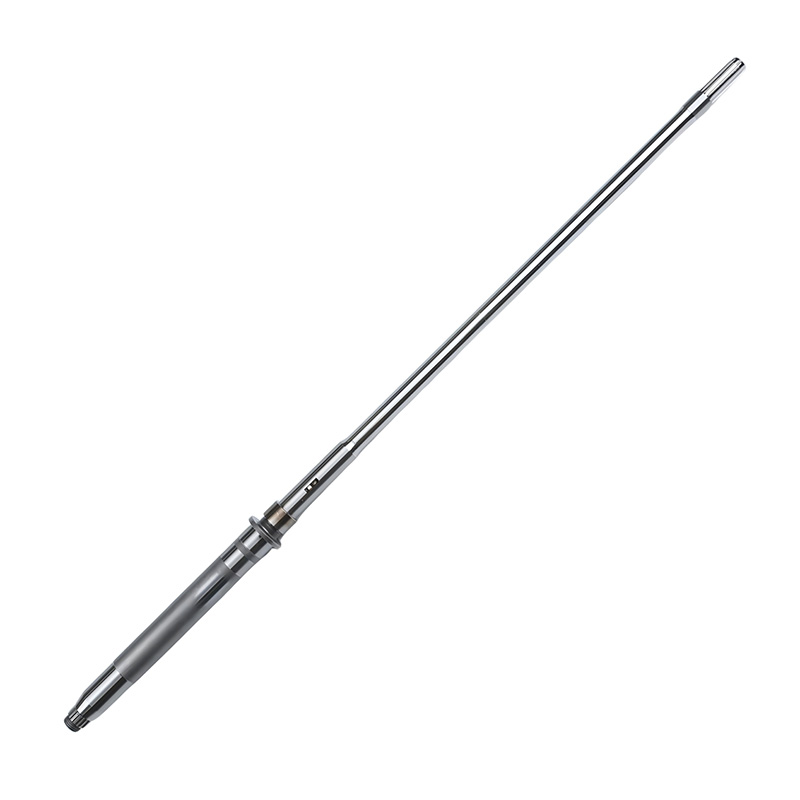
The same search phrase points to two very different projects. Identify yours before ordering an engine, conversion kit, or replacement shaft.
| What you need | Project type | Where to start |
|---|---|---|
| Shallow-water propulsion for a compatible boat | Longtail mud motor assembly | Confirm hull compatibility and choose a kit approved for the exact engine |
| A conventional outboard that fits a taller transom | Long-shaft outboard installation or conversion | Measure the transom and verify the outboard model and serial number |
| A replacement for a worn or damaged drive component | Marine drive shaft replacement | Identify the assembly and obtain the part number or a controlled drawing |
A longtail mud motor uses an extended drive assembly that projects aft from a pivoting mount. A conventional outboard houses its drive shaft inside the midsection, where it transmits power to the lower-unit gearcase. A nominal 20-inch outboard designation therefore tells you about installation fit; it does not tell you the physical length of the internal drive shaft.
For most owners, the practical build is to assemble a documented engine-and-kit combination rather than fabricate the shaft, pivot, or transom mount from scratch. The kit should define the engine interface, shaft supports, propeller, and operating controls. The boat must also be suitable for the completed assembly, not just for the engine's advertised horsepower.
Record the boat's make, model, transom height, and published engine limits. Then compare those limits with the complete motor assembly, not the bare engine. Account for the bracket, drive assembly, controls, and any equipment that adds weight at the stern.
Inspect the mounting area for cracks, distortion, corrosion, or signs of previous structural repairs. A bracket that physically fits is not proof that the transom can carry the loads. If the boat manufacturer does not address the proposed installation, or the transom's condition is uncertain, have a qualified marine technician evaluate it before drilling or modifying anything.
Ask the kit supplier to confirm compatibility in writing. Two engines with similar horsepower can have different output shaft dimensions, mounting patterns, or permitted operating configurations. Use the full engine model and variant rather than the name on the shroud.
Confirm these items before placing an order:
- Engine output shaft diameter, usable length, and keyway or other drive interface.
- Engine mounting pattern and required mounting hardware.
- Approved coupling, drive assembly, and propeller combination.
- Throttle controls, guards, and engine cut-off provisions.
- Availability of a current assembly manual, parts list, and service instructions.
Ask what is included and what you must source separately. A low kit price is less useful if the matching coupling, propeller, or safety controls are unavailable.
Use the kit manufacturer's assembly sequence, torque values, alignment checks, and lubrication instructions. Treat the coupling, drive shaft, and supports as a matched assembly. Don't substitute spacers, enlarge mounting holes, or change a pivot stop to force parts into position. If parts don't seat as shown, stop and verify the part numbers and dimensions.
With the engine stopped and secured against accidental starting, check the full steering and tilt range as directed by the manual. Look for contact with the hull, interference at the stern, tight spots, and cables that pull or bind. Also check that the throttle returns as specified and that the operator can reach the stop control from the normal steering position.
Follow the manufacturer's pre-start checklist. Verify that the fasteners, guards, fuel system, and controls are ready, and test the engine cut-off switch as directed. Never run a gasoline engine in an enclosed space. Keep people clear of the propeller and don't assume an idling engine means the propeller is disengaged.
Make the first water trial in open, unobstructed water near a safe landing, not in the shallow or obstructed area the motor was purchased to reach. Wear a personal flotation device, use the cut-off link as directed, and verify basic steering and throttle response at low speed. Shut down if you notice new vibration, abnormal noise, or movement at the mount. After the trial, recheck the assembly according to the manual before putting it into regular service.
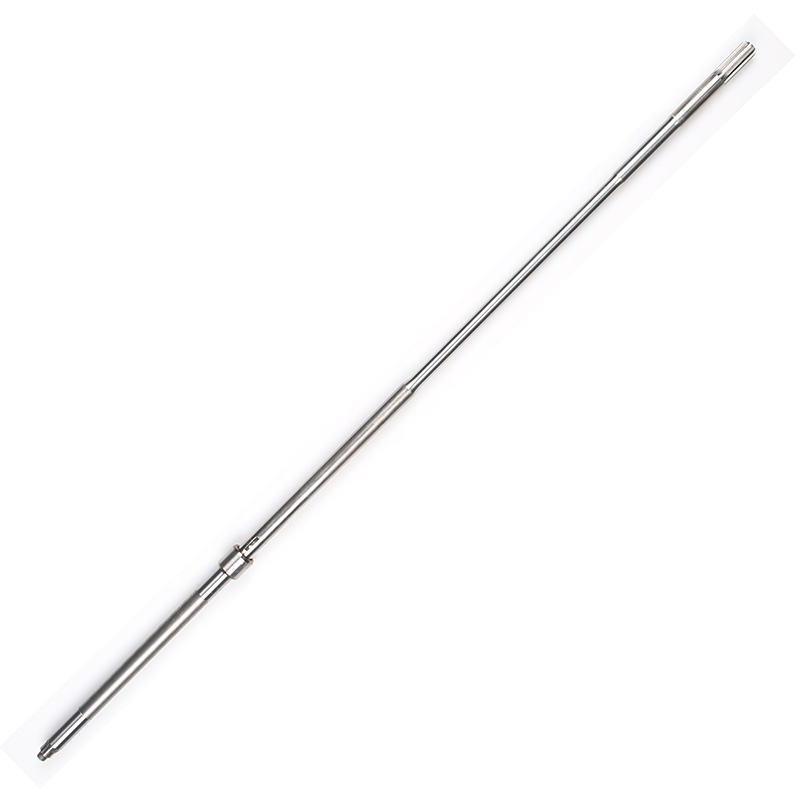
If your goal is to fit a higher transom, don't buy a longtail kit. Measure the boat and identify the exact outboard first. Common nominal outboard sizes include 15 inches for short, 20 inches for long, and 25 inches for extra-long. These are starting points for selecting a configuration, not universal installation measurements.
On a conventional transom, start at the surface where the motor bracket seats and measure vertically to the hull bottom at the transom centerline. Do not measure along the face of a sloped transom. For a stepped hull, pontoon, or installation with a setback bracket, use the boat and engine manufacturers' specified reference points rather than relying on the centerline measurement alone.
Compare the measurement with the installation instructions for the exact outboard. The anti-ventilation plate—the flat plate above the propeller—is a useful reference, but its target position depends on the hull and motor. A nominal 20-inch transom does not, by itself, establish the final mounting height.
Give the dealer the engine model and serial number and ask whether the manufacturer supports the conversion. Depending on the design, changing shaft configuration can affect the midsection or extension housing, drive shaft, shift linkage, cooling-water tube, and associated seals or hardware. A parts diagram for a similar-looking outboard is not enough to verify fit.
Compare a written conversion quote with the cost of buying the correct factory configuration. Include parts, labor, and any required checks of shifting, cooling, or sealing. If the manufacturer does not document the conversion, a correctly sized factory outboard is the more straightforward choice.
A useful drive shaft specification gives the supplier enough information to verify fit before machining begins. Overall length is only one dimension. Two shafts with the same length can differ at the spline, seal surface, or bearing shoulder and still look nearly identical in a photo.
| Specify | What to provide |
|---|---|
| Application | Motor or kit model, serial number if available, and the shaft's function |
| Length and reference points | Overall length and distances between the end faces, shoulders, and bearing locations |
| End connections | Spline details, keyway dimensions, threads, or coupling geometry at both ends |
| Bearing and seal locations | Journal diameters, fits, and required surface finish where specified |
| Material and inspection | Specified material, treatment, critical tolerances, and any required inspection records |
Ask the supplier which dimensions they will inspect and how they will report results. If an old shaft is your only reference, flag worn journals, damaged splines, or bent sections rather than treating those measurements as original dimensions. Send photos of both ends and the mating parts. When no drawing is available, ask which dimensions can be established from the sample and which still require confirmation before production.
Consider a hypothetical replacement shaft that has the correct overall length and slips into both connections. The drive feels normal by hand, but vibration appears during the first trial. The fact that both ends fit does not rule out a misplaced bearing shoulder, shaft runout, or misalignment. Runout is the amount a surface moves away from its intended rotation axis as the shaft turns. A damaged propeller or loose mount can produce symptoms that feel similar.
Stop the trial rather than increasing speed to see whether the vibration disappears. With the engine secured against starting, check for visible propeller damage and loose hardware, then have the installer compare the shaft and assembly with the manufacturer's alignment and inspection limits. This is where a drawing with measurable reference points is more useful than a purchase order that says only "same as sample."
Building a longtail motor, converting an outboard, or replacing a worn shaft? Send Ningbo Gill Transmission Parts Co., LTD. the motor or kit model, shaft drawing or sample details, and clear photos of both end connections. If you're replacing a damaged part, include photos of the mating components and describe how the original failed. Ask for a fit review and a quote that identifies any missing dimensions before production.
Yes, if the kit manufacturer explicitly supports the exact engine variant and the boat can carry the complete assembly. Confirm the output shaft interface, operating requirements, controls, and guards before buying either component. Matching horsepower alone is not enough.
Some models support this conversion, but it is not universal. Give a dealer the model and serial number and request the approved parts list. If there is no documented conversion path, buy the correct factory shaft configuration rather than mixing parts from different variants.
Don't assume it is a direct fit. The mounting geometry can leave the gearcase and propeller deeper than intended. Use the boat and motor manufacturers' instructions to establish whether an approved mounting arrangement exists before changing the bracket or transom.
Not by itself. A longtail motor's shallow-water capability depends on the complete design, including its pivot, propeller, and operating angle. A conventional outboard with a longer shaft is designed to fit a taller mounting position; that designation does not make it a shallow-water motor.
Photos help identify the application and visible features, but they rarely establish tolerances, spline geometry, or bearing and seal fits. For a production quote, provide a controlled drawing or arrange for the supplier to inspect a sample and confirm the critical dimensions.
- GO-DEVIL, *Operation and Service Manuals* — manufacturer guidance for longtail installation, controls, and servicing.[godevil]
- Mercury Repower, *Outboard Shaft Length Guide* — nominal shaft sizes, transom measurement, and mounting-height considerations. [mercuryrepower]
- West Marine, *Short, Long, and Extra-Long Shaft 4-Stroke Outboards* — outboard shaft sizing and transom fit. [westmarine]
- Honda, *GX120, GX160, and GX200 Owner's Manual* — gasoline-engine operating precautions and carbon monoxide warnings. [cdn.powerequipment.honda]


