


close
Choose Your Site
Global
Social Media
Views: 222 Author: Gill Transmission Publish Time: 2026-05-26 Origin: Site


Brass gears remain a critical component in many precision mechanisms, especially in marine and outboard drive systems where quiet operation, corrosion resistance, and manufacturability must be balanced. While hardened steel gears dominate in high‑torque propulsion stages, brass gears are frequently used in auxiliary drives, control linkages, and low‑load transmission stages in outboard motors, trim systems, and marine instrumentation. [catalog.khkgears]
From our experience at Ningbo Gill Transmission Parts Co., LTD., supplying outboard gears and marine transmission components to OEMs and aftermarket customers worldwide, we see brass gears as a strategic choice when designers need fine pitch accuracy, smooth meshing, and good machinability at a reasonable cost. In this guide, we will explain what brass gears are, where they excel, how they compare to other materials, and how to select and maintain them for reliable marine use. [caravantag]
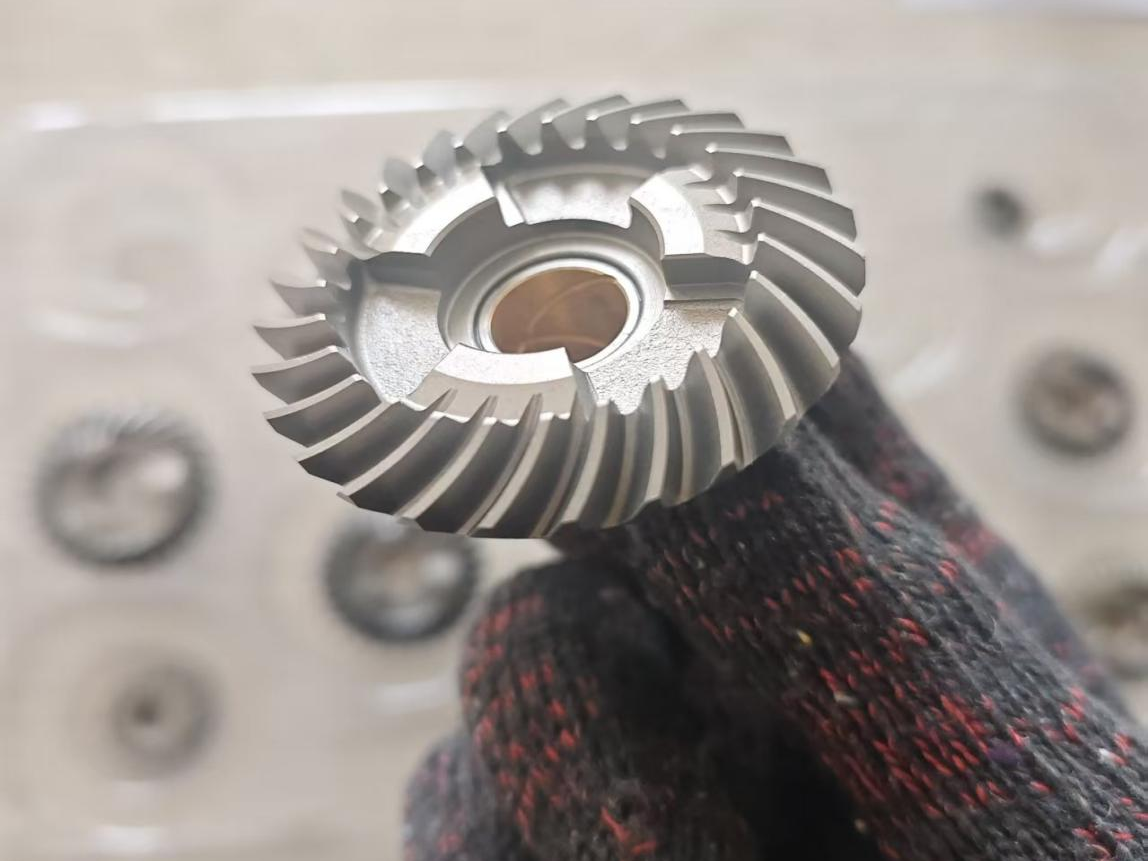
Brass gears are toothed mechanical elements made from brass alloys, typically combinations of copper and zinc with small additions of other elements to tune hardness, machinability, and corrosion resistance. Their primary role is to transmit torque and motion between rotating shafts while maintaining precise tooth engagement and minimal backlash. [khkgears]
In gear catalogs and engineering drawings, brass gears are often specified as brass spur gears, brass helical gears, or brass worm gears, with key parameters such as module, number of teeth, pitch diameter, face width, and hub style clearly defined. Brass spur gears, in particular, are widely used for small modules and fine‑pitch applications, including model engineering, light duty machinery, and instrumentation. [khkgears]
Marine and outboard systems use multiple gear stages, and brass shows up most often in low‑torque, high‑precision sections. Some typical configurations include: [boote-magazin]
- Brass spur gears: Used in small mechanical linkages, control actuators, and trim/tilt mechanisms where smooth rotation and quiet operation matter. [divisegurvehicles]
- Brass pinions mated with steel gears: A brass pinion can be used as a sacrificial element in a mixed‑metal pair to protect more critical components and simplify maintenance. [facebook]
- Brass instrument gears: Found in tachometers, trim indicators, and other marine gauges where fine motion control is required under moderate loads. [khkgears]
In many gear catalogs, small‑module brass spur gears are explicitly promoted as suitable for mating with steel gears, highlighting the material's compatibility and flexibility. [catalog.khkgears]
Understanding basic gear terminology is essential before specifying or purchasing brass gears for any marine application. The following terms appear frequently in catalogs and technical drawings: [khkgears]
- Module (m): A metric size parameter defined as pitch diameter divided by number of teeth; it standardizes tooth size across mating gears. [khkgears]
- Pitch diameter (d): The diameter of the pitch circle where tooth engagement is theoretically perfect; it determines center distance with mating gears. [khkgears]
- Number of teeth (z): Directly affects gear ratio, meshing frequency, and risk of undercut for small tooth counts. [khkgears]
- Face width (b): The axial width of the gear teeth; increasing it spreads load and improves strength but may increase weight and cost. [catalog.khkgears]
- Pressure angle (α): Typically 20° for modern standard gears; it influences tooth shape, contact stress, and sensitivity to misalignment. [khkgears]
Brass gear specifications often follow standard modules and pressure angles, making it possible to pair them with steel or other metallic gears as long as the same module and pressure angle are maintained. [catalog.khkgears]
From a marine transmission engineer's point of view, brass gears offer a distinct balance of mechanical and economic benefits when used in the right operating window. Some of the key advantages include: [divisegurvehicles]
- Excellent machinability: Brass cuts cleanly and allows precise tooth forms even at small modules, which is useful for miniature mechanisms and prototype gears. [khkgears]
- Good corrosion resistance: Brass resists many forms of atmospheric and freshwater corrosion better than plain carbon steel, which is valuable around humid and splash‑prone marine environments. [caravantag]
- Quiet and smooth operation: Lower modulus of elasticity and better damping compared with steel can lead to quieter meshing in light duty gear trains. [catalog.khkgears]
- Predictable wear behavior: In mixed brass‑steel pairs, brass tends to wear more quickly, effectively acting as a sacrificial component that protects more expensive steel gears and shafts. [facebook]
These characteristics make brass gears particularly attractive for auxiliary functions in outboard motors, such as starter drives, linkage gear trains, and control mechanisms where loads are moderate but precision and noise control matter. [boote-magazin]
Brass gears are not a universal solution, and field experience shows clear limits when they are misapplied in heavy‑duty gear trains. Common limitations and failure modes include: [facebook]
- Limited load capacity compared with hardened steel or bronze gears; excessive torque or shock loading can cause tooth bending, plastic deformation, or rapid wear. [facebook]
- Surface wear and pitting when lubrication is inadequate, contaminated, or incompatible with brass alloys, especially in mixed‑metal gear pairs. [facebook]
- Thermal softening in high‑temperature environments if the brass alloy is not selected for elevated temperature strength. [khkgears]
Community discussions and user forums frequently report brass gear failure when small brass pinions are used against hardened steel gears in high‑torque or misaligned setups without proper lubrication or preload control. For marine designers, this reinforces the importance of treating brass gears as controlled, calculated elements—not as a drop‑in replacement for high‑strength steel gears. [divisegurvehicles]
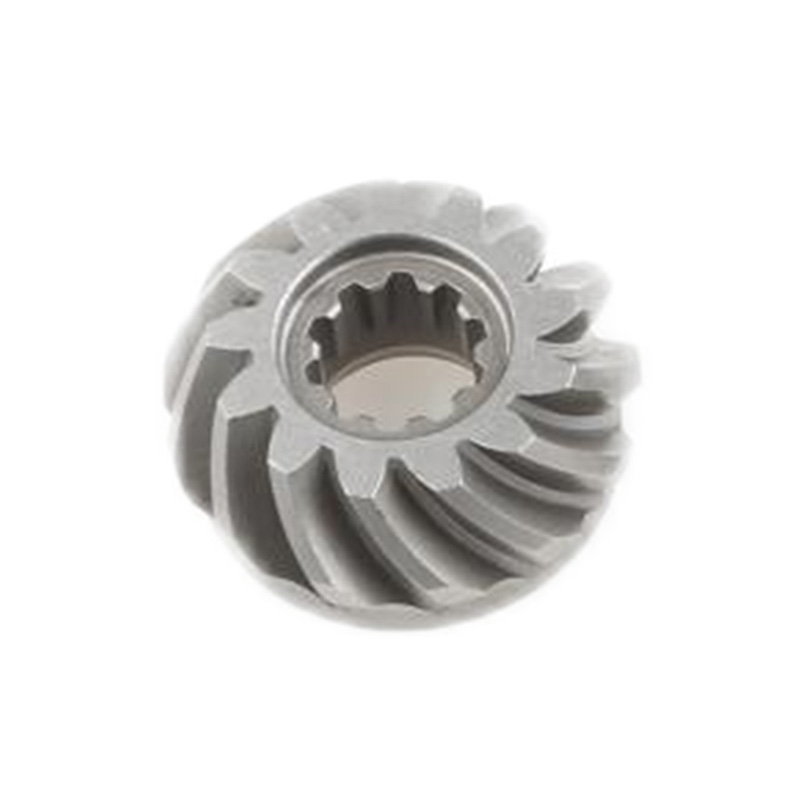
The choice between brass, steel, bronze, or engineering plastics is a strategic one, especially in marine applications where corrosion, noise, and weight all matter. The table below summarizes typical positioning in light‑to‑moderate duty gear systems: [catalog.khkgears]
| Material | Typical Strength & Load | Corrosion Resistance | Noise & Vibration | Typical Marine Uses | Notes |
|---|---|---|---|---|---|
| Brass | Low to medium load capacity. catalog.khkgears | Good in many atmospheric and freshwater conditions. catalog.khkgears | Quiet, good damping. khkgears | Instrument gears, linkages, light auxiliary drives. catalog.khkgears | Easy to machine; can act as sacrificial gear. |
| Carbon steel | High load capacity when heat‑treated. khkgears | Poor without coatings or plating. | Noisy if not optimized. khkgears | Main drive gears, high‑torque stages. | Requires robust lubrication and corrosion control. |
| Alloy steel | Very high strength, fatigue resistance. khkgears | Moderate with suitable treatments. | Can be optimized for noise via profile. khkgears | Primary propulsion gearsets. | Higher cost; more complex heat treatment. |
| Bronze | Better load capacity than many brass alloys. khkgears | Good in marine environments, especially tin bronzes. | Reasonably quiet. khkgears | Worm gears, heavily loaded bushings. khkgears | Often paired with hardened steel worms. khkgears |
| Plastics | Low load capacity. khkgears | Good against many chemicals, but sensitive to temperature. khkgears | Very quiet. khkgears | Covers, low‑load levers, indicators. khkgears | Sensitive to creep and dimensional change. khkgears |
For outboard gears, a mixed‑material strategy is typical: steel for primary propulsion stages, brass for fine‑pitch control and auxiliary gear trains, and polymers or bronze where noise or corrosion dominates the design trade‑off. [boote-magazin]
Based on both catalog data and field experience, selecting brass gears for marine applications involves balancing geometry, load, environment, and maintenance expectations. A practical selection process often includes the following steps: [khkgears]
1. Define the function clearly: Is the gear part of a primary drive, a control linkage, a sensor, or an auxiliary mechanism? [boote-magazin]
2. Estimate torque and duty cycle: Determine peak torque, continuous torque, operating speed, and expected duty cycles (intermittent vs continuous). [khkgears]
3. Choose module and tooth count: Use appropriate modules and tooth counts from standard catalogs to achieve desired gear ratio and avoid undercut. [khkgears]
4. Check allowable stress and safety factors: Use standard gear design formulas and catalog data to ensure bending and contact stresses are within limits for the selected brass alloy. [khkgears]
5. Consider environment and lubrication: Assess exposure to salt spray, humidity, and temperature, and select lubrication strategies compatible with brass. [caravantag]
In practice, many marine designers will specify brass gears for low‑to‑moderate torque applications, particularly where they can act as a mechanical fuse or where fine control is more important than absolute strength. [boote-magazin]
User reports from marine technicians and makers provide valuable real‑world feedback on brass gear performance. Some recurrent themes include: [facebook]
- Brass pinions in mixed steel‑brass pairs often fail first if misalignment, backlash, or lubrication are not controlled, highlighting their role as sacrificial components. [divisegurvehicles]
- Gear removal and replacement procedures must account for adhesives, press fits, and temperature, with users recommending controlled heat for safe disassembly without damaging motor internals. [boote-magazin]
- Replacement brass gears from reputable catalogs generally perform well when installed correctly, with failures more often linked to improper assembly, dirty lubrication, or misapplication. [facebook]
For manufacturers of outboard gears and marine accessories, these user insights underline the importance of clear installation instructions, correct tolerances, and recommended maintenance intervals to prevent premature brass gear failures. [whoopit.co]
From our perspective as a marine transmission supplier, successful brass gear installations follow a disciplined, step‑by‑step approach that minimizes misalignment and uncontrolled loads. A typical best‑practice workflow includes: [boote-magazin]
1. Verify mating components: Confirm that mating gears share the same module, pressure angle, and face width compatibility before assembly. [catalog.khkgears]
2. Inspect surfaces: Check brass gear teeth and bores for nicks, burrs, or contamination that could introduce stress concentrations. [catalog.khkgears]
3. Control fit and preload: Use specified interference or clearance fits for shafts and hubs, avoiding excessive force that could distort thin brass sections. [khkgears]
4. Apply suitable lubrication: Choose lubricants that are compatible with brass and appropriate for the marine environment, considering water ingress and temperature. [caravantag]
5. Check backlash and alignment: Measure backlash at multiple angular positions and confirm that center distances and housings are within tolerances. [khkgears]
By formalizing these steps in shop procedures and manuals, marine OEMs can dramatically reduce early‑life failures and warranty claims on brass gear components. [digitaldeckhand]
Even correctly specified and installed brass gears require periodic inspection, particularly in marine environments where vibration, shock loads, and corrosion can accumulate over time. A practical inspection routine might include: [caravantag]
- Visual inspection of tooth flanks for polishing, scoring, or pitting that could indicate lubrication issues or misalignment. [khkgears]
- Backlash measurement at key service intervals to detect progressive wear or shift in bearing or housing alignment. [khkgears]
- Lubricant condition checks, looking for discoloration, water contamination, or metal particles that signal early wear. [caravantag]
For outboard owners, aligning brass gear inspection with regular service intervals—such as seasonal haul‑outs or annual checks—helps prevent minor wear from escalating into tooth failure during peak boating seasons. [blueinteractiveagency]
Modern marine and outboard designs are under pressure to be quieter, lighter, and more compact while still delivering reliability in harsh environments. Brass gears play a supporting role in this evolution by enabling fine‑pitch mechanisms, compact control trains, and low‑noise auxiliary gearboxes that complement high‑strength steel drive stages. [medium]
At the same time, digitalization in the marine sector—such as electric trim systems, digital throttles, and smart sensors—creates new opportunities for precision gear trains where brass's machinability and dimensional stability provide tangible benefits. For manufacturers, this means brass gears are likely to remain a relevant component technology, especially when integrated thoughtfully into broader drivetrain architectures. [medium]
If you are designing or maintaining outboard drives, marine auxiliary systems, or precision control mechanisms, brass gears can be a powerful tool when applied intentionally and maintained correctly. As a manufacturer dedicated to marine transmission components, Ningbo Gill Transmission Parts Co., LTD. can support you with application‑specific gear design, material selection advice, and customized outboard gear solutions. [boote-magazin]
For detailed engineering consultations, customized brass gear sourcing, or to discuss your next outboard gear project, we invite you to:
- Contact our technical team to review your current gear layouts and identify where brass gears can improve noise, precision, or serviceability. [blueinteractiveagency]
- Request a sample or prototype for upcoming designs that require fine‑pitch or low‑noise gear trains in marine environments. [digitaldeckhand]
Taking the next step now helps ensure your future marine products deliver the reliability, smoothness, and serviceability your customers expect.
1. Are brass gears suitable for main outboard propulsion stages?
Brass gears are generally not recommended for primary high‑torque propulsion stages, where hardened steel or alloy steels provide the necessary strength and fatigue resistance. They are better suited for auxiliary gear trains, control mechanisms, and low‑load drives. [boote-magazin]
2. Can brass gears be used in saltwater environments?
Brass offers better corrosion resistance than plain carbon steel, but prolonged exposure to saltwater and galvanic coupling with other metals must be carefully managed using coatings, compatible lubricants, and correct material pairing. For heavily submerged or continuously wet components, specialized bronze or stainless solutions may be more appropriate. [caravantag]
3. How do I know if a brass gear has been overloaded?
Signs of overload include plastic deformation at tooth tips, widened backlash, and visible surface pitting or scoring on tooth flanks. In mixed brass‑steel pairs, it is common for the brass gear to show damage first; early detection can prevent more costly failures in associated components. [khkgears]
4. What lubrication is recommended for brass gears in marine applications?
Lubrication must be compatible with brass and tailored to the expected operating temperature and water exposure; many marine gear oils are formulated to protect mixed metal pairs and resist water contamination. Regular oil analysis and inspection help verify that the lubricant continues to protect brass surfaces effectively. [caravantag]
5. How can content about brass gears support my marine business's SEO?
Publishing detailed, experience‑based guides, tutorials, and case studies about brass gears and marine drive systems helps capture long‑tail search demand from engineers and procurement teams. When this content is backed by credible sources, clear author expertise, and real‑world examples, it also strengthens your site's E‑E‑A‑T signals and improves organic visibility. [medium]
1. KHK Gears – Brass Spur Gears (BSS) product information and specifications. [catalog.khkgears]
2. KHK Gears – Technical information on spur gears and general gear design principles. [khkgears]
3. KHK Gears – Q&A about gears, covering fundamental gear elements and usage considerations. [khkgears]
4. User discussions on brass gear failure and removal techniques in mixed metal gear setups. [facebook]
5. Gear Technology and related technical resources on material selection and gear design best practices. [geartechnology]
6. Articles on E‑E‑A‑T guidelines and building trustworthy, experience‑based SEO content. [lsdigital]
7. SEO best practice guides for marine industry websites, focusing on on‑page optimization and user intent. [blueinteractiveagency]
8. Marine outboard technology articles discussing basic outboard engine layouts and terminology. [boote-magazin]
9. General gear and transmission product catalogs from marine and industrial gear suppliers for contextual data on brass gear applications. [divisegurvehicles]


