


close
Choose Your Site
Global
Social Media
Views: 224 Author: Gill Transmission Parts Publish Time: 2026-10-03 Origin: Site


Content Menu
● Lower Unit Parts Separately vs Complete Repair Kits: Quick Comparison
● What Are Individual Lower Unit Parts and Complete Repair Kits?
>> Buying Lower Unit Parts Separately
>> Buying a Complete Lower Unit Repair Kit
● When Buying Lower Unit Parts Separately Makes Sense
>> A Confirmed Fault Has Limited the Repair Scope
>> Your Workshop Needs Precise Specification Control
>> Common Components Are Already in Stock
● When Complete Lower Unit Repair Kits Offer Better Value
>> Several Related Components Require Replacement
>> Missing One Small Part Could Delay Reassembly
>> You Perform Repeatable Repairs
● Compare Total Repair Cost, Not Just Parts Prices
>> The Costs Hidden Behind a Smaller Order
>> An Illustrative Break-Even Example
● Outboard Gear Compatibility: The Issue Packaging Cannot Solve
>> Identify the Actual Gearcase Before Ordering
>> Treat Gear Replacement as a System Decision
>> A Repair Kit Does Not Eliminate Shimming
● A Six-Step Workflow for Choosing the Right Purchase Format
>> Step 1: Document Symptoms and Lubricant Condition
>> Step 2: Identify the Failure Cause
>> Step 3: Inspect Related Components
>> Step 4: Build a Mandatory Replacement List
>> Step 5: Compare the List Against Kit Contents
>> Step 6: Plan Assembly and Verification
● Three Repair Scenarios: Which Option Fits?
● A Supplier Checklist for Marine Repair Buyers
● Choose the Repair Scope First—Then Request the Right Parts
● FAQ: Individual Lower Unit Parts vs Repair Kits
>> Is buying lower unit parts separately cheaper?
>> Does a complete lower unit repair kit include gears?
>> Can I replace only one outboard gear?
>> Do new gears need backlash checks?
>> Does milky lower unit oil mean I need a complete rebuild?
>> Is a complete repair kit suitable for every engine with the same horsepower?
Buying lower unit parts separately vs complete repair kits is not simply a price comparison. It is a decision about repair scope, component compatibility, workshop time, and the risk of reopening an outboard gearcase. Individual parts usually make sense for a clearly diagnosed, isolated fault. A properly specified repair kit becomes more attractive when several related components need replacement.
At Ningbo Gill Transmission Parts Co., LTD., our perspective comes from 29 years focused on developing, manufacturing, and selling outboard gears and other marine components. Our purchasing principle is straightforward: define the damage first, then choose the supply format.
This guide compares both approaches and explains how boat owners, marine technicians, distributors, and fleet buyers can make a more informed decision.
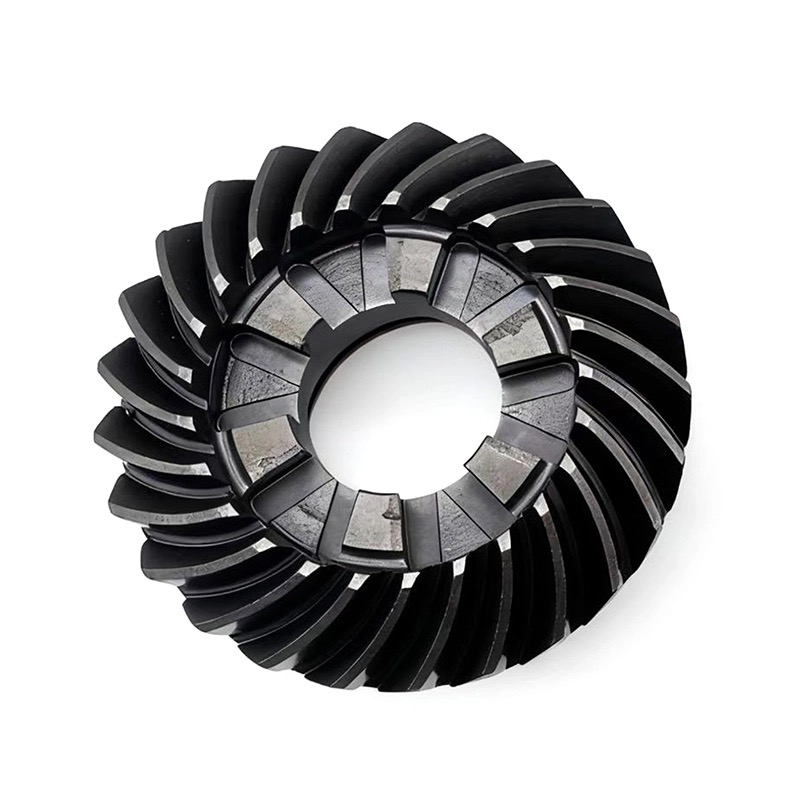
The diagnosis should determine the purchase—not the size of the package or the headline discount.
| Buying consideration | Individual lower unit parts | Complete repair kits |
|---|---|---|
| Best application | Isolated, confirmed damage | Several related replacement needs |
| Purchase cost | Often lower for a limited repair | May offer better value across multiple items |
| Component selection | Precise control over each item | Limited to the supplied contents |
| Ordering effort | Multiple references require verification | Fewer ordering steps if correctly specified |
| Missing-part risk | Greater without a repair checklist | Reduced only within the kit's stated scope |
| Compatibility | Each component needs checking | Kit application and contents still need checking |
| Inventory impact | Useful for frequently requested items | Useful for repeatable repair packages |
| Installation requirements | Model-specific procedures apply | The same procedures still apply |
Neither approach automatically produces a better repair. Correct parts, sound inspection, and proper assembly remain essential.
Individual purchasing means ordering specific components rather than a bundled package.
Typical lower unit replacement parts include:
- Forward, reverse, and pinion gears.
- Propeller shafts and driveshafts.
- Bearings and bearing carriers.
- Shaft seals, O-rings, and gaskets.
- Shims, thrust washers, and retaining hardware.
- Clutch dogs and associated shifting components.
This approach lets a technician retain serviceable components and replace only what inspection identifies as defective. However, the purchasing list must include the supporting items required by the repair procedure.
A replacement shaft, for example, may also require new seals and other components identified during disassembly.
"Complete" describes a supplier's package, not a universal industry specification.
A lower unit seal kit generally addresses sealing components. A gear set addresses specified gears. A broader rebuild package may include bearings, seals, and additional hardware.
These products are not interchangeable.
A water pump repair kit also serves a different repair scope from an internal gearcase rebuild kit. Likewise, a complete replacement lower unit is an assembled unit, not simply a box of repair components.
Before ordering, request an itemized bill of materials. Never assume that photographs of an exploded parts diagram show everything included.
Individual purchasing works well when inspection identifies one defective component and verifies that related components remain serviceable.
Examples include a localized sealing fault or a damaged component with no evidence of consequential internal wear.
The important distinction is between an isolated fault and an apparently isolated symptom. Milky lubricant, for example, indicates water contamination but does not establish whether seals alone are the entire repair requirement.
Experienced repairers may prefer separate parts when they need a particular bearing, shaft revision, seal specification, or approved replacement gear.
This flexibility is valuable for unusual gearcases and repairs involving previously modified assemblies.
It also increases the buyer's responsibility. Matching dimensions alone does not establish full application compatibility. Part references, gearcase configuration, and the manufacturer's service requirements must agree.
For a workshop carrying frequently used seals, washers, and bearings, a kit may duplicate existing inventory.
Individual ordering can reduce unnecessary purchases. However, stocked parts must have traceable identities and remain suitable for use. An unlabelled seal that "looks right" is not a dependable substitute.
A correctly specified kit can simplify procurement when inspection reveals multiple replacement needs.
Water contamination, bearing deterioration, or gear damage may justify a broader repair scope. The actual replacement list should still follow inspection findings rather than an assumption that every internal component must be changed.
A kit becomes useful when its contents closely match that verified list.
An overlooked O-ring or retaining component can hold up an otherwise prepared job.
A suitable kit reduces the number of separate order lines and may lower the chance of forgetting an included service item. It does not eliminate omissions outside its stated scope.
Check whether the package includes required bearings, shims, drain-screw sealing washers, and any one-time-use hardware specified for the repair.
Distributors and workshops handling recurring gearcase applications may benefit from standardized packages.
A documented kit makes picking, quoting, and stock replenishment easier. Yet repeatability depends on identifying the correct application. Similar horsepower ratings do not guarantee identical lower unit components.
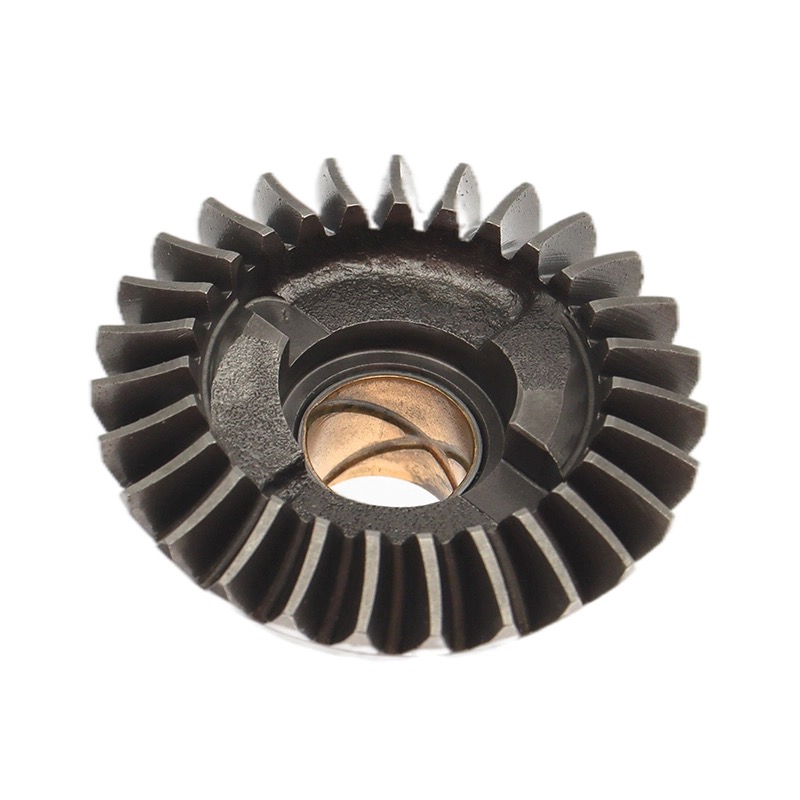
The cheapest component list can become expensive if it produces additional freight, waiting time, or repeat disassembly.
Compare:
- Parts and consumables.
- Shipping and import charges.
- Inspection and assembly labor.
- Additional ordering time.
- Vessel downtime.
- The risk and consequences of rework.
For commercial operators, downtime may outweigh a modest difference in parts prices. For recreational owners with flexible schedules, avoiding unnecessary components may matter more.
The following figures are hypothetical—not market averages or supplier quotations.
| Cost item | Separate-parts option | Repair-kit option |
|---|---|---|
| Required parts or package | $420 | $510 |
| Freight | $35 | $25 |
| Additional ordering and handling | $40 | $10 |
| Second delivery after an omission | $45 | $0 |
| Subtotal | $540 | $545 |
Initially, separate parts appear $90 cheaper. After the assumed purchasing costs, the difference is only $5.
If no item is omitted, separate purchasing performs better. If the kit contains unnecessary parts or misses a required bearing, its value falls.
The practical lesson is to compare complete repair baskets under the same assumptions—not a single gear against an entire package.
Collect more than the engine brand and horsepower.
Useful purchasing information includes:
1. Engine model and serial number.
2. Existing gearcase identification, where available.
3. Standard or counter-rotation configuration.
4. Shaft-length configuration.
5. Required gear ratio.
6. Original part numbers and relevant supersessions.
7. Details of previous lower unit replacements or modifications.
An older engine may no longer carry its original lower unit. Verify the installed assembly before relying solely on the engine identification.
A gear operates with mating gears, bearings, shafts, shims, and the housing.
Tooth geometry and operating position affect how the gears contact each other. A gear that physically fits is not necessarily suitable for the intended assembly.
Ask whether the manufacturer requires replacement as a set. Where gears are supplied as a matched set, confirm identification and application details. Do not assume either that every gear must always be replaced together or that mixing components is always acceptable.
Shims establish specified component positions and clearances.
Backlash is the clearance between mating gear teeth. Tooth-contact checks assess where the gear surfaces engage. These requirements depend on the gearcase design and repair procedure.
Manufacturer service literature describes adjustment after relevant component replacements. A kit does not remove those requirements.
Use the applicable service manual and appropriate measuring tools. Do not transfer clearance values from another engine model.
Record leakage, abnormal noise, shifting problems, and the condition of drained lubricant.
Water contamination and unusual metal debris justify further investigation. Symptoms guide inspection; they do not replace it.
Investigate why the component failed.
A damaged seal may coexist with a worn sealing surface or a bent shaft. Replacing the seal without assessing these conditions can leave the underlying problem unresolved.
Follow the applicable procedure to examine gears, bearings, shafts, sealing surfaces, and the housing.
Assess whether damage remains localized or affects several connected components.
Separate the list into:
- Components confirmed defective.
- Items required for reassembly.
- Components needing measurement before a decision.
- Optional preventive replacements.
This distinction prevents unnecessary purchases while reducing omissions.
Mark every required item as included, excluded, or uncertain.
Resolve uncertain entries before payment. A broad product title is not confirmation of contents.
Budget for model-specific measurements, adjustments, and leakage testing.
Where a service procedure specifies pressure or vacuum testing, follow its limits and method. Excessive test pressure can damage seals. Internal gearcase repairs should be handled by someone equipped and qualified for the work.
These scenarios illustrate purchasing decisions; they are not documented customer cases.
| Repair scenario | Likely purchasing approach | Reason |
|---|---|---|
| Localized leak, with internal components verified serviceable | Individual seals or an appropriate seal kit | A gear rebuild package may add unnecessary parts |
| Gear damage accompanied by worn bearings | Specified gear set plus supporting parts, or a suitable rebuild kit | Replacement scope extends beyond one visible failure |
| Damaged housing with extensive internal damage | Compare rebuilding against an assembled replacement lower unit | Neither separate parts nor a kit is automatically economical |
The third scenario introduces an important alternative. Rebuilding is not always the right benchmark. Compare the housing condition, available components, assembly cost, and replacement-unit compatibility before committing.
A useful quotation should answer more than "Does it fit?"
Ask suppliers to provide:
- Clear application details and replacement references.
- An itemized kit contents list.
- Gear-set identification where applicable.
- Relevant material and inspection information.
- Component traceability arrangements.
- Availability and lead times.
- Warranty terms and exclusions.
- Technical clarification for uncertain applications.
For bulk procurement, request consistent labelling and documentation. These help distributors and workshops identify components after packages have been opened.
When evaluating aftermarket outboard gears, distinguish documented specifications from general quality claims. Neither an aftermarket label nor an original-equipment label replaces application verification and correct assembly.
Individual lower unit parts offer precision and flexibility. Complete repair kits offer purchasing convenience when their contents match the job.
The strongest decision starts with verified damage, confirmed compatibility, and a complete assembly plan.
Contact Ningbo Gill Transmission Parts Co., LTD. with your engine identification, installed gearcase details, original part references, and inspection findings. Request an itemized quotation for the required outboard gears and marine transmission components, with application details and any exclusions clearly identified.
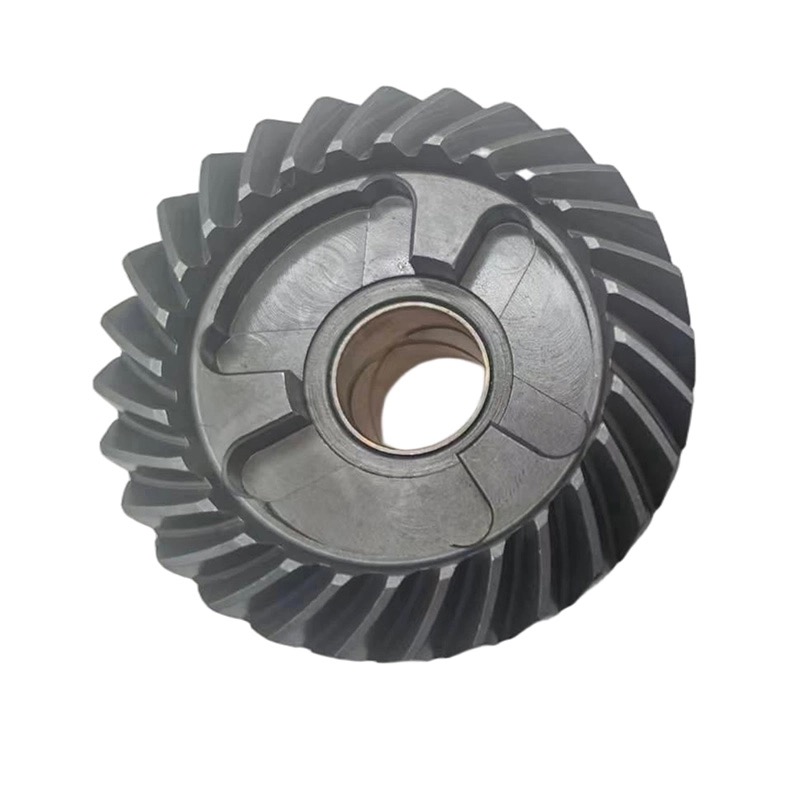
Often, for an isolated repair. However, multiple shipments, omitted items, and additional purchasing time can reduce the initial saving. Compare the complete required parts list.
Not necessarily. Seal kits generally focus on sealing components. Gear sets and broader rebuild packages have different contents. Request an itemized list.
That depends on the application, mating-component condition, and manufacturer requirements. Follow the service procedure and any specified set-replacement guidance.
Follow the applicable manual. Relevant gearcase repairs can require shimming, backlash measurement, and tooth-contact verification, regardless of how the parts were purchased.
No. It indicates water contamination and requires investigation. Leakage testing and internal inspection determine whether the repair involves seals alone or additional components.
No. Serial ranges, gearcase designs, rotation, and previous assembly replacements can affect compatibility. Horsepower alone is insufficient.
- Yamaha Outboards, "Lower Unit Maintenance." Manufacturer guidance on lubricant inspection, water contamination, pressure testing, and lower unit servicing. [yamahaoutboards]
- Mercury Marine, "FourStroke Maintenance." Manufacturer guidance on gear oil inspection, metal debris, and maintenance procedures. [mercurymarine]
- Yamaha Motor Co., Ltd., "F150B / FL150B Service Manual," hosted by PT KBA. Model-specific guidance on lower unit leakage testing, backlash measurement, and shimming. Its specifications should not be generalized to other models. [ptkba]
- Suzuki service-manual extract, "Lower Unit Gears—Shimming and Adjustment," hosted by Van's Outboard Parts. Technical procedures addressing gear contact, backlash, and shaft thrust play. [vansoutboardparts]
- MarineEngine.com, "Mercury Mariner Outboard Lower Unit Gearcase Seal." Application guide illustrating model notes and serial-number ranges for seal-kit selection. [marineengine]
- Palmer Power, "Mercury 8M0057716 Gearcase Seal Kit." Product listing distinguishing separately available diagram components, a gearcase seal kit, and a water pump repair kit. [palmerpower]
- Ningbo Gill Transmission Parts Co., Ltd., Alibaba product catalogue. Public listing of product categories including outboard gears, driveshafts, propeller shafts, and bevel gears. [jecd.en.alibaba]


