


close
Choose Your Site
Global
Social Media
Views: 292 Author: Gill Transmission Parts Publish Time: 2026-07-02 Origin: Site


Content Menu
● What Is a Prop Shaft and Why Alignment Matters?
● Can You Run a Boat With a Bent Prop Shaft?
>> Short‑Term vs Long‑Term Consequences
● Real‑World Risks of Running With a Bent Shaft
>> Safety Risks
>> Performance and Fuel Efficiency Loss
● Common Causes of a Bent Prop Shaft
● How to Recognize a Bent Prop Shaft On Your Boat
● Expert Inspection: What Professional Technicians Do
>> Evaluating Gearcase and Bearings
● Repair or Replace: Best Practices From an Industry Perspective
>> When Straightening Might Be Considered
>> Advantages of OEM‑Quality Replacement Shafts
● Step‑by‑Step Guide: What to Do If You Suspect a Bent Prop Shaft
>> 2. Perform Basic On‑Water Checks
>> 3. Visual Inspection at the Dock
>> 4. Arrange Professional Diagnosis
>> 5. Plan Long‑Term Prevention
● Manufacturer Insight: Why Quality Matters in Prop Shaft Design
>> Advanced Manufacturing and Quality Control
>> Custom Solutions for Different Applications
● How Boat Owners Should Think About Shaft Health
● When to Replace the Shaft: Practical Thresholds
● Final Answer: Is It Ever Worth the Risk?
● Call to Action: Protect Your Boat's Prop Shaft and Performance
● FAQs
When boat owners ask "can you run a boat with a bent prop shaft?", they are usually facing a stressful, real‑world situation: a recent grounding, unusual vibration, or a sudden loss of performance. From both a personal boating safety perspective and an industry engineering perspective, the answer is clear: you should stop using the boat and inspect the shaft immediately. [gilltransmission]
As a manufacturer with nearly three decades of experience in outboard gears, drive shafts, and propeller shafts, Ningbo Gill Transmission Parts Co., LTD. has seen exactly what happens when operators ignore a bent shaft and keep running their engines. In this article, we combine hands‑on field experience with manufacturing expertise to help you understand the risks, diagnosis steps, and best practices for dealing with a bent prop shaft. [gilltransmission]
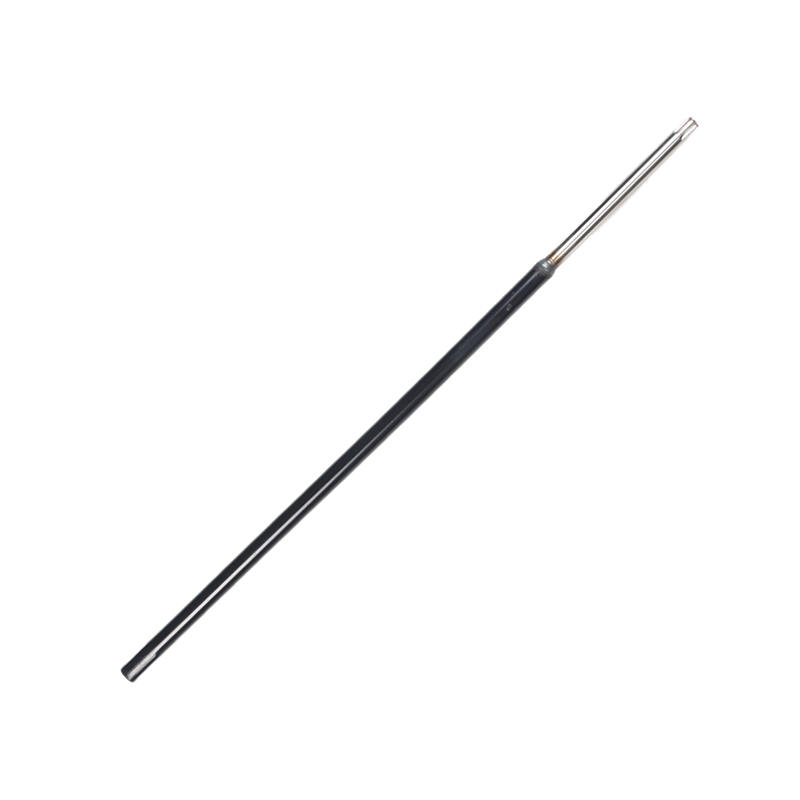
A propeller shaft (prop shaft) is the critical link between your engine's power and the propeller blades that move your boat through the water. In outboard and sterndrive systems, the shaft must remain precisely straight to keep the propeller rotating smoothly and efficiently. [gilltransmission]
Even a small bend changes how the shaft spins:
- The shaft no longer rotates on its true center line.
- The propeller wobbles instead of spinning in a perfect circle.
- Bearings and seals experience uneven loads and rapid wear.
- Vibration travels through the gearcase, mounting hardware, and hull. [gilltransmission]
Because of this, shaft alignment is not a minor detail; it is a core safety and reliability factor in any marine propulsion system. [gilltransmission]
From a purely mechanical point of view, the engine will often still start and turn a bent shaft, and the boat may move forward. However, running a boat in this condition quickly shifts from "possible" to dangerous and costly. [gilltransmission]
In the short term, some boaters continue running because:
- The boat still moves, although with less power.
- The vibration feels "tolerable" at low RPM.
- There is pressure to finish a trip or get back to the dock. [gilltransmission]
In the long term, every minute of operation with a bent shaft increases the risk of:
- Gear damage inside the lower unit.
- Seal failure and water ingress.
- Bearing overheating and fatigue.
- Propeller hub and blade cracks.
- Shaft breakage under load. [gilltransmission]
From an engineering and life‑cycle cost perspective, you are effectively trading a manageable repair now for a much larger failure later.
Based on field cases and service reports from the aftermarket outboard parts industry, several recurring risk patterns appear when owners continue running with a bent shaft. [gilltransmission]
A bent prop shaft can lead to:
- Unexpected loss of thrust in rough water.
- Sudden shaft or gear failure far from shore.
- Increased chance of steering instability due to uneven forces on the prop. [gilltransmission]
For commercial operators and charter businesses, these safety risks translate directly into liability exposure and downtime.
Mechanical risks include:
- Accelerated wear of gears, resulting in metal debris in the oil.
- Distorted seals that allow water into the gearcase.
- Cracks in the shaft near the bent area from cyclic stress. [gilltransmission]
Once water enters the gearcase, corrosion can spread to bearings, gears, and the shaft itself, turning a simple shaft replacement into a full lower‑unit rebuild.
Running with a bent shaft also impacts everyday performance:
- Noticeable loss of top speed and slower acceleration.
- Increased fuel consumption as the engine works harder to overcome drag and vibration.
- More noise and harshness, reducing overall comfort onboard. [gilltransmission]
For operators who care about operating cost per hour, this alone is a strong reason to address shaft issues early.
Understanding how shafts get bent helps you prevent future incidents. Typical causes include:
- Grounding or hitting underwater objects (rocks, logs, sandbars).
- Collisions with floating debris at speed.
- Improper installation of propellers, including over‑torquing or misalignment.
- Transport or storage damage, such as dropping an engine or using inadequate supports. [gilltransmission]
In manufacturing, quality control measures such as ISO 9001‑certified processes and precision inspection equipment are used to ensure shafts are delivered perfectly straight to boat builders and service shops. This underscores that most bends occur after installation, during real‑world operation. [gilltransmission]
From a user perspective, the first clues of a bent shaft are usually feel and sound. The following signs should trigger immediate inspection: [gilltransmission]
Watch for:
- New vibration in the steering wheel, floor, or throttle handle, especially at mid to high RPM.
- Increase in noise from the lower unit or transom area.
- Changes in steering feel, such as pulling or wandering at speed.
- Reduced speed at the same throttle setting compared with previous trips. [gilltransmission]
With the engine off and safely tilted up:
- Spin the propeller by hand and observe the tip of each blade.
- Look for side‑to‑side wobble, which can indicate shaft bending.
- Sight along the shaft from the gearcase toward the prop; any visible curve is a red flag. [gilltransmission]
These quick checks do not replace a professional inspection, but they can help you decide whether to continue a short, slow return to port or arrange a tow.
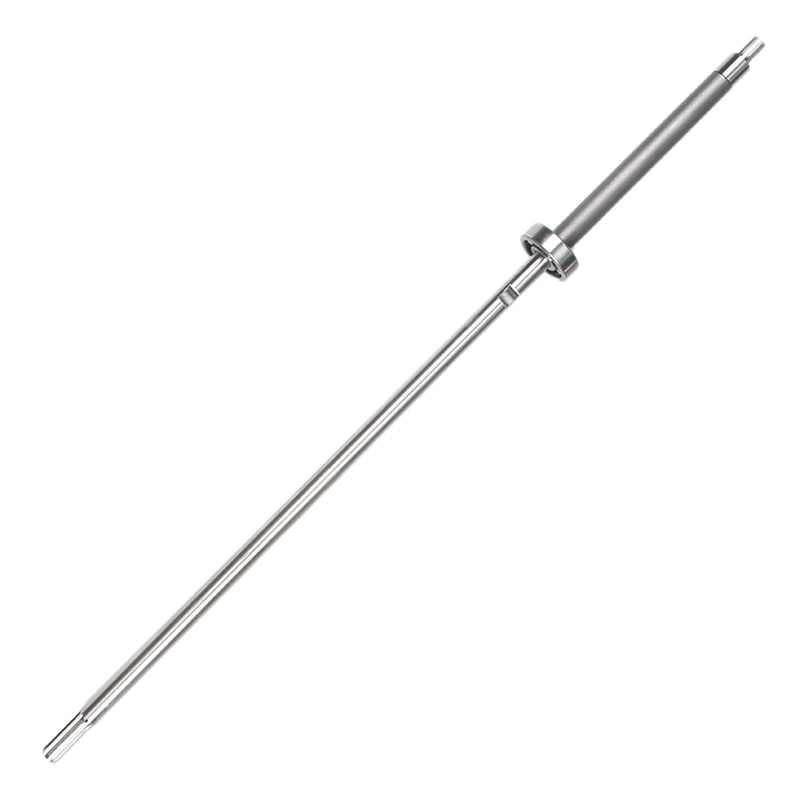
Once you suspect a bent shaft, professional inspection is essential. Experienced marine technicians and specialized shaft manufacturers follow structured steps to confirm the condition and recommend solutions. [gilltransmission]
Technicians commonly use a dial indicator to measure shaft "runout" (deviation from straight rotation):
1. Remove the propeller and mount the indicator against the shaft surface.
2. Rotate the shaft slowly by hand.
3. Record the maximum variation. [gilltransmission]
Manufacturers typically set strict runout limits, often fractions of a millimeter, to ensure smooth operation in high‑speed outboard applications. [gilltransmission]
Beyond the shaft itself, a complete diagnosis often includes:
- Checking lower‑unit oil for metal particles or water.
- Inspecting bearings for noise or roughness.
- Checking seals and housings for damage driven by misalignment. [gilltransmission]
This "system‑level" approach avoids simply replacing the shaft while leaving hidden damage that will soon cause new problems.
The question "can I run my boat with a bent prop shaft?" almost always leads to the follow‑up: "Should I repair or replace the shaft?" From the standpoint of long‑term reliability and cost control, replacement is often the recommended solution for significant bends. [gilltransmission]
In some low‑speed, heavily built shafts, minor bends may be straightened under controlled workshop conditions:
- The shaft material and heat treatment must support safe straightening.
- Straightening must be followed by accurate runout measurement.
- Safety margins need to be confirmed for future loads. [gilltransmission]
However, in modern outboard systems, where shafts are optimized for high precision and load cycles, many professionals prefer replacement to avoid hidden micro‑cracks and fatigue issues.
Using high‑precision replacement shafts manufactured under advanced quality systems offers several advantages:
- Guaranteed material specifications and heat treatment.
- Tight dimensional tolerances and runout control.
- Better compatibility with existing gears, bearings, and seals. [gilltransmission]
Companies like Ningbo Gill Transmission Parts Co., LTD. specialize in the R&D and production of outboard gears and propeller shafts, combining automated machining centers with precision inspection to ensure replacement parts perform consistently over long service lives. [gilltransmission]
From a practical user experience perspective, here is a clear action sequence you can follow if you suspect shaft damage.
- Immediately reduce throttle to minimize further stress.
- If safe, stop the engine in a controlled area.
- Avoid high‑RPM operation until inspection is completed. [gilltransmission]
- Confirm steering response and basic propulsion at idle.
- Note vibration levels and unusual sounds.
- Decide whether it is safe to slowly return to port or call for assistance. [gilltransmission]
- Tilt the engine and inspect the propeller and visible shaft.
- Look for obvious bends, blade damage, or fishing line around the hub.
- Do not attempt heavy DIY straightening; this can add new damage. [gilltransmission]
- Contact a qualified marine service provider or your regular technician.
- Request a runout measurement and full lower‑unit inspection.
- Discuss options for shaft replacement using high‑quality parts. [gilltransmission]
Based on the incident:
- Review navigation routes and chart data for hazards.
- Consider propeller guards or depth alarms where appropriate.
- Schedule regular inspections of the propeller shaft and lower unit, especially after any grounding. [gilltransmission]
From the viewpoint of a shaft manufacturer, design and production quality are essential to resisting damage and maintaining alignment over years of use. [gilltransmission]
Modern manufacturing facilities use:
- CNC machining centers to achieve precise shaft geometry.
- Grinding and polishing processes for surface finish and concentricity.
- Automated bevel gear machines and testing equipment for full transmission systems. [gilltransmission]
At Ningbo Gill Transmission Parts Co., LTD., these capabilities are combined with ISO 9001‑certified quality management, ensuring each shaft meets strict international standards before leaving the factory. [gilltransmission]
Because boats and engines vary widely, custom shaft solutions are often needed:
- Different lengths, diameters, and keyway designs.
- Tailored surface treatments and heat‑treatment processes.
- OEM and aftermarket compatibility requirements. [gilltransmission]
Collaborating directly with experienced manufacturers allows boat builders, repair yards, and distributors to align component specifications with the real‑world loads and conditions their customers face.
From a user experience standpoint, the prop shaft is easy to forget because it is mostly hidden inside the lower unit. However, its condition directly affects comfort, noise, fuel cost, and trip reliability. [gilltransmission]
For a smoother, safer boating experience, owners can focus on:
- Routine checks of vibration, noise, and performance across RPM ranges.
- Visual propeller inspection at the start and end of each season.
- Immediate action after any suspected impact or grounding. [gilltransmission]
Treat the shaft like a critical safety component, not just a mechanical spare part, and your overall boating experience will reflect that attention.
Boaters often ask: "At what point should I stop debating and simply replace the shaft?" While exact thresholds depend on engine type and manufacturer guidelines, several practical decision points exist. [gilltransmission]
Consider replacement when:
- Runout measurements exceed manufacturer limits.
- There is visible bending or cracking.
- Vibration continues even after propeller replacement.
- Lower‑unit oil shows recurring metal debris. [gilltransmission]
At these points, continuing to run the boat is no longer a small risk; it is a near‑certain path to further damage.
In summary, while a bent prop shaft may still turn and move your boat, it is not worth the risk to keep operating in this condition. The combination of safety concerns, mechanical damage, and higher long‑term costs makes early inspection and shaft replacement the smarter choice. [gilltransmission]
For fleet operators, charter businesses, and serious recreational boaters, partnering with experienced prop shaft manufacturers and qualified marine service providers is the best way to maintain propulsion reliability and protect both people and equipment. [gilltransmission]
If you suspect a bent prop shaft or want to upgrade to higher‑quality transmission components, work with a trusted manufacturer and local marine technician to assess your current setup. Request properly tested, ISO 9001‑certified shafts and ensure professional installation so you can run your boat with confidence on every trip. [gilltransmission]
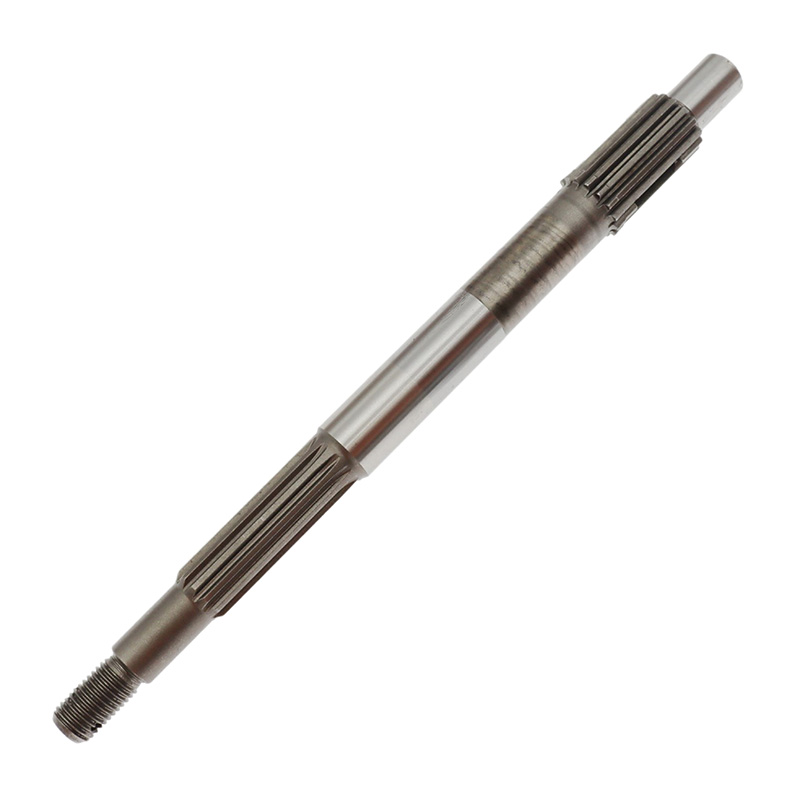
Q1: What are the most common signs of a bent prop shaft?
A1: The most common signs are increased vibration, unusual noise from the lower unit, reduced speed at the same throttle setting, and visible wobble when the propeller is rotated by hand. [gilltransmission]
Q2: Can I safely return to the dock with a bent prop shaft?
A2: In many cases, you can carefully return at low RPM if basic steering and propulsion remain, but you should avoid high speed and arrange a professional inspection as soon as possible. [gilltransmission]
Q3: Is it cheaper to straighten or replace a bent prop shaft?
A3: While minor straightening may sometimes appear cheaper, replacement with a properly manufactured shaft is often more cost‑effective over time because it reduces the risk of hidden fatigue and recurring damage. [gilltransmission]
Q4: How often should prop shafts be inspected on commercial boats?
A4: Commercial operators should include prop shaft condition in regular maintenance schedules, especially after any grounding or impact, and follow manufacturer guidance on inspection intervals and runout limits. [gilltransmission]
Q5: What kind of manufacturer should supply replacement prop shafts?
A5: Replacement shafts should come from experienced manufacturers that use advanced machining, strict quality control, and certified management systems to ensure accurate dimensions, material quality, and long‑term reliability. [gilltransmission]
1. Ningbo Gill Transmission Parts Co., LTD. – Company Introduction and Technical Strength. Available at: [https://www.gilltransmission.com/aboutus.html] [gilltransmission]
2. Gill Transmission – Gear, Drive Shaft, Propeller Shaft Manufacturer Overview. Available at: [https://www.gilltransmission.com] [gilltransmission]
3. Gill Transmission – Top 10 Propeller Shaft Manufacturers in China. Available at: [https://www.gilltransmission.com/top-10-propeller-shaft-manufacturers-in-china.html] [gilltransmission]


