


close
Choose Your Site
Global
Social Media
Views: 232 Author: Gill Transmission Parts Publish Time: 2026-07-07 Origin: Site


Content Menu
● Understanding Crankshafts in Marine Engines
● Precision Ground vs Standard Crankshafts: Core Definitions
● Key Technical Differences in Tolerances and Geometry
>> Dimensional Tolerances and Roundness
>> Surface Finish and Residual Stress
>> Fillet Design and Stress Concentration
● Impact on Marine Engine Performance and Reliability
>> Comparative Overview in Marine Use
● Latest Industry Insights: Why Precision Grinding Matters Now
● Practical Selection Checklist for Shipowners and OEMs
● Expert Manufacturing Perspective: Ningbo Gill Transmission Parts Co., LTD
● Real‑World Marine Case Observations
● Maintenance and Inspection Strategy: Precision vs Standard
>> Recommended Inspection Focus Points
● When Should You Choose Precision Ground Crankshafts?
● Tailored Solutions from Ningbo Gill Transmission Parts Co., LTD
● Clear Call to Action for Marine Buyers
Precision ground crankshafts deliver measurably tighter tolerances, longer service life and smoother engine performance than standard crankshafts, especially in demanding marine applications. When you combine high‑precision grinding with 29 years of specialized experience in crankshaft manufacturing, the difference becomes a strategic advantage for shipowners, OEMs and fleet managers who cannot afford unplanned downtime. [wingd]
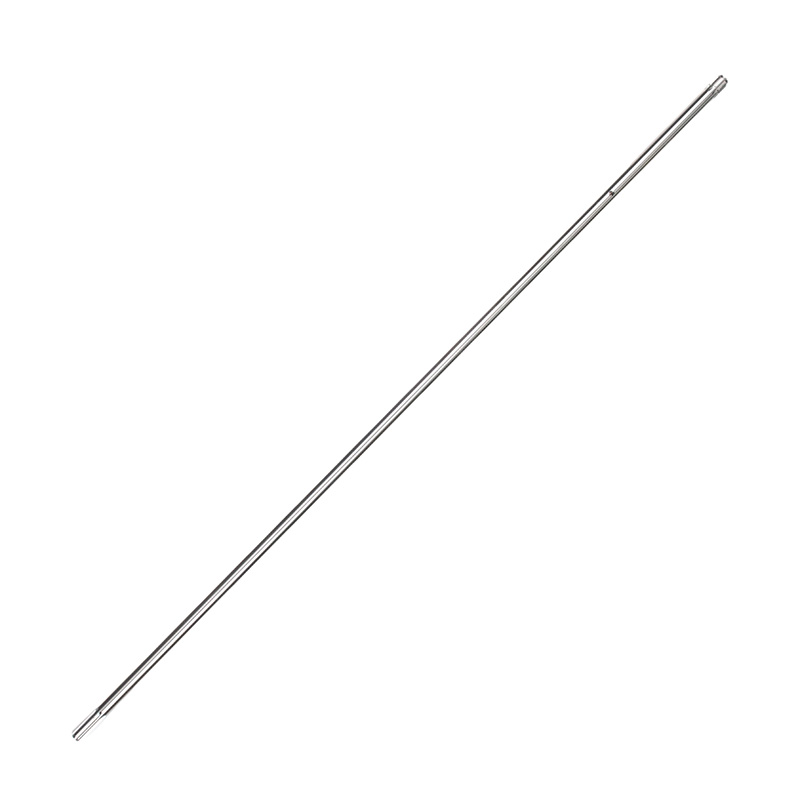
Crankshafts sit at the heart of every marine engine, converting the linear motion of pistons into the rotational power that drives propellers and onboard systems. In heavy‑duty marine environments, crankshafts operate under continuous high load, variable speed, vibration and corrosive conditions, which magnify any dimensional inaccuracy or surface defect. [engine.od]
A small deviation in journal roundness or fillet radius can accelerate bearing wear, cause oil film breakdown and trigger fatigue cracks in critical zones. For ship operators, this translates into higher maintenance costs, reduced fuel efficiency and serious risk of catastrophic engine failure during operation. [wingd]
Precision ground crankshafts are manufactured with advanced grinding processes that achieve tightly controlled dimensional tolerances, optimized surface finish and consistent geometry across all journals and fillets. These parts typically follow strict process controls: precision balancing, controlled heat treatment, in‑process measurement and final inspection aligned to OEM or classification society standards. [engine.od]
Standard crankshafts generally meet baseline dimensional requirements but are produced with less stringent grinding tolerances and simpler quality‑control procedures. While suitable for low‑to‑medium duty applications, they tend to allow larger variation in journal size, concentricity and surface roughness, which becomes critical in long‑running marine engines. [wingd]
In marine propulsion systems, journal diameter, roundness and cylindricity directly affect bearing load distribution and lubrication stability. Precision ground crankshafts are typically held to tighter tolerance ranges, reducing deviation in journal size and ensuring uniform oil film thickness around the bearing. [engine.od]
Standard crankshafts, by contrast, often exhibit greater variation in journal diameter and out‑of‑roundness, which can lead to localized contact pressures and hot spots. Over time, this mismatch increases the risk of scoring, micro‑seizure and uneven wear on main and connecting‑rod bearings. [engine.od]
Surface roughness on journals and fillets influences friction, lubrication and crack initiation. Precision grinding delivers a smoother, more controlled finish that improves oil film formation and reduces the probability of stress concentrators at micro‑peaks or machining marks. [wingd]
Standard crankshafts often show higher surface roughness and sporadic grinding marks that can act as initiation points for fatigue cracks in high‑stress regions. Under marine cyclic loading, these micro‑defects may propagate into serious damage if not detected and corrected during overhaul. [wingd]
Crankshaft fillets are critical transition zones where bending and torsional stresses accumulate. Precision ground crankshafts focus on accurately blended fillet radii and smooth transitions that minimize stress concentration factors. [engine.od]
Standard crankshafts may present sharper fillet edges or slight geometric irregularities, which increase peak stress values and reduce fatigue life. In long‑service marine engines, this difference in fillet execution can be the boundary between predictable operation and unexpected failure. [wingd]
Precision ground crankshafts contribute to smoother rotation, more stable bearing loads and lower vibration in marine engines. This stability enhances fuel efficiency, reduces mechanical noise and helps maintain consistent performance across long voyages. [engine.od]
Standard crankshafts, while functional, can introduce slight imbalance and irregular loading patterns that grow more noticeable as the engine accumulates hours. In practice, ship operators experience more frequent bearing inspections, higher lubricant consumption and a greater probability of unplanned maintenance. [wingd]
| Aspect | Precision Ground Crankshafts | Standard Crankshafts |
|---|---|---|
| Tolerances | Tighter journal and run‑out control for high‑duty marine engines (wingd) | Basic tolerances adequate for less demanding use (engine.od) |
| Surface finish | Optimized for stable lubrication and low friction (wingd) | Higher roughness, more sensitive to wear (engine.od) |
| Fatigue life | Extended fatigue resistance under cyclic loading (wingd) | Shorter fatigue life in heavy‑duty cycles (engine.od) |
| Vibration level | Reduced vibration and noise across speed range (wingd) | Greater vibration potential at load changes (engine.od) |
| Maintenance intervals | Longer, more predictable inspection cycles (wingd) | Shorter cycles and higher monitoring needs (engine.od) |
Marine engine manufacturers and classification societies continue to tighten expectations around crankshaft accuracy and documentation as power density rises and emissions regulations push engines toward more optimized operating windows. Modern two‑stroke and four‑stroke marine engines run at higher mean effective pressures, which increase the mechanical stress on crankshaft journals and fillets. [engine.od]
At the same time, industry failure analyses consistently highlight crankshaft and bearing issues among leading causes of major engine breakdowns, especially in large vessels. This trend encourages shipowners and OEMs to prefer precision ground crankshafts not only for newbuilds but also for critical rebuilds and retrofit projects. [wingd]
When deciding between precision ground crankshafts and standard crankshafts for marine engines, decision‑makers should evaluate several practical criteria. The following checklist focuses on real‑world conditions rather than purely theoretical specifications. [engine.od]
1. Operating profile: Evaluate typical load, speed range and voyage duration for each vessel.
2. Engine type and rating: Match crankshaft tolerance requirements to OEM recommendations and engine power density.
3. Classification requirements: Confirm compliance with class rules for documentation, material and dimensional control.
4. Maintenance strategy: Consider whether your fleet runs on condition‑based, planned or reactive maintenance.
5. Total cost of ownership: Balance initial part cost against downtime risk, service intervals and fuel efficiency.
For high‑duty, long‑voyage vessels or engines running close to maximum continuous rating, precision ground crankshafts usually provide superior value over the full life cycle. In low‑power auxiliary units with shorter duty cycles, standard crankshafts may remain acceptable if deployed with a conservative maintenance plan. [wingd]
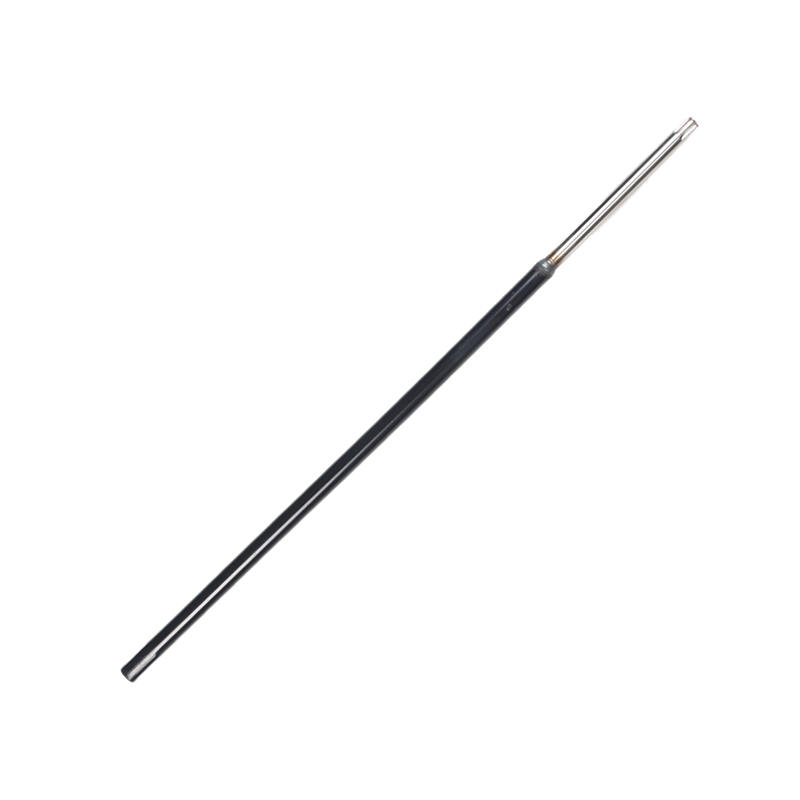
From the perspective of a manufacturer with 29 years focused on crankshafts and marine transmission components, the technical difference between precision and standard grinding is not just a marketing term but an entire process philosophy. Precision grinding starts with controlled material selection, verified forging quality and repeatable heat treatment, ensuring that the base microstructure can support high‑accuracy machining. [engine.od]
Throughout the grinding workflow, experienced technicians rely on calibrated equipment, in‑process measurement and documented inspection routines to keep every main and crankpin journal within predefined tolerances. Final balancing and non‑destructive testing close the loop, confirming that each precision ground crankshaft can sustain marine loads without hidden defects. [wingd]
Standard crankshaft production, while still structured, typically uses wider tolerance bands and simpler inspection sampling, which lowers cost but does not guarantee the same level of repeatability and fatigue margin. For Ningbo Gill Transmission Parts Co., LTD, long‑term customer feedback from shipowners and OEMs has consistently validated investment in precision grinding capability as a way to reduce warranty claims and improve fleet reliability. [engine.od]
Field reports and failure analyses in marine engines frequently show that crankshaft journal damage, bearing seizure and fatigue cracks relate to dimensional and surface defects introduced during manufacturing or regrinding. When engines use precision ground crankshafts, these defects appear less frequently, and abnormal vibration patterns tend to remain within monitorable limits. [wingd]
Conversely, vessels running with standard crankshafts under heavy cycles have reported repeated bearing replacements and corrective line‑boring to address misalignment and wear. In some documented cases, crankshaft replacement with a precision ground unit has significantly reduced unplanned stoppages and improved confidence in long‑haul operations. [engine.od]
Precision ground crankshafts simplify long‑term maintenance planning because their geometry and surface condition support more stable lubrication and predictable wear patterns. Routine inspections focus on trend analysis rather than emergency corrective action, allowing fleets to schedule dockings and overhauls with greater control. [wingd]
Standard crankshafts often demand more frequent visual checks, vibration monitoring and oil analysis to catch early signs of distress. This increased monitoring load affects engineering teams and can raise overall maintenance expenditure, even when initial part cost is lower. [engine.od]
For both precision ground and standard crankshafts, marine engineers should prioritize specific inspection zones to maintain reliability. [wingd]
- Main journals: Check for scoring, ovality and localized wear.
- Crankpin journals: Monitor for blueing, micro‑seizure and oil starvation marks.
- Fillets and webs: Inspect for surface cracks, pitting and grinding burns.
- Keyways and flange faces: Confirm absence of fretting and misalignment.
- Counterweights: Verify secure fastening and check for imbalance indicators.
Precision ground units typically show fewer defects in these zones over the same service hours, reinforcing their long‑term value in high‑load marine engines. [engine.od]
In practice, precision ground crankshafts make the most sense in several specific marine scenarios. [wingd]
- Long‑haul cargo, tanker and bulk carriers relying on continuous power.
- High‑output main propulsion engines operating near design limits.
- Engines under tight fuel‑efficiency and emission performance targets.
- Vessels with limited access to on‑route heavy maintenance facilities.
- OEMs and yards aiming to minimize warranty exposure and lifecycle risk.
Standard crankshafts remain an option for low‑duty auxiliary engines, backup units and cost‑sensitive projects, provided their limitations are understood and monitored. However, as marine operating profiles and regulatory pressures grow more demanding, precision ground solutions are increasingly becoming the default choice for mission‑critical applications. [engine.od]
Beyond manufacturing quality, Ningbo Gill Transmission Parts Co., LTD supports customers with application‑specific crankshaft selection, including advice on journal dimensions, material specification and surface treatment for marine engines. With nearly three decades of focused experience, the company can help shipowners and OEMs align crankshaft choice with engine design, operating profile and maintenance strategy. [wingd]
For buyers comparing precision ground crankshafts vs standard crankshafts, partnering with a specialized manufacturer simplifies technical trade‑offs and reduces project risk. The goal is not just to supply a part, but to optimize engine reliability and total cost of ownership over the vessel's life. [engine.od]
If your fleet depends on reliable marine engines and you are evaluating whether precision ground crankshafts justify the additional investment, now is the moment to reassess your risk profile and lifecycle costs. By engaging directly with a dedicated crankshaft specialist, you can map current failure modes, define tolerance and inspection requirements, and select precision ground solutions where they deliver the greatest operational benefit. [wingd]
Ningbo Gill Transmission Parts Co., LTD invites shipowners, OEMs, engine rebuilders and marine distributors to discuss upcoming projects and replacement needs, especially where crankshaft performance is critical to safety and uptime. A short technical consultation can often reveal where precision grinding will unlock measurable improvements in reliability, fuel efficiency and maintenance planning. [engine.od]
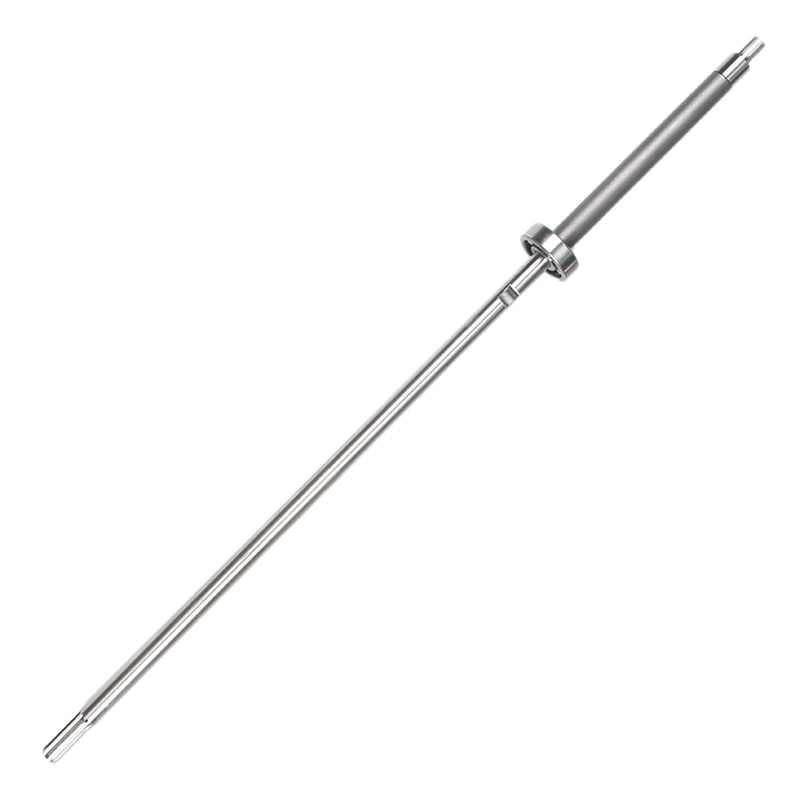
Q1: Are precision ground crankshafts always necessary for marine engines?
A1: No, but they are strongly recommended for high‑output main propulsion engines, long‑haul vessels and applications where downtime risk and maintenance costs are critical.
Q2: How do precision ground crankshafts improve fuel efficiency?
A2: Better journal geometry and surface finish stabilize lubrication and reduce friction losses, helping engines maintain more efficient operating profiles over time.
Q3: Can standard crankshafts be upgraded to precision ground during overhaul?
A3: In many cases, existing crankshafts can be reground to tighter tolerances if material condition, alignment and crack testing results meet the required standards.
Q4: What documentation should I request from a crankshaft supplier?
A4: Buyers should ask for dimensional reports, balancing records, material certificates, heat‑treatment data and any non‑destructive testing results to verify quality levels.
Q5: How does precision grinding affect crankshaft fatigue life?
A5: Controlled fillet radii, reduced surface defects and consistent geometry lower stress concentration, which enhances fatigue resistance under marine cyclic loading.
1. [WinGD – Alignment Instruction for Marine Propulsion Systems] [wingd]
2. [Engine Bearing Failure Analysis Guide] [engine.od]
3. [Google Search Central – Creating Helpful, Reliable, People‑First Content] [developers.google]
4. [Google Search – Quality Rater Guidelines and E‑E‑A‑T] [developers.google]
5. [Search Engine Journal – Google E‑E‑A‑T: What It Is & How To Demonstrate It] [searchenginejournal]
6. [Impression Digital – Google's E‑E‑A‑T: The Complete Guide] [impressiondigital]


