


close
Choose Your Site
Global
Social Media
Views: 258 Author: Gill Transmission Parts Publish Time: 2026-10-01 Origin: Site


Content Menu
● What Does a Complete Lower Unit Assembly Include?
● What Counts as Individual Lower Unit Parts?
● Complete Lower Unit Assembly vs Individual Lower Unit Parts: Key Differences
● When Should You Replace the Entire Lower Unit?
>> Severe gear or bearing damage
>> Cracked or badly damaged housing
>> High downtime or uncertain rebuild scope
● When Do Individual Lower Unit Parts Make More Sense?
>> A localized leak with sound internal components
>> Planned maintenance or an isolated component fault
>> A rebuild supported by the right equipment
● Diagnose the Failure Before Ordering Parts
● A Better Cost Test: Price the Whole Repair
● Fitment Checks Buyers Often Miss
● Quality Questions for a Marine-Parts Supplier
● Match the Remedy to the Damage
>> Is a complete lower unit assembly always ready to install?
>> Can I replace only a leaking propeller-shaft seal?
>> Do metal particles mean I need a new lower unit?
>> Is rebuilding a lower unit cheaper than replacing it?
>> Can I order a lower unit by horsepower alone?
>> Should gears be replaced without checking backlash?
Choosing between a complete lower unit assembly vs individual lower unit parts is not simply a question of price. The right choice depends on the damage, the condition of the gearcase housing, the precision required for a rebuild, and the cost of keeping a boat out of service. A damaged seal may justify a focused repair. Contaminated bearings, damaged gears, and a cracked housing may make a replacement assembly the safer economic decision.
For boat owners, repair shops, and marine-parts buyers, the goal is the same: restore dependable propulsion without paying for unnecessary components or creating a repeat failure. This guide explains how to compare both options, what to inspect before ordering, and which questions to ask a supplier.
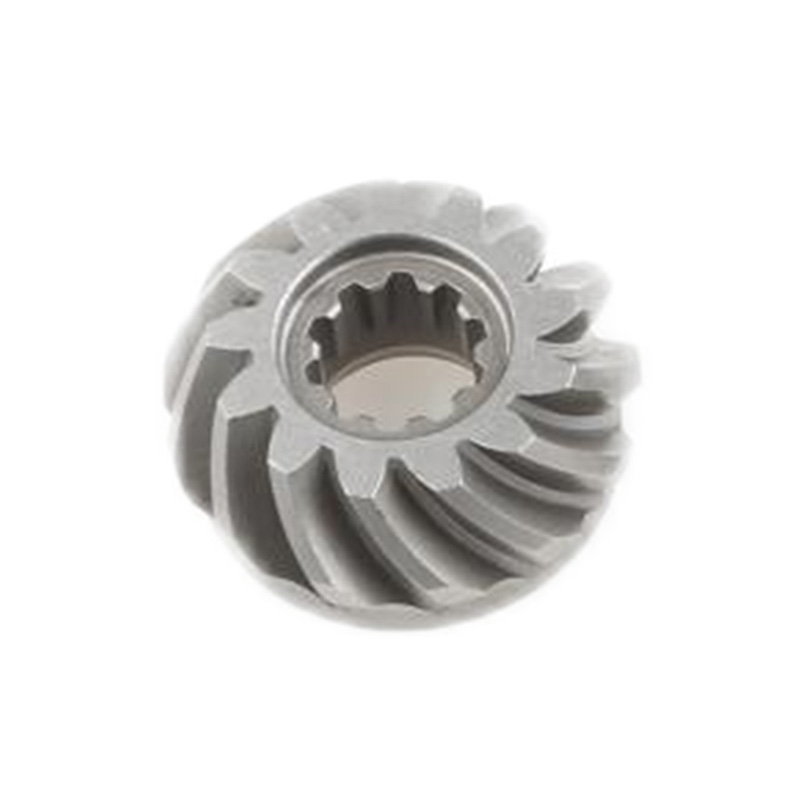
A lower unit, also called a gearcase, transfers engine power through the driveshaft and gear set to the propeller shaft. It also contains the shifting components and supports the propeller shaft inside a lubricated, sealed housing. The lower unit interfaces with the engine's cooling-water path, although the contents of a replacement assembly vary by seller and application.
A complete lower unit assembly generally means a preassembled gearcase rather than a box of loose internal parts. Depending on the listing, it may contain the housing, gears, shafts, bearings, seals, and related hardware. Do not assume the water pump, impeller, propeller, gear oil, or mounting hardware is included. Ask for a written bill of materials and confirm whether the assembly has been filled, adjusted, and tested.
The term *complete* describes a supplier's offering, not a universal specification. Two units advertised for the same engine family can differ in shaft length, gear ratio, rotation, shift connection, or included accessories.
Individual lower unit parts are components ordered to repair a known fault within an otherwise serviceable gearcase. Common examples include:
- Wear and sealing parts: Propeller-shaft seals, driveshaft seals, O-rings, drain-plug washers, bearings, and water-pump components.
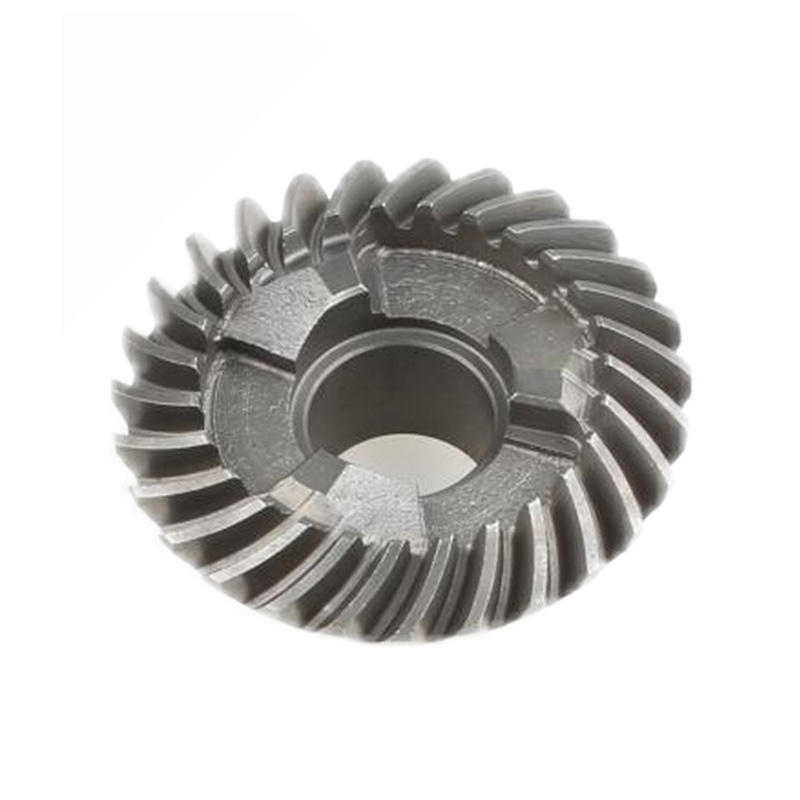
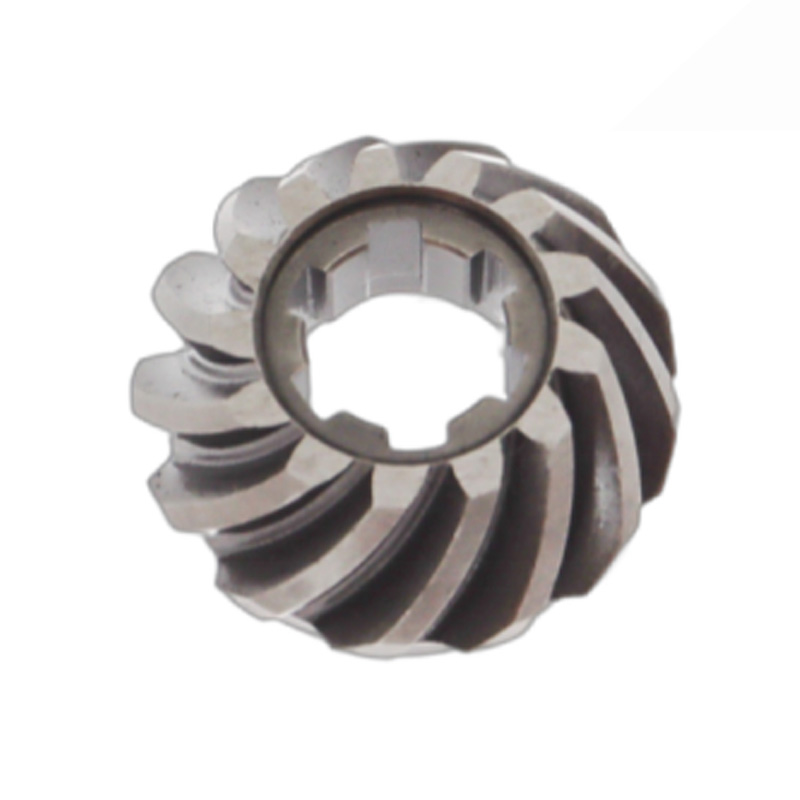
- Power-transmission parts: Pinion, forward and reverse gears, propeller shaft, driveshaft, clutch dog, and shift-related components.
- Structural parts: Bearing carriers, housings, covers, and fasteners, where available separately.
A parts repair may involve one seal or a complex rebuild. These jobs should not be treated as equivalent. Replacing an accessible seal is very different from installing gears and bearings that require precise measurement and adjustment.
| Decision factor | Complete lower unit assembly | Individual lower unit parts |
|---|---|---|
| Best fit | Widespread internal damage, compromised housing, or urgent return to service | Clearly isolated damage with a reusable housing and verified mating components |
| Initial parts cost | Usually higher for a comparable repair scope | Can be lower for a small, well-defined repair |
| Labor | Typically fewer internal rebuilding steps; installation still requires care | May require disassembly, inspection, cleaning, measurements, and reassembly |
| Hidden-damage exposure | Less reliance on the old unit's internal condition | Greater risk that teardown reveals additional damage |
| Fitment risk | The entire assembly must match the engine and installation | Every replacement part must match its application and adjoining parts |
| Quality verification | Confirm assembly specification and supplier test records | Confirm repair workmanship and checks against the service manual |
| Downtime | Can be shorter if a matching unit is in stock | Depends on parts availability, technician time, and machining needs |
| Warranty | Ask exactly what the assembly and labor warranties cover | Parts and workshop labor may have separate coverage |
Neither option is automatically more reliable. A correctly specified assembly can still be installed incorrectly. A carefully rebuilt gearcase can also provide sound service. Diagnosis, fitment, workmanship, and documented testing matter more than the label on the invoice.
Large metal fragments, broken gear teeth, seized bearings, or extensive scoring can indicate damage beyond the first failed component. Debris may circulate through the lubricant and affect other bearings or gear surfaces. A replacement assembly becomes attractive when the repair estimate must account for several uncertain internal parts.
A marine-service case documented a failed seal, water intrusion, bearing seizure, and substantial metal contamination; the technician selected a complete lower unit rather than replacing only the broken driveshaft. It illustrates a decision pattern, not a rule for every water-contaminated gearcase. The decision should follow inspection of the actual unit.
A propeller strike may damage the skeg, propeller shaft, or gearcase casting. Cosmetic skeg damage alone does not prove the entire lower unit needs replacement. A crack near a sealing surface, distorted bearing bore, or housing damage that prevents correct alignment is a different matter. Ask a qualified marine technician whether the housing can be repaired and verified to the applicable specification.
For a working vessel or a repair shop with a committed delivery date, time has a cost. If a matching tested assembly is available but a rebuild depends on several back-ordered components, replacement may be the practical choice. Compare confirmed lead times, not optimistic estimates, and keep installation checks in the schedule.
Fishing line around the propeller shaft can damage seals and permit water into the gearcase. If a technician finds the leak early and confirms that the shafts, bearings, gears, and housing remain usable, a seal repair may preserve the existing assembly at a lower total cost.
Milky lubricant is a warning, not a diagnosis of which seal has failed. Yamaha advises having the seals inspected through a pressure test when water appears in the lubricant. The same guidance notes that fine bubbles stirred into oil immediately after running can look milky, so check under appropriate conditions rather than relying on color alone.
An impeller, drain-plug washer, or other service item does not justify replacing a healthy gearcase. Likewise, a damaged part may be replaceable if the mechanic can establish why it failed and verify the condition of related parts. The important question is whether the cause has been corrected, not whether a new part fits physically.
Gear and bearing replacement can require more than pressing in new parts. Manufacturer service procedures for some outboards specify checks of gear contact, shimming, and backlash after lower-unit components are replaced. Follow the exact service manual for the engine and gearcase at hand; do not transfer measurements from another model. A shop without the necessary tools or experience should not price a complex rebuild as a simple parts swap.
A purchasing decision improves when the evidence is recorded before disassembly. Use this practical sequence:
1. Identify the engine. Record the brand, full model designation, serial number, shaft length, and any counter-rotation designation. Photograph existing part numbers when accessible.
2. Document symptoms. Note the date of a propeller strike, shifting behavior, noise, vibration, oil leakage, overheating alarms, and whether the engine was run afterward.
3. Inspect the exterior. Look for cracks, impact marks, damaged water intakes, a bent propeller, and fishing line behind the propeller. Do not treat exterior appearance as proof that the internals are sound.
4. Sample the lubricant. Record whether it contains water, a burnt odor, fine metallic dust, or larger chips. Yamaha distinguishes fine dust from larger metal pieces that warrant professional inspection.
5. Test and open as needed. Have a qualified technician perform the model-appropriate leak tests and inspect the shaft, bearings, gears, housing, and shift components when the evidence warrants teardown.
6. Compare two written scopes. Request an itemized rebuild estimate and an assembly-replacement estimate using the same assumptions about oil, installation, tests, freight, and warranty.
Do not continue operating a gearcase that shows substantial metal debris, clear water contamination, severe impact damage, or abnormal mechanical noise until a professional has assessed it. A quick oil change cannot establish that damaged internal components are safe to reuse.
The lowest parts quote is not always the lowest repair cost. Use the following framework to compare options without relying on a made-up universal price threshold:
Total repair cost = parts or assembly + labor + consumables + testing + freight + expected downtime + plausible rework exposure.
Consider a workshop comparing a seal repair with a replacement unit. If inspection confirms a sound shaft and clean gear surfaces, the focused repair may be sensible. If teardown reveals scored bearings and damaged gear teeth, the original seal-only quote is no longer a fair comparison. Recalculate both options using the newly discovered scope.
For fleet buyers, put downtime in operational terms: What does a missed charter, delayed shipment, or unavailable service boat cost? For distributors, include the cost of a wrong-fit return and the time needed to obtain a correct replacement. These are decision inputs, not fixed industry averages. A credible supplier should help you clarify them rather than promise that one option always saves money.
A gearbox that resembles the old one may still be unsuitable. Manufacturers publish model- and serial-specific parts information, and outboard product specifications show that gear ratios and shaft lengths vary by application. Before approving a complete lower unit assembly or individual gears, verify:
- Model and serial number: Use the manufacturer's parts catalog or the applicable service documentation, not horsepower alone.
- Gear ratio: Match the required gearcase specification; a visually similar housing is not sufficient.
- Shaft length and interfaces: Check driveshaft length and spline, shift connection, mounting pattern, and water-tube alignment.
- Rotation and propeller-shaft details: Confirm standard or counter rotation where applicable, plus shaft and propeller-hub compatibility.
- Product scope: Request photographs, part numbers, included-component lists, and the supplier's test or inspection record.
As a concrete example, Yamaha lists a 2.15:1 gear ratio for its referenced 75–115 hp midrange lineup, while Mercury describes a 1.75:1 TorqueMaster gearcase on select Pro XS V8 models. These are examples of why specifications matter, not interchangeable units or a recommendation to use either ratio on a different engine.
At Ningbo Gill Transmission Parts Co., LTD., our focus on outboard gears and marine transmission parts makes specification control central to a useful inquiry. Our stated 29 years of industry experience is context for the questions we ask; it is not, by itself, proof that a particular part fits or will meet a particular performance target.
For an individual gear, request the drawing revision, material specification, heat-treatment requirements, critical dimensions, and applicable inspection records. For a complete assembly, ask what was assembled, how gear setup was verified, whether sealing was tested, and what the warranty excludes. If the item is aftermarket, confirm the exact engine applications rather than assuming an original-brand designation applies to it.
A capable buyer should also request traceable identification and agree on acceptance criteria before shipment. Those steps are especially useful for repair shops and distributors handling repeat orders: they make a future fitment or quality dispute easier to investigate. The correct documentation depends on the product and the contract; do not infer a certification or testing protocol that the supplier has not provided.
Choose individual lower unit parts when the failure is isolated, the remaining components pass inspection, and a qualified shop can perform the required measurements and tests. Choose a complete lower unit assembly when damage is widespread, the housing cannot be reliably reused, or a verified replacement provides a better total-cost and downtime outcome. In either case, confirm fitment before purchase and complete the model-specific installation checks.
Need a fitment review or a parts quote? Send Ningbo Gill Transmission Parts Co., LTD. your engine model and serial number, photos of the current lower unit, relevant part numbers, and a description of the damage. Specify whether you need individual outboard gears or a complete lower unit assembly, and request a written compatibility and included-components confirmation before ordering.
No. Included components and preparation vary by supplier. Confirm the water-pump scope, lubricant status, hardware, testing, and any installation steps in writing. Follow the engine-specific service instructions after delivery.
Often, but only after identifying the leak and checking the shaft and internal components. Water-contaminated lubricant calls for an appropriate seal test and inspection. Replacing the seal without addressing a worn shaft or damaged bearing may not resolve the problem.
Not automatically. Fine metallic dust can appear during normal service, while larger chips merit professional inspection. The size, amount, and source of debris matter more than the mere presence of metal on a magnetic drain plug.
It can be when damage is limited and labor is reasonable. If gears, bearings, shafts, and housing surfaces require attention, rebuilding may lose its price advantage. Compare itemized estimates and include testing and downtime.
No. Confirm model and serial number, gear ratio, shaft length, rotation, and mechanical interfaces. Horsepower alone does not establish gearcase interchangeability.
No. Where the model's service procedure requires gear-contact, shim, or backlash checks, those checks are part of the repair. Have a technician use the exact specifications and tools for the relevant unit.
1. Yamaha Outboards, ["Lower Unit Maintenance"]. Manufacturer guidance on lubricant checks, water intrusion, metal debris, seals, and service intervals.
2. Mercury Marine, ["Parts Catalog"]. Manufacturer guidance for identifying parts by engine model or serial number.
3. Crowley Marine, ["Service Manual DF70, DF60: Lower Unit Gears—Shimming and Adjustment"]. Service-manual excerpt describing gear-contact and backlash adjustment after relevant component replacement; apply only to specified models.
4. Chris Mapp, Coastal Bend Marine, ["Lower Unit Gearcase Failure: Rebuild or Replace?"], Texas Saltwater Fishing Magazine. Documented marine-service example of contamination and extensive internal damage.
5. Yamaha Outboards, ["115–75 HP 1.8L I-4 Outboard Motors"]. Manufacturer specifications for sample gear ratios and shaft lengths.
6. Mercury Marine, ["Pro XS 175–300hp Outboard Motor"]. Manufacturer description of the select-model TorqueMaster gearcase specification.


