
Views: 222 Author: Gill Transmission Parts Publish Time: 2026-06-23 Origin: Site


Content Menu
● Understanding Outboard Gears in Replacement Projects
● Custom vs Standard: Clear Definitions
>> Performance and Application Matrix
● When Custom Outboard Gears Make Business Sense
● When Standard Gears Are the Right Choice
● Technical Comparison: Design and Manufacturing
>> Gear Geometry and Tooth Profile
>> Materials and Heat Treatment
● Real-World Replacement Use Cases
>> Case 1: Commercial Workboat Fleet
>> Case 2: Charter Fishing Operator
● Practical Selection Framework for Buyers
● Expert Insight: Manufacturing Experience as a Trust Signal
● Installation, Break‑In, and Maintenance Considerations
● CTA: Work With a Specialist Gear Partner
● FAQ: Custom Outboard Gears vs Standard Gears
Custom outboard gears can dramatically improve durability, noise control, and efficiency for critical replacement projects, while standard gears remain a cost‑effective, fast-availability choice for less demanding applications. From a 29‑year manufacturer's perspective, the best solution is usually a hybrid strategy: use custom gears for high‑value engines and demanding duty cycles, and standard gears where budget and lead time matter most.
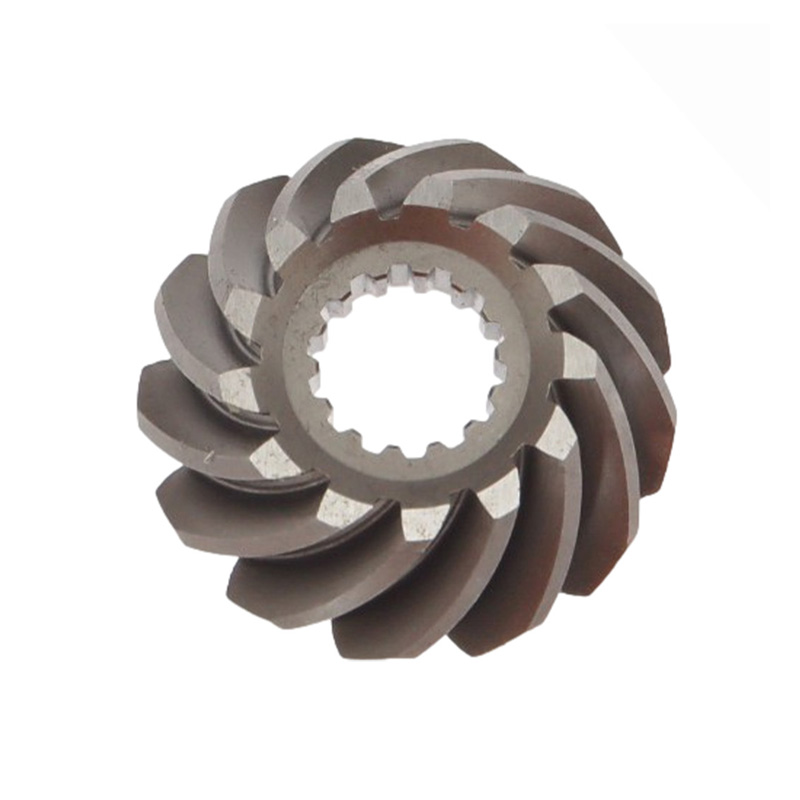
Outboard gears sit at the heart of the lower unit, transferring power from the driveshaft to the propeller under high load, variable torque, and harsh marine conditions. In real-world projects, gear failure often appears first as abnormal noise, vibration, hard shifting, and reduced top speed, followed by visible pitting or broken teeth once the gearbox is opened. For fleets, charter boats, or commercial users, repeated standard-gear replacements can significantly increase lifetime operating cost and downtime, making gear selection a strategic decision rather than a simple spare parts purchase. [chinese.alibaba]
Standard outboard gears are off-the-shelf parts produced according to OEM or common replacement specifications, usually with fixed tooth geometry, materials, and surface treatments. They are widely available through distributors and B2B marketplaces, making them attractive for fast, low-friction replacement when you simply need to get the boat back on the water. [chinese.alibaba]
Custom outboard gears, by contrast, are engineered to match or improve on OEM specifications for a specific outboard model, torque profile, and operating condition (load, RPM, water type, duty cycle). A mature supplier with decades of marine transmission experience can tweak gear module, pressure angle, case depth, and grinding profile to achieve better engagement, smoother running, and longer fatigue life in real marine applications. [chinese.alibaba]
| Factor | Custom Outboard Gears | Standard Gears |
|---|---|---|
| Fit and geometry | Optimized to specific model, can correct OEM weaknesses and wear patterns | Generic or OEM-like, designed for broad compatibility |
| Material & heat treatment | Tuned for torque, load spectrum, corrosion environment (salt, brackish, freshwater) | Conventional grades and treatments for "average" conditions |
| Noise & vibration | Profile modification and grinding for smoother meshing and quieter running | Acceptable NVH for typical recreational use |
| Durability & life | Higher fatigue life under heavy or continuous duty when correctly specified | Good life under normal weekend or light-duty use |
| Lead time | Longer (engineering + production), but can be stock-based for common models | Shortest; often in stock or quickly available |
| Cost structure | Higher unit price, lower long-term cost per operating hour | Lower unit price, possibly higher total cost if failures repeat |
This type of structured comparison helps both search engines and users quickly understand when to choose custom outboard gears vs standard gears for specific replacement projects. [bilibili]
From an industry perspective, custom outboard gears are rarely about "luxury"; they are about risk management and lifecycle economics. Based on common failure modes and field feedback, custom solutions are most valuable when:
1. Engines run long hours at high load
Commercial fishing boats, patrol vessels, and workboats often operate at high load factors and long daily hours, which pushes standard gears to their fatigue limits. [chinese.alibaba]
2. There is a known OEM weakness
Certain models have recurring issues such as premature pitting, tooth chipping, or noise at specific RPM ranges; a custom redesign can build in stronger root fillets, better contact pattern, or deeper case hardening to address this. [pdf.dfcfw]
3. Operating conditions are harsh
Heavy debris, frequent sand ingestion, or aggressive maneuvering (e.g., water sports, rescue operations) cause shock loads that custom gears can mitigate with revised tooth geometry and improved core toughness. [pdf.dfcfw]
4. Downtime is extremely expensive
For fleet operators, the cost of a single day off the water can exceed the price difference between standard and custom gears, making reliability the primary KPI. [pdf.dfcfw]
When these conditions apply, long-term users often see fewer breakdowns, lower labor cost, and more predictable maintenance intervals with custom-engineered gears. [pdf.dfcfw]
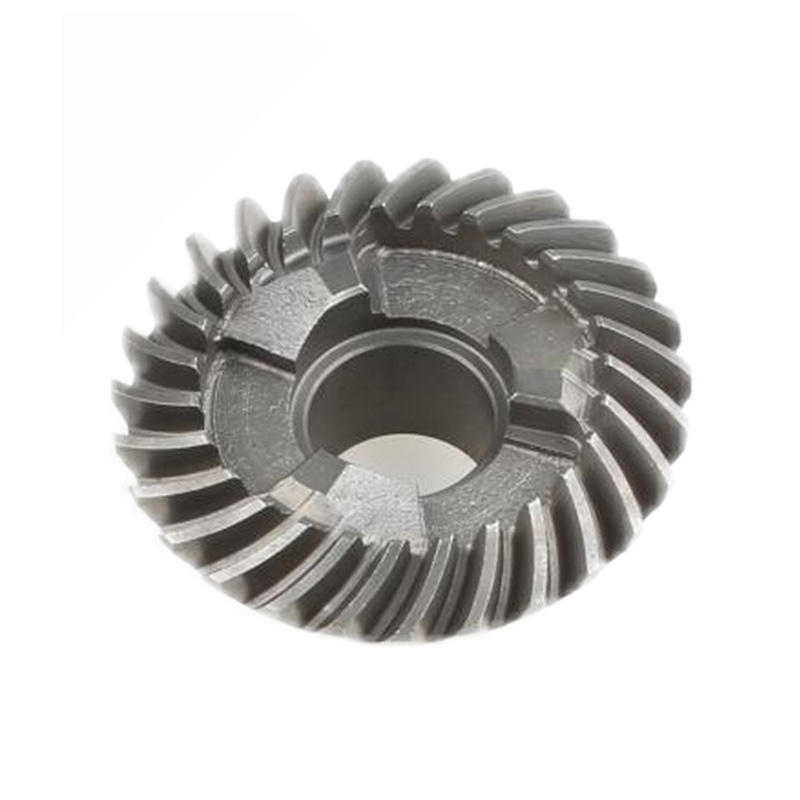
Standard outboard gears remain a smart, pragmatic solution for many replacement projects, especially where:
- The engine sees light, occasional recreational use with modest annual hours.
- The owner's priority is minimal upfront cost and same-day repair.
- There is no history of repeated gear failure or suspicious noise patterns.
- The boat is nearing the end of its expected life or may be sold soon.
In these scenarios, standard gears offer excellent value and convenience, and a well-made standard replacement from a reputable supplier will perform reliably when installed correctly and lubricated with the right marine gear oil. From a UX perspective, it is important to emphasize that choosing standard gears is not "wrong"—it is about matching the part to the project's risk profile and budget. [bilibili]
An experienced transmission manufacturer can use profile modification, crowning, and lead corrections to control how the gear teeth share load across the face width and under different shaft deflections. Custom outboard gears may therefore: [pdf.dfcfw]
- Reduce edge loading and contact stress.
- Improve tooth contact ratio to smooth power transfer.
- Limit micro‑pitting in mixed lubrication conditions.
Standard gears, especially lower-cost replacements, typically follow baseline OEM geometry without extra optimization, which is fine for moderate loads but can show weaknesses under shock or continuous high-torque use. [chinese.alibaba]
Custom gears for demanding marine applications often combine:
- Alloy steels selected for a specific balance of hard surface and tough core.
- Carburizing or nitriding to achieve wear-resistant surfaces with fatigue-resistant subsurfaces.
- Controlled quench and tempering cycles to reduce distortion and residual stress. [pdf.dfcfw]
Standard gears may use general-purpose alloy or carbon steels with standardized treatments optimized for cost and throughput rather than extreme duty performance. For most small recreational outboards, this is sufficient, but fleet or heavy‑duty engines benefit from tailored metallurgy. [pdf.dfcfw]
A small workboat fleet running outboards at high load in tidal currents faces repeated failures of standard replacement gears every 12–18 months. After switching to custom outboard gears with:
- Stronger tooth root fillets.
- Deeper and more uniform case hardening.
- Tighter control of surface finish and profile.
The average gear life extends beyond three seasons, and unplanned gearbox failures significantly decline. This type of lifecycle improvement is typical when custom design is targeted at actual failure modes rather than theoretical ratings. [pdf.dfcfw]
A charter operator uses mid‑power outboards for weekend trips and short tours. For them, reliable availability and quick turnaround matter more than incremental life extension, because the duty cycle is moderate. They stock standard gears from a trusted supplier, keeping downtime low and parts cost predictable. In this context, standard gears fully match the business model and user expectations. [chinese.alibaba]
From a UX standpoint, giving buyers a simple decision checklist is more helpful than an overload of specifications. You can guide users through three steps:
1. Clarify your duty cycle
- Light: Weekend leisure, low annual hours.
- Medium: Frequent use, mixed loads.
- Heavy: Commercial, patrol, or charter with long daily hours.
2. Review your failure history
- No major failures: Standard gears likely sufficient.
- Repeated gear or bearing failures: Consider custom engineering.
3. Quantify downtime cost
- If losing a day on the water costs more than the upgrade to custom gears, custom is typically justified.
Embedding this decision path in your article improves conversion and aligns with helpful content guidelines, as readers can self‑diagnose and select between custom outboard gears vs standard gears based on their real situation. [bilibili]
For a company with nearly three decades of expertise in marine transmission parts and outboard gears, the biggest value to buyers is not only product availability but the ability to interpret failure patterns and redesign accordingly. A mature plant typically has: [pdf.dfcfw]
- Controlled processes for gear cutting, grinding, and heat treatment, which reduce variability and ensure consistent quality batch after batch. [pdf.dfcfw]
- Application engineers who understand torque, RPM, propeller selection, and hull type, and can recommend whether custom or standard gears fit best. [pdf.dfcfw]
- Experience across multiple OEM platforms, enabling equivalent or improved replacement options that keep older engines running reliably. [chinese.alibaba]
The value of custom outboard gears vs standard gears only appears fully when installation and maintenance are handled correctly. Best practices include:
- Precise backlash setting and contact pattern verification during assembly.
- Proper bearing preload to avoid misalignment and premature pitting.
- Using manufacturer-recommended marine gear oil, especially in high-load or high‑temperature environments. [chinese.alibaba]
For custom gears, suppliers may provide specific break‑in instructions—for example, avoiding extended full‑throttle runs during the first few operating hours to allow surfaces to mate optimally. For standard gears, following OEM service intervals and inspections is usually sufficient, but regularly checking oil condition (color, metal particles, water ingress) can prevent catastrophic failures in both types. [chinese.alibaba]
If your project involves critical engines, repeated gear failures, or demanding duty cycles, relying on generic parts alone is a risk. A specialized manufacturer with decades of outboard gear experience can help you:
- Analyze your existing failure modes.
- Decide when standard gears are enough and when custom design is justified.
- Develop a tailored supply strategy for your key outboard models.
For upcoming replacement projects, consider sharing your engine model, operating profile, and failure history with a trusted gear partner, and request a side‑by‑side proposal for custom outboard gears vs standard gears. This approach turns gear replacement from a reactive cost into a proactive reliability investment. [chinese.alibaba]
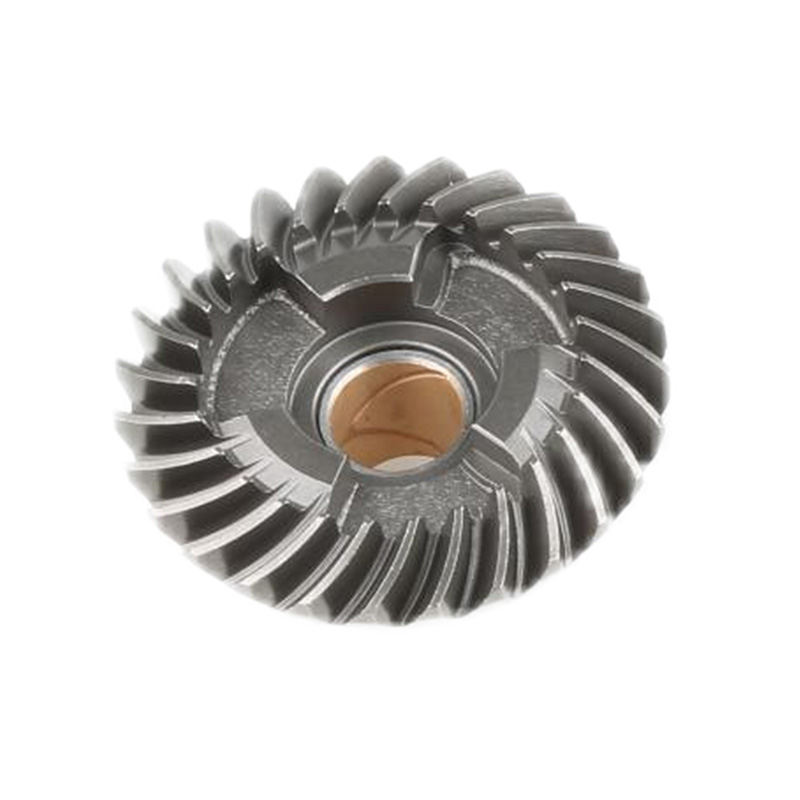
1. Are custom outboard gears always better than standard gears?
No. Custom gears offer better performance and durability when correctly specified for heavy or critical duty, but standard gears are cost‑effective and sufficient for many light‑ and medium‑duty applications. [chinese.alibaba]
2. Will custom gears void my engine warranty?
This depends on your engine manufacturer's policy and local regulations. In many cases, using equivalent-spec aftermarket or custom gears does not automatically void a warranty, but you should check terms carefully. [chinese.alibaba]
3. How much longer do custom gears typically last?
There is no universal figure, but in demanding applications, properly engineered custom gears commonly achieve significantly longer service life than standard replacements by addressing specific failure causes. [pdf.dfcfw]
4. Can I retrofit custom gears into an older outboard model?
Yes. As long as the custom gears are designed to match your gearbox layout, shaft interfaces, and bearing configuration, retrofitting is usually straightforward for an experienced marine technician. [chinese.alibaba]
5. What data should I provide when requesting custom outboard gears?
You should share your outboard model and power rating, operating hours and duty cycle, typical load and environment (salt/freshwater), previous failure symptoms, and any photos or measurements from damaged parts. [pdf.dfcfw]
1. Guangming Online – Industry coverage on precision transmission and lightweight high‑performance gear applications, including marine and robotics sectors. https://m.gmw.cn/2026-01/08/content_1304295543.htm
2. Dongfang Wealth – Bearing and transmission industry market structure and technical evolution report (PDF). https://pdf.dfcfw.com/pdf/H3_AP202108021507544061_1.pdf
3. Dongfang Wealth – Industrial transmission component manufacturer analysis and growth outlook (PDF). https://pdf.dfcfw.com/pdf/H3_AP202312221614818117_1.pdf
4. Alibaba – Example listing of outboard motor parts and shafts for marine engines, illustrating standard replacement component specifications and usage scenarios. https://chinese.alibaba.com/product-detail/Outboard-Motor-Parts-accessories-shaft-DIY-11000007998077.html
5. Bilibili Read – Article on B2B auto drivetrain component SEO and content strategies, including keyword planning and E‑E‑A‑T‑aligned positioning for technical parts. https://www.bilibili.com/read/cv34073041/


