


close
Choose Your Site
Global
Social Media
Views: 242 Author: Gill Transmission Parts Publish Time: 2026-06-28 Origin: Site


Content Menu
● Understanding Outboard Engine Crankshafts
● Forged vs Cast: Core Manufacturing Difference
● Mechanical Strength and Fatigue Performance
● Weight, Balance and Vibration Behavior
● Cost, Availability and Lifecycle Economics
● Corrosion Resistance and Marine Environment Durability
● Design Flexibility and Advanced Casting Technologies
● Practical Selection Guide for Outboard Applications
● Expert Insight: Risk Management for Marine Fleets
● Maintenance and Inspection Considerations
● Conclusion: Choosing the Right Crankshaft for Your Outboard Engine
● FAQs
Forged crankshafts and cast crankshafts both play critical roles in outboard engines, but they deliver very different performance, durability and lifecycle cost profiles, especially in demanding marine environments. [colorfulparts]
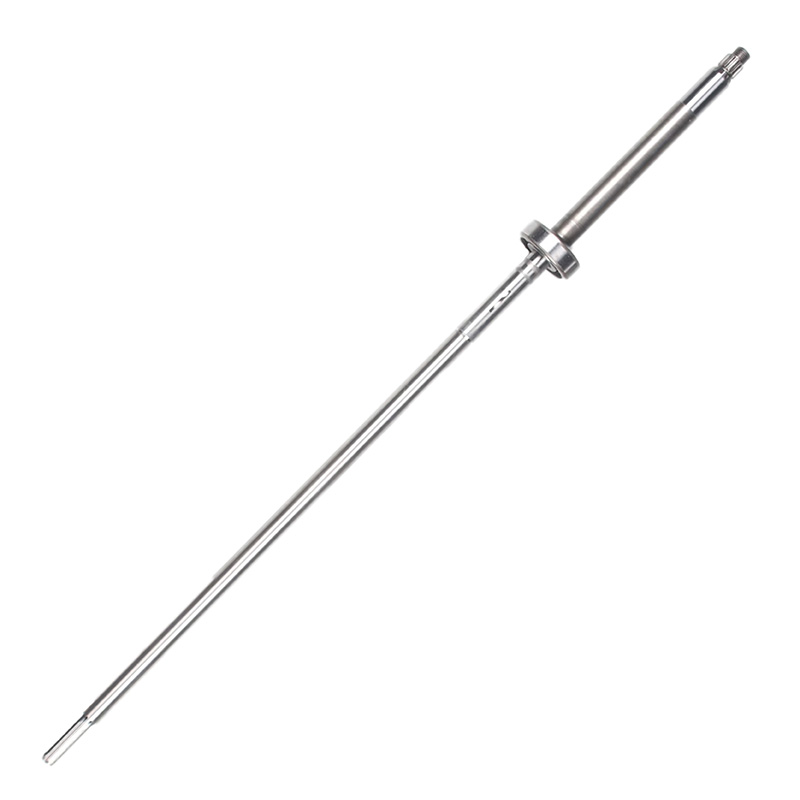
A crankshaft is the mechanical heart of the outboard engine, converting linear piston motion into rotational power that drives the propeller. In marine applications, crankshafts must endure cyclic bending, torsional vibration, corrosion and shock loads over thousands of operating hours. For coastal fishing boats, commercial workboats and high‑performance outboards, crankshaft failure can mean immediate loss of propulsion and costly downtime. [muckymariners]
From an engineering standpoint, material choice and manufacturing process determine whether a crankshaft can withstand fatigue, creep, misalignment and vibration without cracking or deforming. This is where the distinction between forged crankshafts and cast crankshafts becomes crucial for outboard engine builders and fleet operators. [energy]
The primary difference between forged and cast crankshafts lies in how the steel is formed and how its internal grain structure is controlled. [colorfulparts]
- Forged crankshafts are produced by deforming heated steel under high pressure, forcing the grain flow to follow the geometry of journals and webs. This continuous grain flow improves resistance to fatigue and creep loads and delivers higher strength for the same cross‑section. [muckymariners]
- Cast crankshafts are created by pouring molten steel or iron into a mold where it solidifies into the final shape, followed by machining. Casting allows complex geometries and lower cost per part, but the microstructure can be more prone to porosity, inclusions and local weakness, unless advanced casting and heat treatment technologies are applied. [energy]
For marine outboards, these process differences translate into real‑world trade‑offs between strength, weight, cost and reliability under saltwater and high‑load operating conditions. [noah-marineservices]
From an industry engineer's perspective, fatigue strength is the first metric considered when choosing between forged and cast crankshafts for outboard engines. [muckymariners]
- Studies on forged components for heavy engines indicate that forged crankshafts can withstand forces up to around 30% higher than standard cast variants, thanks to controlled grain flow and reduced stress concentrators. [colorfulparts]
- Forged crankshafts in slow‑speed and medium‑speed marine diesel engines are often made from plain carbon or alloy steel with carefully aligned grains, specifically to resist long‑term cyclic loads. [muckymariners]
- Cast crankshafts, particularly when produced with older methods, may exhibit lower fatigue resistance, making them more suitable for moderate load, non‑racing and general‑duty engines where peak stress levels are controlled. [energy]
For high‑output outboards, aggressive acceleration, frequent load changes and rough sea states significantly increase torsional vibration and bending loads. In this environment, forged crankshafts generally provide a safer margin against unexpected overloads and fatigue cracking. [noah-marineservices]
Outboard engines require precise rotational balance to reduce vibration transmitted to the hull, steering system and onboard electronics. [noah-marineservices]
- Forged crankshafts allow thinner webs and optimized fillets because of their higher intrinsic strength, reducing overall weight without compromising stiffness. This can improve throttle response and reduce rotational inertia in high‑performance outboards. [colorfulparts]
- Semi‑built and fully forged designs often include bored crank pins and optimized cross‑sections to cut dead weight, while maintaining continuous grain flow. [muckymariners]
- Cast crankshafts can be cast close to net shape, which is economical, but to achieve sufficient strength they often require larger sections and additional material, increasing weight and potentially amplifying vibration forces. [energy]
For operators concerned with smooth running at cruising RPM and reduced driver fatigue, forged crankshafts typically offer more consistent dynamic behavior over the engine's lifecycle. [colorfulparts]
From a purchasing and fleet management perspective, cost is the most visible trade‑off between forged and cast crankshafts. [made-in-china]
- Industry pricing comparisons indicate that forged crankshafts can be priced roughly 40% higher than cast alternatives, reflecting the additional forging, machining and quality control steps. [energy]
- Cast crankshafts are widely available from global marine engine crankshaft manufacturers, particularly in the aftermarket and OEM replacement markets, making them attractive for budget‑constrained applications. [made-in-china]
- However, when total cost of ownership is evaluated—including downtime, replacement frequency and potential collateral damage from failure—forged crankshafts often deliver better lifecycle economics in commercial and high‑duty fleets. [noah-marineservices]
For small recreational outboards with limited annual running hours, cast units can be acceptable. For professional operators, paying more upfront for forged crankshafts can reduce unscheduled failures and protect the vessel's earning capacity. [colorfulparts]
Marine crankshafts operate in corrosive saltwater atmospheres, with exposure to humidity, spray and temperature fluctuations. [noah-marineservices]
- Forged marine crankshafts commonly use higher‑grade alloy steels with protective surface treatments, improving resistance to pitting and corrosion fatigue. [muckymariners]
- Cast crankshafts may use different iron or steel grades; while surface coatings and proper lubrication can mitigate corrosion, pre‑existing casting defects can accelerate crack initiation under corrosive conditions. [energy]
- For large crosshead engines, continuous grain flow in forged throws helps prevent crack propagation at shrink fits and fillets, which is equally relevant to smaller outboard crankshafts designed with similar principles. [muckymariners]
In outboard engines frequently run in saltwater harbors and coastal routes, configuration choices that favor forged, high‑integrity crankshafts and robust surface protection deliver superior long‑term reliability. [noah-marineservices]
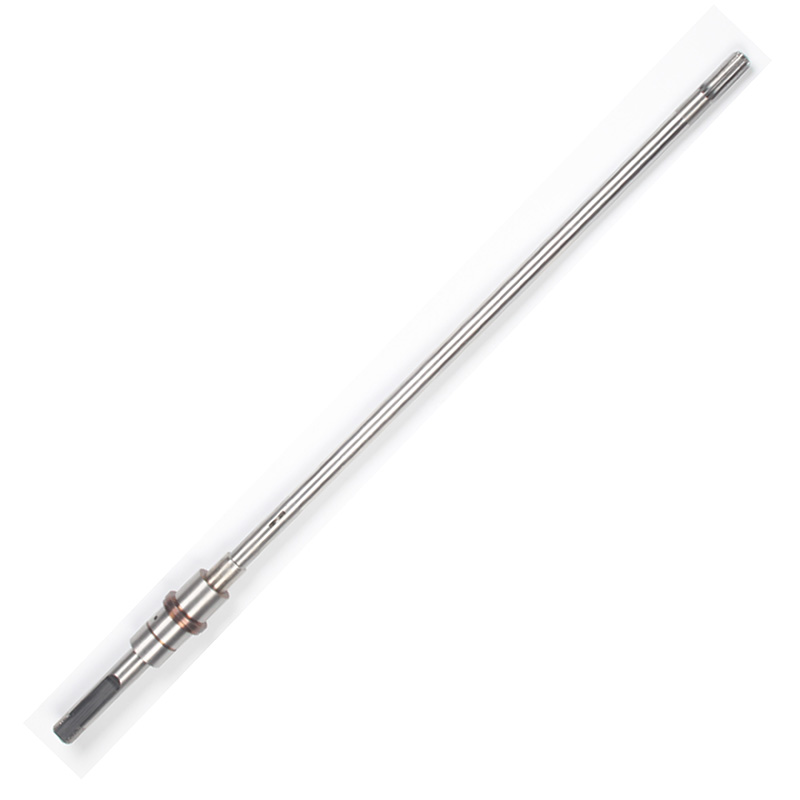
Modern casting technologies have narrowed the performance gap in some applications. [energy]
- Research on high‑performance cast crankshafts shows that with optimized alloys, melt control, and post‑casting heat treatment, cast designs can approach forged strength in certain load regimes. [energy]
- Casting provides significant geometric freedom, enabling complex oil galleries, counterweights and integrated features without extensive machining. [colorfulparts]
- For engine OEMs targeting cost‑optimized outboard lines, high‑performance cast crankshafts can be tuned for specific power levels and duty cycles, but they still require strict process control and inspection to ensure reliability. [energy]
From an industry expert viewpoint, casting is not inherently inferior, but the safety margin under extreme loads remains generally higher with forgings, especially when operators cannot fully control usage patterns and maintenance quality. [colorfulparts]
For outboard engine builders, distributors and fleet owners, the decision often comes down to intended use and risk tolerance. [noah-marineservices]
Forged crankshafts are recommended when: [muckymariners]
- Engines operate at high RPM and high load (e.g., performance fishing boats, patrol craft).
- Vessels see heavy commercial duty, long operating hours and minimal tolerance for downtime.
- There is a need for maximum fatigue resistance and long service life beyond standard warranty periods.
Cast crankshafts can be justified when: [colorfulparts]
- Outboards are used for light to moderate recreational duty with controlled hours per year.
- Budget constraints are strict and component cost is a primary decision factor.
- Engines operate within conservative power settings where peak stresses remain below critical fatigue limits.
In practice, many marine suppliers provide both options, allowing users to match crankshaft specification to engine rating, duty profile and budget envelope. [made-in-china]
Looking at recent market reports on large marine crankshafts, demand is driven by reliability and lifecycle cost reduction, particularly in commercial fleets operating internationally. Applied to outboard engines, this leads to several expert recommendations: [globalinforesearch.com]
1. Quantify annual engine hours and typical load levels before specifying forged or cast crankshafts. [noah-marineservices]
2. Prioritize forged crankshafts for engines that are critical to safety of navigation or revenue generation, such as pilot boats, patrol boats or workboats. [muckymariners]
3. For recreational fleets, consider high‑performance cast options only from suppliers with documented process control, metallurgical testing and traceability. [globalinforesearch.com]
4. Combine the crankshaft choice with proactive inspection routines for journals, fillets and shrink fits, in line with established marine engine inspection practices. [noah-marineservices]
This risk‑based approach aligns with both engineering best practice and modern fleet management strategies across the marine sector. [globalinforesearch.com]
| Aspect | Forged Crankshafts | Cast Crankshafts |
|---|---|---|
| Manufacturing process | Hot forging with controlled grain flow (colorfulparts) | Casting molten metal into molds (colorfulparts) |
| Strength and fatigue | Up to ~30% higher load capacity, superior fatigue resistance (colorfulparts) | Lower fatigue limits, more sensitive to defects (colorfulparts) |
| Weight and geometry | Thinner webs, bored pins for weight reduction (muckymariners) | Often require more material to achieve strength (colorfulparts) |
| Cost | Typically ~40% higher unit cost (colorfulparts) | More economical, widely available (colorfulparts) |
| Best use cases | High‑performance, high‑duty marine outboards (colorfulparts) | Recreational or cost‑sensitive applications (colorfulparts) |
Regardless of manufacturing route, marine crankshafts demand regular inspection and careful maintenance. [muckymariners]
- For semi‑built and forged designs, engineers pay close attention to shrink fits, fillets and grain flow continuity, marking witness points to monitor potential movement or cracking during crankcase inspections. [muckymariners]
- Welded and assembled crankshafts—used mainly in larger main engines—demonstrate how grain direction and joint quality can add 25–30% strength against creep and fatigue, an insight that informs design choices in smaller outboard crankshafts as well. [muckymariners]
- In practice, operators should combine proper lubrication, alignment of main bearings and vibration monitoring to prevent overload conditions that could accelerate failure in either forged or cast crankshafts. [noah-marineservices]
By integrating these routines, fleets can extend crankshaft service life and reduce catastrophic failure risk, independent of the selected manufacturing process. [noah-marineservices]
For outboard engines operating in real‑world marine conditions, the choice between forged and cast crankshafts is a strategic decision, not a simple cost comparison. Forged crankshafts deliver maximized strength, superior fatigue resistance and better vibration behavior, making them ideal where reliability is non‑negotiable. Cast crankshafts offer cost advantages and design flexibility, but require careful alignment of power level, duty cycle and process quality to achieve comparable durability. [colorfulparts]
For professional operators and engine builders, treating the crankshaft as an asset with long‑term financial and safety implications is the most robust way to make the right choice for each outboard engine platform. [globalinforesearch.com]
Q1: Are forged crankshafts always better than cast crankshafts for outboard engines?
Not always; forged crankshafts are generally stronger and better suited to high‑load, high‑RPM applications, while cast crankshafts can be appropriate for moderate duty if produced with advanced casting and heat treatment. [energy]
Q2: Why are forged crankshafts more expensive than cast crankshafts?
Forged crankshafts require higher‑energy forging processes, precision machining and stricter quality control, which increase production cost compared with casting molten metal into molds. [colorfulparts]
Q3: Can modern cast crankshafts match forged crankshafts in durability?
High‑performance cast crankshafts with optimized alloys, controlled solidification and tailored heat treatment can approach forged durability in certain applications, but typically still offer a smaller safety margin under extreme loads. [energy]
Q4: How does crankshaft choice affect vibration in outboard engines?
Forged crankshafts can use thinner webs and optimized fillets, reducing weight and enabling better dynamic balance, which helps limit vibration compared with heavier, more massive cast designs. [colorfulparts]
Q5: What maintenance practices are critical for crankshaft longevity in marine engines?
Regular inspection of journals and fillets, monitoring shrink fits and witness marks, ensuring correct main bearing alignment and maintaining lubrication and vibration control are crucial for extending crankshaft life. [noah-marineservices]
1. Colorful Parts – Pros and Cons of Forged vs Cast Crankshafts in Heavy Engines (2026) – https://www.colorfulparts.com/news/pros-and-cons-of-forged-vs-cast-crankshafts-in-heavy-engines.html
2. Mucky Mariners / Noah Marine Services – Crankshaft Construction – Engines – https://muckymariners.com/app/meo-class-4-subjects/function-4b-meol/engines/7-cranckshaft-crosshead/cranckshaft-crosshead-1-7-cranckshaft-construction/
3. U.S. Department of Energy – Development of High-Performance Cast Crankshafts – https://www.energy.gov/sites/prod/files/2016/06/f33/pm065_huff_2016_o_web.pdf
4. Global Info Research – Large Marine Crankshaft Global Market Report (2025) – https://www.globalinforesearch.com.cn/reports/2098727/large-marine-crankshaft
5. Made‑in‑China – Marine Engine Crankshaft Manufacturers & Suppliers – https://www.made-in-china.com/manufacturers/marine-engine-crankshaft.html
6. Noah Marine Services – Ship Engine Crankshafts – https://noah-marineservices.com/images/products/Marine-and-Big-ship-diesel-engine-crankshaft-parts-4-types-of-crankshafts.pdf


