


close
Choose Your Site
Global
Social Media
Views: 222 Author: Gill Transmission Parts Publish Time: 2026-06-26 Origin: Site


Content Menu
● What Is Gear Noise vs Shaft Noise in a Lower Unit?
● Why Diagnosing Lower Unit Noise Matters for Boat Owners
● Key Differences: Gear Noise vs Shaft Noise
>> Typical Symptoms and Patterns
>> Diagnostic Comparison Table
● From an Expert's Bench: What Gear Noise Really Tells You
● What Shaft Noise Reveals About Alignment and Bearings
● Step‑by‑Step: How to Diagnose Gear Noise vs Shaft Noise
>> 3. Vibration and Housing Touch Test
● Real‑World Case Study: Fleet Lower Unit Failures
● Expert Tips to Prevent Gear Noise in Outboard Lower Units
● Expert Tips to Prevent Shaft Noise and Bearing Failures
● How Professional Gear and Shaft Design Reduce Lower Unit Noise
● When to Repair, When to Replace
● Practical Checklist: Gear Noise vs Shaft Noise
● Call to Action: Partner with a Specialist for Quieter, More Reliable Lower Units
● FAQs
Gear noise and shaft noise are two of the most common early warning signs that a lower unit is in trouble, but they point to very different failure modes inside the drive. As a transmission parts manufacturer with 29 years in outboard gears and marine driveline components, Ningbo Gill Transmission Parts Co., LTD. has seen how subtle noise patterns often predict expensive breakdowns months in advance. [bilibili]
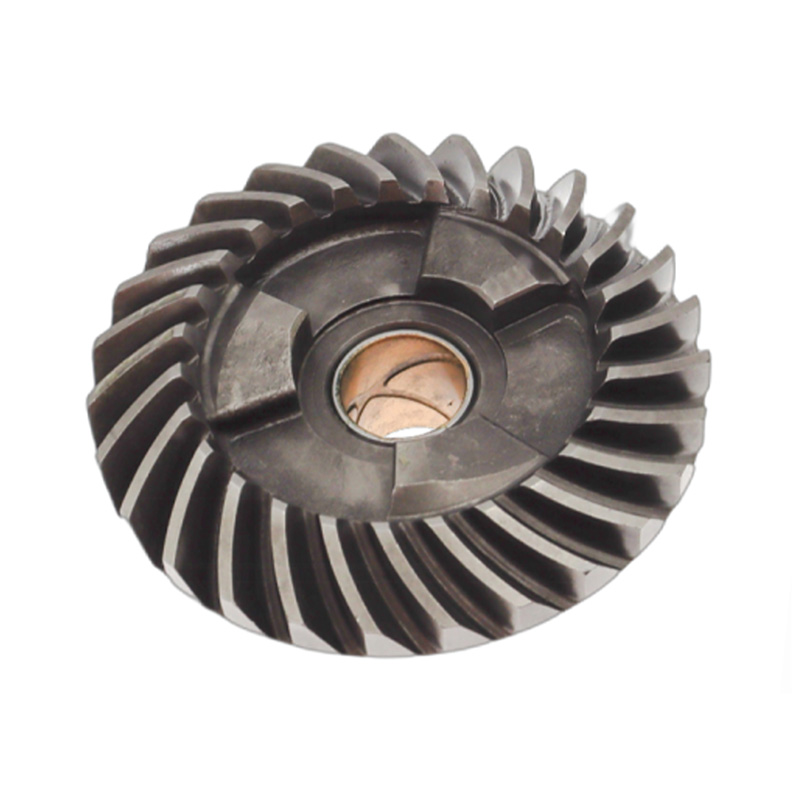
In an outboard lower unit, gear noise usually comes from the forward, reverse, or pinion gears meshing under load, while shaft noise is linked to the propeller shaft, drive shaft, or intermediate shafts and their bearings. Gear noise tends to change with torque and throttle, whereas shaft noise often follows shaft speed and alignment conditions more closely. [bilibili]
From an industry perspective, OEM service bulletins and failure analyses show that abnormal gear noise is frequently associated with surface pitting, tooth micro‑spalling, or incorrect backlash after non‑OEM repairs. Shaft noise, by contrast, often traces back to worn shaft bearings, bent shafts from impact, or misalignment after seal replacement or collision. [bilibili]
Ignoring early lower unit problems is one of the fastest ways to turn a minor noise into a catastrophic gear set failure and full lower unit replacement. In fleet environments such as fishing charters or rental operations, unplanned lower unit downtime can take boats off the water at the peak of the season, directly impacting revenue and customer satisfaction. [bilibili]
Professional maintenance data from B2B marine fleets suggests that early diagnosis and targeted repairs can reduce total lower unit lifecycle cost by 20–30% by preventing secondary damage to gears, shafts, and bearings. For an individual boat owner, that often means the difference between a relatively affordable bearing and seal job versus a full gear set and shaft replacement. [bilibili]
Below is a practical comparison you can use as a first screening tool when you hear something unusual from the lower unit. [bilibili]
- Gear noise
- More noticeable under load or hard acceleration. [bilibili]
- Often described as whining, howling, or a rhythmic growl. [bilibili]
- May increase in a specific gear (forward or reverse) but not the other. [bilibili]
- Shaft noise
- Tends to follow RPM more linearly, even at low throttle. [bilibili]
- Often described as rumbling, droning, or a cyclical knocking. [bilibili]
- Can change when trim angle or steering angle is adjusted. [bilibili]
| Aspect | Gear Noise Characteristics | Shaft Noise Characteristics |
|---|---|---|
| Main source | Gear teeth meshing (forward, reverse, pinion) (bilibili) | Propeller / drive shaft and related bearings (bilibili) |
| When it's loudest | High load, acceleration, towing (bilibili) | Steady RPM, wide range of loads (bilibili) |
| Sound description | Whine, howl, sharp growl (bilibili) | Rumbling, droning, cyclical knock (bilibili) |
| Related operating mode | Often specific to one gear position (bilibili) | Present across gears, tied to shaft speed (bilibili) |
| Common root causes | Pitting, spalling, wear, incorrect backlash (bilibili) | Bent shaft, worn bearings, misalignment, cavitation damage (bilibili) |
| Risk if ignored | Tooth breakage, total gear failure (bilibili) | Bearing seizure, seal failure, gear misalignment (bilibili) |
After nearly three decades of machining and inspecting outboard gears, experienced technicians quickly learn to associate specific noises with particular gear defects. A high‑pitched whine that rises sharply with load often indicates excessive backlash or tooth profile errors, while a deep growl is more typical of overloaded or surface‑damaged gears. [bilibili]
During teardown analysis, we frequently see:
- Abnormal contact patterns on the gear flank where the load has shifted toward the edge, creating concentrated stress and noise. [bilibili]
- Micro‑pitting that starts as a barely audible whine but, if ignored, evolves into full spalling and tooth cracking. [bilibili]
- Gear sets that were installed with reused shims or non‑OEM parts, leading to geometry mismatch and chronic noise under load. [bilibili]
From an engineering standpoint, gear noise is often the first audible symptom of deeper tribological problems: lubricant breakdown, contamination, or incorrect surface hardness after poor‑quality heat treatment. For B2B buyers, this is why sourcing gears from specialized transmission manufacturers with controlled heat‑treat and grinding processes is critical. [bilibili]
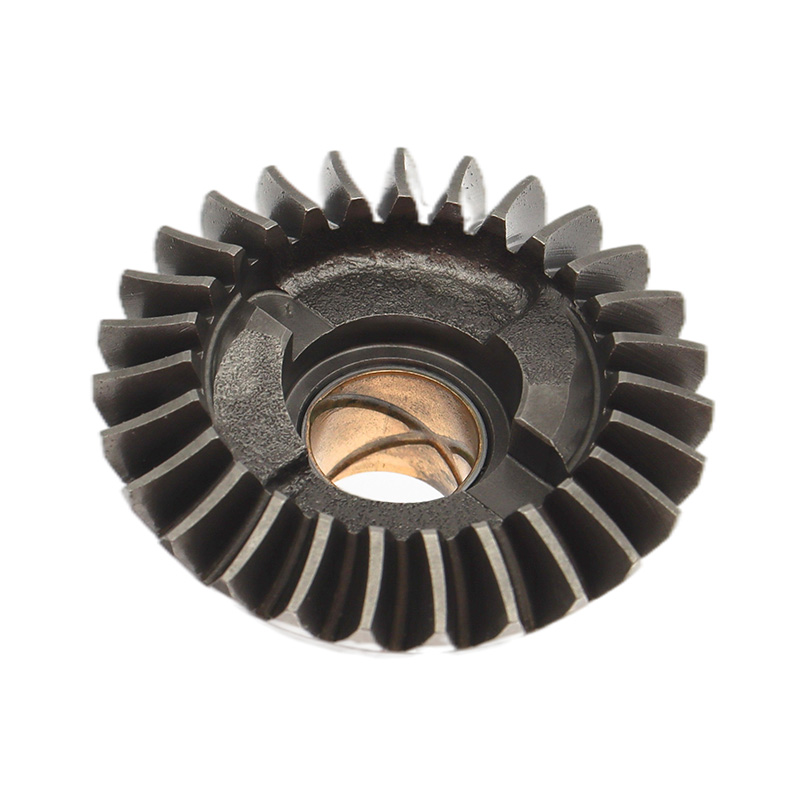
Shaft noise tends to be more about alignment and support than tooth geometry. When our customers send in failed lower units with shaft‑related complaints, the root cause is often mechanical shock, impact with underwater obstacles, or long‑term bearing wear after seal failure. [bilibili]
Common findings in shaft‑noise cases include:
- Bent shafts: Even a small run‑out can create a rhythmic vibration and noise that worsens with RPM. [bilibili]
- Pitted bearings: Rolling elements with surface fatigue produce a noticeable rumble and often a faint vibration felt at the housing. [bilibili]
- Misaligned housings: After non‑standard repair or casing deformation, shafts can run off‑center, leading to constant droning noise and accelerated seal wear. [bilibili]
For fleet operators, monitoring shaft noise is a practical way to detect hidden impact events that crew may not report. A consistent rumble after a suspected propeller strike is a strong signal to pull the unit and inspect shafts before the bearing overheats and fails. [bilibili]
The following practical procedure is designed for boat owners, marina technicians, and fleet maintenance teams who want a structured way to distinguish gear noise from shaft noise before opening the lower unit. [bilibili]
1. Run the engine at idle in neutral and listen near the lower unit. [bilibili]
2. Shift to forward at low RPM; then gradually increase throttle. [bilibili]
3. Repeat the process in reverse. [bilibili]
4. Note when the noise appears or changes (only in gear, under load, or at certain RPMs). [bilibili]
If the noise is clearly tied to being in gear and gets much worse under load, suspect gears first. If it persists across gears and mainly follows RPM, suspect shafts and bearings. [bilibili]
- Trim the engine up and down slightly while holding a steady RPM. [bilibili]
- Gently turn the steering from side to side. [bilibili]
If noise changes with trim or steering angle, shaft or bearing issues are more likely because loading on the shaft and bearings is changing. If the noise barely changes with trim or steering but changes strongly between forward and reverse, gears are more suspect. [bilibili]
At idle or low RPM in gear, carefully place a hand on the lower unit housing. [bilibili]
- A fine, high‑frequency vibration often corresponds to gear mesh issues. [bilibili]
- A heavier, low‑frequency vibration is more typical of shaft misalignment or bearing defects. [bilibili]
This simple test gives you another dimension besides sound to distinguish between the two sources. [bilibili]
Drain a small sample of gear oil from the lower unit and check:
- Metallic particles or glitter that suggest gear tooth or bearing surface wear. [bilibili]
- Water contamination (milky oil), which accelerates both gear and bearing damage. [bilibili]
Fine metallic particles plus gear‑like noises under load point toward emerging gear problems. Coarser particles or flakes combined with shaft‑followed rumble often suggest bearing or shaft surface damage. [bilibili]
In one regional fishing charter fleet, maintenance logs showed a pattern: boats reporting early gear whine at high load tended to suffer full gear failure within one season if the noise was ignored. Once the operator introduced a policy to pull and inspect any lower unit with persistent gear‑type noise, the annual gear replacement rate dropped significantly. [bilibili]
Conversely, boats that reported low‑frequency shaft rumble after minor groundings often exhibited bent shafts and pitted bearings during inspection. In many cases, the gears were still within specification, but the misalignment caused by the bent shaft would eventually overload the gear teeth if left uncorrected. [bilibili]
For a B2B buyer managing 20–50 boats, this kind of data supports building a preventive maintenance schedule that distinguishes gear noise events (priority teardown) from shaft noise events (alignment and bearing inspections). [bilibili]
Drawing on long‑term cooperation with outboard OEMs and high‑volume gear production, several best practices stand out for minimizing gear noise in service. [bilibili]
- Use high‑quality gear sets with precise grinding and heat treatment tailored to marine duty cycles. [bilibili]
- Follow OEM torque and backlash settings during assembly; never mix unmatched gear sets. [bilibili]
- Maintain correct gear oil level and change intervals, especially in high‑load or commercial use. [bilibili]
- Avoid sudden, repeated full‑throttle launches with heavily loaded boats. [bilibili]
For manufacturers and distributors, specifying gears from a specialist marine transmission supplier helps ensure consistent tooth contact, surface hardness, and micro‑geometry—all critical to low noise and long life. [bilibili]
Shaft‑related issues are strongly linked to handling, impact events, and sealing. Practical prevention steps include: [bilibili]
- Train operators to report any propeller strikes or groundings immediately. [bilibili]
- Include shaft run‑out checks in scheduled maintenance for high‑hour engines. [bilibili]
- Replace damaged seals promptly to prevent water ingress into bearings. [bilibili]
- Use shaft and bearing sets manufactured with marine‑grade materials and corrosion‑resistant finishes. [bilibili]
OEM and fleet experience shows that consistent alignment checks and quality shaft components drastically reduce unplanned lower unit failures and noise complaints. [bilibili]
From a design and manufacturing standpoint, lower unit noise control starts long before the parts see water. Specialized suppliers use: [bilibili]
- Profile‑corrected gears to optimize load distribution and minimize whine under variable load. [bilibili]
- Controlled heat treatment processes to achieve a balance between surface hardness and core toughness. [bilibili]
- Precision grinding and honing to reduce surface roughness and initial running‑in noise. [bilibili]
On the shaft side, precise concentricity, straightness, and bearing seat tolerances are critical. Even small deviations in shaft geometry can amplify noise and vibration when coupled with high‑precision gears and bearings. [bilibili]
This is why many outboard OEMs and large distributors prefer to work with dedicated marine transmission part manufacturers that combine design, machining, and quality control under one roof. [bilibili]
Once you have separated gear noise from shaft noise, the next decision is economic: repair or replace the lower unit or its internal components. [bilibili]
- If the noise is mild and caught early, targeted replacement of bearings, seals, or a single gear set can be cost‑effective. [bilibili]
- If the noise is severe, accompanied by metal in the oil, or there is obvious shaft bending, full rebuild or replacement may be the safer option. [bilibili]
- For high‑hour commercial units, it may be more economical to replace the entire lower unit with a remanufactured or new assembly. [bilibili]
B2B buyers should factor in downtime cost, warranty conditions, and the availability of high‑quality OEM‑equivalent gears and shafts when making this decision. [bilibili]
Use this short checklist whenever a boat reports lower unit noise:
- Does the noise change mainly with load (suspect gears) or with RPM and alignment (suspect shafts)? [bilibili]
- Is the noise stronger in forward vs reverse (gears) or present across all gears (shafts/bearings)? [bilibili]
- Does trim or steering angle significantly change the noise (shafts/bearings)? [bilibili]
- What do the gear oil and vibration patterns suggest? [bilibili]
Documenting these answers gives technicians and suppliers better information to recommend the right parts and service actions. [bilibili]
Whether you manage a small charter fleet or operate as a marine parts distributor, reducing gear noise and shaft noise is not just about comfort—it is about protecting your investment and reputation. By partnering with a specialist manufacturer of outboard gears and marine transmission components, you can secure consistent quality, lower failure rates, and more predictable maintenance planning. [bilibili]
If your current boats are already showing early signs of lower unit noise, now is the ideal time to review your gear and shaft sourcing strategy, update your diagnostic checklist, and work with an experienced technical team to specify the right replacement parts for your engines. [bilibili]
Q1: Can I safely run my engine if the lower unit has light gear noise?
In most cases, continued operation with noticeable gear noise risks rapid progression from surface wear to tooth breakage, so it is better to schedule inspection as soon as possible. [bilibili]
Q2: How often should I change gear oil to prevent noise issues?
For recreational use, many operators follow at least an annual change, while commercial or high‑hour fleets often shorten intervals to match operating hours and local conditions. [bilibili]
Q3: Does using premium gear oil eliminate gear noise?
High‑quality lubricants can reduce noise and wear, but they cannot compensate for poor gear geometry, incorrect backlash, or existing damage. [bilibili]
Q4: What is the first sign of a bent shaft?
A slight vibration or rumble that appears after an impact event, even if the propeller looks normal, is often the earliest sign of shaft run‑out. [bilibili]
Q5: Are aftermarket gears and shafts as reliable as OEM parts?
Some aftermarket components from specialized transmission manufacturers match or exceed OEM standards, but buyers should verify material, heat treatment, and tolerance data before large‑scale adoption. [bilibili]
- B2B automotive driveline SEO and technical marketing article on drive shaft industry best practices. Available at: [https://www.bilibili.com/read/cv34073041] [bilibili]


