


close
Choose Your Site
Global
Social Media
Views: 264 Author: Gill Transmission Parts Publish Time: 2026-10-17 Origin: Site


Content Menu
● Genuine Boat Engine Parts vs Replacement Parts: What Is the Difference?
>> Aftermarket Replacement Parts
● Genuine vs Aftermarket Marine Parts: Comparison Table
● Quality Comparison: What Matters Beyond the Brand?
>> Materials and Heat Treatment
>> Dimensional Accuracy and Surface Condition
>> Traceability and Accountability
● Comparing Outboard Gears, Crankshafts, Drive Shafts, and Propeller Shafts
>> Outboard Gears: Evaluate the Mesh, Not Just the Teeth
>> Crankshafts: Look Beyond Visible Condition
>> Drive Shafts: Check Every Connection
>> Propeller Shafts: Include the Seal-Running Area
● When Genuine Boat Engine Parts Are the Better Choice
● When Aftermarket Replacement Parts Make Sense
● Expert Insight: Compare Total Repair Cost, Not Unit Price
● A Six-Step Checklist for Buying Marine Replacement Parts
>> 1. Identify the Exact Application
>> 2. Confirm the Current Reference
>> 3. Define the Critical Requirements
>> 4. Request Proportionate Quality Evidence
>> 5. Confirm Commercial Protection
>> 6. Inspect Before Installation
● Warranty: Separate Part Coverage from Engine Coverage
● Choosing a Marine Transmission Parts Supplier
>> Are Genuine Boat Engine Parts Always Better?
>> Are Aftermarket Outboard Gears Reliable?
>> Can I Replace One Gear Without Replacing the Others?
>> How Do I Check Whether a Replacement Shaft Fits?
>> Will Replacement Parts Void My Engine Warranty?
>> What Should Marine Parts Distributors Request Before Ordering?
Choosing between genuine boat engine parts vs replacement parts is not simply a question of paying for a brand or saving money. For outboard gears, crankshafts, drive shafts, and propeller shafts, the real issues are compatibility, manufacturing quality, installation accuracy, and the consequences of failure.
At Ningbo Gill Transmission Parts Co., LTD., our focus on developing, manufacturing, and supplying marine transmission components draws on 29 years of professional experience. Our purchasing perspective is straightforward: evaluate the engineering behind a component, not just the packaging around it.
This guide explains where genuine parts offer advantages, when aftermarket alternatives deserve consideration, and what buyers should verify before placing an order.
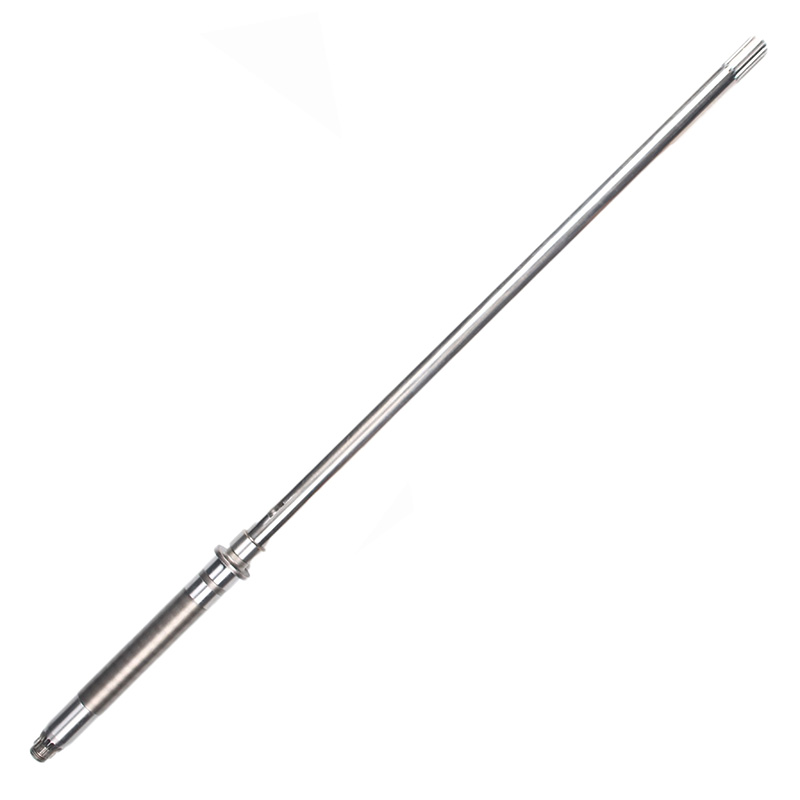
Genuine parts are sold under the engine manufacturer's brand through its authorized supply network. They are specified for particular applications and supported by the manufacturer's identification and distribution systems.
Their main advantage is a clear connection between the engine model, approved part number, and intended application. However, buyers must still check serial-number compatibility, superseded references, and installation requirements.
Genuine packaging does not eliminate the need for correct diagnosis or professional assembly.
Aftermarket replacement parts are supplied independently of the engine brand's genuine-parts network. Their specifications, testing, documentation, and warranty terms vary by manufacturer.
Importantly, "replacement parts" is a broad term. A genuine component installed during a repair is also a replacement part. For this comparison, replacement parts means independently supplied aftermarket alternatives.
Likewise, an "OEM-quality" description is a supplier's claim—not proof that the component comes from the original manufacturer or meets every original specification.
| Purchasing factor | Genuine boat engine parts | Aftermarket replacement parts |
|---|---|---|
| Application identification | Usually supported by brand-specific catalogs | Requires verification of cross-references and specifications |
| Manufacturing requirements | Defined within the engine brand's supply system | Depend on the individual manufacturer |
| Purchase price | Obtain a current authorized-channel quotation | May offer savings; compare equivalent specifications |
| Availability | Depends on dealer inventory and factory support | May provide additional sourcing options |
| Technical documentation | Often connected to manufacturer service information | Scope and accessibility vary |
| Warranty | Brand-specific terms and purchasing conditions | Supplier-specific terms and claim procedures |
| Best purchasing approach | Confirm identity, applicability, and coverage | Confirm identity, applicability, manufacturing evidence, and coverage |
Neither category guarantees a successful repair by itself. The better choice is the component with verified suitability for the application and acceptable commercial risk.
A dimensionally similar part is not necessarily mechanically equivalent.
For loaded gears and shafts, buyers should investigate:
- Material grade and applicable specification.
- Heat-treatment method and target properties.
- Surface and core hardness where relevant.
- Hardened-layer depth where specified.
- Inspection records linked to the supplied batch.
Hardness alone is not a complete quality measure. A component must also meet the application's requirements for toughness, fatigue resistance, dimensional stability, and surface condition.
Rather than requesting "the hardest possible gear," request evidence that the manufacturing route meets the intended specification.
Critical features include bearing seats, splines, journals, threads, shoulders, and seal-running surfaces.
SKF's technical guidance explains that shaft-seal performance depends on counterface condition, roughness, hardness, and machining directionality. A shaft can therefore match its nominal diameter yet still have an unsuitable sealing surface.
The practical lesson is simple: inspect functional interfaces, not just overall dimensions. Do not apply one generic roughness or hardness requirement to every shaft and seal combination.
Ask whether inspection documents identify the actual production batch.
A sample report with no connection to delivered goods provides less assurance than a traceable record. Also establish who will investigate a complaint and what evidence they will need.
Documentation does not replace physical inspection, but it makes quality claims easier to evaluate and disputes easier to resolve.
Outboard gears operate as an interacting assembly. Tooth geometry, gear positioning, bearing condition, backlash, and contact pattern all influence the result.
Suzuki service instructions illustrate why this matters: after certain lower-unit repairs or component replacements, shimming and checks of gear contact and backlash are necessary.
When sourcing aftermarket outboard gears, verify:
- Exact engine and gearcase application.
- Gear identification and relevant tooth geometry.
- Compatibility with mating components.
- Whether the service procedure requires replacement as a set.
- Required adjustment and inspection procedures.
Never substitute a generic backlash value for the specification covering the particular gearcase.
A crankshaft purchase requires more than confirming that the part resembles the original.
Ask for the applicable journal dimensions, geometric tolerances, surface requirements, and inspection scope. For used or remanufactured components, request details of previous repairs and acceptance criteria.
From a buyer's perspective, crankshafts deserve particular caution because a rejected or failed installation can involve substantial engine disassembly.
When essential specifications or application evidence are unavailable, the apparent purchase-price saving becomes difficult to justify.
For replacement outboard drive shafts, confirm overall length, spline configuration, bearing locations, and any model-specific interfaces.
Do not assume that equal horsepower means equal shaft compatibility. Use the engine identification and applicable parts information.
For workshops and distributors, a dimensional checklist helps prevent a visually similar shaft from entering stock under the wrong application reference.
Propeller shafts require attention to straightness, bearing seats, splines, threads, and sealing surfaces.
A supplier photograph may show the overall shape but reveal little about runout or surface texture.
Request application-specific inspection information. During a repair, investigate surrounding bearings, seals, and evidence of impact rather than treating the shaft as an isolated component.
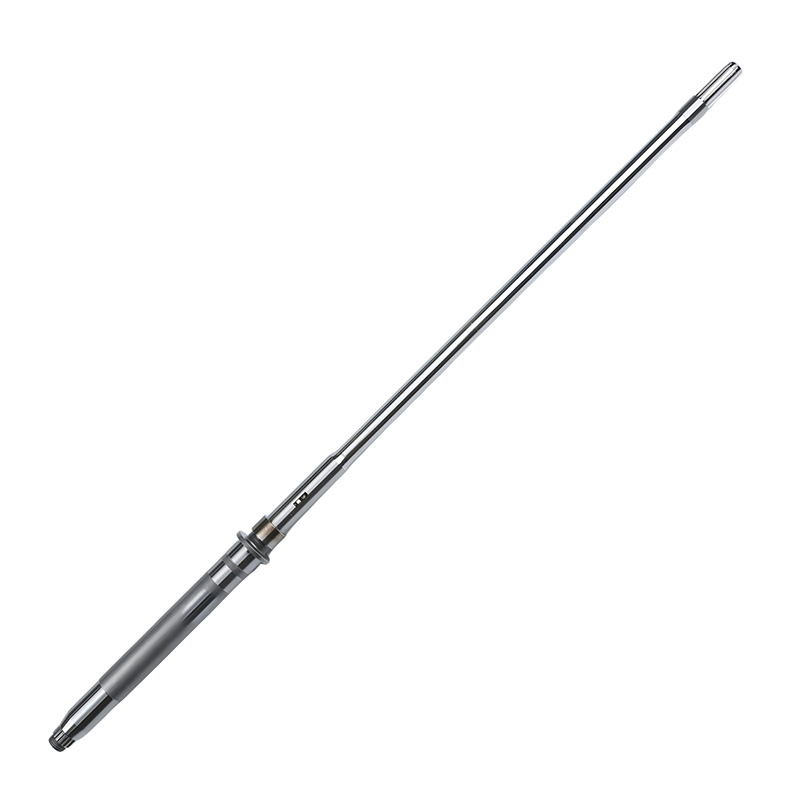
Genuine parts are often the more defensible choice when:
- The engine remains subject to an active warranty claim.
- The application has unclear part-number revisions.
- Independent technical documentation is insufficient.
- A mismatch would create expensive repeat labor.
- The buyer needs support through an authorized service network.
Their strongest practical advantage is often reduced uncertainty: identification, supply responsibility, and service information can be easier to connect.
That does not mean every genuine part is immediately available or every independent alternative is unsuitable. Compare the actual purchasing and support conditions.
Aftermarket marine engine parts deserve consideration when the supplier can demonstrate compatibility, manufacturing control, and responsive support.
They may be useful for out-of-warranty repairs, recurring workshop demand, or applications where another supply route improves procurement flexibility.
For distributors, repeatability matters as much as first-sample quality. Establish whether future batches will follow the same approved drawing, material requirements, and inspection plan.
An attractive sample is a starting point—not evidence of long-term consistency.
Avoid making a purchase solely because a listing says "fits," "premium," or "OEM equivalent." Ask what those descriptions mean in measurable terms.
The cheapest component is not always the least expensive repair.
A practical comparison includes:
> Total repair cost = part price + freight and import costs + installation and setup + associated components + downtime + potential rework exposure.
Consider an illustrative purchase:
| Cost item | Genuine option | Aftermarket option |
|---|---|---|
| Component price | $600 | $400 |
| Freight and handling | $40 | $60 |
| Installation and setup | $350 | $350 |
| Initial total | $990 | $810 |
The initial difference is $180, not the $200 suggested by component prices alone.
If either option requires additional verification, machining, or delayed installation, include those costs before deciding. These figures are hypothetical, not market averages or evidence of different failure rates.
For commercial operators, documented delivery commitments and repair support may matter more than a modest unit-price difference.
Record the engine model, serial number, relevant gearcase information, and existing part number. Include operating use and any known modifications.
Check whether the original number has been superseded. Ask the supplier to state the compatibility basis in writing.
For gears, identify the relevant geometry and assembly requirements. For shafts, identify functional dimensions, runout limits, and surface requirements from appropriate technical information.
Depending on the component and order size, request dimensional reports, material documentation, heat-treatment records, and relevant inspection results.
Agree on acceptance criteria before production or shipment.
Clarify warranty duration, exclusions, return authorization, freight responsibility, and whether labor or consequential losses are excluded.
Verify identification, packaging condition, visible damage, and critical dimensions. Have a qualified technician complete the model-specific setup and checks.
Keep purchasing and installation records together.
Two questions require separate answers:
1. What warranty covers the purchased replacement component?
2. Could the repair affect an existing engine-warranty claim?
Yamaha's published guidance shows that genuine-parts coverage can depend on purchasing channel, use category, and component type. It also identifies limits on costs beyond repairing or replacing the part.
In the United States, federal consumer-warranty guidance generally restricts certain requirements to buy specified branded products to retain coverage. However, this does not establish identical protection for every marine purchase, commercial transaction, country, or damage claim.
Read the applicable warranty and local rules. Avoid accepting either blanket claim: "aftermarket parts always void coverage" or "aftermarket parts can never affect a claim."
A capable supplier should help you establish what fits, what is being manufactured, and how conformity will be checked.
At Ningbo Gill Transmission Parts Co., LTD., our product focus includes outboard gears, crankshafts, drive shafts, and propeller shafts. For a useful sourcing discussion, provide:
- Engine model and serial number.
- Original part number and clear photographs.
- Drawings or critical dimensions, if available.
- Required quantity and delivery destination.
- Operating conditions and any failure history.
Contact our team to discuss application compatibility, available documentation, and quotation requirements. Confirm the offered inspection scope and commercial terms before ordering.
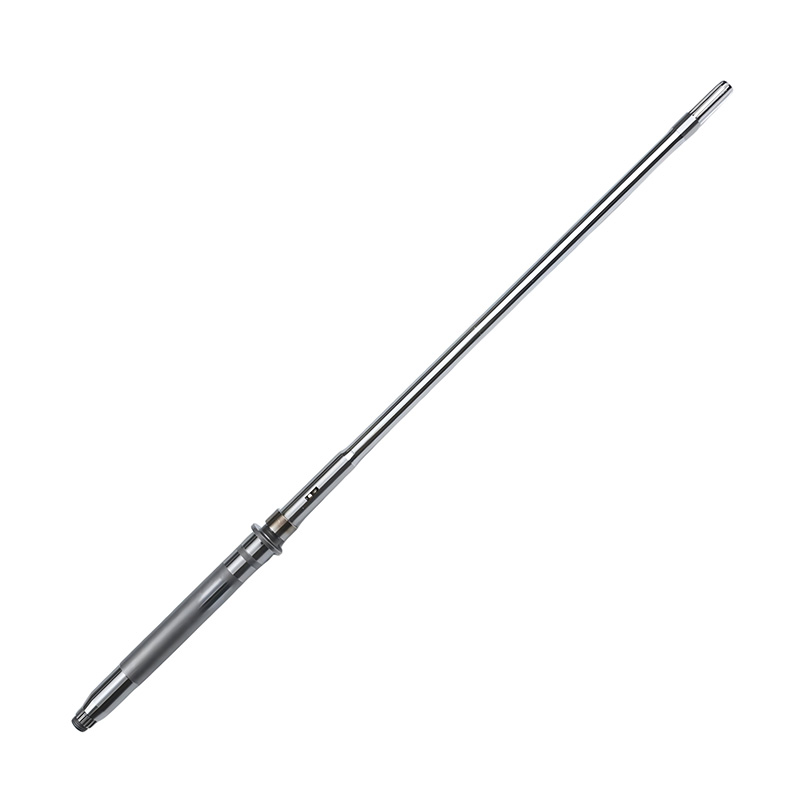
Not automatically for every purchasing situation. Genuine parts provide an established brand-specific sourcing route. An aftermarket alternative should be judged on documented compatibility, manufacturing evidence, and support—not price or appearance alone.
Reliability cannot be established from the aftermarket label. Evaluate the specific product, its manufacturing controls, mating-component compatibility, and the accuracy of installation and adjustment.
Follow the applicable service instructions. Inspect mating gears and determine whether a matched set is required. Do not assume that an undamaged-looking gear is automatically suitable for reuse.
Compare the application reference and functional dimensions, including length, splines, bearing seats, threads, and seal locations. Confirm specified runout and surface requirements before installation.
There is no universal answer covering every market and transaction. Applicable law, warranty terms, the component involved, and the cause of any damage all matter. Obtain written clarification for an active claim.
Request confirmed application references, agreed specifications, inspection scope, batch identification, lead times, and written warranty terms. For repeat orders, establish how production changes will be communicated.
1. Yamaha Outboards. "FAQs." Manufacturer guidance covering genuine replacement-part warranties, purchasing conditions, use categories, and exclusions. [yamahaoutboards]
2. Yamaha Boats. "Genuine Yamaha Parts Designed for Performance, Durability, and Peace of Mind." July 17, 2020. Manufacturer explanation of genuine-part specifications and authorized sourcing. [yamahaboats]
3. SKF. "Technical Specification — Radial Shaft Seals." Technical guidance on shaft counterface roughness, hardness, machining directionality, and surface condition. These are general seal-engineering principles, not universal outboard specifications. [skf]
4. Suzuki service-manual extract, hosted by Van's Outboard Parts. "Lower Unit Gears—Shimming and Adjustment," DF9.9 K5 documentation. Application-specific instructions illustrating gear-contact and backlash checks; not a substitute for another model's service manual. [vansoutboardparts]
5. Federal Trade Commission. "Businessperson's Guide to Federal Warranty Law." Guidance addressing U.S. consumer-warranty requirements and restrictions on certain tie-in sales provisions. [ftc]
6. Mercury Marine. "Owners Resources." Manufacturer resource for locating engine-specific operation, maintenance, and warranty information. [mercurymarine]


