


close
Choose Your Site
Global
Social Media
Views: 222 Author: Gill Transmission Parts Publish Time: 2026-06-21 Origin: Site


Content Menu
● What Are High-Speed Outboard Gears?
● What Are Heavy-Duty Marine Gears?
● High-Speed vs Heavy-Duty: Core Technical Differences
>> Design and performance comparison
● When High-Speed Outboard Gears Are the Better Choice
● When Heavy-Duty Marine Gears Are the Better Choice
● Real-World Selection: A Simple Decision Framework
● Expert Insight: How Material and Heat Treatment Impact Gear Life
● Case Example: Choosing Gears for a Coastal Workboat Fleet
● Practical Inspection Checklist Before You Decide
● How Ningbo Gill's 29-Year Experience Adds Value
● How to Work With a Gear Supplier to Specify the Right Set
● FAQs
High-speed outboard gears and heavy-duty marine gears serve very different missions on the water, and choosing the wrong one can hurt performance, reliability, and total cost of ownership. This guide uses both a boater's perspective and an industry engineer's view to help you decide which gear solution really fits your boat, engine, and operating profile. [alibaba]
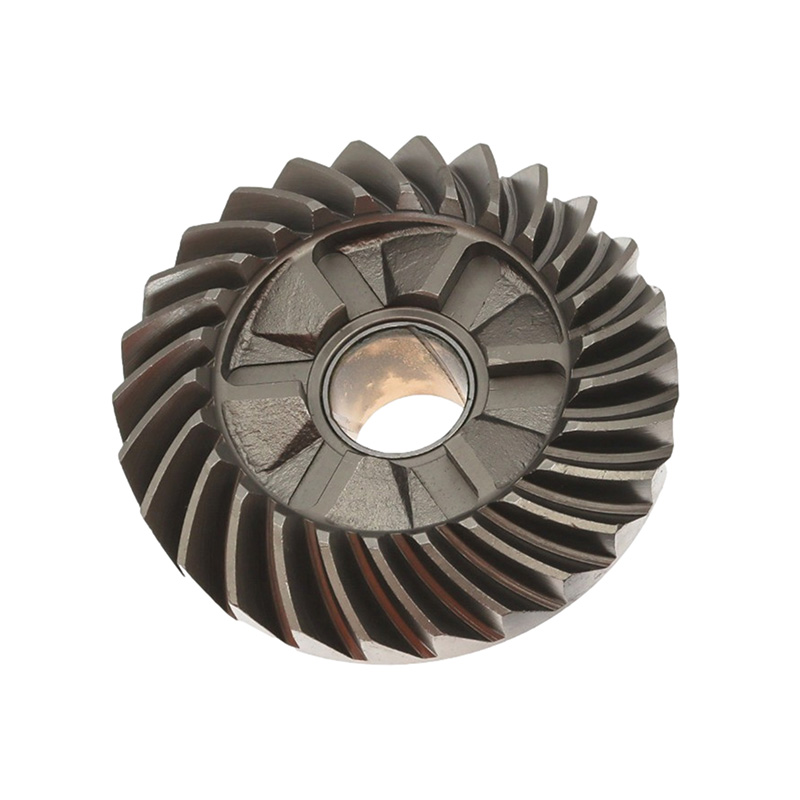
High-speed outboard gears are precision gear sets designed to work inside outboard lower units that run at relatively high propeller shaft rpm and frequent throttle changes. They emphasize low friction, smooth shifting, and efficient power transfer from the outboard crankshaft to the propeller. [alibaba]
Key design traits:
- Optimized tooth profiles for high rpm and rapid acceleration. [alibaba]
- Tight machining tolerances to reduce backlash and noise. [alibaba]
- Surface treatments (carburizing, nitriding, shot peening) to handle repeated load cycles. [alibaba]
- Typically paired with lighter outboard casings to keep total weight down. [alibaba]
In real use, these gears are common on recreational fishing boats, fast tenders, water-sports craft, and light commercial boats that run at planing speeds most of the time. [alibaba]
Heavy-duty marine gears are robust gear sets and gearboxes used in inboard or sterndrive systems and in large industrial-style outboards where continuous duty, heavy loads, and long operating hours are expected. They are engineered more like industrial transmissions than like lightweight sport components. [alibaba]
Typical characteristics:
- Larger gear modules and wider teeth for higher torque capacity. [alibaba]
- Stronger housings, often with reinforced ribbing and heavier bearings. [alibaba]
- Higher safety factors for shock loads from waves, towing, or emergency maneuvers. [alibaba]
- Often integrated with reduction gearboxes to drive large-diameter propellers at low speed. [alibaba]
You will find heavy-duty marine gears in workboats, patrol boats, small cargo and fishing vessels, and commercial ferries that operate for many hours per day and must prioritize uptime over speed. [alibaba]
From an engineering perspective, high-speed outboard gears and heavy-duty marine gears are optimized around different constraints: one around rpm and agility, the other around torque and endurance. [alibaba]
| Aspect | High-Speed Outboard Gears | Heavy-Duty Marine Gears |
|---|---|---|
| Typical rpm range | Higher propeller rpm for rapid acceleration and planing. (alibaba) | Lower propeller rpm with higher torque for displacement or semi-displacement hulls. (alibaba) |
| Load profile | Frequent speed changes and moderate shock loads. (alibaba) | Continuous high load, strong shock and towing loads. (alibaba) |
| Gear tooth design | Finer pitch, optimized for smooth, quiet running. (alibaba) | Larger tooth size and width to carry heavy torque. (alibaba) |
| Housing and bearings | Lightweight, compact housings and smaller bearings. (alibaba) | Reinforced housings, oversized bearings, and stronger shafts. (alibaba) |
| Primary goal | Efficiency, speed, and throttle response. (alibaba) | Reliability, durability, and uptime under harsh duty. (alibaba) |
| Typical applications | Sport, leisure, light commercial outboards. (alibaba) | Workboats, commercial fleets, industrial marine applications. (alibaba) |
For a boat owner, this means you should think first about how the boat is used—fast weekend runs vs daily heavy work—before you think about minor differences in gear ratios or tooth geometry. [alibaba]
From a practical standpoint, high-speed outboard gears shine whenever speed, responsiveness, and fuel efficiency at planing speeds matter more than brute pulling power. [alibaba]
You should lean toward high-speed outboard gears if:
- Your boat is a light to medium-weight planing hull.
- You frequently run at mid to high throttle for recreation or fast transfers.
- You care about fuel economy at cruising speeds and quick time-to-plane. [alibaba]
- Noise and vibration levels are key comfort factors for your passengers. [alibaba]
Typical use cases:
- Coastal and offshore fishing boats that cruise quickly between spots.
- RIBs and tenders used for hotel, marina, or yacht shuttles.
- Water-sports boats where acceleration and throttle response matter.
From an engineer's perspective, matching a well-designed high-speed outboard gear set with an appropriate propeller can deliver a noticeable improvement in mid-range fuel consumption and perceived engine smoothness compared to generic or mismatched gears. [alibaba]
Heavy-duty marine gears become the clear favorite when uptime, torque, and long service intervals are more important than light weight and peak speed. [alibaba]
Choose heavy-duty marine gears if:
- Your vessel runs many hours per day or operates in a commercial fleet. [alibaba]
- You carry heavy loads, tow equipment, or push against current regularly. [alibaba]
- You operate in rough conditions where propeller impact and shock loading are likely. [alibaba]
- Downtime due to gearbox failure would be very costly to your operation. [alibaba]
Common scenarios:
- Small cargo and supply vessels for ports or offshore sites.
- Commercial fishing boats that work in all weather conditions.
- Patrol, rescue, and support boats that must be ready 24/7.
From the point of view of a marine transmission specialist, the extra mass and cost of heavy-duty gear sets are justified by longer service life, predictable maintenance schedules, and significantly lower risk of catastrophic failure under harsh working loads. [alibaba]
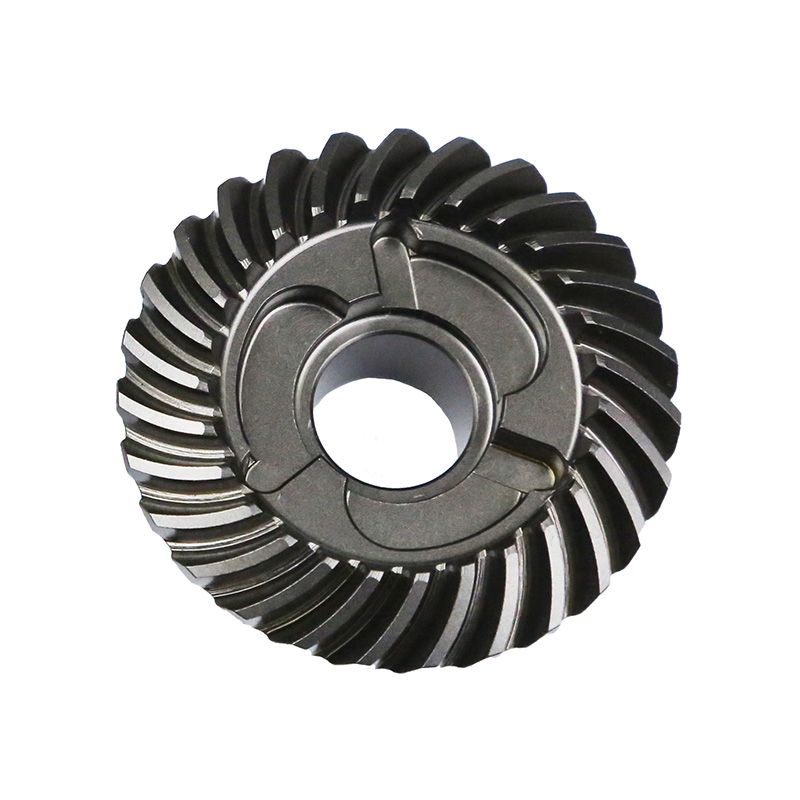
Boat owners and fleet managers often ask a straightforward question: "Which should I choose for my next refit or new build?" A practical framework combines four factors. [alibaba]
1. Duty cycle
- Occasional weekend use → usually high-speed outboard gears.
- Daily or multi-shift use → heavy-duty marine gears are safer. [alibaba]
2. Load and mission
- Light loads, passengers, and leisure gear → high-speed.
- Towing, cargo, and working equipment → heavy-duty. [alibaba]
3. Speed vs uptime
- If top speed and quick acceleration are priorities, higher-speed gear sets are ideal. [alibaba]
- If you value predictable uptime and low failure risk, heavy-duty designs win. [alibaba]
4. Lifecycle cost
- High-speed gears may be cheaper initially but require closer monitoring at high rpm. [alibaba]
- Heavy-duty gears cost more upfront but can reduce unplanned downtime and repair costs over the life of the vessel. [alibaba]
This simple framework mirrors the way marine OEMs and propulsion engineers evaluate gear options during vessel design and engine pairing. [alibaba]
Beyond "high-speed" or "heavy-duty," the material and heat treatment of marine gears often determine real-world lifespan. Leading marine suppliers use alloy steels that are precisely carburized or nitrided to produce a hard, wear-resistant surface with a tougher core. [alibaba]
Key technical points that matter to buyers:
- Surface hardness improves resistance to pitting and micro-pitting at high contact stresses. [alibaba]
- A tougher core helps gears survive shock loads from wave impact or debris. [alibaba]
- Controlled grinding and finishing reduce noise and vibration, especially at high rpm. [alibaba]
From an engineering standpoint, a well-treated gear set can deliver thousands of additional operating hours compared with untreated or poorly processed parts, even when gear geometry appears similar at first glance. [alibaba]
Consider a small coastal operator running 8–10 meter workboats that support a marine construction site. The boats carry tools and crew, push barges occasionally, and must keep schedules even in rough weather. [alibaba]
- Initial decision: Some operators fit high-speed outboard gears to prioritize faster transfers on good days.
- Observed results: Over time, frequent heavy loading and low-speed pushing lead to higher wear and shorter service intervals on these lighter gear sets. [alibaba]
- Optimized solution: Upgrading to heavy-duty marine gears, even at the cost of slightly reduced top speed, often cuts unscheduled downtime and improves overall reliability. [alibaba]
This kind of trade-off illustrates why a pure focus on "speed" without considering duty cycle can be misleading for commercial users. [alibaba]
Whether you are replacing gears in an existing outboard or specifying a new propulsion system, a short inspection and assessment process helps you make a better decision. [alibaba]
1. Review your logs
- Estimate average running hours per month and typical throttle settings. [alibaba]
2. Inspect wear patterns
- Look for pitting, scuffing, and abnormal tooth wear on current gears. [alibaba]
3. Check lubrication quality
- Drain and inspect gear oil for metal particles, discoloration, or water contamination. [alibaba]
4. Evaluate load profile
- Consider maximum cargo, towing tasks, and typical sea states where you operate. [alibaba]
5. Align with engine power
- Ensure gear design matches the rated horsepower and torque curve of your engine. [alibaba]
This kind of structured assessment mirrors what experienced marine technicians do before recommending a gear upgrade or change in specification. [alibaba]
Ningbo Gill Transmission Parts Co., LTD. brings nearly three decades of specialization in outboard gears and marine transmission parts, which translates directly into more reliable and better-matched gear solutions. Long-term focus on marine drive applications allows the engineering team to refine tooth geometry, heat treatment, and tolerances for both high-speed and heavy-duty use cases. [alibaba]
From a buyer's standpoint, this depth of experience provides:
- Better matching between gear design and specific outboard models and power ranges. [alibaba]
- Stable quality over long production runs, important for OEM and fleet customers. [alibaba]
- Technical support that can advise whether a high-speed or heavy-duty configuration suits your real operating profile. [alibaba]
For global OEMs and distributors, partnering with a specialized marine gear manufacturer in a mature industrial hub like Ningbo also means more consistent supply, scalable production, and easier integration into diversified product lines. [ningbo.made-in-china]
To get the most from either high-speed outboard gears or heavy-duty marine gears, you should treat specification as a technical collaboration rather than a simple catalog order. [alibaba]
When you contact a supplier, prepare:
- Engine brand, model, rated horsepower, and rpm range.
- Hull type, length, beam, and typical displacement.
- Operating profile (hours per day, duty cycle, average sea state).
- Any history of failures, abnormal wear, or gearbox noise.
An experienced engineering team can then propose optimized gear ratios, tooth profiles, and material treatments that fit your exact application, rather than offering a generic "one-size-fits-all" set. This approach is especially valuable for B2B buyers in OEM, shipyard, or fleet management roles who must standardize specifications across multiple vessels. [alibaba]
If your primary goal is speed, agility, and comfort on a light to medium planing boat, high-speed outboard gears are typically the right choice, provided they are correctly matched to your engine and propeller. If you operate a commercial or workboat fleet with heavy loads, long hours, and harsh conditions, heavy-duty marine gears will usually deliver better uptime and lower lifecycle cost. [alibaba]
To reduce risk and avoid mismatched components, the most effective next step is to share your vessel data and operating profile with a specialized marine gear manufacturer and request a tailored recommendation. By leveraging an experienced engineering team, you gain a configuration that aligns with your real-world usage rather than generic marketing claims. [alibaba]
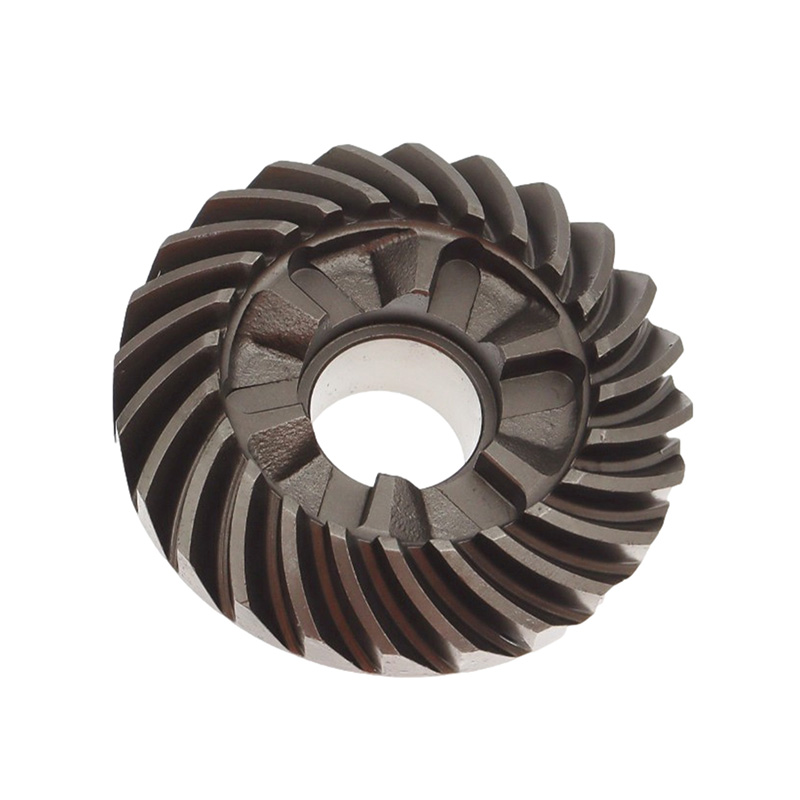
1. Are high-speed outboard gears less durable than heavy-duty marine gears?
High-speed outboard gears are not inherently less durable; they are designed for different load profiles and rpm ranges, and they perform very well when used within their intended operating envelope. [alibaba]
2. Can I upgrade from standard gears to heavy-duty marine gears on my existing boat?
In many cases, you can upgrade to heavier-duty gear sets or gearboxes, but compatibility with your engine, housing, and shafting must be confirmed by a qualified marine engineer or manufacturer. [alibaba]
3. How often should marine gears be inspected or serviced?
Inspection and oil changes should typically follow engine manufacturer schedules, but commercial or high-hour vessels often benefit from more frequent checks of oil condition and gear tooth wear. [alibaba]
4. Does gear ratio matter as much as gear strength?
Both are important: gear ratio must match hull and propeller characteristics for performance and fuel efficiency, while gear strength and material quality determine reliability and service life. [alibaba]
5. What information should I provide when requesting a gear quotation?
Provide engine details, hull data, operating hours, typical load, and any previous gearbox issues so that the supplier can recommend a properly rated high-speed or heavy-duty solution. [alibaba]
1. Alibaba.com – “An Overview of Ningbo Marine Gear Box: Standards, Grades, and Mechanical Performance.” https://www.alibaba.com/product-insights/ningbo-marine-gear-box.html
2. Made-in-China.com – “Ningbo Gear Manufacturers and Suppliers.” https://ningbo.made-in-china.com/suppliers/gear-23.html
3. Made-in-China.com – “Ningbo Gearbox Products.” https://ningbo.made-in-china.com/suppliers/gear-box-261.html
4. Industry product insights on alloy steel and heat treatment for marine gears. https://www.alibaba.com
5. General marine engineering and propulsion design notes on duty cycles and gearbox selection. https://www.alibaba.com/product-insights


