
Views: 208 Author: Gill Transmission Parts Publish Time: 2026-07-17 Origin: Site


Content Menu
● Why Greasing an RC Boat Shaft Matters
● Types of RC Boat Shafts and Their Lubrication Needs
>> 3. Marine-Grade Propeller Shafts (Industrial Insight)
● What Type of Grease Should You Use?
>> Avoid
● Step-by-Step: How to Grease an RC Boat Shaft
>> Step 5: Reassemble and Test
● How Often Should You Grease an RC Boat Shaft?
● Advanced Insight: Shaft Design and Lubrication Efficiency
>> Key Factors
● Real-World Case: Performance Improvement Through Proper Lubrication
● Signs Your RC Boat Shaft Needs Greasing
● Maintenance Checklist for Optimal Performance
● Why Professional-Grade Shafts Make a Difference
● FAQs
>> 1. Can I use oil instead of grease for my RC boat shaft?
>> 2. How do I know if I've applied too much grease?
>> 3. Is marine grease necessary for freshwater use?
>> 4. Can I grease the shaft without removing it?
>> 5. What happens if I don't grease my RC boat shaft?
How to grease an RC boat shaft is one of the most searched maintenance questions among hobbyists and marine component buyers—and for good reason. Proper shaft lubrication directly affects performance, lifespan, and reliability. Drawing on 29 years of marine transmission manufacturing expertise at Ningbo Gill Transmission Parts Co., LTD., this guide combines hands-on experience, industry insight, and real-world user feedback to deliver a comprehensive, expert-level resource.
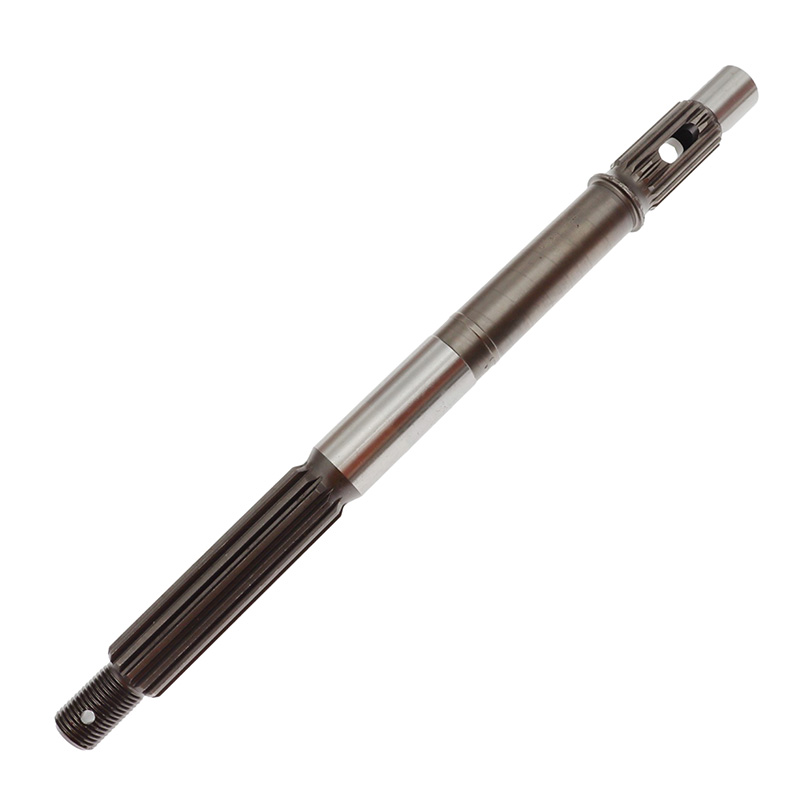
The drive shaft (or propeller shaft) is the critical link transferring power from the motor to the propeller. Without proper lubrication:
- Friction increases, reducing efficiency.
- Heat builds up, accelerating wear.
- Water intrusion occurs, leading to corrosion.
- Noise and vibration worsen, affecting performance.
From both hobbyist experience and industrial marine applications, consistent lubrication can extend shaft life by 2–5x and significantly improve propulsion efficiency.
Understanding shaft types helps determine the right greasing method.
Common in high-speed RC boats.
- Require frequent lubrication due to higher friction.
- Typically removed for greasing.
Used in scale models and lower-speed boats.
- Require less frequent maintenance.
- Often lubricated in-place.
From OEM/ODM manufacturing experience:
- Designed with precision tolerances.
- Use advanced sealing systems.
- Require high-performance marine grease for long-term durability.
Choosing the right grease is critical.
- Marine Waterproof Grease (Best overall)
- Lithium-Based Grease (General use)
- PTFE-Enhanced Grease (High performance)
- Light oils (they wash out quickly)
- Automotive grease not rated for water exposure
Expert Tip: In marine manufacturing, we prioritize water resistance, shear stability, and anti-corrosion properties when selecting lubricants for propeller shafts.
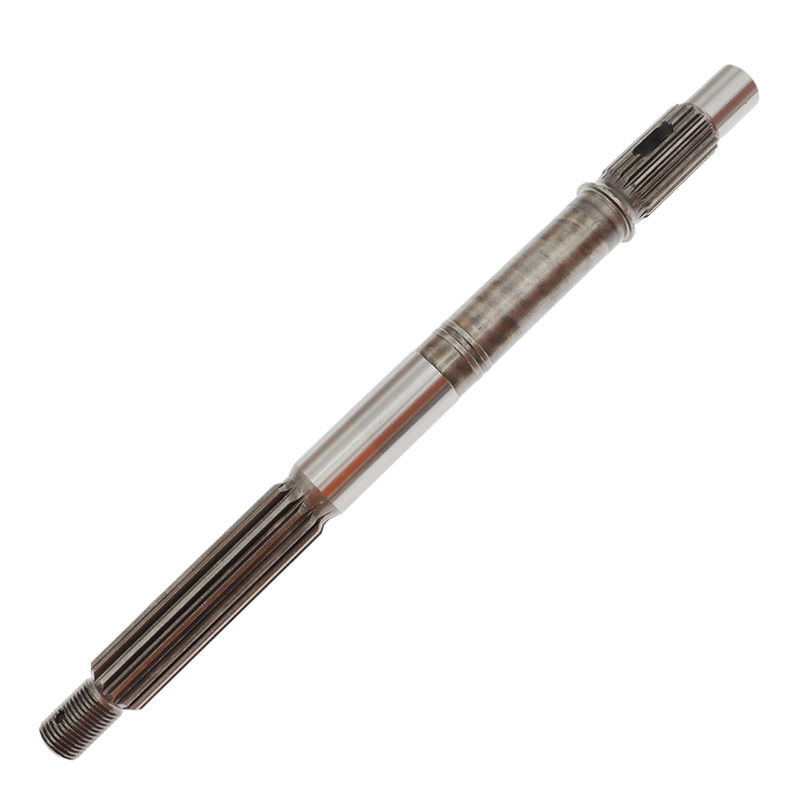
- Marine grease
- Paper towels or cloth
- Hex tools or screwdrivers
- Gloves (optional)
Carefully disassemble the shaft from the boat. For flexible shafts, gently pull it out.
Wipe off old grease and debris thoroughly.
User Insight: Many hobbyists report performance gains simply from removing old contaminated grease.
Coat the shaft evenly:
- Do not over-apply (can cause drag)
- Ensure full coverage, especially near bearings
Slide the shaft back slowly to avoid wiping off grease.
Run the boat briefly and check for:
- Smooth operation
- Reduced noise
- No overheating
Frequency depends on usage:
- High-speed racing boats: Every run or every 1–2 hours
- Recreational use: Every 3–5 runs
- Saltwater use: After every session
Industry Benchmark: In commercial marine systems, lubrication schedules are strictly maintained to prevent costly failures—this principle applies equally to RC systems.
- Over-greasing: Causes resistance and mess.
- Using wrong lubricant: Leads to corrosion.
- Skipping cleaning: Old grease reduces effectiveness.
- Ignoring seals: Damaged seals allow water ingress.
From a manufacturing perspective, shaft geometry and material selection directly influence lubrication performance.
- Surface finish: Smoother shafts retain grease better.
- Material: Stainless steel resists corrosion.
- Tolerance precision: Reduces vibration and wear.
At Ningbo Gill, we apply CNC precision machining and dynamic balancing techniques to ensure optimal shaft performance under marine conditions.
A hobbyist using a high-speed RC racing boat reported:
- 15% increase in runtime
- Noticeable reduction in motor temperature
- Extended shaft lifespan by over 6 months
After switching to marine-grade grease and adopting regular maintenance, performance stabilized significantly.
Watch for these indicators:
- Increased noise or grinding sounds
- Reduced speed or efficiency
- Shaft feels dry when removed
- Visible rust or discoloration
- Inspect shaft after every run
- Clean and re-grease regularly
- Check seals and bushings
- Store in dry conditions
Not all shafts are created equal. With nearly three decades of experience, Ningbo Gill Transmission Parts Co., LTD. emphasizes:
- Durability under high load
- Precision engineering
- Compatibility with marine environments
For B2B buyers and OEM partners, investing in high-quality shafts reduces maintenance costs and improves end-user satisfaction.
If you are sourcing high-performance drive shafts or propeller shafts for marine applications, partnering with an experienced manufacturer matters.
Contact Ningbo Gill Transmission Parts Co., LTD. today to explore OEM/ODM solutions tailored to your specifications. Whether for RC applications or full-scale marine systems, we deliver reliability you can trust.
No. Oil lacks the viscosity and water resistance needed, leading to rapid wear and potential damage.
If the shaft feels resistant or grease leaks excessively during operation, you likely over-applied.
While not strictly required, marine grease offers better protection and longer intervals between maintenance.
For solid shafts, sometimes yes—but removing it ensures thorough cleaning and better results.
You risk increased friction, overheating, corrosion, and eventual shaft failure.
1. BoatUS – Propeller Shaft Maintenance Expert Advice https://www.boatus.com/expert-advice/expert-advice-archive/2018/july/propeller-shaft-maintenance
2. RC Groups – Shaft Greasing Tips Forum Discussion https://www.rcgroups.com/forums/showthread.php?shaft-greasing-tips
3. West Marine – Selecting Marine Grease Advisor https://www.westmarine.com/WestAdvisor/Selecting-Marine-Grease
4. Machinery Lubrication – Grease Selection Guide https://www.machinerylubrication.com/Read/30093/grease-selection
5. Engineering ToolBox – Friction and Lubrication https://www.engineeringtoolbox.com/friction-lubrication-d_603.html


