


close
Choose Your Site
Global
Social Media
Views: 251 Author: Gill Transmission Parts Publish Time: 2026-07-01 Origin: Site


Content Menu
● Introduction: Why Accurate Shaft Measurement Matters
● Understanding Boat Motor Shaft Basics
>> What Is a Boat Motor Shaft?
● Key Reference Points When Measuring a Shaft
>> Transom Height vs. Shaft Length
● Tools You Need to Measure a Boat Motor Shaft
● Step‑by‑Step: How to Measure a Boat Motor Shaft
>> Step 1 – Secure and Align the Outboard
>> Step 2 – Identify the Top Reference Point
>> Step 3 – Identify the Lower Reference Point
>> Step 4 – Take the Vertical Measurement
● Typical Shaft Length Categories and Practical Implications
● Common Measurement Mistakes and How Professionals Avoid Them
>> Measuring Along an Angle Instead of Vertical
>> Ignoring Manufacturer Reference Definitions
● When to Re‑Measure a Boat Motor Shaft
>> After Hull Modifications or Transom Repairs
>> Upgrading Motors or Gearcases
>> Ordering Custom or OEM Shafts
● Expert Insight: Factory‑Level Shaft Measurement and Quality Control
>> Advanced Inspection Equipment
>> Sample Mapping and Custom Development
>> ISO 9001‑Based Process Control
● Practical Checklist: Measuring Your Boat Motor Shaft
● How Shaft Measurement Affects Performance and Safety
>> Cooling, Cavitation and Fuel Efficiency
>> Vibration and Premature Wear
● When to Consult a Specialist
>> Complex Configurations and Commercial Vessels
>> Working with Ningbo Gill Transmission Parts Co., LTD
● FAQ
When you measure a boat motor shaft, you are not just taking a dimension—you are deciding whether your propeller, drive shaft or transmission components will run smoothly, safely and efficiently. As a manufacturer specializing in outboard gears, drive shafts and propeller shafts since 1997, Ningbo Gill Transmission Parts Co., LTD. has seen how a few millimeters of error can lead to vibration, premature wear and even costly breakdowns. [gilltransmission]
From a hands‑on engineer's perspective, correct shaft measurement is essential to match the shaft length to hull design, transom height and operating conditions. In the aftermarket and OEM world, standardized measurements are also vital for cross‑compatibility between different brands of outboard motors and marine accessories. [gilltransmission]
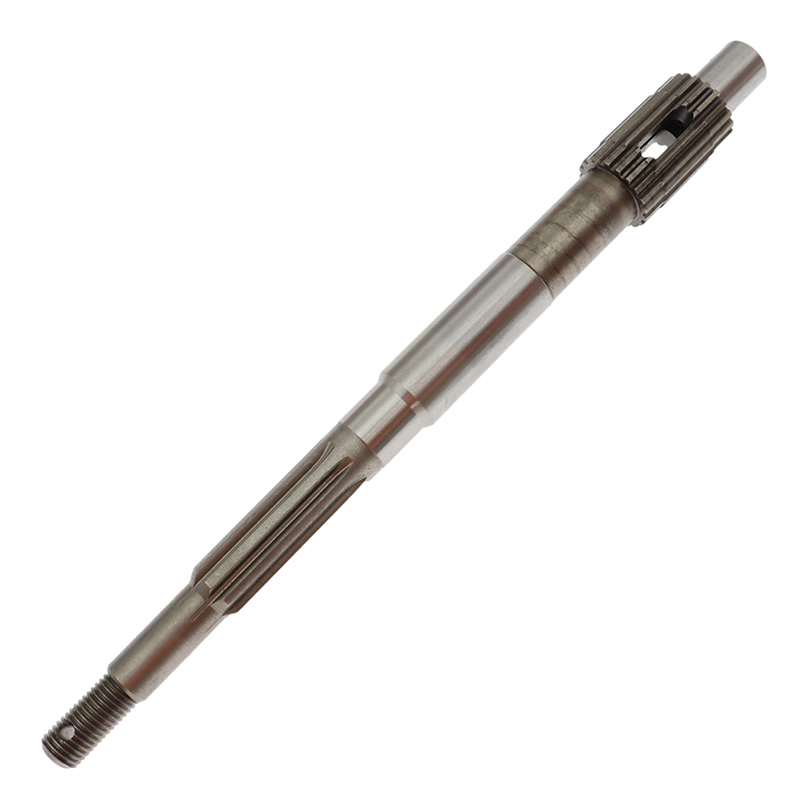
A boat motor shaft (often called an outboard motor shaft or drive shaft) is the key component that transfers torque from the powerhead down to the gearcase and propeller. Its length determines how deeply the lower unit sits in the water, affecting cooling, thrust, cavitation and overall handling. [gilltransmission]
Most common shaft length categories used by motor manufacturers include:
- Short shaft (typically designed for lower transoms)
- Long shaft (for standard recreational boats)
- Extra‑long and ultra‑long shaft (for high transoms and specific offshore applications)
These nominal labels usually correspond to standardized transom heights, so accurate measurement ensures the motor and hull were meant to work together. [gilltransmission]
From an industry viewpoint, the most important concept is that shaft length is measured in relation to the transom height of the boat. The transom height is the vertical distance from the top of the transom to the bottom of the hull where water first meets the boat. [gilltransmission]
When you measure a boat motor shaft, you normally reference:
- The top mounting surface of the outboard (where it clamps or bolts to the transom)
- The cavitation plate or anti‑ventilation plate above the propeller
- The centerline of the propeller shaft at the gearcase
Each manufacturer may describe shaft length differently, but practical measurement always focuses on how these reference points align with the boat's transom. [gilltransmission]
From a professional workshop perspective, accurate shaft measurement starts with the right tools:
- Steel tape measure with clear metric and imperial markings
- Straight edge or rigid ruler
- Spirit level or digital level for alignment
- Marker or masking tape for marking reference points
- Notepad or digital device for recording measurements
In a production environment like Ningbo Gill Transmission Parts Co., LTD, technicians also rely on precision inspection systems and calibrated gauges to verify shaft geometry, but boat owners can measure safely with the simpler tools listed above. [gilltransmission]
1. Mount the outboard firmly on the transom or a stand so the shaft hangs vertically.
2. Use a level to confirm the motor is upright and not tilted forward or backward.
3. Ensure the trim/tilt system is locked so the measurement position doesn't change unexpectedly.
Correct alignment is critical, because even a small angle deviation can distort vertical shaft measurements. [gilltransmission]
1. Locate the top mounting surface where the outboard clamps or bolts to the transom.
2. Mark the lowest point of that surface, which becomes your upper reference point.
3. Make sure you measure from the same point manufacturers use in their documentation to avoid confusion.
As engineers, we regularly advise customers to document this point with a photo or note so it can be shared with suppliers when ordering new drive shafts or propeller shafts. [gilltransmission]
1. Locate the cavitation plate—the horizontal plate just above the propeller.
2. Decide whether you will measure to the cavitation plate or the propeller shaft centerline, depending on what your application requires.
3. Mark that point with tape or a marker to keep the measurement consistent.
From a service standpoint, many users measure to the cavitation plate because it directly relates to how the motor sits in the water relative to the bottom of the hull. [gilltransmission]
1. Place the tape measure at the upper reference point and extend it downward along the shaft.
2. Keep the tape tight and straight, avoiding bends that can introduce up to several millimeters of error.
3. Record the distance in both millimeters and inches if you work with international suppliers or multi‑brand components.
In our factory practice, we typically note shaft length with tolerances and record multiple measurements to confirm consistency, a habit that individual boat owners can adopt for reliability. [gilltransmission]
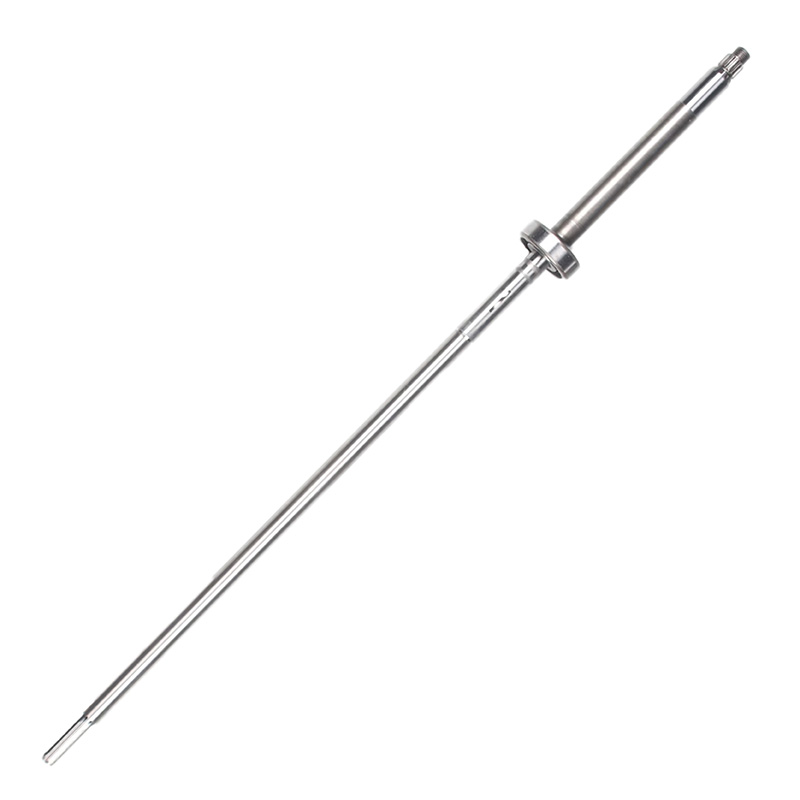
From a global aftermarket perspective, manufacturers use standard shaft categories to fit common transom heights. [gilltransmission]
| Shaft type | Typical use case | Practical implication for boat setup |
|---|---|---|
| Short shaft | Small dinghies, low transoms | Lower gearcase position, suitable for shallow mounting |
| Long shaft | Standard recreational and fishing boats | Balanced immersion, general‑purpose performance |
| Extra‑long | High‑transom hulls, offshore conditions | Keeps propeller deeper in rough water |
| Ultra‑long | Specialized commercial or sailing setups | Maximum immersion and stability |
Choosing a shaft length that mismatches your transom height can lead to poor performance, cooling issues and cavitation, which is why accurate measurement and professional guidance are so important. [gilltransmission]
From our experience supporting customers across North America, Europe, Asia and South America, we consistently see a few recurring errors. [gilltransmission]
If you follow the contour of the motor housing instead of a true vertical line, your measured shaft length will be longer than the actual vertical distance. Using a level or plumb reference and measuring along a straight vertical line solves this issue. [gilltransmission]
Different brands may publish shaft length based on the cavitation plate or propeller shaft centerline, so mixing these references leads to confusion and mis‑ordering of parts. Professionals always check the definition used in the documentation before comparing numbers. [gilltransmission]
In an industrial setting, technicians record not just the nominal shaft length but also acceptable tolerance ranges. For boat owners, writing down measurements with an estimated ±1–2 mm tolerance can help suppliers understand how precise the component fit needs to be. [gilltransmission]
If your boat has had transom repairs, reinforcements or height adjustments, the original shaft length may no longer be optimal. Re‑measurement ensures the gearcase sits at the correct depth for the modified hull. [gilltransmission]
When switching to a new outboard motor brand or upgrading gearcases, professionals always re‑measure and confirm that shaft length and transom height are compatible. This avoids unexpected handling issues or performance loss. [gilltransmission]
In OEM and aftermarket supply chains, re‑measuring a shaft before placing a custom order greatly reduces the risk of mis‑machined or mis‑matched parts. Ningbo Gill Transmission Parts Co., LTD often asks customers to provide exact measurement data or sample shafts to ensure the new components match the existing setup. [gilltransmission]
From a manufacturing engineer's viewpoint, measuring a boat motor shaft is more than a single dimension—it is part of a systematic quality control process. [gilltransmission]
Our facility uses automatic machining centers, grinding machines and accurate testing equipment to verify shaft length, concentricity and surface finish. These tools ensure that drive shafts and propeller shafts meet strict dimensional tolerances before leaving the factory. [gilltransmission]
When customers send us sample shafts, our R&D team performs sample mapping, measuring all critical dimensions to reproduce or optimize the part. This approach allows us to offer OEM and custom development services for diverse outboard brands and regional requirements. [gilltransmission]
Our ISO 9001 quality management certification ensures that shaft measurement procedures are standardized, documented and audited. This level of control supports long‑term reliability and compatibility, which is especially important for global aftermarket customers. [gilltransmission]
For boat owners and purchasing managers, the following checklist helps ensure accurate and repeatable shaft measurements:
1. Confirm the motor is securely mounted and vertically aligned.
2. Identify and mark the upper mounting surface reference point.
3. Decide whether to measure to the cavitation plate or propeller shaft centerline.
4. Use a tape measure along a straight vertical line.
5. Record dimensions in both metric and imperial units.
6. Note any transom modifications or hull changes.
7. Share measurements with your supplier before ordering parts.
Following this checklist minimizes measurement errors and supports smoother communication with transmission part manufacturers and service technicians. [gilltransmission]
If the shaft is too short for your transom height, the gearcase may sit too high, leading to cavitation, poor cooling water intake and unstable handling. Conversely, an excessively long shaft may place the lower unit deeper than necessary, increasing drag and affecting fuel efficiency. [gilltransmission]
In our experience supplying drive shafts and gears worldwide, incorrect shaft length and alignment can contribute to vibration, noise and premature bearing or gear wear. Accurate measurement and correct matching of shafts to the hull are vital for protecting both the motor and propulsion system. [gilltransmission]
For commercial boats, high‑power outboards or multi‑engine setups, it is wise to consult a specialist with practical measurement experience. These applications often involve unique transom designs, different loading conditions and stringent uptime requirements. [gilltransmission]
As a manufacturer with decades of experience in outboard motor transmission parts, we support customers with measurement guidance, sample analysis and custom shaft solutions. Providing accurate shaft measurements is the first step to ensuring you receive parts that fit and perform as expected. [gilltransmission]
If you are planning to replace a drive shaft, upgrade a propeller shaft or resolve vibration and cavitation issues, start by accurately measuring your boat motor shaft using the steps and checklist above. Once your measurements are documented, share them with a professional supplier or technician to confirm compatibility and select the right components. [gilltransmission]
For technical support, consultation on shaft dimensions or OEM customization, you can contact an experienced transmission parts manufacturer to review your data and suggest suitable solutions based on your boat type, operating environment and maintenance history. [gilltransmission]
Q1: Do I measure from the very top of the outboard or from the clamp surface?
Measure from the mounting surface that rests on the transom, not from cosmetic covers, so that your measurement reflects the true installation position. [gilltransmission]
Q2: Should I measure to the cavitation plate or the propeller shaft?
Check how your motor's documentation defines shaft length; many users measure to the cavitation plate, but some manufacturers specify the propeller shaft centerline. [gilltransmission]
Q3: How often should I re‑measure my boat motor shaft?
Re‑measure whenever you modify the transom, change motor models or notice performance issues that suggest a mismatch between shaft length and hull design. [gilltransmission]
Q4: Can I rely on manufacturer nominal shaft categories instead of measuring?
Nominal categories (short, long, extra‑long) are useful, but measurement verifies that your specific motor and transom combination actually fits those assumptions. [gilltransmission]
Q5: Why do suppliers ask for photos and detailed measurements?
Photos and precise measurements help suppliers and manufacturers confirm the reference points you used, reducing the risk of mis‑ordered or incompatible parts. [gilltransmission]
1. Ningbo Gill Transmission Parts Co., LTD – About Us. Available at: [https://www.gilltransmission.com/aboutus.html] [gilltransmission]
2. Gill Transmission – Gear, Drive Shaft, Propeller Shaft, Clutch Dog Manufacturer. Available at: [https://www.gilltransmission.com] [gilltransmission]


