


close
Choose Your Site
Global
Social Media
Views: 272 Author: Gill Transmission Parts Publish Time: 2026-07-22 Origin: Site


Content Menu
● Why Precision Matters for Marine Parts
● FAQ
>> 1. How do I measure boat shaft length?
>> 2. What happens if the shaft is too short?
>> 3. What happens if the shaft is too long?
>> 4. Are all shaft length labels the same across brands?
>> 5. Do I measure from the waterline or the hull bottom?
>> 6. Should I re-measure an old propeller shaft before replacement?
Measuring boat shaft length correctly is one of the simplest ways to improve boat performance, protect the drivetrain, and avoid expensive installation mistakes. In marine applications, the right shaft setup affects propeller immersion, drag, cavitation risk, cooling stability, and overall handling.
For a manufacturer and supplier of drive shafts and propeller shafts, this topic is not just a fitting question; it is a performance question. When the shaft length is wrong, the boat may still run, but it rarely runs well.
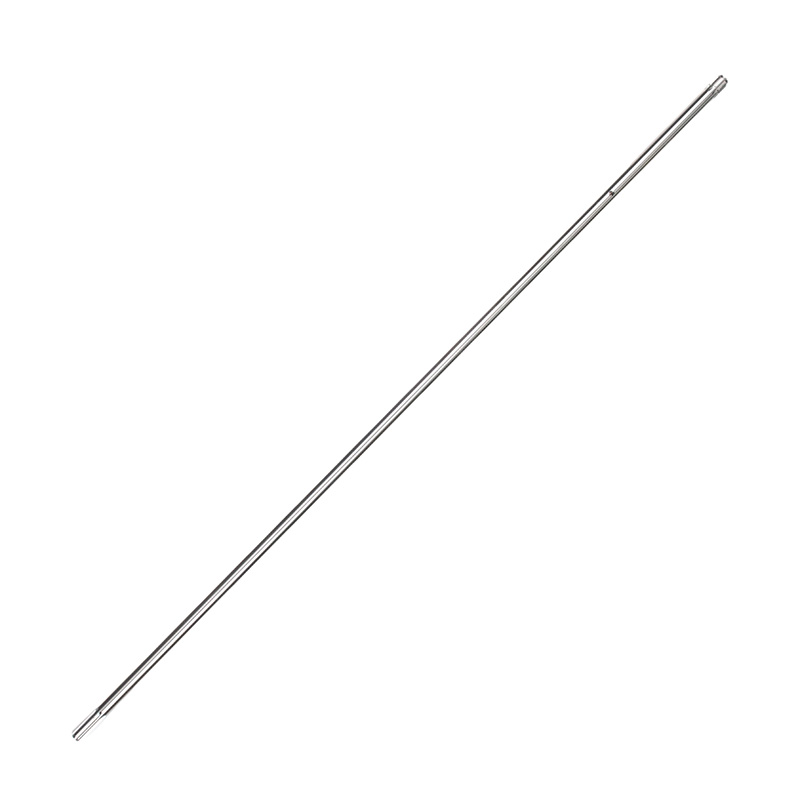
A shaft that is too short can leave the propeller too high in the water, which increases the risk of ventilation, cavitation, and loss of thrust. A shaft that is too long can create unnecessary drag, reduce speed, and increase the chance of striking submerged objects.
In practical terms, the correct shaft length helps the propeller sit at the right depth relative to the hull bottom or transom. For many planing boats, that position is tied to the hull bottom rather than the waterline.
- Too short: more ventilation, less bite, weaker acceleration, and unstable performance in chop.
- Too long: more drag, slower speed, more fuel use, and more risk in shallow water.
- Correct length: cleaner water flow, better thrust transfer, and more predictable handling.
Before measuring, identify whether you are dealing with an outboard shaft, a propeller shaft, or a broader drivetrain shaft arrangement. In most recreational boating searches, "boat shaft length" refers to outboard shaft length, but propeller shafts in inboard systems also require precise dimensional matching.
Outboard manufacturers commonly use standard shaft categories such as 15, 20, 25, and 30 inches, though exact naming can vary by brand. That is why measurements should be taken in actual dimensions, not only by marketing labels.
You do not need specialized equipment for a basic outboard measurement, but accuracy matters. For propeller shaft inspection or replacement, precision tools become much more important.
Use these tools:
- Measuring tape or ruler.
- Straight edge or level.
- Marker or notebook.
- Digital calipers for propeller-shaft and hub measurements.
- A helper, if the boat is large or mounted high.
The safest method is to place the boat on a level surface before measuring. This reduces error and helps keep the tape vertical and consistent.
1. Identify the reference point.
For outboard motors, many guides measure from the top of the clamp bracket to the anti-ventilation plate or propeller center, depending on the motor type.
2. Measure transom height.
A common approach is to measure from the top of the transom to the bottom of the hull or keel, making sure the tape is perpendicular.
3. Compare the result with the shaft position.
For many planing boats, the anti-ventilation plate should sit roughly level with the hull bottom or slightly above it.
4. Check the propeller immersion.
Ensure the propeller is deep enough to stay in clean water but not so deep that it adds drag.
5. Confirm with manufacturer guidance.
When in doubt, use the motor or shaft manufacturer's specification sheet.
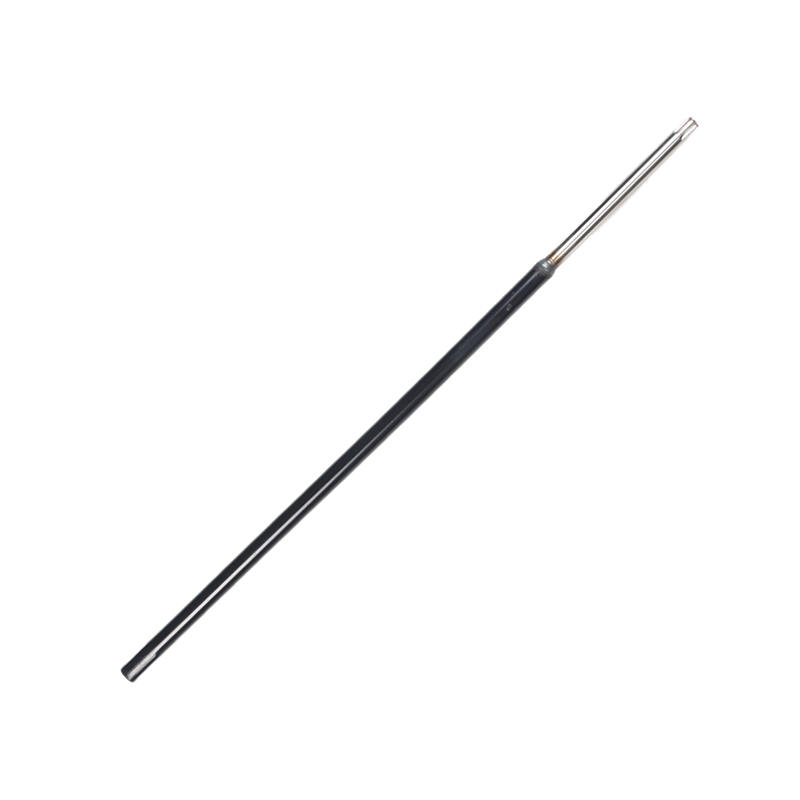
Although exact product lines differ, standard outboard shaft lengths commonly fall into a few widely used sizes. These are useful as a starting point when choosing a motor or replacement setup.
| Common category | Typical length | General use |
|---|---|---|
| Short shaft | 15 inches | Smaller boats, shallow transoms |
| Long shaft | 20 inches | Many mid-size recreational boats |
| Extra-long shaft | 25 inches | Taller transoms, larger boats |
| Ultra-long shaft | 30 inches | Specialty applications |
These categories are helpful, but they are not a substitute for measurement. Some electric and specialty outboards use different naming conventions, so the actual measured length should always come first.
A professional fit check goes beyond the first tape-measure result. In practice, technicians confirm both the static measurement and the running position of the propeller and cavitation plate.
- The boat is level.
- The transom height is measured accurately.
- The motor is mounted at the intended height.
- The cavitation plate aligns with the hull bottom as intended.
- The setup is tested in real water conditions.
This matters because hull shape changes the ideal mounting height. Deep-V hulls, flat-bottom boats, and bracket-mounted setups can all require different final positions.
One of the most valuable lessons in marine rigging is that not all boats follow the same rule. Bracket-mounted outboards, sailboat auxiliaries, and displacement hulls often need different shaft-height logic than standard planing boats.
For example, some planing boats work best with the cavitation plate near the hull bottom, while slower displacement boats may need the propeller lower to maintain bite in the water. Bracket installations can also raise the effective mounting point and alter the required height.
- Bracket-mounted boats: the engine may sit farther aft and require a different height.
- Displacement hulls: propeller placement may be lower than on a planing hull.
- Sailing auxiliaries: shaft length often depends on mount position and storage layout.
- Electric outboards: some brands measure shaft length differently from gas outboards.
A practical trend in marine rigging is the growing emphasis on clean water flow and installation accuracy, not just nominal shaft size. Recent technical guidance from marine and electric outboard manufacturers continues to stress that a small height error can affect thrust, ventilation, and reliability.
For buyers, this means one simple rule: measure for performance, not just for product category. A shaft that is "standard" on paper may still be wrong for the hull, bracket, or propeller geometry.
Many shaft-length problems come from avoidable errors. The most common issue is measuring at an angle instead of straight up and down.
Avoid these mistakes:
- Measuring on an uneven trailer or sloped ground.
- Confusing transom height with waterline depth.
- Using marketing labels instead of actual measurements.
- Ignoring hull type and bracket setback.
- Skipping the final on-water performance check.
For companies working with drive shafts and propeller shafts, precision is not optional. Propeller shaft systems depend on correct diameter, taper, keyway match, and dimensional accuracy to transfer torque smoothly and reduce vibration.
That is especially important in replacement projects, where the original shaft should be re-measured rather than assumed to be correct. In the marine industry, small dimensional errors can become performance issues, noise, or premature wear.
If you are choosing a replacement shaft or ordering a new boat setup, think in this order:
1. Measure the boat accurately.
2. Identify the hull type and mounting style.
3. Confirm the correct shaft category.
4. Check manufacturer technical data.
5. Validate with a real-world water test.
That sequence reduces guesswork and improves the odds that the boat will perform as designed. It is also the most reliable way to avoid expensive rework later.
The right way to measure boat shaft length is to start with the boat geometry, not the product label. When you measure carefully and match the shaft to the hull, the result is better thrust, less drag, and a safer, more efficient boat.
For boat owners, dealers, and marine equipment buyers, this is one of the highest-value checks you can make before installation. For manufacturers like Ningbo Gill Transmission Parts Co., LTD., it is also a reminder that shaft precision is a core part of marine performance.
If you are selecting a marine shaft solution for a specific hull type, request a technical measurement review before ordering. A correct fit at the start saves time, cost, and performance loss later.
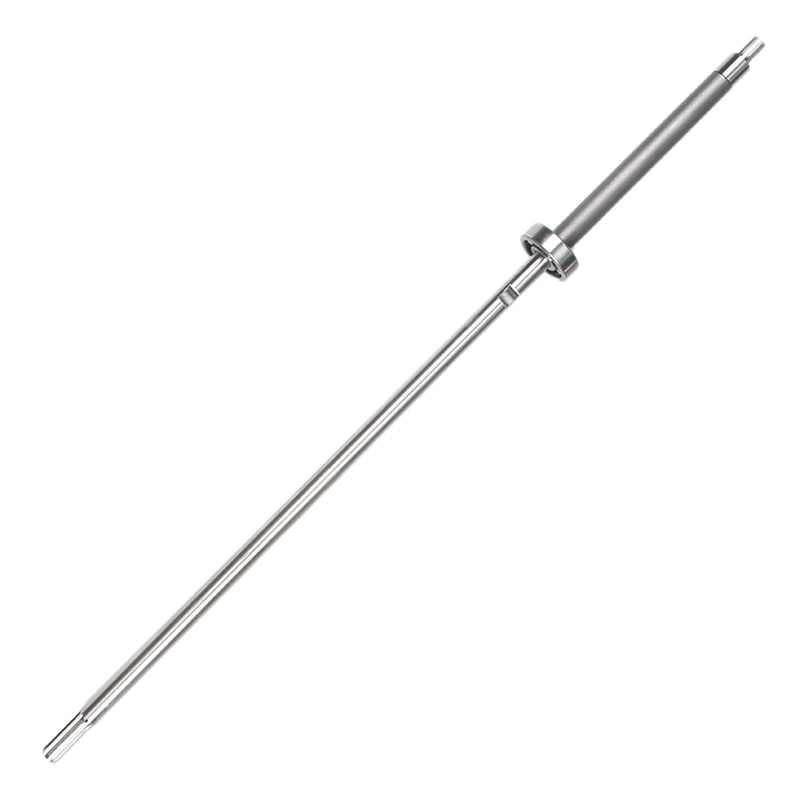
Measure the relevant vertical distance from the transom or mounting reference point to the propeller or anti-ventilation plate, depending on the motor type, and keep the tape perpendicular.
The propeller can sit too high, causing ventilation, cavitation, weak thrust, and unstable operation in rough water.
The motor may sit too deep, creating drag, reducing speed, and increasing the chance of contact with underwater objects.
No. Shaft length naming can vary by manufacturer, so the actual measured length is more reliable than the label alone.
For most planing boats, shaft setup is based on the hull bottom, not the waterline.
Yes. Replacement shafts should be re-measured because the original part may not have been perfectly matched.
1. [ePropulsion — How to Measure Shaft Length on Outboard]
2. [Boatbuilder Central — Outboard shaft lengths and transoms]
3. [Great Lakes Skipper — How to Measure an Outboard Motor Shaft Size]
4. [Atlantis University — Easy! How to Measure Boat Motor Shaft Length + Tips]
5. [Marine Diesel Basics — Propeller Shafts extract]
6. [ABYC P-6 Preview]


