


close
Choose Your Site
Global
Social Media
Views: 248 Author: Gill Transmission Parts Publish Time: 2026-08-13 Origin: Site


Content Menu
● What Does Outboard Drive Shaft Length Mean?
● Long Drive Shafts vs Short Drive Shafts at a Glance
● Short Drive Shafts: Best Uses and Limitations
>> When a Short Shaft Is the Better Option
>> Risks of a Short Shaft on a Tall Transom
● Long Drive Shafts: Best Uses and Limitations
>> When a Long Shaft Is the Better Option
>> Risks of a Long Shaft on a Low Transom
● The Critical Factor: Measure the Transom First
>> A Practical Four-Step Measurement Process
● Why Replacement Drive Shaft Fitment Is More Complex
>> Fitment Checks Before Ordering
● Material, Corrosion, and Service Life
● Performance Diagnosis: Is Shaft Length the Problem?
>> Signs the Outboard May Be Mounted Too High
>> Signs the Outboard May Be Mounted Too Low
● Industry Insight: Build a Fitment Record
● Which Outboard Shaft Length Should You Choose?
● FAQ
>> 1. What is the difference between a long drive shaft and a short drive shaft?
>> 2. Can I install a long-shaft outboard on a short transom?
>> 3. How do I know whether my boat needs a 15-inch or 20-inch shaft?
>> 4. Can I choose a drive shaft only by engine horsepower?
>> 5. What happens if the outboard shaft is too short?
>> 6. What happens if the outboard shaft is too long?
>> 7. What information should I provide when ordering a replacement outboard drive shaft?
Choosing between long drive shafts and short drive shafts is not simply a matter of size. For an outboard engine, the correct shaft length determines whether the propeller stays properly submerged, whether the engine delivers efficient thrust, and whether your boat remains controllable in changing water conditions.
After nearly three decades working with marine transmission parts, Ningbo Gill Transmission Parts Co., Ltd. has seen a recurring issue in replacement and repowering projects: buyers often identify a drive shaft by overall appearance or engine horsepower, but overlook the relationship between outboard shaft length, transom height, lower-unit configuration, and part-specific fitment.
This guide compares long and short outboard drive shaft configurations in practical terms. It will help boat builders, repair shops, distributors, and boat owners make a more reliable selection before ordering a replacement drive shaft or matching an outboard engine to a hull.
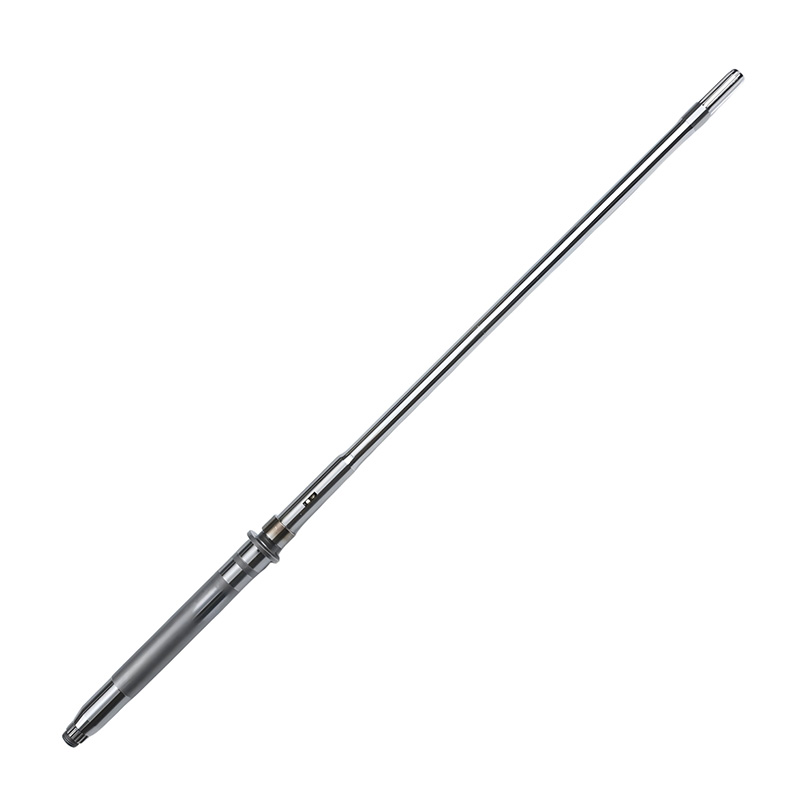
In everyday boating discussions, "short shaft" and "long shaft" commonly describe the vertical length of the complete outboard engine leg, measured from the mounting area to the anti-cavitation plate above the propeller. In marine parts sourcing, however, "drive shaft" may also mean the internal splined shaft that transfers engine power from the powerhead to the gearcase.
That distinction is important.
A replacement outboard drive shaft must match more than a nominal short- or long-shaft category. It must also match the engine's:
- Brand, series, and model year
- Engine horsepower range
- Shaft overall length
- Upper and lower spline count and profile
- Shift-rod and water-pump arrangement
- Gearcase type
- Material grade and heat-treatment requirements
For conventional combustion outboards, a short shaft is commonly associated with a 15-inch transom, while a long shaft is commonly associated with a 20-inch transom. Extra-long versions are frequently designed for approximately 25-inch transoms. These are industry conventions, not substitutes for checking the original engine documentation and the actual boat measurement.
| Comparison Point | Short Drive Shaft / Short-Shaft Outboard | Long Drive Shaft / Long-Shaft Outboard |
|---|---|---|
| Typical transom match | Around 15 inches | Around 20 inches |
| Common boat types | Dinghies, inflatables, small skiffs, shallow-transom craft | Sailboats, center consoles, deeper-hull boats, boats used in chop |
| Propeller position | Closer to the hull bottom | Lower in the water |
| Main advantage | Lower weight position and compact installation | Better propeller immersion in deeper water and waves |
| Main risk if mismatched | Ventilation and loss of thrust if too short | Excessive drag and handling issues if too long |
| Replacement-part focus | Verify short-leg gearcase and exact spline length | Verify long-leg shaft extension, splines, seals, and gearcase compatibility |
| Best selection basis | Measured transom height and OEM part identification | Measured transom height and OEM part identification |
The right choice is not automatically "longer is better." A long unit can improve propeller immersion on a deeper transom, but it can be the wrong fit for a low-transom boat. Likewise, a short configuration can work extremely well on a tender or skiff, yet become unreliable if the propeller repeatedly approaches the surface in waves.
A short drive shaft configuration is usually intended for boats with a lower transom. Small aluminum fishing boats, inflatable tenders, lightweight dinghies, and compact utility craft often use this arrangement because their hulls sit closer to the water.
The main benefit is correct engine placement. When a short-shaft outboard is installed on a matching transom, the anti-cavitation plate can sit near the hull-bottom reference line. This supports predictable water flow to the propeller and helps the engine operate at an appropriate mounting height.
Choose a short-shaft configuration when the boat has a measured low transom and the original engine was designed for that mounting height. It is often appropriate for:
- Inflatable boats and tenders
- Flat-bottom utility boats
- Small jon boats
- Lightweight fishing skiffs
- Calm-water recreational craft
- Compact workboats with a low stern
A properly matched short shaft can provide responsive acceleration, easier low-speed handling, and less unnecessary underwater leg exposure. This may be especially useful where low draft and compact storage matter.
A short shaft installed on an excessively tall transom places the propeller and water intakes too high. In real operation, this can cause ventilation, where air is drawn toward the propeller and thrust falls suddenly.
Common warning signs include:
- Engine RPM rises but boat speed does not increase proportionally
- The propeller loses grip during turns
- Thrust drops in chop or when passengers move aft
- Cooling-water flow becomes inconsistent
- The engine feels unstable when accelerating onto plane
These are not merely comfort problems. Repeated ventilation can reduce control, create inefficient engine loading, and increase stress on propeller and gearcase components.
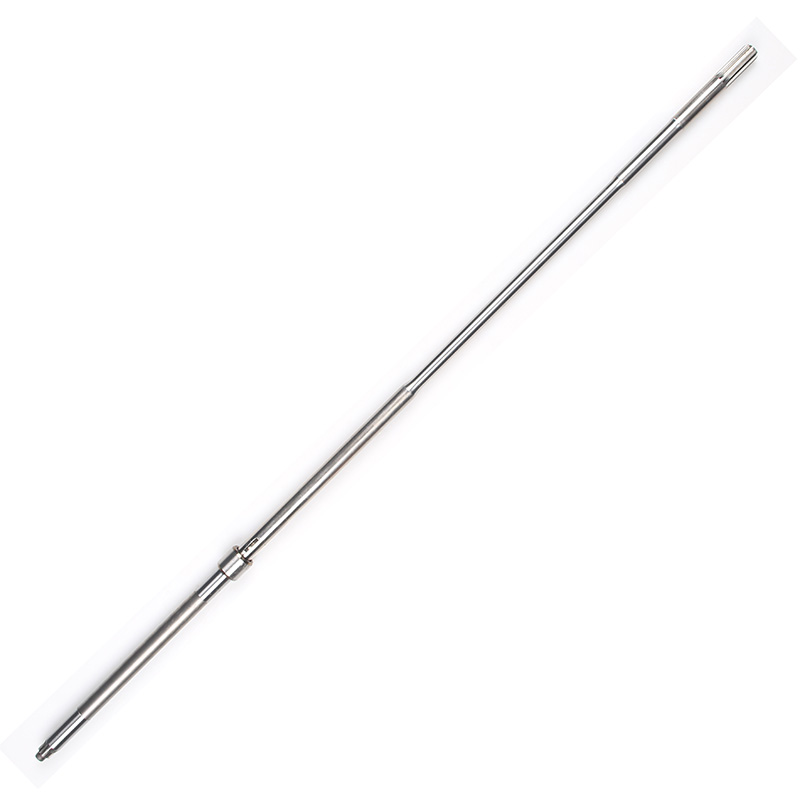
A long drive shaft configuration is designed for taller transoms and boats that need the propeller to remain deeper in the water. This is why long-shaft outboards are common on many sailboats, larger tenders, medium-sized fishing boats, and boats expected to operate in mixed or rougher conditions.
The additional length is not intended to create extra power. Its purpose is to position the lower unit correctly relative to the hull and water surface.
A long-shaft configuration is generally the more practical choice when the transom measures near 20 inches or when the boat's operating profile causes the stern to rise, pitch, or encounter regular chop.
It is often suitable for:
- Sailboats with deeper transoms
- Center-console fishing boats
- Heavier utility boats
- Cabin boats with a higher stern
- Workboats carrying variable loads
- Boats used in coastal chop or wake-prone waterways
In these situations, the lower propeller position can help maintain water contact when the boat pitches or when weight shifts toward the stern.
Installing a long-shaft outboard on a transom designed for a short shaft can place the gearcase too deep. The consequences may include extra drag, reduced top-end efficiency, awkward trim behavior, and greater exposure of the lower unit to submerged hazards.
An excessively low mounting position can also affect steering feel. The boat may feel less responsive, particularly at low speed, and it may become harder to find an efficient trim angle.
For replacement parts, an incorrect long drive shaft can create another problem: it may not align correctly with the crankshaft, water-pump housing, shift linkage, bearing surfaces, or pinion gear. A drive shaft is a precision transmission component, not a universal metal rod.
The most dependable starting point is the boat's transom height. Measure vertically from the top surface where the outboard clamp bracket sits to the bottom of the hull at the centerline. Keep the tape measure straight rather than following the angle of the transom.
For many outboard applications, the target is to position the anti-cavitation plate level with, or slightly below, the hull bottom. One current installation guide suggests a margin of approximately 0 to 50 mm below the hull bottom, though the final position should follow the engine manufacturer's installation requirements and the hull design.
1. Park the boat on level ground or keep it floating evenly without an unusual load distribution.
2. Identify the centerline of the transom and the upper mounting surface.
3. Measure vertically down to the lowest hull reference point at the transom centerline.
4. Compare the result with the engine manufacturer's shaft-length classification before purchasing the engine or a replacement drive shaft.
Do not estimate based on boat length alone. Two boats of identical length can have different transom heights, hull angles, loading patterns, and recommended outboard configurations.
For a marine-parts buyer, the phrase "long drive shaft" can mean either the outboard's longer leg configuration or a specific internal component for that configuration. These are closely related but not interchangeable.
A long-shaft model may require a drive shaft that is physically longer than its short-shaft counterpart. Yet overall length alone is still insufficient. The shaft must transfer torque accurately while engaging components at both ends under continuous vibration, cyclic load, and exposure to moisture.
Before sourcing a replacement outboard drive shaft, collect the following information:
| Required Detail | Why It Matters |
|---|---|
| OEM part number | The most reliable cross-reference starting point |
| Engine brand and exact model | Similar-looking shafts may have different splines or dimensions |
| Model year or serial range | Design revisions can occur within the same engine family |
| Shaft length category | Confirms short-, long-, or extra-long-leg application |
| Overall shaft length | Helps prevent incorrect lower-unit engagement |
| Upper and lower spline specifications | Ensures crankshaft and pinion-gear compatibility |
| Material and surface condition | Influences fatigue resistance and corrosion durability |
| Installation components | Seals, bearings, water-pump parts, and gearcase hardware may also require inspection |
At Gill Transmission Parts, a technically responsible sourcing process should begin with the sample, OEM number, drawings, or complete engine identification. This reduces the risk of receiving a component that appears correct but fails to install or operate correctly.
Outboard drive shafts operate in a demanding environment. They experience rotational torque, torsional vibration, seal contact, water-pump loads, and possible saltwater exposure. Material selection and manufacturing accuracy therefore matter as much as length.
A quality drive shaft should be evaluated for:
- Spline accuracy for smooth torque transfer
- Straightness for stable rotation and seal performance
- Suitable alloy and heat treatment for strength and fatigue resistance
- Corrosion protection appropriate to freshwater or saltwater use
- Controlled surface finish where seals and bearings contact the shaft
- Consistent dimensional inspection from batch to batch
Saltwater use deserves particular attention. Corrosion around splines, sealing surfaces, and water-pump areas can make future servicing difficult and may damage related components during removal. Regular flushing, correct lubrication where specified, and early inspection of seals can reduce the chance of a minor corrosion issue becoming a costly gearcase repair.
Boat owners often suspect the propeller first when performance declines. The propeller may indeed be the cause, but shaft length and mounting height should also be checked.
- Propeller ventilation during acceleration
- RPM flare in tight turns
- Weak thrust in choppy water
- Inconsistent cooling-water discharge
- Poor ability to stay on plane with passengers aft
- Noticeable drag and reduced speed
- Heavy steering or sluggish response
- Difficulty finding an efficient trim setting
- Increased spray around the lower unit
- Lower-than-expected engine performance despite a sound propeller
Before changing major components, inspect the installation height, transom condition, trim setting, propeller condition, and engine manufacturer's recommended operating RPM range. A measured diagnosis is safer than replacing parts by trial and error.
For distributors, repair shops, and fleet operators, the best way to reduce returns is to create a simple fitment record for every drive shaft order.
Record the engine identification, OEM number, measured shaft length, spline details, boat transom height, and photographs of both shaft ends. This turns future reorders into a controlled process rather than a new identification exercise.
This approach is particularly valuable for older outboards. As engines age, original labels may be missing, previous repairs may have introduced non-original components, and model families may include subtle design differences. A documented sample and dimensional verification can protect both the buyer and supplier from costly fitment mistakes.
Choose a short drive shaft configuration when your boat has a low transom and was designed for a short-shaft outboard. Choose a long drive shaft configuration when the transom is taller, the boat carries heavier loads, or the operating environment requires more consistent propeller submersion.
The correct decision should be based on measured dimensions and exact engine fitment—not a general assumption about boat size, horsepower, or visual similarity.
For replacement internal drive shafts, confirm the OEM reference, engine model, production range, length, spline configuration, and gearcase application before ordering. This is the most reliable route to stable power transfer, easier installation, and longer service life.
Need a dependable outboard drive shaft supplier? Send Gill Transmission Parts your OEM number, sample photos, drawing, or engine information. Our team can help verify fitment requirements for short-shaft, long-shaft, and customized marine transmission parts before production or bulk purchase.
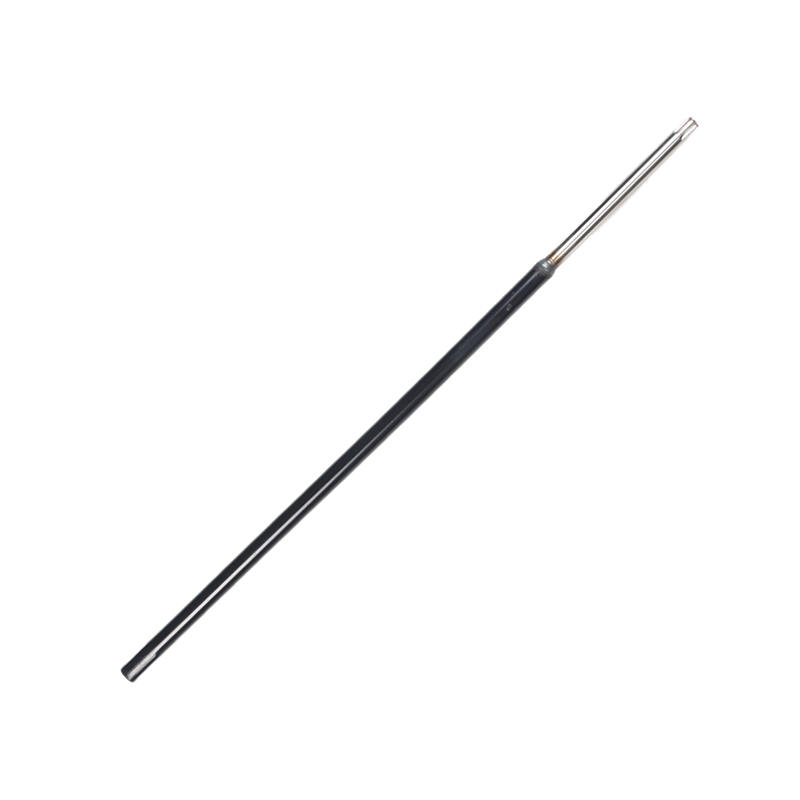
The main difference is length. In outboard applications, a short-shaft setup commonly matches a lower transom, while a long-shaft setup commonly matches a taller transom. For internal replacement parts, the shaft must also match the engine's splines, gearcase, and installation dimensions.
It may physically mount, but it is usually not the ideal configuration. The lower unit may sit too deep, creating unnecessary drag, reduced efficiency, and handling concerns. Check the engine manufacturer's installation guidance before making modifications.
Measure the transom vertically from the outboard mounting surface to the hull bottom at the centerline. A transom near 15 inches usually corresponds to a short shaft, while one near 20 inches usually corresponds to a long shaft. Confirm against the engine manufacturer's specific requirements.
No. Engines with similar horsepower can use different shaft lengths, spline counts, gearcases, and part numbers. Always identify the exact engine model, serial range, and OEM reference where available.
The propeller may ventilate, especially during turns, acceleration, waves, or heavy loading. You may experience RPM flare, poor thrust, inconsistent cooling-water pickup, and reduced boat control.
The gearcase may run too deep, increasing hydrodynamic drag and affecting trim response. It can also make the boat less efficient and expose the lower unit to a greater risk of impact.
Provide the OEM number, engine brand, exact model, model year or serial number, shaft length category, shaft measurements, spline photographs, and images of the old part. A sample or technical drawing provides the highest level of verification.
- ePropulsion. "[Long Shaft Outboard Motor: A Comprehensive Buying Guide]." Covers common short-, long-, and extra-long shaft categories and their typical boat applications. [epropulsion]
- Getmyboat. "[How To Choose the Right Shaft Length for Your Outboard Motor]." Explains the common 15-inch, 20-inch, and 25-inch outboard shaft categories and transom matching guidance. [getmyboat]
- Boat Builder Central. "[Outboard Shaft Lengths and Transoms]." Explains the relationship between the outboard mounting arrangement, cavitation plate, and propeller position. [boatbuildercentral]
- Weenav. "[Outboard Shaft Length: The Complete Guide to Making the Right Choice]." Provides a measurement method and installation-height discussion. [weenav]
- Sailing Red. "[Best Outboard Motor Drive Shaft]." Discusses compatibility checks, corrosion resistance, shaft construction, installation, and maintenance considerations. [sailingred]


