
Views: 210 Author: Gill Transmission Parts Publish Time: 2026-09-29 Origin: Site


Content Menu
● What Is the Difference Between Lower Unit Failure and Powerhead Failure?
● Which Outboard Repair Costs More?
>> Why Can a Lower Unit Repair Become Expensive?
>> Why Does a Powerhead Rebuild Often Cost More?
● How Can You Tell Which Assembly Failed?
>> Signs That Point Toward Lower Unit Failure
>> Signs That Point Toward Powerhead Failure
● A Practical Example: Same Symptom, Different Bill
● When Should You Rebuild or Replace the Lower Unit?
● When Should You Rebuild the Powerhead or Repower?
● The Hidden Costs Buyers Often Miss
>> Will the Quote Change After Disassembly?
>> Is the Root Cause Included?
>> Are the Parts and Warranty Comparable?
● How Can You Reduce the Risk of Another Failure?
● Make the Repair Decision with Evidence
>> Is powerhead failure always more expensive than lower unit failure?
>> Can milky gear oil mean the powerhead has failed?
>> Does a damaged propeller mean the lower unit must be replaced?
>> Should I rebuild a lower unit with damaged gears?
>> Does low compression mean I need a new powerhead?
>> What information should I send when sourcing replacement outboard gears?
Powerhead failure usually costs more to repair than lower unit failure because a major powerhead job can involve extensive labor, internal engine parts, and machining. But a damaged gearcase is not automatically a small repair. A cracked housing, bent propeller shaft, or destroyed gear set can make lower unit replacement the more sensible option.
The crucial question is not simply which component failed. It is what failed inside it, what remains reusable, and what the completed repair will cost. For boat owners, repair shops, and marine-parts buyers, a diagnosis should come before any decision to rebuild, replace an assembly, or repower the boat.
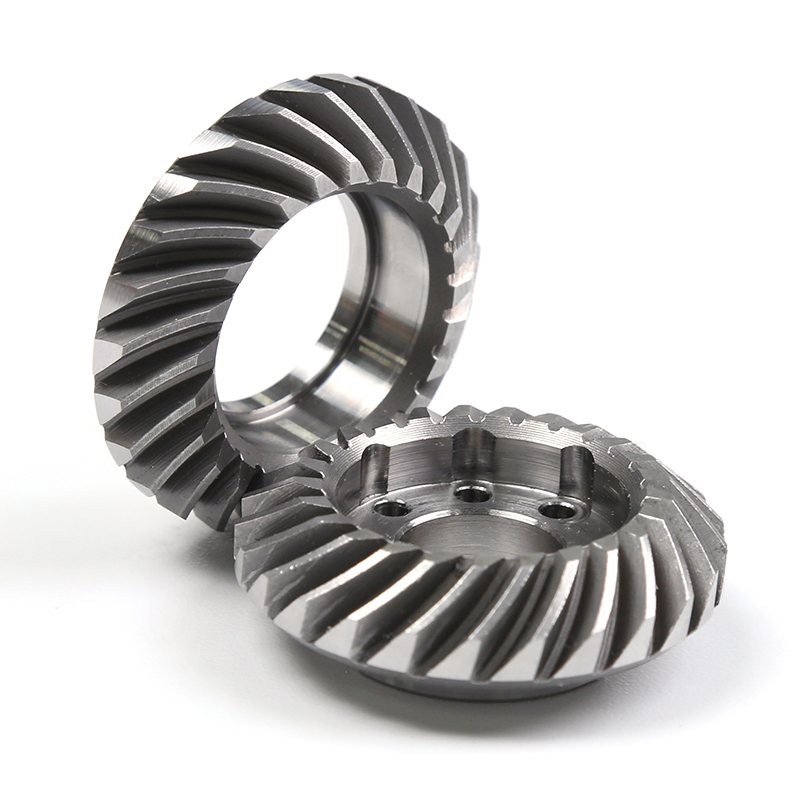
The lower unit, also called the gearcase, sits below the outboard's midsection. It transfers engine power through the driveshaft and gears to the propeller shaft. Its working parts include gears, bearings, shafts, seals, and the shifting mechanism.
The powerhead is the engine above it. Depending on the model, it contains components such as the cylinders, pistons, connecting rods, crankshaft, and cylinder head. Its job is to produce power; the lower unit delivers that power to the propeller.
This distinction matters when a boat loses thrust. An engine that still runs well may have a gearcase or propeller-hub problem. An engine that runs roughly, overheats, or has poor cylinder compression may have a powerhead problem. Symptoms point the technician toward a test; they do not prove which assembly needs replacement.
| Factor | Lower unit failure | Powerhead failure |
|---|---|---|
| Main function affected | Shifting or delivery of power to the propeller | Generation of engine power |
| Typical warning signs | Gearcase noise, shifting trouble, lubricant leaks, water in gear oil | Rough running, overheating, poor compression, internal engine noise |
| Key inspection | Gear lubricant, housing, shafts, gears, seals, pressure test | Fault history, cooling system, compression or leak-down testing, internal inspection |
| Major cost risk | Damaged housing or several precision drivetrain parts | Damaged block, crankshaft, or multiple cylinders |
| Usual cost pattern | Often less expensive, but highly variable | Usually more expensive when internal rebuilding is required |
For substantial internal damage, the powerhead is generally the costlier repair. It has more major components to inspect and may require machining as well as a lengthy rebuild. Still, no responsible shop can price either failure from a symptom alone.
One published Miami-area repair guide gives a useful *local example*, not a national price standard:
| Repair scope in that guide | Published estimate |
|---|---|
| Minor lower unit seal repair and fresh lubricant | $350–$600 |
| Lower unit rebuild with gears, bearings, and seals | $800–$2,500 |
| Powerhead rebuild on a 150–300 HP four-stroke | $3,500–$7,500 |
These figures show why the answer is usually "powerhead." They also show why the scope of repair matters more than the name of the failed assembly. A seal leak addressed early is not comparable to a gearcase shattered by impact. Likewise, a limited cylinder-head repair is not the same job as rebuilding an engine with a damaged crankshaft.
Treat any published range as a starting point. Engine model, location, corrosion, parts availability, shop rates, and the condition found during disassembly can change the quote substantially. The estimate that matters is an itemized, model-specific quote from the shop doing the work.
Lower unit costs rise when damage spreads beyond one replaceable part. Water entering through a failed seal may compromise lubricant and harm bearings or gears. An impact can damage the propeller, bend its shaft, or crack the housing. Metal fragments from one failed component can also require broader inspection.
A gearcase rebuild is precision work. The technician must identify the correct components for that particular unit, inspect what can be reused, and assemble the drivetrain to the applicable service specifications. Buying gears alone does not complete a gearcase repair.
Powerhead damage can extend through several connected components. A failed piston may affect a cylinder wall. Bearing or crankshaft damage may add parts, specialist work, and labor that were not obvious at first inspection.
Engine size also changes the bill. A larger multi-cylinder powerhead has more components than a small outboard, and the extent of damage matters more than a generic "rebuild" label. Before approving one, ask the shop what it has confirmed about the block, crankshaft, cylinders, and other major parts. An estimate that leaves those conditions unresolved may grow after disassembly.
Stop operating the outboard if it develops severe noise, loses propulsion, or shows signs of overheating. Continued use can turn a contained problem into a larger one. Record what happened immediately before the symptom appeared, especially a grounding or propeller strike, then have a qualified technician assess the engine.
- Milky gear lubricant: Water may have entered the gearcase. A proper inspection should identify the leak path rather than merely replace the oil.
- Large metal chips in drained lubricant: These warrant inspection for internal damage. Fine metallic dust and larger chips are not equivalent findings.
- Grinding or poor shifting: The issue may involve the gearcase, but shifting controls also need checking.
- Vibration after a propeller strike: The propeller and propeller shaft need inspection, even if the engine still runs.
- A lubricant leak or visible housing damage: The repair depends on whether the affected surface or component can be restored reliably.
A technician may use a gearcase pressure test to investigate suspected seal leakage. The test should follow the procedure for the specific unit; a new seal should not be treated as proof that every leak or internal problem has been resolved.
- Poor or uneven compression: This calls for further diagnosis, not an automatic rebuild.
- A severe internal knock, seizure, or persistent overheating: These can signal serious damage and should be assessed before restarting.
- Abnormal running with recorded fault information: The shop should evaluate the relevant engine and supporting systems together.
A compression test compares cylinder performance. A cylinder leak-down test can provide more information about where a cylinder is losing pressure. Neither should be interpreted without the engine's service information and the technician's other findings. A running problem may also have a cause outside the powerhead, so testing protects owners from approving the wrong major repair.
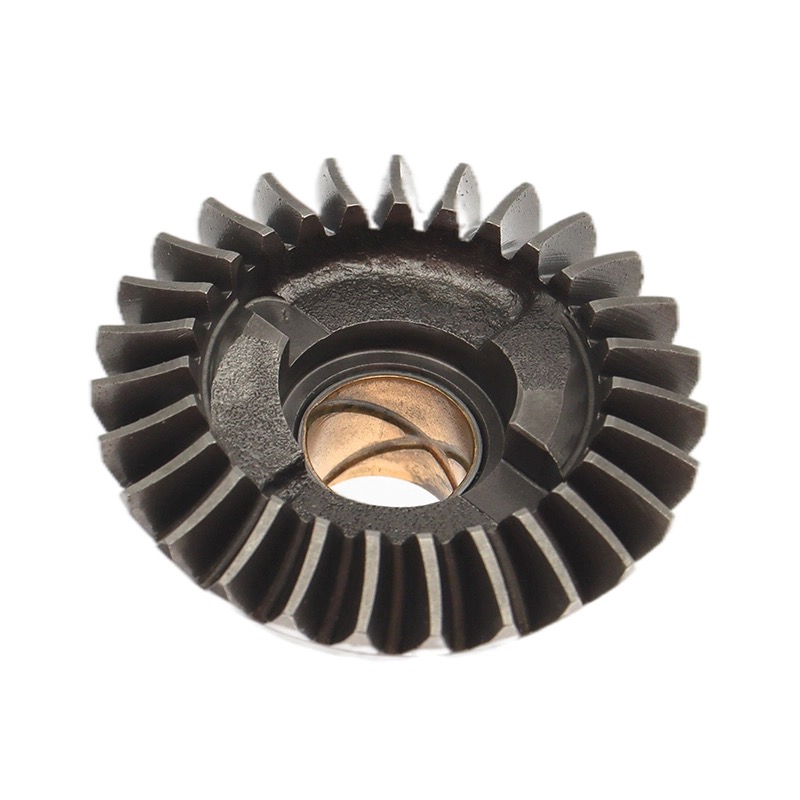
Imagine two outboards that both lose propulsion during a trip. Their owners report the same immediate problem, but the repair paths differ.
On the first boat, the engine continues to run normally. The propeller has struck an underwater object. Inspection finds a damaged propeller and a bent propeller shaft. The shop must check the gearcase before deciding whether a shaft repair, broader rebuild, or replacement assembly is appropriate.
On the second boat, the propeller and gearcase appear intact, but the engine overheated and now runs poorly. Cylinder tests identify a significant internal problem. The shop must determine whether the affected components are repairable and whether the rest of the outboard justifies a powerhead rebuild.
"No propulsion" is not a parts order. The same complaint can lead to two very different diagnoses and costs. That is why a written account of the event, test results, and a clearly defined repair scope are more useful than a quick estimate over the phone.
A lower unit rebuild is worth considering when the housing is sound, damage is limited, and the shop can obtain correctly matched parts. The decision should include the condition of the gears, bearings, shafts, seals, and shifting components—not just the most visibly damaged item.
A replacement gearcase may be more practical when the housing is cracked, multiple major components are damaged, or rebuilding creates too much uncertainty about the final bill. Compare completed options, including installation, required servicing, availability, and warranty terms. Do not compare the price of a loose replacement assembly with the fully installed cost of a rebuild.
For shops and distributors, correct part identification is especially important. Before ordering outboard gears, confirm:
- Engine make, exact model, serial information, and production variant
- Gearcase configuration and the manufacturer's relevant part identification
- The damaged gear, shaft, bearing, or related component
- Measurements and inspection findings that determine what remains reusable
- The service procedure required for assembly and final checks
From a marine drivetrain supplier's perspective, fit and repair scope must be settled together. A part that appears suitable by engine horsepower alone may still be wrong for the actual gearcase configuration.
A powerhead rebuild is easier to justify when the damage is well defined, major reusable components are in good condition, parts are available, and the lower unit and remaining outboard systems are sound. The shop should explain which parts are being repaired, replaced, or inspected after disassembly.
Repowering deserves a serious comparison when the block or crankshaft is badly damaged, corrosion is extensive, or other costly systems also need work. A rebuild price is only one side of that comparison. A replacement engine may also involve installation, controls, rigging, and other model-dependent costs.
Ask for two written totals rather than relying on a percentage rule:
1. Repair total: Diagnosis, disassembly, parts, machining where needed, labor, testing, taxes, and warranty terms.
2. Replacement total: Engine or assembly, installation, required rigging, testing, taxes, and warranty terms.
Then consider how long the boat must be out of service. For a commercial operator or a busy repair shop, downtime is a real cost even when it does not appear on the mechanic's invoice.
The cheapest initial quote is not always the cheapest completed repair. Three overlooked questions can change the decision.
A shop may be unable to assess every internal surface before opening the assembly. Ask it to separate confirmed work from work conditional on further inspection. Request approval before additional parts or labor are added.
This is especially important with a powerhead rebuild, but it also applies to a gearcase that has circulated metal debris. A transparent estimate makes the uncertainty visible rather than hiding it in a single figure.
Replacing damaged parts without addressing the cause invites a repeat failure. For a lower unit, that may mean finding the source of water entry or investigating damage after an impact. For a powerhead, the shop may need to examine the events and systems associated with overheating or lubrication failure.
Ask what testing will show that the underlying problem has been corrected, not merely that the outboard operates briefly after assembly.
Quotes can differ because they specify different repair scopes, part types, or warranty coverage. Check which parts are included, whether major components are new or rebuilt, and what labor or follow-up work the warranty covers. A faster available assembly may also be more valuable than a lower-priced repair that leaves the boat idle for weeks.
Prevention will not eliminate every impact or mechanical fault, but consistent inspection can catch problems before they become expensive.
- Check the propeller area: Look for visible damage and fishing line around the propeller shaft. Line can harm a shaft seal.
- Inspect gear lubricant: Milky lubricant calls for investigation; large metal chips call for internal inspection.
- Use the specified lubricant and service interval: Follow the instructions for the exact outboard model rather than assuming all gearcases use the same product.
- Act after a hard strike: Have the propeller shaft inspected even if the propeller damage looks modest.
- Document engine warnings: Record overheating events and performance changes so the technician has a clearer diagnostic history.
For example, Yamaha advises owners to inspect the lower unit regularly and to have suspected water intrusion assessed through a dealer pressure test. Its published guidance recommends a first gear-lubricant change at 20 hours and subsequent changes every 100 hours for the outboards covered by that guidance. Your own model's manual remains the authority for its service schedule.
Powerhead failure usually brings the higher major-repair bill, but diagnosis determines the right investment. Get both assemblies checked where the symptoms warrant it, request a written and itemized scope, and compare the cost of a completed repair with replacement—not just the price of individual parts.
For lower unit rebuilding or replacement projects, contact Ningbo Gill Transmission Parts Co., LTD. with your engine identification, gearcase details, and inspection results. With 29 years of experience in the research, production, and sale of marine parts, including outboard gears, the company can review your component requirements and help you identify the information needed for an accurate parts discussion.
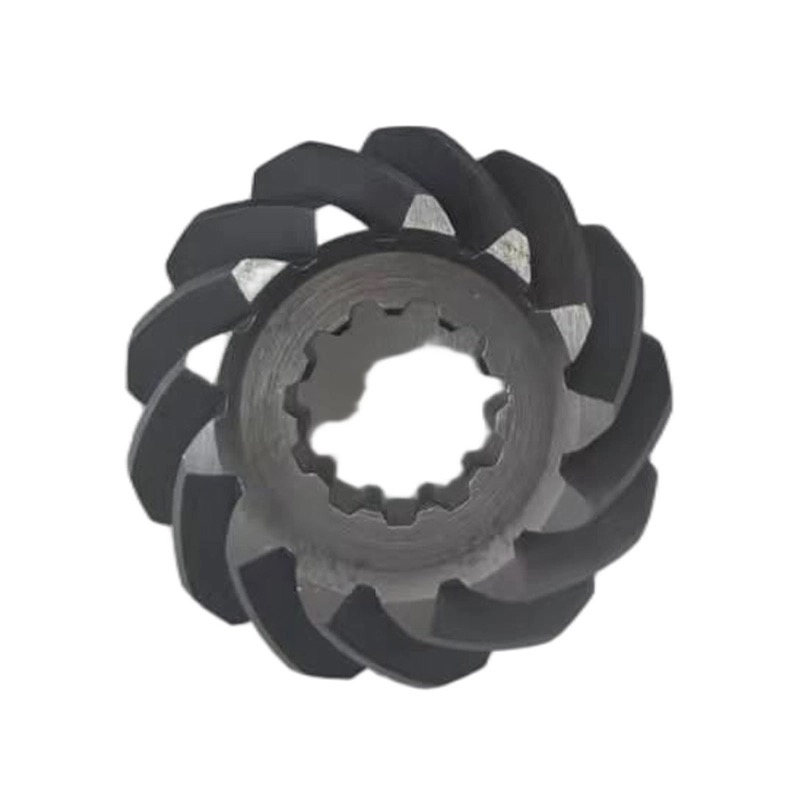
No. A major powerhead rebuild usually costs more than a routine gearcase repair. But an extensive lower unit failure can cost more than a limited powerhead repair. Compare diagnosed, completed repair quotes—not component names.
Not by itself. Milky *gearcase* lubricant points toward possible water in the lower unit. It does not establish the condition of the powerhead. Have the source confirmed and the gearcase inspected.
No. A damaged propeller can be a separate repair, but a significant strike may also bend the propeller shaft or damage the gearcase. Inspection determines the scope.
It depends on the rest of the assembly. The shop should inspect the housing, shafts, bearings, seals, and other affected components. Rebuilding is more attractive when the housing is sound and the required parts and labor compare favorably with replacement.
Not automatically. Low compression is a diagnostic finding. Further testing and inspection should establish the cause and whether a focused repair, rebuild, or replacement makes sense.
Provide the engine make, exact model, serial information, gearcase details, relevant part identification, photographs, and inspection findings. This helps a supplier check compatibility before you commit to a part that may not suit the assembly.
1. [Yamaha Outboards — "Lower Unit Maintenance"]. Manufacturer guidance on lower unit function, propeller-shaft seal risks, lubricant inspection, water intrusion, pressure testing, and published service intervals. [yamahaoutboards]
2. [Mercury Marine — "FourStroke Maintenance"]. Manufacturer guidance on inspecting gear oil for water and metal, scheduled maintenance, and the use of compression checks in servicing. [mercurymarine]
3. [Mercury Marine — "Propeller Maintenance"]. Manufacturer guidance on checking the propeller shaft after a substantial bottom strike. [mercurymarine]
4. [Boat Repair Miami — "Outboard Engine Repair Cost Miami: 2026 Price Guide"]. Published local estimates for lower unit seal repairs, gearcase rebuilds, powerhead rebuilds, and diagnostic work; cited as a regional example, not a universal price list. [boatrepairmiamifl]
5. [OnlineOutboards — "Rebuilding Your Outboard: Understanding the Costs Involved"]. Industry discussion of powerhead rebuild costs, damage extent, labor, parts availability, and rebuild-versus-repower decisions. [onlineoutboards]
6. [Yamaha Outboard Maintenance — "How to Do a Yamaha Outboard Leak Down Test"]. Explanation of cylinder leak-down testing and its distinction from compression testing; model-specific service instructions should govern any test. [yamahaoutboardmaintenance]


