


close
Choose Your Site
Global
Social Media
Views: 217 Author: Gill Transmission Parts Publish Time: 2026-07-04 Origin: Site


Content Menu
● Understanding Crankshafts in Different Engines
● Marine Crankshafts: Duty Cycle and Environment
● Automotive Crankshafts: Road Conditions and Use Patterns
● Core Design Differences: Marine vs Automotive Crankshafts
>> Material Selection and Surface Treatment
>> Geometry, Bearing Design, and Counterweights
>> Ancillary Features, Snout Design, and Compatibility
● Duty Cycle: Why Load Profiles Matter
● Safety and Compliance in Marine Environments
● Why "Marinizing" an Automotive Crankshaft is a High‑Risk Shortcut
● Industry Case Insight: Marine vs Automotive Crank in Practice
● Expert View: Why OEM Marine Crankshafts Protect Total Cost of Ownership
● How Specialized Marine Manufacturers Add Value
● Practical Checklist: Selecting a Marine Crankshaft (Step‑by‑Step)
● Summary Table: Marine vs Automotive Crankshafts
● Clear CTA: Why You Should Prioritize Purpose‑Built Marine Crankshafts
● FAQ
Marine crankshafts and automotive crankshafts are engineered for completely different duty cycles, environments, and safety requirements, which is why they should never be treated as interchangeable components. From a marine industry and OEM manufacturing perspective, trying to "marinize" an automotive crankshaft is a high‑risk shortcut that can compromise reliability, compliance, and total lifecycle cost. [marineenginedigest]
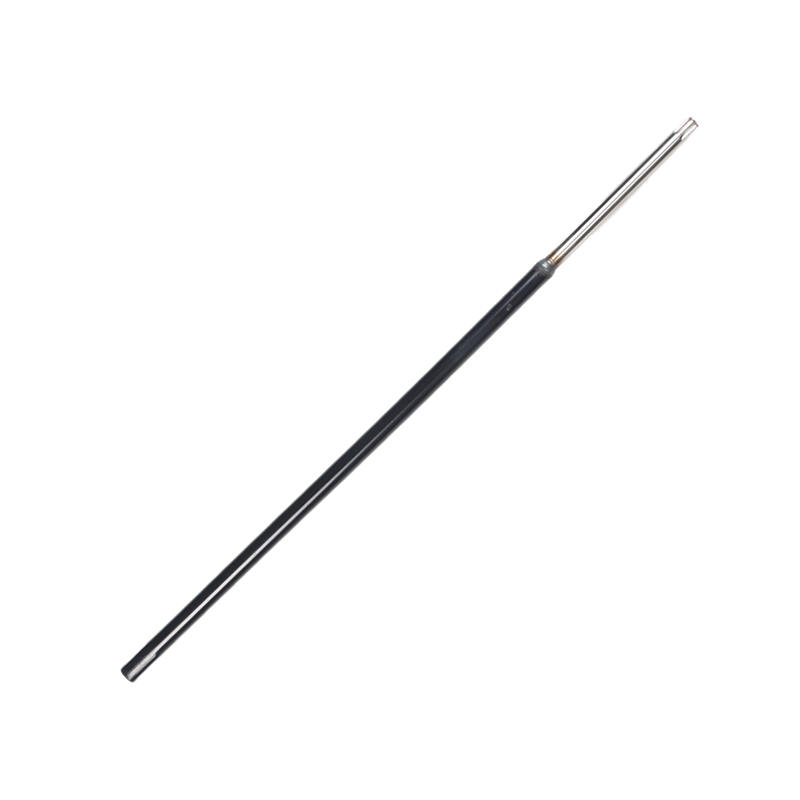
A crankshaft converts the reciprocating motion of pistons into rotational power that drives the propeller in marine engines or the drivetrain in vehicles. In both sectors, it is a critical rotating component where design, material, and machining quality directly determine engine durability and performance. [nautilusshipping]
Marine and automotive crankshafts share a common mechanical principle, but they do not share the same operating context: marine engines run at more constant load, face salt‑water corrosion, and must comply with specific marine safety standards, while automotive engines experience frequent load changes, higher transient revs, and different cooling and lubrication dynamics. [en.wikipedia]
Marine crankshafts are designed for engines that push boats and ships through water, often at sustained high load for long periods. In applications such as inboard and outboard propulsion, the crankshaft must deliver high torque at relatively moderate RPM, with minimal failure risk under continuous operation. [obfe]
Key environmental constraints include:
- Constant exposure to moisture and salt, leading to aggressive corrosion if materials and treatments are not optimized. [marineenginedigest]
- Higher thermal and mechanical stress due to long‑duration operation under load, often close to the engine's rated power band. [marineenginedigest]
- Regulatory and classification requirements for marine engines, which influence material selection and quality control standards for critical parts like crankshafts. [nautilusshipping]
Because of this, marine crankshafts typically favor robustness and corrosion resistance over low cost and weight savings, reflecting a "severe duty cycle" design philosophy. [nautilusshipping]
By contrast, automotive crankshafts are optimized for engines that operate under highly variable loads: city driving, highway cruising, acceleration, deceleration, and frequent start‑stop cycles. The design focus is on a different mix of attributes: [carinterior.alibaba]
- Broad RPM range, with frequent operation in transient conditions (acceleration and engine braking).
- Emphasis on fuel economy, NVH (noise, vibration, harshness) and weight reduction, especially in modern passenger cars. [carinterior.alibaba]
- Operating environment defined by road conditions, ambient air, and automotive cooling and lubrication systems, rather than saltwater and marine exhaust back‑pressure. [en.wikipedia]
Automotive crankshafts may be perfectly adequate for vehicles, but their design assumptions do not match the sustained‑load, saltwater‑rich conditions of marine engines, making direct substitution a reliability and safety risk. [obfe]
From an engineering and manufacturing standpoint, several core design differences explain why marine and automotive crankshafts are not interchangeable.
Marine crankshafts usually employ higher‑strength alloys and enhanced surface treatments to resist corrosion and fatigue. This can include: [obfe]
- Larger main journals and crank pins for better load distribution.
- Specialized nitriding, induction hardening, and coating strategies extended to surfaces at greater risk of saltwater contamination.
Automotive crankshafts, especially in mass‑market passenger cars, may prioritize cost‑effective materials and lightweight designs to reduce friction and improve efficiency, but that trade‑off is not acceptable for high‑duty marine applications. [carinterior.alibaba]
Marine crankshafts often incorporate larger bearings, more substantial webs, and different counterweight design to cope with high torque, heavy propellers, and continuous operation. In practice, marine variants of similar displacement engines frequently look "beefier" and cleaner in their machining compared with automotive counterparts, reflecting stricter machining and balance requirements. [sytyforums]
Automotive crankshafts may use smaller or differently arranged journals and counterweights optimized for vehicle chassis dynamics, transmission ratios, and high‑RPM power delivery, not for propeller load curves. [marineenginedigest]
Real‑world comparisons show that even when a marine crankshaft and an automotive crankshaft seem similar on paper, key features such as the snout and shoulders can differ, changing how timing gears, pulleys, and couplings fit. A marine crank may have its snout machined differently, or lack certain shoulders present on the automotive version, which directly affects the ability to mount critical engine components. [forwardlook]
These seemingly "minor" geometric differences mean that swapping an automotive crankshaft into a marine engine is often not a direct fit and risks misalignment, improper gear seating, and premature failure of connected parts. [forwardlook]
From a specialist's viewpoint, duty cycle is one of the most misunderstood reasons why marine and automotive crankshafts cannot be treated as equivalent.
- A marine engine may run near its rated power for hours while cruising, subjecting the crankshaft to continuous bending, torsion, and thermal stress. [nautilusshipping]
- An automotive engine spends much of its life at partial load, with transient high‑load events but relatively shorter sustained periods at maximum output. [carinterior.alibaba]
Marine crankshafts must be designed for fatigue resistance under constant load, whereas automotive crankshafts can accept a different stress profile. Using an automotive crank in marine service effectively exposes it to a duty cycle it was never tested for, increasing the risk of fatigue cracks and catastrophic failure. [obfe]
From both a user safety and regulatory compliance perspective, marine crankshafts carry obligations that automotive components do not.
Marine engines are subject to:
- Strict safety standards to minimize the risk of fire, explosion, or flooding due to engine failure. [en.wikipedia]
- Requirements around back‑flow of water through the exhaust, thermal management of enclosed engine rooms, and fail‑safe operation in emergency scenarios. [en.wikipedia]
Crankshaft design interacts with these factors through:
- Torque curve shaping (via coordinated choices in crankshaft, camshaft, and overall engine geometry) to avoid conditions likely to draw water back into cylinders. [marineenginedigest]
- Robustness of main bearing support and journal design for high reliability under marine conditions. [nautilusshipping]
An automotive crankshaft, lacking these marine‑specific safety design and validation processes, becomes a liability if placed in a hull where failure can endanger the crew and vessel. [en.wikipedia]
The temptation to install a cheaper automotive crankshaft in a marine engine is well documented, but professional guidance is clear: an unmodified automotive engine (including its crankshaft) is totally inappropriate as a boat motor. [marineenginedigest]
Attempts to "marinize" an automotive crankshaft typically run into three core problems:
1. Torque curve mismatch – automotive engines tuned for high‑RPM horsepower rather than low‑end torque struggle to deliver efficient, safe propulsion when coupled to marine propellers. [carinterior.alibaba]
2. Component robustness – light‑duty automotive blocks and crankshafts (often with fewer main bearing bolts and lighter webs) lack the structural margin required for sustained marine duty. [nautilusshipping]
3. Corrosion and sealing – automotive components and gaskets are not specified for prolonged saltwater and moisture exposure, leading to accelerated wear and potential leaks. [obfe]
From an expert's perspective, the cost savings on the crankshaft are quickly outweighed by increased risk of downtime, repair costs, and safety incidents, making such conversions poor value for serious operators. [marineenginedigest]
Practical comparisons between marine and automotive crankshafts of similar displacement engines reveal visible differences that matter in real service:
- Marine versions often show cleaner machining, fewer casting marks, and heavier sections, indicating higher standards for balance and strength. [sytyforums]
- Automotive versions may show lighter cross‑sections and different snout shoulders, optimized for automotive timing gear and accessory drive rather than marine couplings. [forwardlook]
Operators and rebuilders who have attempted direct swaps frequently report that even when a crankshaft can be physically installed, fitment compromises and unknown fatigue margins make it unsuitable for professional marine use. [sytyforums]
As a marine OEM and transmission parts specialist, the expert recommendation is straightforward: specify purpose‑built marine crankshafts instead of repurposed automotive units. [nautilusshipping]
For fleet owners, boatyards, and distributors, the benefits include:
- Predictable reliability under the duty cycles and environmental conditions the engine is actually exposed to. [marineenginedigest]
- Lower lifecycle cost, because properly specified crankshafts reduce unplanned downtime and major engine failures. [nautilusshipping]
- Assured compliance with marine standards and insurance requirements, which often assume use of approved marine components. [en.wikipedia]
In B2B procurement, shifting from a "lowest unit price" mindset to a total cost of ownership mindset is essential; the crankshaft is a strategic component, not a commodity spare. [carinterior.alibaba]
Established marine transmission and propulsion manufacturers in China have spent decades refining gear, shaft, and related component design for outboard and inboard applications. Companies with over 20 years of marine gear experience and large, modern production facilities are able to: [gilltransmission]
- Integrate advanced machining and quality control for critical rotating parts such as drive shafts and propeller shafts, practices that translate directly into consistent crankshaft manufacturing. [gilltransmission]
- Offer OEM and custom solutions for outboard lower unit parts, aligning crankshaft and shaft geometry with specific engine models and propeller configurations. [gilltransmission]
From a buyer's perspective, partnering with a specialist marine supplier ensures that crankshaft specification, design, and production are aligned with broader propulsion system performance and reliability targets, rather than adapted from automotive assumptions. [gilltransmission]
For technical buyers, maintenance managers, and distributors, the following step‑by‑step checklist helps structure crankshaft selection and procurement:
1. Confirm the engine's marine duty cycle
- Continuous power rating, typical cruising RPM, and peak torque requirements. [marineenginedigest]
2. Specify material and treatment requirements
- Alloy grade, hardness profile, and corrosion‑resistant treatments suitable for saltwater exposure. [obfe]
3. Validate geometry and fitment
- Journal diameters, snout design, counterweight layout, and compatibility with timing gears, couplings, and bearings. [forwardlook]
4. Assess supplier capabilities
- Experience in marine components, factory scale, and ability to offer OEM/custom machining for specific marine engines. [jecd.en.alibaba]
5. Evaluate documentation and testing
- Fatigue and balance reports, inspection certificates, and traceability for each crankshaft batch. [nautilusshipping]
Using this checklist helps ensure that crankshafts are correctly specified for marine use, minimizing the temptation to rely on non‑marine automotive alternatives.
| Aspect | Marine Crankshaft | Automotive Crankshaft |
|---|---|---|
| Primary environment | Saltwater, high humidity, enclosed engine rooms (marineenginedigest) | Road environment, ambient air, vehicle cooling (carinterior.alibaba) |
| Duty cycle | Long‑duration, high load, steady RPM (marineenginedigest) | Variable load, transient high RPM, frequent start‑stop (carinterior.alibaba) |
| Design focus | Durability, corrosion resistance, safety & compliance (marineenginedigest) | Efficiency, emissions, NVH, cost and weight reduction (carinterior.alibaba) |
| Materials & treatment | Heavy‑duty alloys, enhanced hardening/coatings (obfe) | Optimized for cost and automotive lifecycles (carinterior.alibaba) |
| Geometry & bearings | Larger journals, robust webs, marine‑specific balance (obfe) | Lighter sections, automotive‑specific snout and shoulders (forwardlook) |
| Safety and regulation | Must meet marine standards and classification (marineenginedigest) | Meets automotive standards, not marine regulations (en.wikipedia) |
| Interchangeability | Not interchangeable with automotive designs (marineenginedigest) | Not validated or safe for marine duty (marineenginedigest) |
For OEMs, shipyards, distributors, and maintenance teams, the conclusion from both engineering practice and industry experience is clear: do not treat automotive crankshafts as suitable replacements for marine crankshafts. [obfe]
If you're planning a propulsion system upgrade, lower unit overhaul, or new build, work with a specialized marine components manufacturer that understands:
- Long‑term marine duty cycles and torque requirements.
- Saltwater corrosion and material behavior over years of service.
- Regulatory and safety constraints that define acceptable crankshaft performance. [en.wikipedia]
Choosing purpose‑built marine crankshafts is one of the simplest and most impactful ways to protect your vessel, your crew, and your total cost of ownership.
Q1: Can an automotive crankshaft be used in a marine engine if it "fits"?
Even if an automotive crankshaft can be physically installed, its geometry, material, and fatigue design are not validated for marine duty cycles, making it unsuitable and unsafe for serious marine applications. [forwardlook]
Q2: Why do marine crankshafts need different materials?
Marine crankshafts must withstand sustained high load and saltwater exposure, which demands higher‑strength alloys and specific surface treatments to resist corrosion and fatigue compared with typical automotive components. [obfe]
Q3: Are marine crankshafts always heavier than automotive ones?
Marine crankshafts often appear more robust, with larger journals and webs, because they are designed for continuous heavy load and safety margins, rather than the weight‑optimized designs common in modern automotive engines. [sytyforums]
Q4: What is the main risk of "marinizing" a car engine crankshaft?
The main risks are torque curve mismatch, insufficient structural robustness, and inadequate corrosion resistance, which collectively raise the probability of serious engine failures in marine service. [carinterior.alibaba]
Q5: How should marine operators choose a crankshaft supplier?
Marine operators should prioritize suppliers with proven marine transmission expertise, advanced machining capabilities, and the ability to provide documented quality control and OEM/custom solutions tailored to specific marine engines. [gilltransmission]
1. Marine Engine Digest – "Learn the Difference Between Marine and Car Engines" https://www.marineenginedigest.com/specialreports/marinevauto.htm
2. Nautilus Shipping – "Exploring Main Engine Crankshaft: Types, Materials, Applications" https://nautilusshipping.com/news-and-insights/main-engine-crankshaft-types-and-materials-explained
3. OBFE – "Types and Applications of Crankshafts: A Comprehensive Guide" https://www.obfe.cn/news/134.html
4. Wikipedia – "Marine automobile engine" https://en.wikipedia.org/wiki/Marine_automobile_engine
5. SyTy.net Forums – "stock 4.3 crankshaft vs marine 4.3 crankshaft" https://www.sytyforums.com/threads/stock-4-3-crankshaft-vs-marine-4-3-crankshaft.107081/
6. ForwardLook – "Marine Crank. What's the diff between this and the Auto version?" http://www.forwardlook.net/forums/forums/thread-view.asp?tid=34865
7. Gill Transmission – Official Website and About Us https://www.gilltransmission.com/ https://www.gilltransmission.com/aboutus.html
8. Alibaba – Company overview of Ningbo Gill Transmission Parts Co., Ltd. https://jecd.en.alibaba.com/zh_CN/company_profile/transaction_level.html
9. Alibaba Buying Guides – "Crankshaft Types: Choose the Right One by Use Case" https://carinterior.alibaba.com/buyingguides/crankshaft-types-choose-right-by-use-case


