


close
Choose Your Site
Global
Social Media
Views: 212 Author: Gill Transmission Parts Publish Time: 2026-08-01 Origin: Site


Content Menu
● Why This Terminology Confusion Exists
● Core Technical Differences: Drive Shaft vs Prop Shaft
● What 29 Years in Marine Shaft Manufacturing Has Taught Us
● Industry Data: Why Shaft Precision Is a Growing Priority
● Practical Buying Guide: Choosing Between Shaft Types
>> A Simple Step-by-Step Selection Process
● Common Misconceptions Worth Clearing Up
● Recreational vs Commercial Applications
● Making the Right Choice for Your Vessel
Marine drive shafts and boat driveshafts are essentially the same core component, but the terminology often signals subtle differences in application, design specification, and industry context. Understanding these nuances matters for boat builders, fleet operators, and procurement teams sourcing propulsion components for commercial or recreational vessels.
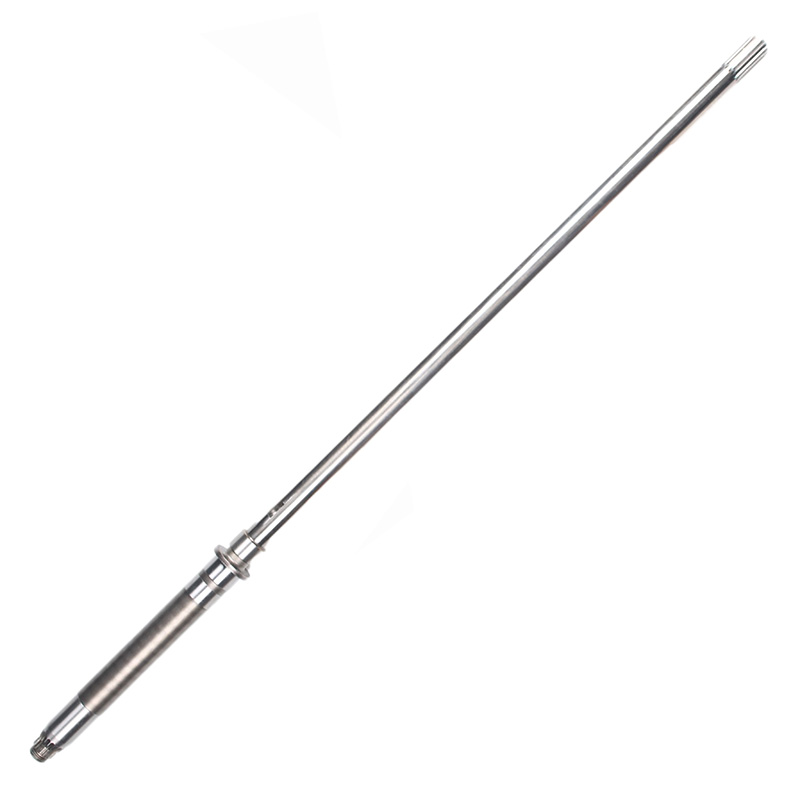
In the marine propulsion world, "drive shaft" and "driveshaft" are frequently used interchangeably by buyers, but engineers and manufacturers draw finer distinctions based on vessel type, torque requirements, and shaft geometry. A marine drive shaft typically refers to the broader engineering category covering straight shafts used in inboard propulsion systems that transfer rotational power from the engine or gearbox directly to the propeller. A boat driveshaft, meanwhile, is often the term recreational boaters and smaller vessel operators use for the same physical part, without necessarily distinguishing between shaft types like straight shafts, flexible couplings, or universal-jointed configurations.
The confusion deepens because some marine systems use prop shafts or propeller shafts, which behave differently from a standard rigid drive shaft. Prop shafts are designed with flexibility to accommodate angle changes between the engine and propeller, especially important in vessels where the engine sits at a different plane than the drive line.
While marine drive shafts and boat driveshafts describe largely the same component family, the underlying engineering can vary significantly depending on whether the system uses a rigid shaft or a flexible prop shaft configuration.
| Aspect | Rigid Marine Drive Shaft | Flexible Prop/Boat Shaft |
|---|---|---|
| Design | Straight, rigid structure | Flexible, angle-adaptive |
| Power transfer | Direct engine-to-propeller | Accommodates shaft angle variation |
| Space requirement | Compact, space-saving | Requires more clearance |
| Best suited for | Inboard, straight-line propulsion | Angled installations, V-drive setups |
| Maintenance profile | Lower complexity | Requires more frequent joint checks |
Source: comparative engineering data on drive shaft and prop shaft design differences
Both configurations fall under what most buyers casually call a "boat driveshaft," but specifying the correct type during procurement prevents premature wear, vibration issues, and costly downtime.
As a manufacturer that has spent nearly three decades producing drive shafts, propeller shafts, spiral bevel gears, and outboard gear systems for marine applications, we have seen firsthand how misclassification of shaft types leads to failed installations. Vessel builders frequently submit specifications using generic terminology, only to discover during sea trials that torque tolerances, shaft diameter, or alignment angle were mismatched to the intended propulsion layout.
Three recurring lessons from decades of production and field feedback stand out:
1. Material selection changes performance outcomes. Stainless steel and forged alloy shafts resist saltwater corrosion far better than standard carbon steel, extending service life in commercial fishing and offshore applications.
2. Balance and alignment errors cause the majority of premature failures. Even a well-manufactured shaft will vibrate excessively and wear bearings faster if installed even slightly out of alignment with the engine coupling.
3. Classification society approval matters for commercial vessels. Shafts intended for larger commercial craft often require inspection and certification programs, similar to ABS-certified repair and inspection standards used across the marine driveshaft industry.
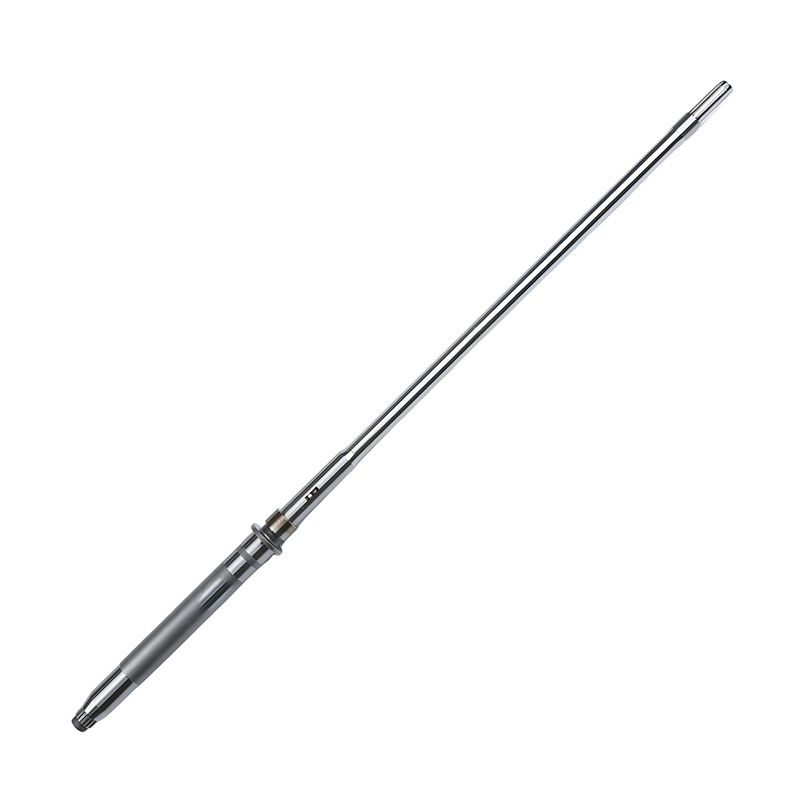
The global marine transmission systems market, valued at approximately USD 29.4 billion in 2025, is projected to reach USD 34.4 billion by 2032. This growth is driven by expanding global shipping, rising recreational boating demand, and stricter international maritime emissions regulations that push manufacturers toward more efficient, precisely engineered propulsion components.
Parallel to this, the marine gearbox market—closely tied to drive shaft demand—was valued at over USD 7.15 billion in 2025 and is expected to cross USD 11.1 billion by 2035, growing at more than 4.5% annually. Asia-Pacific is currently leading growth in marine engine transmission demand due to rapid industrialization and expanding maritime infrastructure. These figures underscore a clear industry reality: as vessels get more sophisticated, the tolerance for shaft misclassification and manufacturing error shrinks considerably.
Selecting the right marine drive shaft or boat driveshaft requires evaluating several practical factors before placing an order.
- Vessel type: Commercial cargo, fishing trawlers, and yachts each demand different torque and durability profiles.
- Propulsion layout: Straight inboard setups favor rigid drive shafts; angled installations often need flexible prop shaft designs.
- Operating environment: Saltwater exposure calls for corrosion-resistant alloys over standard steel.
- Load and horsepower rating: Undersized shafts fail under sustained high-torque conditions.
- Certification requirements: Commercial vessels may need classification society sign-off before installation.
1. Confirm your vessel's horsepower and torque output from the engine manufacturer's specification sheet.
2. Measure the exact distance and angle between the engine coupling and propeller shaft seal.
3. Identify whether saltwater, brackish, or freshwater exposure applies to select appropriate shaft material.
4. Consult with a manufacturer experienced in marine-grade shaft engineering to confirm diameter, spline configuration, and coupling compatibility.
5. Request documentation or certification if the vessel falls under commercial classification requirements.
Many buyers assume that any "drive shaft" will work interchangeably across engine brands or vessel classes, but this is rarely accurate. Shaft diameter, spline count, and coupling flange dimensions are highly specific to the propulsion system in use. Swapping a generic boat driveshaft into a system designed for a precision marine drive shaft can introduce vibration, accelerate bearing wear, and even risk shaft failure at sea.
Another misconception is that flexible prop shafts are always superior because of their adaptability. In reality, rigid shaft drives typically offer better fuel efficiency and lower long-term maintenance costs for vessels with straight-line propulsion layouts, while flexible systems suit specific angled installations better.
The terminology gap between "marine drive shaft" and "boat driveshaft" often reflects the audience using the term. Recreational boaters and hobbyists commonly use "boat driveshaft" casually, while shipbuilders, naval engineers, and commercial fleet operators favor precise terms like "marine drive shaft," "prop shaft," or "tail shaft" to specify exact component types during procurement.
This distinction becomes especially important for growing segments like offshore renewable energy platforms and autonomous vessels, where digital control systems and IoT-enabled monitoring are increasingly integrated with propulsion shaft assemblies. As these vessel categories expand, precise component specification will only become more critical.
Choosing between what's commonly called a marine drive shaft or a boat driveshaft ultimately comes down to matching the component's engineering specification to your vessel's actual propulsion requirements—not the terminology used to describe it. Working with an experienced marine parts manufacturer ensures your shaft, coupling, and gear specifications align precisely with your engine output and vessel design, reducing costly rework and extending service life.
If you're sourcing drive shafts, propeller shafts, or gear systems for a new build, retrofit, or fleet maintenance project, reach out to a manufacturer with proven decades of marine engineering experience to get precise, application-specific recommendations before you order.
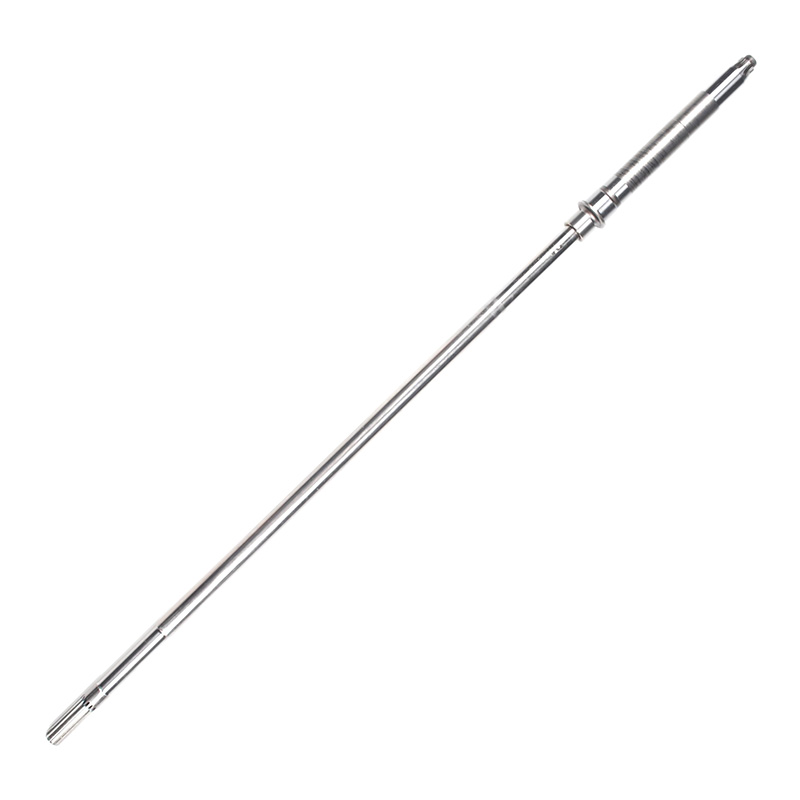
Q1: Are marine drive shafts and boat driveshafts truly interchangeable terms?
In most everyday conversations, yes—both refer to the shaft that transfers power from the engine to the propeller. Technically, however, "marine drive shaft" often implies a broader engineering classification that may include rigid or flexible designs, while "boat driveshaft" is a more casual, general term.
Q2: How often should a marine drive shaft be inspected?
Industry practice typically recommends lifting and inspecting shaft drives every six months for a general check, with more frequent inspections every two to three months in high-use or harsh saltwater environments.
Q3: What materials are best for marine drive shafts in saltwater?
Stainless steel, forged alloy steel, and corrosion-resistant composites are the preferred choices, as they resist the accelerated corrosion that standard carbon steel experiences in saltwater exposure.
Q4: Do commercial vessels require certified drive shafts?
Yes, many commercial vessels require classification society approval, and shafts often go through certified inspection and repair programs to meet safety and regulatory standards.
Q5: What's the difference between a drive shaft and a prop shaft on a boat?
A drive shaft is typically straight and rigid, transferring power in a direct line, while a prop shaft is engineered with flexibility to accommodate angle changes between the engine and propeller.
Q6: Why is the marine transmission market growing so fast?
Growth is driven by expanding global shipping, rising recreational boating demand, stricter emissions regulations, and increasing adoption of hybrid and electric propulsion technologies.
- [Driveshaft and Propshaft: What's the Difference?] — Comparative analysis on drive shaft and prop shaft design distinctions.
- [Marine Transmission Systems Market Size & Forecast] — Industry market report on marine transmission systems growth and drivers (2025–2032).
- [Ningbo Gill Transmission Parts Co., Ltd. — Company Overview] — Manufacturer profile detailing drive shaft, propeller shaft, and gear production expertise.
- [Driveshaft Solutions for Marine Power Transmission] — Industry resource on classification society approval and ABS-certified driveshaft inspection programs.
- [How to Choose A Boat - 4 Major Drive Types Explained] — Guide comparing shaft drive, sterndrive, and other propulsion configurations.
- [Marine Engine Transmissions Market Size 2026] — Market analysis on hybrid propulsion, smart transmission management, and regional growth trends.
- [Marine Gearbox Market Size, Trends & Forecast Report] — Market data on marine gearbox industry growth projections through 2035.
- [Ningbo Chuanjing Transmission Technology Co., Ltd.] — Manufacturer profile listing drive shaft, propeller shaft, and related product lines.
- [Shaft Drives - Understanding Components and Best Maintenance] — Maintenance guide covering shaft drive inspection intervals and upkeep practices.


