


close
Choose Your Site
Global
Social Media
Views: 233 Author: Gill Transmission Parts Publish Time: 2026-08-11 Origin: Site


Content Menu
● What Is an Aftermarket Replacement Shaft?
● OEM vs Aftermarket Drive Shafts at a Glance
● Fitment and Compatibility: The First Decision Point
● Material Quality and Manufacturing Control
● Balancing, Runout, and Vibration Control
● Customization: Where Aftermarket Shafts Can Add Value
● Lifecycle Cost: Look Beyond the Purchase Price
● Installation Matters as Much as the Shaft
● How to Select the Right Replacement Shaft Supplier
>> Supplier Evaluation Checklist
● When Should You Choose OEM Drive Shafts?
● When Should You Choose Aftermarket Replacement Shafts?
● FAQ
>> 1. Are aftermarket replacement shafts lower quality than OEM drive shafts?
>> 2. Can an aftermarket drive shaft replace an obsolete OEM marine shaft?
>> 3. What information is needed to quote a replacement drive shaft?
>> 4. Why does drive shaft balancing matter in marine applications?
>> 5. Can a drive shaft be customized for a repowered vessel?
>> 6. How can I reduce the risk of ordering the wrong marine drive shaft?
>> 7. Is the lowest-priced replacement shaft always the best value?
Choosing between OEM drive shafts and aftermarket replacement shafts is not simply a purchasing decision. For marine operators, boatbuilders, repair yards, and distributors, it directly affects propulsion reliability, installation time, lifecycle cost, and vessel availability.
At Ningbo Gill Transmission Parts Co., LTD., we have spent 29 years working in the development, production, and supply of drive shafts and marine transmission components. One lesson remains consistent: the best replacement shaft is not automatically the one with the lowest price, the original brand label, or the fastest quoted delivery. It is the shaft that accurately matches the vessel's operating conditions, connection geometry, torque demand, speed range, alignment condition, and documentation requirements.
This guide compares OEM drive shafts vs aftermarket replacement shafts from the perspective of a marine parts manufacturer and a practical buyer. It explains where each option fits, how risks arise, and how to make a confident sourcing decision.
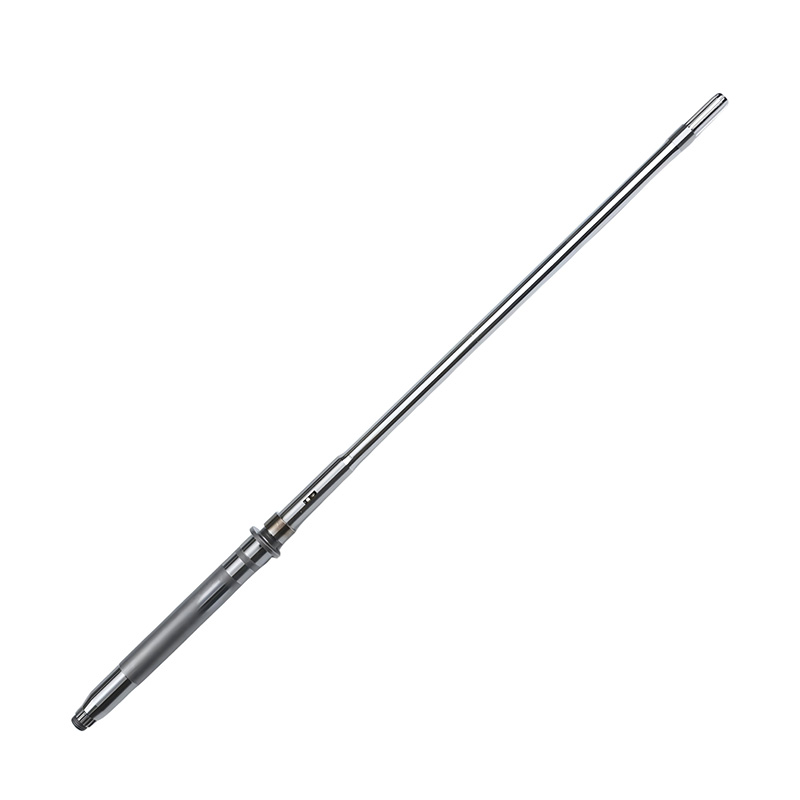
An OEM drive shaft is supplied by, or specifically approved for, the original vessel builder, engine manufacturer, gearbox manufacturer, or propulsion-system brand. It is generally produced to the original equipment drawing, part number, dimensions, materials, and defined performance requirements.
In marine applications, an OEM shaft may be ordered through the original equipment channel even when the physical manufacturing work is performed by a specialist supplier. What matters to the buyer is that the part is delivered as the designated original-specification component.
An OEM marine drive shaft typically offers:
- Direct correspondence with the original part number
- Defined compatibility with the original propulsion configuration
- Established technical documentation and traceability
- Lower uncertainty for vessels under warranty or strict owner specifications
- Familiar purchasing procedures for maintenance teams
However, "OEM" should not be treated as a universal guarantee of the best sourcing outcome. Availability, lead time, commercial flexibility, and access to engineering modifications can be limited—particularly for older vessels, discontinued models, or urgent repair projects.
An aftermarket replacement shaft is manufactured and supplied outside the original equipment brand's sales channel. It may be built as a direct replacement for an existing shaft or engineered as a custom component based on verified technical requirements.
Aftermarket does not automatically mean low quality. The aftermarket category is broad. It includes basic low-cost copies, professionally engineered replacement parts, upgraded components, and fully customized shaft assemblies for marine propulsion systems.
A qualified aftermarket replacement shaft supplier should be able to work from:
- Original part numbers and equipment records
- Customer drawings and dimensional sketches
- Physical samples or failed-shaft measurements
- Torque, power, RPM, and operating-duty data
- Flange, spline, keyway, yoke, or coupling specifications
- Material, surface-treatment, and balancing requirements
The key distinction is verification. A replacement shaft should never be selected solely because it looks similar to the removed component. In marine service, small variations in length, spline form, flange face, runout, material grade, or balance condition can create significant installation and operating problems.
| Buying Factor | OEM Drive Shafts | Aftermarket Replacement Shafts |
|---|---|---|
| Design basis | Original equipment specification | Original specification, reverse-engineered data, or custom project requirements |
| Fitment confidence | High when the correct original part number is confirmed | High when dimensions and technical data are fully verified |
| Lead time | Can be longer for legacy or low-volume parts | Often more flexible, especially for custom replacement needs |
| Customization | Usually limited to the original design | Can support length, flange, material, coating, and configuration changes |
| Documentation | Typically follows the original brand's process | Depends on the manufacturer's inspection and quality-control capability |
| Price structure | Often includes brand-channel and distribution costs | Can be more competitive, especially for repeat orders or custom batches |
| Older equipment support | May be limited for obsolete models | Often suitable for legacy, modified, or non-standard installations |
| Risk level | Lower part-selection risk, but not zero | Depends heavily on supplier engineering, production control, and data verification |
The practical conclusion is simple: OEM is a sourcing route; quality is an engineering result.
For a marine drive shaft, compatibility means far more than matching the outside diameter. A shaft must integrate correctly with the complete power-transmission system, including the engine, gearbox, coupling, bearing arrangement, propeller-side components, and operating environment.
An OEM drive shaft is usually the simplest route when the vessel has a confirmed original part number, unchanged machinery, accessible dealer support, and a requirement to retain original-brand procurement.
An aftermarket replacement shaft can be the stronger choice when the original part is unavailable, the vessel has been modified, the shaft must be redesigned for a different length or connection, or the owner needs a faster and more flexible supply solution.
Before approving either option, confirm these points:
1. Overall length and installation length: Measure the relevant shaft reference points, not only the visible tube or bar length.
2. Connection style: Confirm flange pattern, pilot diameter, bolt dimensions, spline profile, keyway, yoke, or coupling interface.
3. Power and torque: State rated power, maximum torque, shaft speed, start-stop duty, and overload conditions.
4. Material requirements: Identify the required shaft material, mechanical properties, corrosion exposure, and heat-treatment expectations.
5. Runout and straightness: Set measurable acceptance requirements before production begins.
6. Balancing requirements: Define whether dynamic balancing is required and the applicable balance grade or project standard.
7. Installation environment: Consider seawater exposure, temperature, vibration, bearing arrangement, and available maintenance access.
A part number is useful. A verified technical data pack is better.
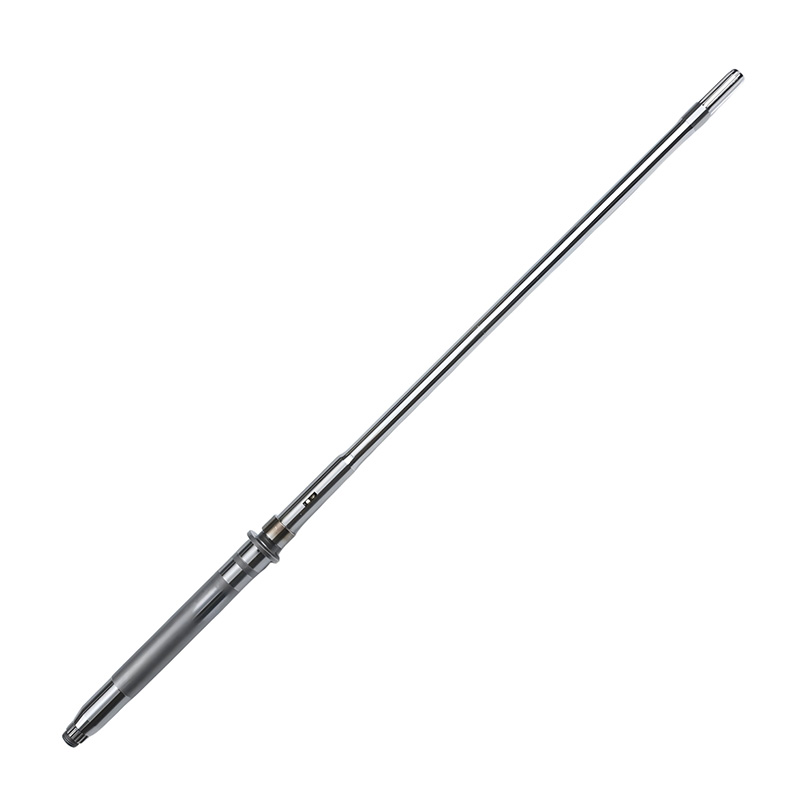
Marine drive shafts operate in an environment where corrosion, cyclic loading, vibration, contamination, and alignment changes can act together. For that reason, the comparison between OEM and aftermarket replacement shafts should focus on manufacturing controls rather than labels alone.
A well-specified shaft program should address material traceability, machining accuracy, surface condition, and inspection records. Depending on the component and service application, this may include material certificates, hardness checks, dimensional reports, non-destructive testing, and balancing documentation.
The most common quality risks are not always visible at delivery. They may include:
- Incorrect steel grade or incomplete material records
- Poorly machined splines, keyways, or flange fits
- Inadequate surface protection in corrosive service
- Excessive runout after machining or assembly
- Missing balance control for rotating assemblies
- Weak weld integrity on fabricated shaft assemblies
- Incorrect coupling-bolt, key, or fastener specifications
A good OEM component should have controlled production requirements. A capable aftermarket manufacturer can provide the same disciplined approach when the project specification is clear and the supplier has the necessary engineering and inspection capability.
For buyers, the correct question is not "Is it OEM or aftermarket?" It is: What evidence proves that this shaft will perform in my application?
Shaft balance is often underestimated during price-driven sourcing. Yet an apparently minor imbalance can contribute to vibration, bearing loading, seal wear, coupling stress, noise, and reduced component life.
Marine propulsion shafting is especially sensitive because the shaft does not work independently. It interacts with bearings, couplings, gearboxes, propellers, hull structure, and changing load conditions. A correct replacement shaft must therefore be evaluated as part of a system.
For rigid rotating components, ISO 21940-11 provides procedures and tolerances for residual unbalance. For keyed rotor assemblies, the balancing convention and treatment of fitted components also matter. A shaft balanced in isolation may not perform as expected if the mating flange, key, coupling, or other installed parts are not considered correctly.
Ask the supplier these practical questions:
- Is the shaft dynamically balanced after final machining?
- What balance grade or customer specification is applied?
- Are balance reports available for the delivered assembly?
- Are keyways, flanges, yokes, and coupling components included in the balancing plan?
- How is total indicated runout measured and recorded?
- Is the shaft protected from distortion during handling and transport?
These questions are valuable for both OEM and aftermarket orders. They help move the purchasing discussion from assumptions to measurable acceptance criteria.
The strongest reason to consider a quality aftermarket replacement shaft is often not price. It is adaptability.
Marine vessels frequently remain in service for decades. During that time, propulsion systems may receive new engines, different reduction gearboxes, revised couplings, upgraded bearings, modified hull arrangements, or changes in operating profile. The original shaft design may no longer be the optimal solution.
A specialist aftermarket supplier can support practical changes such as:
- Revised shaft lengths for repowered vessels
- Different flange or coupling interfaces
- Alternative materials for improved service conditions
- Enhanced corrosion protection or coating systems
- Modified shaft geometry for installation constraints
- Replacement of obsolete configurations
- Small-batch production for repair yards and distributors
- Sample-based development when drawings are unavailable
Customization should never mean uncontrolled alteration. Any change to diameter, material, connection geometry, or shaft arrangement must be reviewed against torque transmission, fatigue loading, alignment, vibration, and class or owner requirements.
The best custom replacement project starts with data, not guesswork.
An OEM drive shaft can carry a higher initial purchase cost, but may reduce administrative effort when an exact original replacement is immediately available. In contrast, a professionally made aftermarket replacement shaft may offer lower procurement cost, shorter lead time, or stronger flexibility for repeat fleet maintenance.
Neither option should be evaluated by unit price alone.
A more useful lifecycle-cost calculation includes:
| Cost Element | Why It Matters |
|---|---|
| Purchase price | The visible cost, but only one part of the decision |
| Delivery time | A delayed shaft can extend vessel downtime |
| Installation labor | Incorrect fitment can create additional machining, alignment, or rework work |
| Documentation | Missing material or inspection records can delay acceptance |
| Reliability risk | A premature failure can affect far more than the replacement-part budget |
| Future availability | Consistent access to spare parts supports planned maintenance |
| Technical support | Fast engineering communication reduces uncertainty during repairs |
For urgent repairs, the cost of lost operating time can exceed the price difference between two shafts. For planned fleet maintenance, a verified aftermarket program may create meaningful savings through standardized drawings, repeatable inspection requirements, and predictable replenishment.
A correctly manufactured shaft can still fail early if installation conditions are poor. This is why experienced marine maintenance teams evaluate the entire shaft line rather than replacing one part in isolation.
Alignment affects bearing reactions, misalignment angles, gear contact, shaft runout, and the loads transmitted through the propulsion system. Hull deflection, vessel loading condition, temperature variation, bearing wear, and gearbox position can all influence how the shaft line performs in service.
Before final acceptance, verify:
- Shaft and coupling surfaces are clean and undamaged
- Mating interfaces are correct and fully seated
- Fasteners meet the specified grade and tightening procedure
- Shaft runout is checked after installation
- Bearing conditions are inspected
- Alignment checks are completed where required
- Operating vibration is monitored during commissioning
- Installation and inspection records are retained
For demanding propulsion arrangements, use qualified marine engineers and follow the vessel's applicable technical, owner, and classification requirements. The replacement shaft is one component in a connected rotating system.
Whether you buy an OEM shaft or an aftermarket replacement shaft, use the same disciplined supplier-review process.
- Can the supplier confirm technical requirements before quotation?
- Can it provide drawings, dimensional confirmation, or sample evaluation?
- Are materials controlled and traceable?
- Does the factory have suitable machining and balancing capability?
- Can it provide inspection records relevant to the order?
- Does it understand marine operating conditions and connection systems?
- Can it handle custom, legacy, or low-volume requirements?
- Is there a clear process for resolving drawing changes and nonconformities?
- Can it package and protect finished shafts for international transport?
- Can it support future repeat orders with controlled specifications?
For Ningbo Gill Transmission Parts Co., LTD., a successful project starts with a technical review. Our role is not to push one label over another. It is to help buyers identify the shaft configuration that fits the real equipment and operating conditions.
Choose OEM drive shafts when:
- The vessel remains under original equipment warranty
- The original part number and supply route are readily available
- The owner, charterer, insurer, or project specification requires original-brand parts
- The propulsion configuration has not changed
- Documentation must follow a specific original-equipment process
- Procurement priority is direct original-specification continuity
OEM is often the most straightforward option for standard replacement work where availability and budget are acceptable.
Choose aftermarket replacement shafts when:
- The OEM part is obsolete, unavailable, or has an extended lead time
- You need a custom drive shaft for modified marine equipment
- A repair yard needs fast technical response and flexible production
- You require a repeatable replacement program for a fleet
- You need to match a sample, drawing, or non-standard installation
- You want to evaluate a more cost-effective solution without reducing engineering control
A high-quality aftermarket shaft can be an excellent choice when it is designed, manufactured, inspected, and documented for the actual marine application.
The OEM drive shafts vs aftermarket replacement shafts decision should be based on application evidence, not market perception. OEM parts offer familiarity and original-specification continuity. Aftermarket replacement shafts can provide speed, customization, long-term availability, and commercial flexibility.
For marine drive shafts, the safest sourcing process is to verify the complete technical package: connection details, dimensions, torque, RPM, material, balancing, runout, inspection requirements, and installation conditions. A supplier that asks detailed questions before production is usually protecting your project—not slowing it down.
If you need a replacement or custom marine drive shaft, send Ningbo Gill Transmission Parts Co., LTD. your drawing, part number, sample photos, dimensions, power data, and application details. Our engineering team can help assess the suitable configuration before production begins.
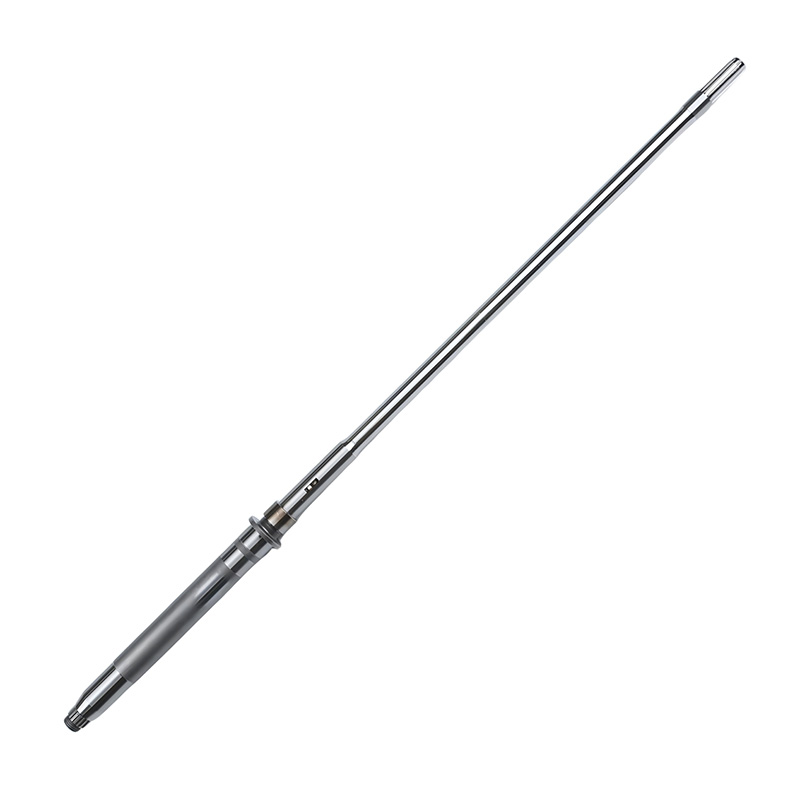
Not necessarily. Aftermarket quality varies significantly by supplier. A professionally engineered aftermarket replacement shaft can match the required fitment, material, machining, balancing, and inspection requirements when it is produced from verified technical data.
Yes. This is one of the most common reasons to use an aftermarket solution. The supplier should confirm all critical dimensions, interfaces, operating requirements, and material specifications before manufacturing.
The ideal package includes the original part number, drawings, sample photos, overall dimensions, shaft diameter, flange or spline details, power, torque, RPM, material requirements, and vessel application. A physical sample can also help verify legacy parts.
Imbalance can increase vibration and place added load on bearings, seals, couplings, and connected machinery. Proper balancing should be defined according to the shaft assembly and its service requirements.
Yes, but customization must be engineered carefully. Changes to length, coupling design, material, or diameter can affect torsional behavior, alignment, bearing loads, and vibration performance.
Do not rely on appearance alone. Verify dimensions, interfaces, operating conditions, and drawings before production. Request documented inspection results and confirm fitment requirements with the installation team.
No. The lowest initial price can become expensive if the part has poor fitment, insufficient documentation, inadequate balancing, or causes longer vessel downtime. Evaluate the complete lifecycle cost.
1. [ISO 21940-11:2016 — Mechanical vibration: Rotor balancing procedures and tolerances for rigid rotors] [iso]
2. [DNV — Shaft alignment and propulsion shaft bearings] [dnv]
3. [American Bureau of Shipping — Guidance Notes on Propulsion Shafting Alignment] [ww2.eagle]
4. [American Bureau of Shipping — Rules for Building and Classing Steel Vessels Under 90 Meters: Vessel Systems and Machinery] [ww2.eagle]
5. [Classification Rules — Transmission Shafting Systems: General Requirements] [imorules]


