


close
Choose Your Site
Global
Social Media
Views: 288 Author: Gill Transmission Parts Publish Time: 2026-09-14 Origin: Site


Content Menu
● How We Selected Manufacturers
>> Ningbo and Zhejiang: Shafts, Gears, Castings, and Export Supply
>> Hangzhou and the Yangtze River Delta: Marine Gearboxes
>> Wuxi and Jiangsu: Engine Components
>> 1. Ningbo Gill Transmission Parts Co., LTD.
>> 2. Hangzhou Advance Gearbox Group Co., Ltd.
>> 3. Ningbo Zhongda Leader Intelligent Transmission Co., Ltd.
>> 4. Ningbo Dofan Machinery Technology Co., Ltd.
>> 5. Wuxi Xiyi Piston Ring Co., Ltd.
>> 7. Yuchai Marine Power Co., Ltd.
>> 8. Chongqing Fuchai Marine Equipment Co., Ltd.
>> 10. China State Shipbuilding Corporation Supply-Chain Companies
● Manufacturer Comparison Table
● Technical Requirements for Boat Engine Parts
>> Drive Shafts and Propeller Shafts
>> Bevel Gears and Transmission Gears
>> Crankshafts and Engine Components
>> Outsourced Critical Processes
>> The Internal Trap: Matching Part Numbers, Not Mating Systems
>> Step 1: Prepare a Detailed RFQ
>> Step 2: Verify Factory Identity
>> Step 3: Run a Controlled Sample Program
>> Step 4: Define Inspection Levels
>> Step 5: Protect Logistics Quality
>> 1. How can I verify whether a supplier's ISO certificate is still valid?
>> 2. How do I know whether a supplier is a real factory or a trading company?
>> 3. What is the safest way to prevent material substitution after sample approval?
>> 4. What should be included in a first-order inspection plan?
>> 5. Can a supplier copy a boat engine part from a physical sample?
>> 1. How can I verify whether a supplier's ISO certificate is still valid?
>> 2. How do I know whether a supplier is a real factory or a trading company?
>> 3. What is the safest way to prevent material substitution after sample approval?
>> 4. What should be included in a first-order inspection plan?
>> 5. Can a supplier copy a boat engine part from a physical sample?
China remains an important sourcing base for boat engine parts, especially aftermarket outboard motor components, transmission parts, shafts, gears, propeller-shaft assemblies, piston rings, and related machined parts. For procurement managers, the key advantage is not simply lower unit cost: it is access to mature machining supply chains, flexible OEM development, tooling support, and export-oriented manufacturing in regions such as Ningbo, Zhejiang, Wuxi, Jiangsu, and Hangzhou.
However, boat engine components are not ordinary hardware products. A drive shaft with incorrect heat treatment, a bevel gear with poor tooth-contact control, or a propeller shaft made from substituted steel can lead to noise, accelerated wear, gearbox damage, corrosion failure, or warranty claims. The right supplier should therefore be assessed by manufacturing capability, material traceability, inspection discipline, engineering communication, and delivery consistency—not only by quotation price.
This article identifies 10 notable Chinese manufacturers and industrial suppliers serving different areas of the marine engine and power-transmission supply chain. The list is designed for distributors, aftermarket brands, repair-parts importers, marine-equipment wholesalers, and OEM buyers looking for dependable cooperation rather than a one-time purchase.
China's broader shipbuilding and marine-equipment export base also supports this sourcing ecosystem. In the first nine months reported for 2025, China accounted for 53.8% of global shipbuilding completions, 67.3% of new orders, and 65.2% of order backlog by deadweight tonnage, while exports of ships and marine engineering equipment reportedly rose 25.5% year on year during the period. This does not mean every boat-parts supplier is suitable for international buyers, but it does show the scale of the country's marine manufacturing infrastructure.
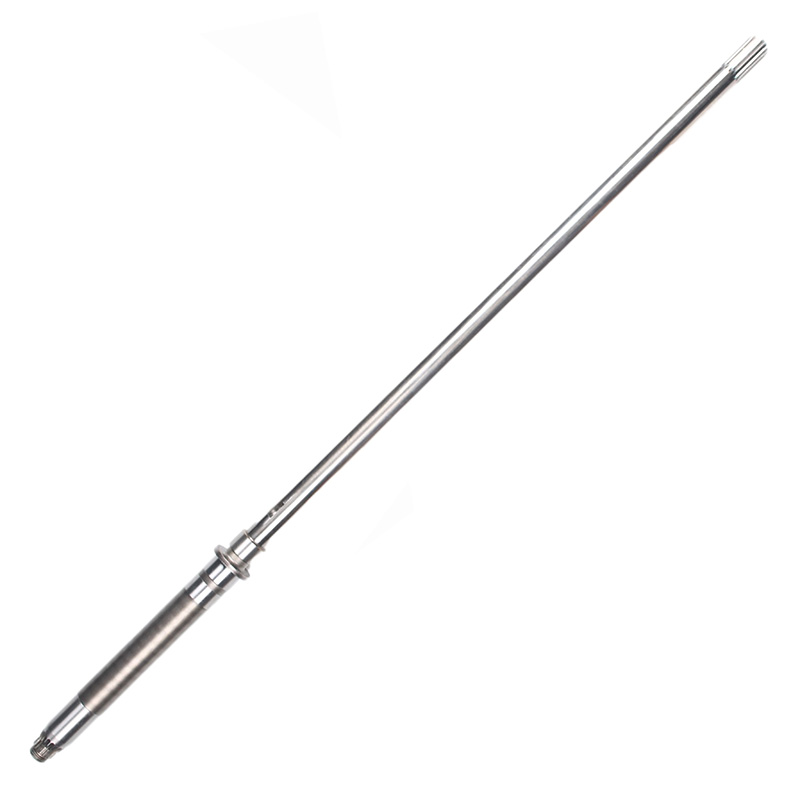
This is not a ranking based only on online popularity. The companies below were selected because they represent relevant capabilities across marine transmission parts, outboard aftermarket parts, large marine propulsion systems, precision gears, shafts, engine components, and related manufacturing processes.
The assessment focuses on the following buyer-oriented criteria:
- Manufacturing relevance: Ability to produce boat engine parts, outboard motor parts, drivetrain components, marine gears, shafts, propulsion components, or precision engine parts.
- Production foundation: Factory scale, machinery, process control, workforce, production history, and evidence of in-house manufacturing.
- Engineering capability: Support for drawings, samples, reverse engineering, prototype development, tooling, tolerance control, and OEM/ODM projects.
- Quality management: Visibility of ISO 9001 or equivalent systems, inspection equipment, batch traceability, material control, dimensional inspection, and final inspection procedures.
- Export suitability: International-market experience, multilingual communication, export packaging awareness, documentation support, and understanding of buyer compliance requirements.
- Supply flexibility: Ability to support both established aftermarket distributors and growing marine brands that require smaller pilot orders before scaled production.
- Product-risk awareness: Capability to discuss material grade, heat treatment, surface finish, corrosion resistance, gear accuracy, and field-use conditions rather than offering only a generic catalog.
For technical boat engine parts, procurement teams should require suppliers to disclose the complete manufacturing route:
1. Raw material grade and source.
2. Forging, casting, bar-machining, or blank-forming method.
3. Heat-treatment process and hardness range.
4. CNC machining tolerance and critical datum points.
5. Surface treatment or anti-corrosion protection.
6. Inspection records and batch identification method.
7. Packaging specification for long-distance ocean freight.
A supplier that cannot explain these steps clearly may be acting as a trading company, or may be outsourcing critical processes without sufficient control.
China's strength in boat engine parts comes from a combination of component specialization and industrial clustering.
Ningbo is one of the most practical sourcing locations for outboard motor transmission parts and marine hardware. The region benefits from access to ports, precision machining workshops, forging and casting suppliers, mold makers, surface-treatment providers, packaging companies, and export-service providers.
For boat engine parts buyers, Ningbo is particularly relevant for:
- Drive shafts and propeller shafts.
- Bevel gears and transmission gears.
- Clutch dogs and shift-related parts.
- CNC-machined steel and stainless-steel components.
- Aftermarket outboard motor replacement parts.
- Custom samples based on original parts or technical drawings.
- Small-to-medium-batch OEM manufacturing.
Hangzhou and nearby industrial regions are important for larger transmission systems, marine gearboxes, reduction gear assemblies, and industrial propulsion products. These suppliers are usually more suitable for commercial vessels, workboats, marine machinery, and larger equipment programs than for small aftermarket outboard repair-parts orders.
Wuxi and other Jiangsu manufacturing centers have deep experience in precision engine components, piston rings, automotive-engine parts, metalworking, and heavy industrial manufacturing. Buyers sourcing piston rings, cylinder-related components, engine wear parts, or industrial-grade machining may find relevant suppliers in this region.
For many mechanical boat engine parts, CE marking is not automatically required simply because a part is manufactured in China. CE requirements depend on the final product category, its function, and the market in which it will be placed. Similarly, RoHS is more relevant to electrical and electronic products than to a purely mechanical steel shaft or gear.
Professional buyers should define compliance requirements by product type:
| Product Type | Typical Buyer Focus | Common Documentation |
|---|---|---|
| Drive shafts and propeller shafts | Material grade, hardness, runout, corrosion protection | Material certificate, hardness report, dimensional inspection |
| Bevel gears and transmission gears | Tooth profile, gear contact pattern, heat treatment, noise control | Gear inspection report, hardness report, metallographic test if required |
| Electrical ignition or sensor components | Electrical safety, restricted substances, connector fitment | RoHS declaration, electrical test report, supplier declaration |
| Marine gearbox assemblies | Load capacity, lubrication, thermal performance, installation dimensions | Performance test records, assembly inspection, operating manual |
| Stainless-steel marine hardware | Corrosion resistance, alloy composition, surface finish | Material certificate, salt-spray test if specified |
China Customs publishes regularly updated national import and export statistics, which buyers can use as one of several sources when monitoring trade conditions and broader sourcing trends.
Location: Ningbo, Zhejiang, China
Established: 1997
Main products: Outboard gears, crankshafts, drive shafts, propeller shafts, transmission shafts, and related outboard motor transmission parts
Main markets: North America, Europe, Asia, and South America
OEM/ODM focus: Sample mapping, custom development, drawing-based production, aftermarket replacement programs, and flexible support for developing brands and distributors
Ningbo Gill Transmission Parts Co., LTD. is a practical option for buyers who need a focused supplier of marine transmission and outboard motor parts rather than a broad catalog trader. The company concentrates on components where machining accuracy, material performance, heat treatment, and dimensional consistency are especially important: gears, drive shafts, propeller shafts, crankshafts, and transmission-related parts.
Established in 1997, Gill Transmission reports more than 25,000 square meters of factory space, a workforce of more than 100 people, and annual production capacity exceeding 3.6 million units. Its stated production equipment includes automated spiral bevel gear machine tools, CNC machining centers, grinding machines, and precision inspection systems. The company also states that it obtained ISO 9001 certification in 2024.
For procurement teams, Gill's main value proposition is its balance of scale and flexibility. Larger marine-component manufacturers may be better suited to large commercial-vessel gearbox programs, but they can be less responsive to small or mid-sized aftermarket brands. Gill is positioned more appropriately for buyers that need:
- Custom drive shafts or propeller shafts based on a drawing or physical sample.
- Replacement gears for outboard motor applications.
- Small initial orders before a higher-volume production program.
- Faster technical communication during sample development.
- A supplier able to discuss machining and inspection requirements directly.
- OEM branding or packaging support for aftermarket distribution programs.
The company's published history indicates continued investment in machining and inspection equipment, with a focus on the global aftermarket for outboard motor parts. Buyers should still confirm product-specific material grade, hardness target, runout specification, gear accuracy, and corrosion-protection requirements during each RFQ rather than assuming that one specification applies to every part.
Suitable for: Marine aftermarket brands, regional distributors, repair-parts wholesalers, and buyers requiring custom shafts, gears, or lower-unit transmission components.
Location: Hangzhou, Zhejiang, China
Established: 1960
Main products: Marine gearboxes, transmission systems, propulsion-related gear products, industrial gearboxes
Main markets: Domestic and international marine, industrial, and power-transmission sectors
OEM/ODM focus: Engineered gearbox systems, vessel-specific transmission solutions, and larger project-based programs
Hangzhou Advance Gearbox Group is one of China's more recognized names in the marine transmission and gearbox field. Its product profile is generally more aligned with marine gearboxes, larger vessel propulsion systems, industrial transmissions, and engineered drivetrain assemblies than with small aftermarket outboard parts.
For buyers of workboat, fishing-vessel, commercial-vessel, or industrial marine transmission products, the company can be relevant because of its long operating history and deeper involvement in complete gearbox systems. In contrast, a buyer seeking a low-MOQ replacement drive shaft for an outboard repair-parts catalog may find a specialized Ningbo supplier more suitable.
Core strengths:
- Long history in power-transmission manufacturing.
- Stronger relevance for gearbox and integrated transmission applications.
- More suitable for engineered marine propulsion programs.
- Potential fit for buyers with higher technical documentation requirements.
Suitable for: Commercial-vessel builders, gearbox distributors, marine propulsion integrators, and buyers sourcing higher-capacity transmission systems.
Location: Ningbo, Zhejiang, China
Established: 1998
Main products: Gear motors, transmission systems, precision transmission components, automation-drive products
Main markets: Global industrial and automation sectors
OEM/ODM focus: Customized transmission solutions, precision gear systems, and industrial-drive applications
Ningbo Zhongda Leader Intelligent Transmission is primarily known for intelligent drive, gear motor, and transmission technologies. Although it is not a dedicated outboard aftermarket-parts supplier, it represents the type of precision transmission capability available in the Ningbo industrial cluster.
For marine buyers, the company is more relevant when a project involves electromechanical motion systems, compact transmission design, control integration, or specialized gear-drive applications. It is less likely to be the first choice for standard replacement propeller shafts or outboard lower-unit gears.
Core strengths:
- Transmission engineering and gear-drive knowledge.
- Potential relevance for marine automation or compact drivetrain projects.
- Industrial production discipline and technology orientation.
- Stronger fit for engineered applications than generic repair parts.
Suitable for: Marine equipment developers, automation-system manufacturers, and buyers seeking engineered transmission solutions.
Location: Ningbo, Zhejiang, China
Established: Publicly verify before engagement
Main products: Aftermarket outboard engine parts and replacement components
Main markets: Export-oriented aftermarket and distributor channels
OEM/ODM focus: Mixed-SKU procurement, aftermarket replacement parts, customer labeling, and catalog support
Ningbo Dofan Machinery Technology is commonly associated with aftermarket outboard engine parts. It is a relevant supplier type for distributors seeking multiple replacement SKUs rather than a narrow focus on only shafts or gears.
The commercial advantage of a broad aftermarket supplier is convenience: buyers may be able to consolidate several product categories into one purchase order. The procurement risk is that quality may vary across categories if the supplier relies on multiple upstream factories. Buyers should therefore ask exactly which products are made in-house and which are purchased from partner factories.
Questions to ask before ordering:
- Which parts are manufactured internally?
- Which parts are outsourced?
- Are incoming materials and outsourced parts inspected by lot?
- Can the supplier provide part-specific material and hardness data?
- Are all products suitable for the same target market, or do specifications differ by buyer program?
Suitable for: Importers, repair-parts distributors, and buyers needing mixed aftermarket outboard motor part assortments.
Location: Wuxi, Jiangsu, China
Established: Verify for the applicable legal entity and production site
Main products: Piston rings and engine wear components
Main markets: Engine, automotive, machinery, and related replacement-parts markets
OEM/ODM focus: Engine-specific piston ring designs, material selection, coatings, and production for volume programs
Piston rings are critical engine components because they affect compression, oil control, thermal transfer, friction, and service life. A poor piston-ring choice can create high oil consumption, loss of compression, cylinder scoring, or early engine failure.
Wuxi Xiyi Piston Ring is relevant for buyers who are sourcing engine-internal wear parts rather than drivetrain components. When evaluating piston-ring suppliers, buyers should pay close attention to ring material, coating system, ring tension, end gap, radial wall thickness, and compatibility with the intended cylinder bore finish.
Core strengths:
- Engine-component manufacturing relevance.
- Suitable for piston-ring and engine wear-part sourcing.
- Potential fit for aftermarket engine repair programs.
- Better aligned with engine-internal components than marine transmission parts.
Suitable for: Engine rebuilders, marine repair-parts distributors, and buyers sourcing piston rings for compatible outboard or marine-engine programs.
Location: Weifang, Shandong, China
Established: 2002 as Weichai Power; industrial heritage extends further through predecessor operations
Main products: Engines, marine power systems, powertrain components, generators, and related equipment
Main markets: Global commercial vehicle, marine, industrial, and power-generation sectors
OEM/ODM focus: Large-scale power-system solutions and project-based engineering support
Weichai Power is substantially larger than a typical aftermarket boat engine parts supplier. Its marine relevance is stronger in marine engines, propulsion systems, commercial applications, power solutions, and larger equipment programs.
Buyers should not approach a company of this scale expecting low-MOQ aftermarket replacement shafts or consumer-level outboard repair parts. Instead, it is more relevant to shipyards, commercial marine operators, engine-packaging companies, and procurement teams sourcing complete power systems or components tied to established engine platforms.
Core strengths:
- Large-scale engine and power-system background.
- Marine, industrial, and commercial equipment relevance.
- Better fit for high-volume or project-level supply relationships.
- Broad engineering and service infrastructure.
Suitable for: Commercial marine projects, vessel builders, power-system integrators, and buyers needing established engine-platform support.
Location: Guangxi and national manufacturing network
Established: Verify by operating subsidiary and product category
Main products: Marine diesel engines, power systems, engine assemblies, and related components
Main markets: Commercial vessels, marine applications, industrial power users
OEM/ODM focus: Marine engine and power-system projects, application-specific engine configuration
Yuchai is another major Chinese power-equipment group with relevance to marine diesel engines and commercial marine applications. Its strengths are more closely associated with complete engine platforms and larger marine power solutions than with the small outboard aftermarket segment.
For professional procurement teams, Yuchai may be appropriate when sourcing a marine engine package, defined engine spare-parts program, or long-term equipment support. Buyers should clearly identify the intended vessel class, engine model, emissions requirement, fuel type, installation environment, and spare-parts expectations before initiating discussions.
Suitable for: Commercial-vessel operators, marine-engine distributors, shipyards, and fleet maintenance programs.
Location: Chongqing, China
Established: Verify through business registration and factory records
Main products: Marine propulsion-related products, diesel engine equipment, marine machinery, and spares
Main markets: Domestic and export-oriented marine markets
OEM/ODM focus: Marine machinery configurations, engine-related parts, and supply for vessel applications
Chongqing has a broad industrial base in engines, motorcycles, small power equipment, casting, machining, and mechanical assemblies. Suppliers in this area can be useful for buyers seeking engine-related manufacturing, especially where gasoline or diesel power-equipment experience overlaps with marine applications.
The main due-diligence point is application specificity. A part designed for agricultural, automotive, or general industrial use should not automatically be assumed suitable for saltwater marine service. Buyers should confirm corrosion protection, sealing design, load cycle, cooling environment, lubrication conditions, and applicable testing.
Suitable for: Buyers sourcing marine machinery, small-engine-related components, and project-specific mechanical assemblies.
Location: Zibo, Shandong, China
Established: Long-established Chinese diesel-engine manufacturer; verify current legal entity details for contracts
Main products: Medium- and high-speed diesel engines, marine power products, marine engine parts
Main markets: Marine vessels, industrial power, offshore and commercial applications
OEM/ODM focus: Marine engine systems, spares, and technical support for established engine platforms
Zichai Power is more relevant to medium- and high-speed diesel marine engine applications than small outboard motor replacement parts. It is a potential source for commercial marine users who need engine-platform compatibility, technical documentation, and spare-parts continuity.
Before sourcing, buyers should clarify whether they require original-equipment spare parts, compatible aftermarket parts, remanufactured components, or an approved substitution. In commercial marine operations, the documentation and warranty implications of this distinction can be significant.
Suitable for: Commercial vessel owners, fleet operators, engine service companies, and industrial marine buyers.
Location: Nationwide, with major activity in Shanghai, Jiangsu, Liaoning, Hubei, Guangdong, and other shipbuilding regions
Established: Varies by subsidiary and supplier
Main products: Shipbuilding equipment, marine machinery, propulsion systems, engineered vessel components
Main markets: Domestic and international shipbuilding
OEM/ODM focus: Large vessel systems, classified marine equipment, project-specific components
For major commercial-vessel programs, the China State Shipbuilding Corporation ecosystem and its associated manufacturing subsidiaries represent an important part of China's marine industrial base. These organizations are not typically the right channel for a small aftermarket outboard-parts buyer, but they matter for procurement teams involved in shipbuilding, offshore support, navy-adjacent commercial projects, or vessel-scale marine equipment.
China's shipbuilding capacity has remained globally significant, with official and industry reporting continuing to show China as the leading country in completions, new orders, and shipbuilding backlog.
Suitable for: Shipyards, EPC contractors, commercial-vessel builders, offshore projects, and buyers sourcing engineered shipboard systems.
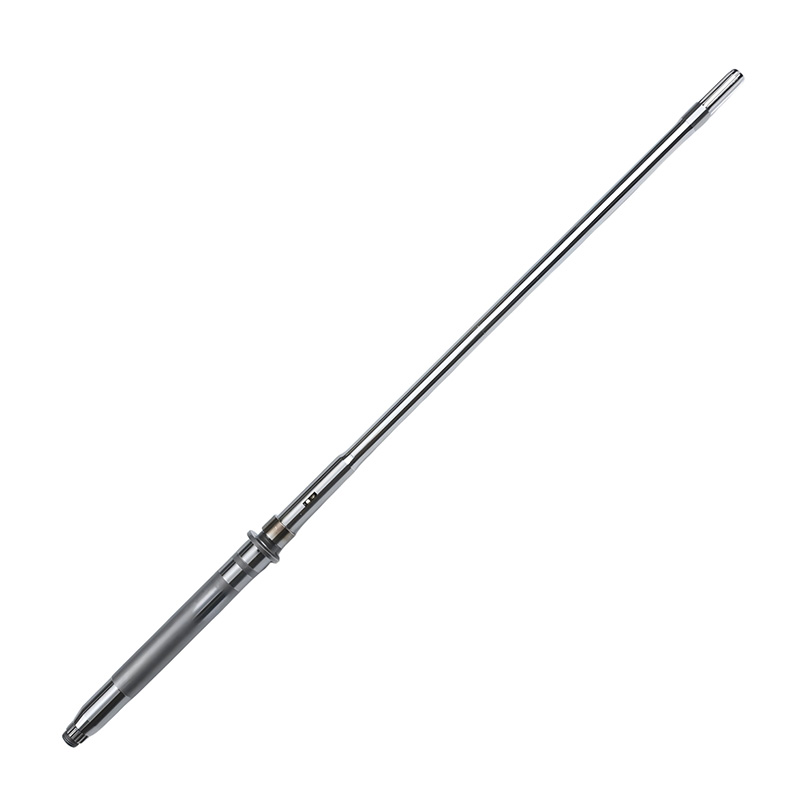
The figures below should be treated as sourcing-reference indicators rather than contractual commitments. Actual MOQ, available capacity, and certification scope can vary by product, material, tooling requirement, season, and order complexity. Buyers should obtain written confirmation during the RFQ stage.
| Manufacturer | Location | Product Focus | Production / Supply Strength | Typical MOQ Approach | Certification Visibility | Best Fit |
|---|---|---|---|---|---|---|
| Ningbo Gill Transmission Parts Co., LTD. | Ningbo, Zhejiang | Gears, drive shafts, propeller shafts, crankshafts, transmission parts | More than 25,000 m² facility; annual capacity stated above 3.6 million units | Flexible for samples and custom OEM projects; confirm by part | ISO 9001 stated | Aftermarket brands, distributors, OEM shaft and gear projects |
| Hangzhou Advance Gearbox Group | Hangzhou, Zhejiang | Marine gearboxes, power transmission | Large-scale gearbox and marine transmission capability | Usually project- and product-dependent | Verify per business unit | Commercial vessels and gearbox programs |
| Ningbo Zhongda Leader | Ningbo, Zhejiang | Gear motors and precision transmission | Industrial transmission and drive-system background | Project-dependent | Verify per product line | Marine automation and engineered drive systems |
| Ningbo Dofan Machinery | Ningbo, Zhejiang | Aftermarket outboard parts | Broad mixed-SKU sourcing potential | Often suitable for distributor orders | Product listing claims should be verified | Outboard-parts importers |
| Wuxi Xiyi Piston Ring | Wuxi, Jiangsu | Piston rings and engine wear parts | Engine-component specialization | Depends on ring design and tooling | Verify per product program | Engine rebuild and repair-parts supply |
| Weichai Power | Shandong | Marine engines and power systems | Large engine and power-equipment group | Typically higher-volume or project-based | Verify product-specific compliance | Commercial marine power systems |
| Yuchai Marine Power | China | Marine diesel engines and systems | Marine engine and application support | Project-based | Verify by product model | Shipyards and engine distributors |
| Chongqing Fuchai Marine Equipment | Chongqing | Marine machinery and engine-related parts | Regional mechanical and engine manufacturing base | Product-dependent | Verify before nomination | Customized marine machinery projects |
| Zichai Power | Shandong | Marine diesel engines and spares | Established marine-engine capability | Platform and project-dependent | Verify by engine program | Commercial marine engine spares |
| CSSC-related suppliers | Nationwide | Shipbuilding and vessel systems | Large project and marine-equipment ecosystem | Higher threshold; project-specific | Often classification and project dependent | Shipyards and vessel-scale procurement |
A buyer should not source all boat engine parts using the same specification sheet. A stainless-steel propeller shaft, a forged drive shaft, a carburized gear, and a piston ring require different inspection priorities.
For a drive shaft or propeller shaft, the buyer should define:
- Steel grade, such as 40Cr, 42CrMo, stainless steel, or another approved equivalent.
- Blank material condition, including forged, hot-rolled, cold-drawn, or machined bar.
- Heat-treatment condition and hardness range.
- Overall straightness and allowable runout.
- Spline dimensions and tooth-profile requirements.
- Surface roughness at bearing, seal, and spline-contact areas.
- Corrosion-protection method.
- Packaging method to avoid damage during ocean freight.
A shaft that appears visually correct can still fail early if the splines are improperly hardened, if runout exceeds the mating assembly's tolerance, or if the seal-contact surface is too rough.
For boat engine gears, critical requirements include:
- Gear material and forging quality.
- Tooth profile and gear ratio.
- Carburizing, nitriding, induction hardening, or through-hardening route.
- Effective case depth where applicable.
- Core hardness and surface hardness.
- Tooth-contact pattern under assembly.
- Noise and vibration performance.
- Surface finish and grinding process.
- Batch traceability.
A common procurement mistake is to compare only external dimensions and tooth count. Two gears can have the same visible dimensions but different heat-treatment quality, tooth geometry, case depth, and contact behavior.
For crankshafts and engine-related parts, buyers should consider:
- Forged versus cast construction.
- Material chemistry.
- Journal hardness.
- Fillet radius control.
- Dynamic balancing.
- Surface finish at bearing journals.
- Crack-detection method, such as magnetic-particle inspection where appropriate.
- Corrosion prevention during storage and shipping.
Boat parts often fail after shipment or early use because packaging and corrosion protection were underestimated. In addition to material selection, buyers should define:
- Vapor corrosion inhibitor packaging.
- Rust-preventive oil specification.
- Individual separation of precision-machined surfaces.
- Moisture-resistant cartons.
- Export pallet requirements.
- Container loading and humidity-control measures.
For machined shafts and gears, packaging is part of the quality plan—not merely a logistics detail.
One of the most common risks in transmission-part sourcing is material substitution after sample approval. A supplier may provide a satisfactory first sample using the specified steel grade, then change to a lower-cost material for subsequent batches.
This can be difficult to detect visually. The part may have the correct dimensions, color, and packaging while showing lower fatigue strength, lower hardness stability, or reduced wear resistance in operation.
How to reduce the risk:
- State the exact material grade in the purchase order.
- Require a material certificate for each production batch.
- Define heat-treatment method and target hardness range.
- Retain an approved "golden sample."
- Conduct random third-party chemical analysis and hardness checks.
- Link production batch numbers to inspection reports.
- Add rejection and compensation terms for nonconforming material.
A factory may machine a shaft in-house but outsource forging, gear cutting, heat treatment, plating, or grinding. Outsourcing is not necessarily a problem. The risk arises when the manufacturer cannot control or document outsourced processes.
Ask the supplier:
- Which processes are completed internally?
- Who performs heat treatment?
- How is hardness verified after heat treatment?
- Is gear grinding in-house or subcontracted?
- Are subcontractor inspection records retained?
- Who approves a nonconforming batch?
A reliable supplier should be transparent about its process map. "Everything is made in our factory" is not always a more credible answer than a documented, controlled outsourcing arrangement.
A less-discussed risk in the outboard aftermarket is that a part can match an original-equipment part number yet still perform poorly because the buyer has not checked the complete mating system.
For example, a replacement bevel gear may have the correct part number and tooth count but may not match the actual pinion gear contact pattern, shim stack, bearing preload, housing tolerance, or production-year variation of the lower unit.
This is why experienced repair-parts buyers do not approve a critical gear only by measuring the loose part. They test it in the actual mating assembly.
Avoid this problem by requiring:
- Engine brand, model, horsepower, serial range, and model year.
- Original-equipment number and supersession history.
- Mating-part reference number.
- Assembly drawing where available.
- Installation clearance and shim requirement.
- Field testing in an actual lower unit or gearbox.
- Noise, temperature, and contact-pattern review after assembly.
The same principle applies to shafts, clutch dogs, gears, seals, and crankshafts. Fitment is not only about dimensions; it is about system performance.
Do not send only a product photo with the message "Please quote."
A professional boat engine parts RFQ should include:
- Product name and original-equipment number.
- Engine brand and model.
- Horsepower, serial number range, and model year.
- Product drawing, CAD file, or physical sample.
- Required annual quantity and first-order quantity.
- Target market and intended use.
- Required material grade.
- Surface-treatment requirement.
- Required packaging and labeling.
- Inspection requirements.
- Target delivery date.
- Whether tooling ownership belongs to the buyer.
For custom parts, a physical original sample is often useful, but it should not replace a controlled drawing. A sample may already be worn, modified, or dimensionally inconsistent.
Before placing an order, request:
- Business license matching the legal company name.
- Factory address.
- ISO certificate number, issuer, scope, and expiry date.
- Manufacturing process flow chart.
- Equipment list.
- Factory photos and videos showing relevant production lines.
- Recent inspection reports.
- Export packaging examples.
- Reference product samples.
A valid ISO certificate should show the company's legal name, address, certification body, certificate number, scope, and validity period. If the certificate address differs from the factory address, ask for an explanation and supporting documentation.
For critical shafts, gears, and engine components, a safe sample program usually follows this sequence:
1. Technical review of drawing, sample, fitment, material, and acceptance criteria.
2. Quotation confirmation, tooling requirements, and sample lead time.
3. Sample production.
4. First-article inspection report.
5. Dimensional inspection and material/hardness verification.
6. Assembly or field test on the target engine.
7. Written sample approval.
8. Pre-production sample confirmation.
9. Mass-production inspection plan.
10. Final shipment approval.
Do not move directly from a visual sample to a large order for critical transmission parts.
The inspection plan should match product risk.
| Part Type | Minimum Inspection | Recommended Additional Testing |
|---|---|---|
| Drive shaft | Dimensions, spline check, runout, hardness | Material chemistry, surface roughness, torque or fatigue testing |
| Propeller shaft | Dimensions, straightness, seal surface, runout | Corrosion test, material verification, assembly test |
| Bevel gear | Tooth dimensions, hardness, visual finish | Gear contact test, case-depth test, noise test, metallographic review |
| Crankshaft | Dimensions, journal finish, runout | Balancing, crack detection, hardness, material review |
| Piston ring | Dimensions, free gap, surface coating | Ring tension, cylinder compatibility, endurance testing |
Ocean freight can create corrosion and packaging damage, particularly for unpainted steel components.
Specify:
- Rust inhibitor or protective oil.
- VCI bag or VCI paper.
- Individual bubble wrap or partitioning.
- Moisture-resistant inner and outer cartons.
- Desiccant quantity per carton or pallet.
- Palletized export packaging.
- Clear carton labels with part number, lot number, quantity, and country-of-origin marking where required.
Importers should also check destination-country customs rules, tariff classification, product-label requirements, and any intellectual-property risks before shipment. The U.S. Customs and Border Protection notes that importers and exporters share responsibility for ensuring imported goods are genuine, safe, and lawfully sourced.
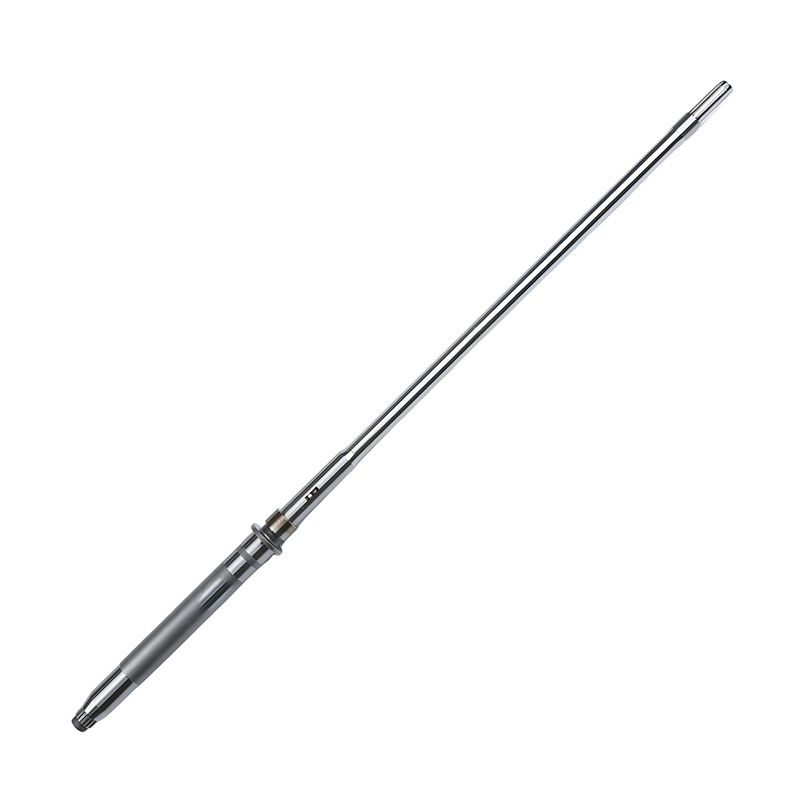
Ask for the complete certificate, not only a cropped image. Check the certificate number, legal company name, factory address, issuing certification body, certification scope, issue date, and expiry date.
Then contact the issuing certification body or use its official certificate-verification system where available. If the certificate is held by a different company name or site address, ask for a formal explanation before treating it as valid for the factory producing your goods.
For boat engine parts, also remember that ISO 9001 confirms a quality-management system; it does not prove that every shaft, gear, or crankshaft meets your specific technical requirements.
Ask for evidence linked to the legal entity that will sign the contract:
- Factory location and business license.
- Workshop videos showing relevant equipment.
- Equipment list with machine categories.
- Production-flow chart.
- Material receiving records.
- In-process inspection records.
- Photos of work-in-progress parts, not only finished catalog photos.
- Evidence of gear cutting, grinding, heat treatment, shaft machining, or other critical operations.
A trading company can still be useful for mixed-SKU purchasing. The important point is transparency. If critical manufacturing is outsourced, the supplier should identify the process and show how it controls quality.
Freeze the approved material grade, heat-treatment method, hardness range, and surface-treatment requirement in the purchase order and technical specification. Keep an approved reference sample and require batch-level material certificates.
For high-risk parts, arrange random third-party laboratory testing for chemical composition and hardness. The test should be conducted from a randomly selected production part, not only from a sample supplied by the manufacturer.
At minimum, include:
- Critical dimensions and tolerances.
- Material grade verification.
- Hardness requirement.
- Runout or straightness requirement for shafts.
- Gear-tooth inspection for gears.
- Surface-finish requirement for seal and bearing surfaces.
- Coating or corrosion-protection requirement.
- Lot traceability.
- Packaging inspection.
- Sampling level and acceptance criteria.
- Procedure for handling nonconforming parts.
For gears and transmission assemblies, add an application-level test where possible, including tooth-contact assessment, noise check, temperature observation, and installation verification.
Yes, many factories can measure and reproduce a physical sample through reverse engineering. But buyers should understand the limitations.
A used sample may contain wear, distortion, hidden internal differences, or undocumented material properties. Reverse engineering should therefore include dimensional measurement, material verification, hardness testing, fitment review, and functional testing—not only copying external shape.
For high-value or safety-critical applications, provide a controlled drawing and written acceptance criteria after the first sample is validated.
China offers a wide range of sourcing options for boat engine parts, from specialized outboard transmission factories in Ningbo to large marine-engine and gearbox manufacturers serving commercial vessel programs. The best supplier depends on the buyer's product category, annual volume, technical complexity, and need for customization.
For aftermarket buyers seeking gears, drive shafts, propeller shafts, crankshafts, and related outboard transmission components, Ningbo Gill Transmission Parts Co., LTD. is a relevant factory to evaluate because of its long operating history, dedicated product focus, in-house machining orientation, sample-mapping capability, and flexible OEM support for distributors and developing marine brands. The company states that it has operated since 1997, maintains a facility exceeding 25,000 square meters, employs more than 100 people, and has annual capacity above 3.6 million units.
The right next step is not to select a supplier from a list alone. Build a controlled RFQ, define the technical requirements, request a first-article inspection report, test samples in the actual engine or lower-unit assembly, and confirm batch-traceability requirements before mass production.
For buyers seeking custom boat engine parts, drive shafts, propeller shafts, gears, or transmission components, contact Ningbo Gill Transmission Parts Co., LTD. with your part number, drawing, sample, engine model, annual volume, and required delivery schedule. This will allow the technical team to assess manufacturability, material options, tooling needs, sample lead time, and production feasibility with greater accuracy.
Ask for the complete certificate, not only a cropped image. Check the certificate number, legal company name, factory address, issuing certification body, certification scope, issue date, and expiry date.
Then contact the issuing certification body or use its official certificate-verification system where available. If the certificate is held by a different company name or site address, ask for a formal explanation before treating it as valid for the factory producing your goods.
For boat engine parts, also remember that ISO 9001 confirms a quality-management system; it does not prove that every shaft, gear, or crankshaft meets your specific technical requirements.
Ask for evidence linked to the legal entity that will sign the contract:
- Factory location and business license.
- Workshop videos showing relevant equipment.
- Equipment list with machine categories.
- Production-flow chart.
- Material receiving records.
- In-process inspection records.
- Photos of work-in-progress parts, not only finished catalog photos.
- Evidence of gear cutting, grinding, heat treatment, shaft machining, or other critical operations.
A trading company can still be useful for mixed-SKU purchasing. The important point is transparency. If critical manufacturing is outsourced, the supplier should identify the process and show how it controls quality.
Freeze the approved material grade, heat-treatment method, hardness range, and surface-treatment requirement in the purchase order and technical specification. Keep an approved reference sample and require batch-level material certificates.
For high-risk parts, arrange random third-party laboratory testing for chemical composition and hardness. The test should be conducted from a randomly selected production part, not only from a sample supplied by the manufacturer.
At minimum, include:
- Critical dimensions and tolerances.
- Material grade verification.
- Hardness requirement.
- Runout or straightness requirement for shafts.
- Gear-tooth inspection for gears.
- Surface-finish requirement for seal and bearing surfaces.
- Coating or corrosion-protection requirement.
- Lot traceability.
- Packaging inspection.
- Sampling level and acceptance criteria.
- Procedure for handling nonconforming parts.
For gears and transmission assemblies, add an application-level test where possible, including tooth-contact assessment, noise check, temperature observation, and installation verification.
Yes, many factories can measure and reproduce a physical sample through reverse engineering. But buyers should understand the limitations.
A used sample may contain wear, distortion, hidden internal differences, or undocumented material properties. Reverse engineering should therefore include dimensional measurement, material verification, hardness testing, fitment review, and functional testing—not only copying external shape.
For high-value or safety-critical applications, provide a controlled drawing and written acceptance criteria after the first sample is validated.
- [China General Administration of Customs — Statistics] — Official China import and export statistics portal. [english.customs.gov]
- [U.S. Customs and Border Protection — Basic Importing and Exporting] — Importer responsibilities, compliance considerations, and lawful sourcing guidance. [cbp]
- [U.S. International Trade Administration — China Export Controls] — Reference material for firms managing China-related trade and compliance considerations. [trade]
- [Ningbo Gill Transmission Parts Co., LTD. — Company Introduction] — Published company details on its history, facility, equipment, product scope, production capacity, global markets, and ISO 9001 certification. [gilltransmission]
- [China Customs Official Statistics Portal] — Useful for monitoring broader trade trends when planning long-term procurement. [english.customs.gov]


