


close
Choose Your Site
Global
Social Media
Views: 222 Author: Gill Transmission Publish Time: 2026-05-16 Origin: Site


China has become one of the core manufacturing bases for transmission and gear products, covering automotive, marine, agricultural and industrial applications with mature supply chains and strong regional clusters. In marine powertrains, Chinese suppliers now provide reverse gears and marine gearboxes for everything from small fishing boats to commercial craft, supported by large foundry bases, precision machining clusters and port logistics. For procurement managers, this means access to a wide price spectrum—from high‑volume OEM factories serving global brands to agile specialists focused on aftermarket and custom parts. [marketpublishers]
However, this diversity also creates risk: capacities, quality culture, and compliance maturity vary widely between suppliers, so a structured evaluation process is essential before committing to a long‑term contract. [accio]
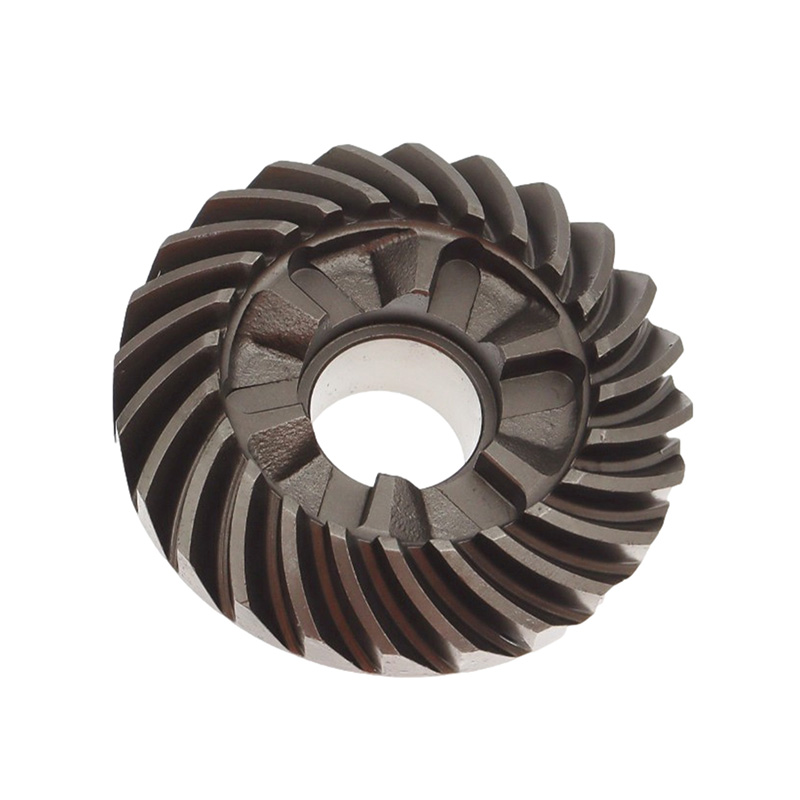
When assessing reverse gear suppliers, we prioritize factories with at least 8–10 years of continuous operation in gear or transmission manufacturing, documented development history, and visible reinvestment in equipment. Long‑term players typically show capacity expansion (new plants or added CNC/gear grinding lines) and a growing export footprint (e.g. Europe, North America, Asia‑Pacific). We also check workforce scale—teams with 80–100+ staff including in‑house engineers and QC personnel are generally better at handling complex OEM projects and stable mass production. [chinapowertrain]
Technically competent suppliers can explain their gear design and process window in detail, including material grades (e.g. 20CrMnTi, 20CrNiMo, 42CrMo), heat treatment specs, gear accuracy class and surface hardness range. For marine and outboard applications, we look for spiral bevel gear capability, CNC machining centers, automatic grinding, and in‑house inspection (CMM, gear measuring centers) to ensure low noise and stable torque transmission. Factories serving outboard or marine markets also need strong corrosion‑resistance control—material traceability, surface treatment, and salt‑spray or humidity testing. [gearmeenyon]
China's gear industry is supported by several well‑known clusters, such as Zhejiang and Chongqing for transmission parts and gearboxes, where suppliers benefit from local steel mills, tooling providers, and skilled technicians. Marine and outboard components are particularly concentrated in coastal provinces like Zhejiang, Jiangsu and Fujian, leveraging port logistics and dense OEM/aftermarket ecosystems. When a supplier is consistently serving well‑known outboard brands or operates inside these clusters, it typically indicates stronger process control and benchmark pressure from neighboring competitors. [unctad]
To assess trustworthiness, we look at:
- Year of establishment and growth milestones (plant expansion, capacity upgrades). [bdgears]
- ISO 9001 or automotive/shipbuilding‑grade certifications issued by accredited bodies such as CNAS. [accio]
- Main export markets and repeat‑order rate from Europe, North America, and Japan/Korea. [gilltransmission]
- Openness to audits: clear process flow, traceable QC records, and willingness to share testing and inspection reports. [accio]
Suppliers that can provide valid ISO certificate numbers, recent audit records and on‑time delivery data above about 95% are usually more reliable for long‑term cooperation. [bdgears]
To keep this guide practical for procurement managers, we screened Chinese reverse gear and marine transmission suppliers using the following transparent criteria:
- Product focus: Reverse gears, marine gearboxes or closely related powertrain gears (outboard, mini car, motorcycle, agricultural machinery). [gearmeenyon]
- Factory scale: At least 3,000–5,000 m² plant, with CNC machining, gear hobbing/spiral bevel capability and inspection equipment. [chinapowertrain]
- Experience: Minimum 10 years in gears/transmission or documented development history with upgrades and exports. [chinapowertrain]
- Certifications: ISO 9001 or equivalent QMS, plus application‑specific standards or testing (e.g. marine environmental resistance, CE/RoHS for assembled units where applicable). [accio]
- Export orientation: Verified export business to at least two continents and clear OEM/ODM project experience. [gilltransmission]
The list below is not a ranking by size or revenue; it is a curated short‑list of representative manufacturers fitting different buyer profiles (high‑volume OEM, aftermarket specialist, cost‑effective customizer, etc.). [marketpublishers]
Ningbo Gill Transmission focuses on outboard motor transmission parts—outboard gears, crankshafts, drive shafts and propeller shafts—and has been in the gear industry since 1997. In 2016 it expanded into a standardized plant of over 25,000 m² and today operates advanced automatic spiral bevel gear machine tools, CNC machining centers, automatic grinding machines and precision testing equipment, with an annual capacity exceeding 3.6 million units. The company obtained ISO 9001 certification in 2024, underlining its structured quality management for the global aftermarket of outboard motor parts. [bdgears]
Gill is particularly attractive for small and mid‑sized outboard brands, distributors and private‑label companies that need flexible MOQs, sample‑based reverse engineering, and responsive communication for OEM customization projects. The factory can perform sample mapping, R&D of new gear and shaft designs for outboard engines compatible with brands like Yamaha, Tohatsu, Suzuki and Mercury, and supports global clients across North America, Europe, Asia and South America. [gilltransmission]
- Founded: 1997 (Ningbo, Zhejiang) [bdgears]
- Factory size: 25,000+ m²; 100+ employees; >3.6 million units annual capacity. [bdgears]
- Main markets: Global aftermarket for outboard motor transmission parts (North America, Europe, Asia, South America). [bdgears]
- OEM/ODM scope: Sample‑based design, custom gears and shafts for outboard engines, flexible production for small/medium brands. [bdgears]
- Key certifications: ISO 9001 QMS; documented QC process and precision inspection. [bdgears]
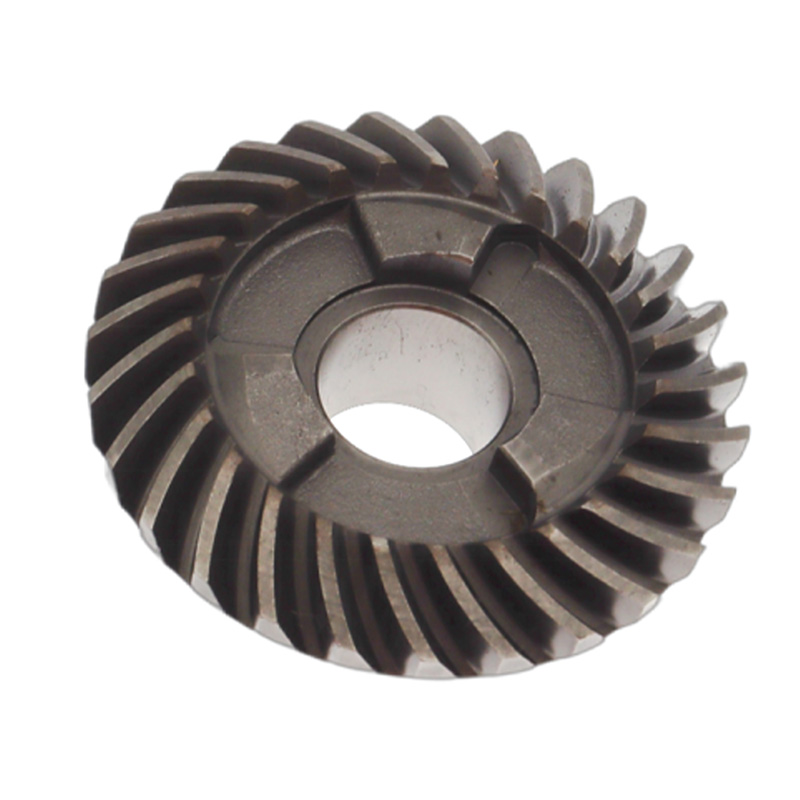
Hangzhou Advance is one of China's best‑known marine gearbox and transmission manufacturers, with roots dating back to the 1960s and long experience in marine propulsion systems. The company designs and manufactures marine reduction gearboxes and related products for commercial and offshore vessels, often supplying state‑owned shipyards and large OEMs. Its strengths are broad product lines, strong engineering teams, and the ability to handle high‑power, high‑torque marine applications; however, MOQs and lead times can be relatively high for small aftermarket buyers. [marketpublishers]
- Founded: 1960s [bdgears]
- Main markets: Domestic shipyards, global commercial marine markets. [unctad]
- OEM/ODM scope: Full gearbox design and customization for marine propulsion projects. [bdgears]
Chongqing Xianyou specializes in mini car and motorcycle transmissions, reverse gearboxes, rear axles and spiral bevel gears, integrating design, development and production. Located in Chongqing's industrial zone, it benefits from the local automotive and motorcycle cluster and has been operating since 1998. Its product range is suited to buyers sourcing reverse gears and small transmission units for light vehicles, ATVs and related machinery. [chinapowertrain]
- Founded: 1998 [chinapowertrain]
- Main markets: China, emerging markets for mini vehicles, motorcycles, ATVs. [chinapowertrain]
- OEM/ODM scope: Design and production of complete reverse gearboxes and matching gear sets. [chinapowertrain]
Several large publicly‑listed gear manufacturers in Zhejiang supply high‑precision gear components, some of which are used in special reverse gear and transmission projects. Companies such as Zhejiang Shuanghuan Driveline and Zhejiang Zhongma Transmission offer advanced gear production (robot reducers, automotive gears) that can be adapted for heavy‑duty machinery reverse drives under OEM programs. These suppliers are suitable when you need high‑precision gear pairs and can commit to automotive‑style project development cycles with detailed drawings and PPAP‑like documentation. [accio]
- Founded: Mostly 1980s–1990s [bdgears]
- Main markets: Automotive OEMs, industrial transmission, robotics, export markets. [bdgears]
- OEM/ODM scope: Custom gear design and mass production with strict automotive quality systems. [accio]
Beyond the giants, China has many mid‑sized marine reduction gearbox manufacturers that focus on fishing boats, work boats, and small commercial vessels. These factories generally provide complete marine gearboxes (including reverse functions) with emphasis on corrosion resistance, low noise, and high reliability under long‑hour operations. They are best for buyers needing complete gearbox assemblies rather than only gear components, and often support customized ratios and mounting interfaces for specific hull designs. [accio]
- Typical founding: 2000s [gearmeenyon]
- Main markets: Coastal fishing fleets in Asia, Middle East, and Latin America. [accio]
- OEM/ODM scope: Customized marine reduction gearboxes with tailored ratios and housings. [gearmeenyon]
Some Chinese companies have built strong positions in precision‑forged automotive gear blanks, which are also used as high‑strength inputs for heavy‑duty reverse gears. Suppliers in this segment offer closed‑die forging, controlled grain flow and subsequent machining to achieve high torque capacity and fatigue resistance, suitable for commercial vehicles and heavy machinery. For buyers with in‑house machining or assembly capabilities, sourcing forged gear blanks from these suppliers can reduce material waste and improve mechanical performance versus conventional machining from bar. [accio]
- Founded: Mainly early 1990s–2000s [bdgears]
- Main markets: Automotive OEMs, heavy truck transmissions, construction machinery. [bdgears]
- OEM/ODM scope: Custom forging tooling, large‑batch gear blanks for reverse gear and transmission sets. [accio]
China also hosts numerous CNC gear job shops that focus on small‑batch, high‑mix production of gears, shafts and hubs, often supporting engineering firms and retrofit projects. These suppliers are not household names but are valuable when you need low‑volume custom reverse gear pairs, prototypes, or spare parts for legacy equipment. They usually work from buyer drawings or physical samples and can integrate heat treatment and surface finishing via local partners. [accio]
- Typical founding: 2010s [accio]
- Main markets: Industrial maintenance, retrofit projects, regional OEMs. [accio]
- OEM/ODM scope: Build‑to‑print and sample‑based small batches, short lead times. [accio]
In coastal areas around Ningbo and Fujian, a dense ecosystem of factories manufacture gears, shafts, couplings and propellers for outboard engines and small marine drives. These clusters serve both the global aftermarket and emerging regional brands, providing flexible sourcing options for reverse gear components and related parts. Buyers benefit from short supply chains—gear factories, surface treatment shops and assembly plants are often located within the same industrial zones. [gilltransmission]
- Typical founding: Late 1990s–2010s [gilltransmission]
- Main markets: Outboard aftermarket, regional engine brands, trading companies. [gilltransmission]
- OEM/ODM scope: Component‑level customization and private‑label packaging. [gilltransmission]
Some mid‑tier marine gearbox assemblers in China specialize in exporting complete gearboxes to Southeast Asia, the Middle East and Latin America. These factories balance reasonable MOQs (for example, 20–50 sets per model) with competitive pricing and can adapt interfaces and ratios to local vessel types. They are suitable if you want one‑stop solutions—housing, gears, clutches and testing—rather than managing multiple component suppliers. [unctad]
- Typical founding: 2000s [gearmeenyon]
- Main markets: Export to developing maritime markets. [unctad]
- OEM/ODM scope: Turn‑key marine gearboxes with custom features. [gearmeenyon]
Finally, there are niche Chinese gear makers focused on robotics reducers, EV gearboxes and special machinery, which occasionally undertake high‑precision reverse gear projects for demanding applications. These suppliers invest heavily in modern gear grinding, testing centers and advanced steels, following automotive‑grade PPAP and APQP processes. They are a good fit if your reverse gear project has tight noise and efficiency requirements, and you can work within their engineering‑driven development framework. [accio]
- Founded: 2000s+ as high‑tech enterprises. [bdgears]
- Main markets: Robotics, EVs, industrial automation. [bdgears]
- OEM/ODM scope: Co‑developed gear solutions with rigorous validation. [accio]
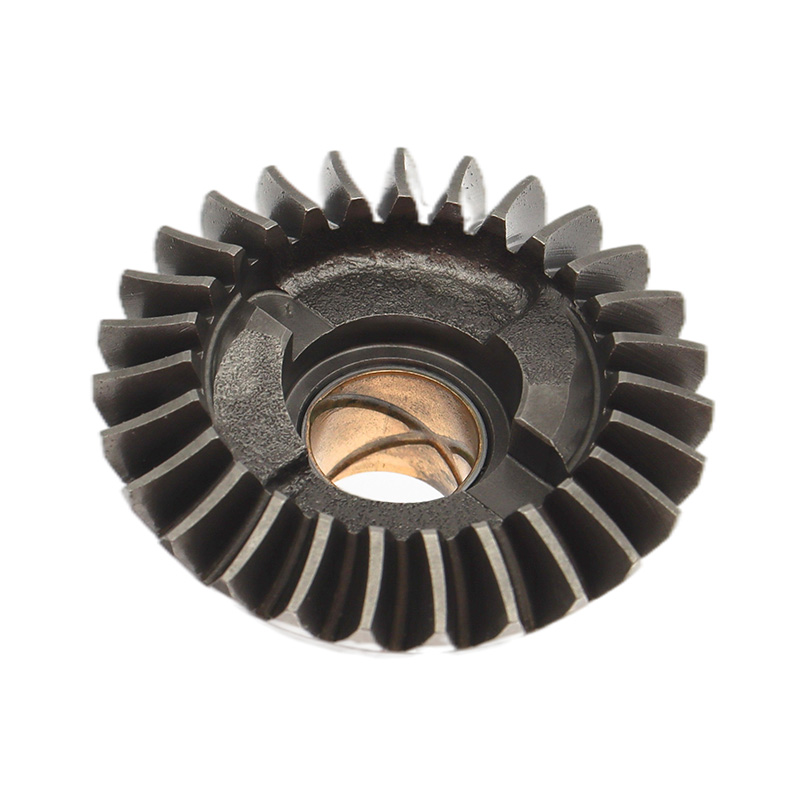
The table below summarizes the positioning of selected representative supplier types mentioned above.
| Supplier type / example | Typical annual capacity (units) | Typical MOQ for custom reverse gear | Key certifications / tests focus |
|---|---|---|---|
| Ningbo Gill Transmission (outboard gears) | 3.6M+ components per year bdgears | Flexible; supports smaller MOQs for aftermarket and small brands bdgears | ISO 9001, precision inspection for gears & shafts bdgears |
| Large marine gearbox OEM (e.g. Hangzhou Advance) | 50,000–150,000 gearboxes bdgears | 50–100+ sets per model bdgears | ISO 9001, ship‑class approvals, type tests bdgears |
| Mini car & motorcycle transmission maker (Xianyou) | 500,000+ gear sets chinapowertrain | 1,000+ sets per model chinapowertrain | ISO 9001, automotive‑style testing chinapowertrain |
| Automotive/industrial gear groups (Zhejiang) | Millions of gear pieces bdgears | 5,000+ pieces per drawing bdgears | ISO 9001/TS‑type systems, fatigue tests bdgears |
| Marine reduction gearbox specialists | 10,000–30,000 gearboxes gearmeenyon | 20–50 sets per model gearmeenyon | ISO 9001, marine endurance & salt‑spray tests gearmeenyon |
| CNC gear job shops | 5,000–50,000 pieces accio | 10–100 pieces per item accio | ISO 9001 or customer audits, dimensional reports accio |
| Export‑oriented marine gearbox assemblers | 10,000–40,000 gearboxes gearmeenyon | 20–50 sets per model gearmeenyon | ISO 9001, functional bench tests gearmeenyon |
| Niche high‑precision gear manufacturers | 200,000–500,000 gears bdgears | 1,000+ pieces per spec bdgears | ISO 9001/IATF‑style systems, NVH testing bdgears |
Reverse gears must withstand frequent torque reversals, shock loads during engagement, and often operate in harsh marine environments. Common materials include low‑alloy steels such as 20CrMnTi or 20CrNiMo, which are case‑hardened (carburizing and quenching) to achieve a hard wear‑resistant surface with a tough core. Buyers should request material certificates showing chemical composition and mechanical properties, plus heat treatment records and hardness profiles across the tooth depth. [gearmeenyon]
Precision in tooth profile and pitch directly affects noise, vibration and efficiency, especially important for marine and outboard applications where comfort and perceived quality matter. Suppliers with gear measuring centers can document accuracy grades and profile deviations, helping you compare options objectively. For small outboard gears, spiral bevel machining and subsequent grinding are key to stable, low‑noise performance over long service life. [gearmeenyon]
Marine reverse gears face saltwater, humidity and temperature variations, making corrosion control as critical as mechanical strength. Good suppliers use corrosion‑resistant alloys or protective coatings, ensure proper sealing, and may conduct salt‑spray or humidity tests for finished components or assemblies. Request test reports and confirm that coatings or platings comply with any applicable RoHS or environmental regulations for your destination market. [accio]
While bare gears themselves are not usually CE‑marked, complete marine gearboxes, propulsion systems or related electrical controls may require CE, UKCA or other regional approvals. At the component level, ISO 9001 and, in some segments, IATF‑style controls serve as proxies for consistent process management. For electrical parts and integrated systems, check RoHS, REACH or similar environmental compliance where applicable. [unctad]
From real sourcing projects, several recurring pitfalls appear in reverse gear procurement that are rarely spelled out publicly:
1. Heat treatment subcontracting without transparency
Some smaller factories outsource carburizing and quenching while still presenting themselves as having "full control," but cannot provide detailed heat treatment curves or traceability. This often results in inconsistent hardness and premature tooth pitting. Insist on traceable batch records and, if processing is outsourced, ask to audit the external heat treatment provider. [accio]
2. Switching to lower‑grade steels after sample approval
A common but seldom discussed issue is steel downgrading after you approve initial samples made with better material. To prevent this, lock material grade and supplier in the purchase contract, and periodically perform third‑party spectrographic analysis on random samples from mass production. [accio]
3. Under‑spec'd surface finishing on non‑tooth areas
Buyers often focus on tooth geometry and hardness, but ignore surface finishing and corrosion protection on hubs, bores and keyways. In marine environments, these areas become corrosion hot‑spots that complicate maintenance and disassembly, so define clear requirements for surface roughness and coating for the entire part. [gearmeenyon]
4. No validation of real torque and duty cycle
Many projects rely only on catalog ratings, without confirming that the reverse gear is tested under your actual duty cycle (start‑stop frequency, shock loads, reversing intervals). Ask the supplier to simulate your load cases or share test results under similar conditions, especially for work boats or commercial vessels with intensive reversing operations. [gearmeenyon]
5. Expired or unverified certifications
It is not uncommon to encounter outdated ISO certificates or non‑accredited issuing bodies in supplier brochures. Always verify the certificate number with the accreditation body (e.g. via CNAS or official ISO databases) and check the expiry date; this is a quick way to filter out unreliable vendors. [linkedin]
- Use trade platforms, industry directories and cluster knowledge (Zhejiang, Chongqing, coastal marine hubs) to identify potential suppliers. [chinapowertrain]
- Check websites for clear factory photos, equipment lists (CNC, gear grinding, inspection facilities) and application focus. [chinapowertrain]
- Prioritize suppliers that publish development history, quality certifications and export markets, like Ningbo Gill Transmission does on its corporate site. [bdgears]
- Request ISO 9001 certificates and verify them via accredited bodies such as CNAS or official ISO databases using certificate numbers. [linkedin]
- For marine projects linked to ship classification societies, confirm that the supplier or its clients have passed relevant type approvals where needed. [unctad]
- If environmental regulations apply, ask for RoHS/REACH statements or testing reports for coatings and lubricants. [unctad]
- Share detailed drawings or physical samples for reverse engineering; for outboard gears, suppliers like Gill can perform sample mapping and propose optimized designs. [bdgears]
- Request dimensional reports, material certificates, heat treatment records and hardness test data for samples. [accio]
- For marine gearboxes, run bench tests or on‑boat trials focusing on noise, vibration, oil temperature and shift smoothness. [gearmeenyon]
- During audits, follow the process from raw material receipt through machining, heat treatment, inspection and packaging; confirm that documents match what you saw in sampling. [accio]
- Evaluate in‑house QC capability: gear measuring, CMM, hardness testers, and structured sampling plans. [bdgears]
- For suppliers claiming "full in‑house control", confirm which processes, if any, are actually outsourced. [accio]
- Define clear specifications for material grade, heat treatment, gear accuracy, coatings and acceptable testing tolerances. [accio]
- Agree on PPAP‑like documentation for first‑article approval, especially for high‑value projects. [accio]
- Include clauses on change management (no unilateral change of material, process or subcontractor) and require notification plus re‑qualification if changes are needed. [accio]
- Factor in lead times: samples typically require 7–15 days; production for customized reverse gears may take 30–60 days depending on complexity and batch size. [accio]
- For marine and outboard parts, consider sea‑freight consolidation to minimize damage risk and cost; confirm packaging standards (anti‑corrosion oil, VCI bags, robust cartons). [gearmeenyon]
- Negotiate warranty terms and failure analysis procedures in advance so that both sides know how to handle field issues. [gearmeenyon]
China's reverse gear and marine transmission ecosystem ranges from large marine gearbox OEMs to agile outboard parts specialists like Ningbo Gill Transmission, offering procurement managers many options across price, volume and customization levels. By combining structured E‑E‑A‑T‑aligned evaluation—verifying experience, technical capability, cluster advantages and trust data—with a disciplined vetting and sampling process, you can significantly reduce sourcing risk and build long‑term partnerships. [chinapowertrain]
If you are currently shortlisting suppliers for outboard or small marine reverse gears, you can treat the companies and clusters in this article as a starting map—and consider contacting Ningbo Gill Transmission when you need flexible MOQs, sample‑based development and responsive OEM support for growing or mid‑size brands. Would you like a follow‑up checklist template (in Excel/Google Sheets) that your team can use to evaluate Chinese reverse gear suppliers during RFQ and factory audits? [gilltransmission]
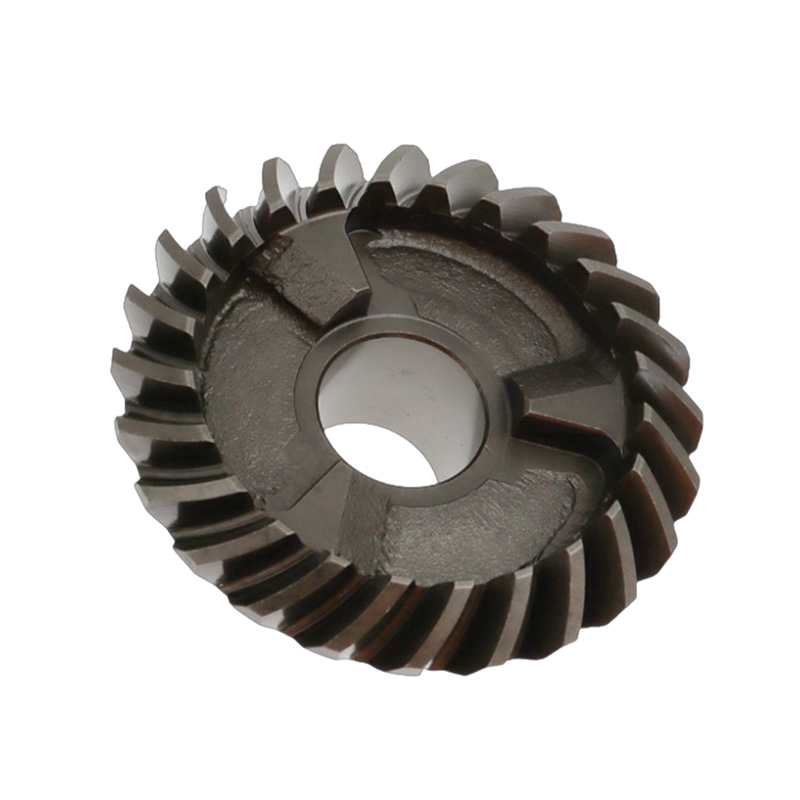
1. How can I confirm that a supplier's ISO 9001 certificate is valid and not expired?
Ask for a copy of the certificate including certificate number, issuing body and validity dates, then check it on the certification body's website or via CNAS/ISO databases. If you cannot find it in those systems, request clarification or treat the certificate as unverified. [linkedin]
2. What sampling strategy works best before committing to a large reverse gear order?
Typically, buyers start with 2–5 sample sets per variant, including different process batches, and request full inspection reports. After successful bench and field tests, they move to a pilot batch (for example 50–100 sets) before authorizing mass production. [accio]
3. How do I ensure the factory does not change material or heat treatment after sample approval?
Lock material grade, heat treatment spec and key subcontractors in your technical agreement, and require batch‑level certificates and periodic third‑party lab tests. Audit trail reviews during visits and random spectrographic analysis are effective deterrents against material downgrading. [accio]
4. For outboard reverse gears, should I buy complete gearboxes or separate gear components?
If you are an OEM or have in‑house assembly capability, sourcing components (gears, shafts, clutches) from specialized suppliers like Ningbo Gill Transmission can give better cost and flexibility. Distributors and aftermarket brands without assembly capability should consider complete gearboxes from marine gearbox assemblers. [gearmeenyon]
5. What lead times should I expect, and how can I avoid delays?
For custom reverse gears, expect 7–15 days for sampling and 30–60 days for bulk production depending on complexity and volume. You can reduce delay risk by freezing drawings early, approving samples quickly, and agreeing on safety stock or rolling forecasts with the supplier. [accio]
- UNCTAD "Review of Maritime Transport 2025" – macro data on global shipping and fleet development, useful for forecasting marine equipment demand. [unctad]
- Global marine transmissions market reports (2025–2031) – market‑size and CAGR outlook for marine transmission products. [marketpublishers]
- Chinese gear industry overviews and rankings of major gear manufacturers – background on key players and industrial clusters. [bdgears]
- Sourcing and ISO verification guides explaining how to cross‑check certificate numbers and identify non‑accredited bodies. [linkedin]
- Articles on common issues with marine reduction gearboxes and recommended maintenance practices – helpful when building technical specifications and warranty policies. [gearmeenyon]


